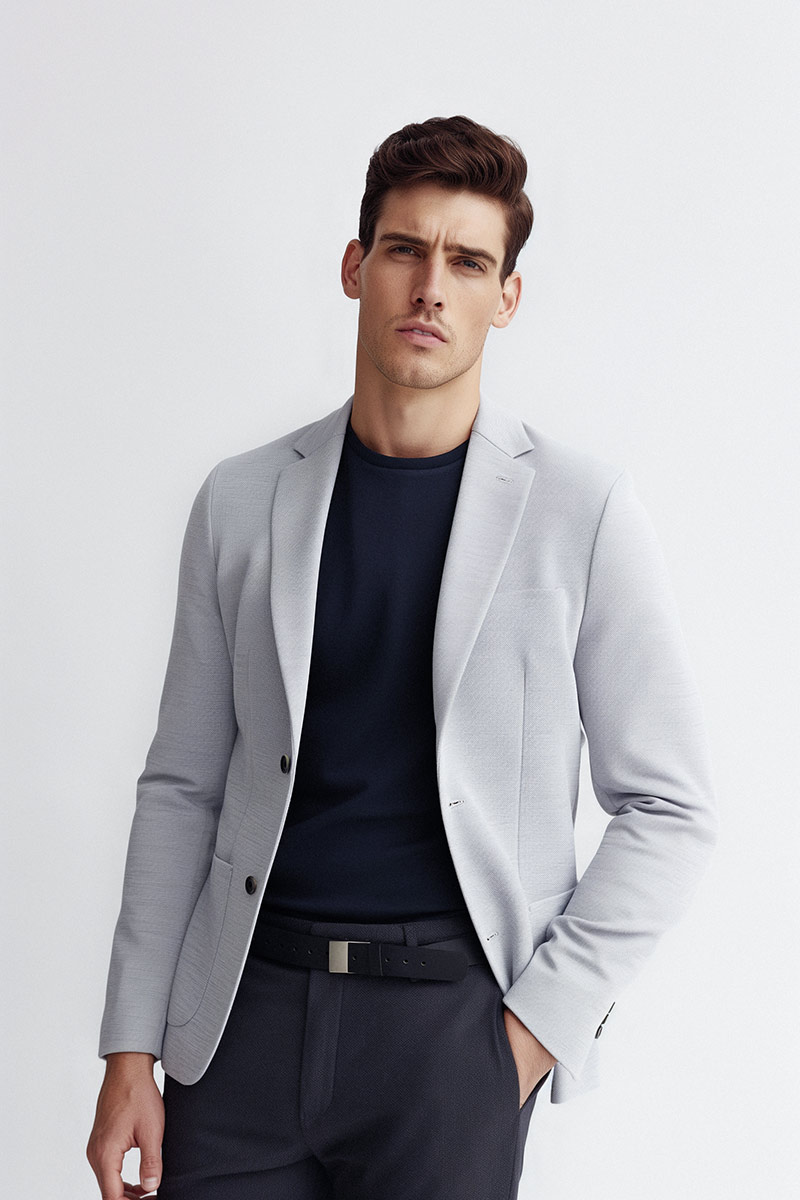
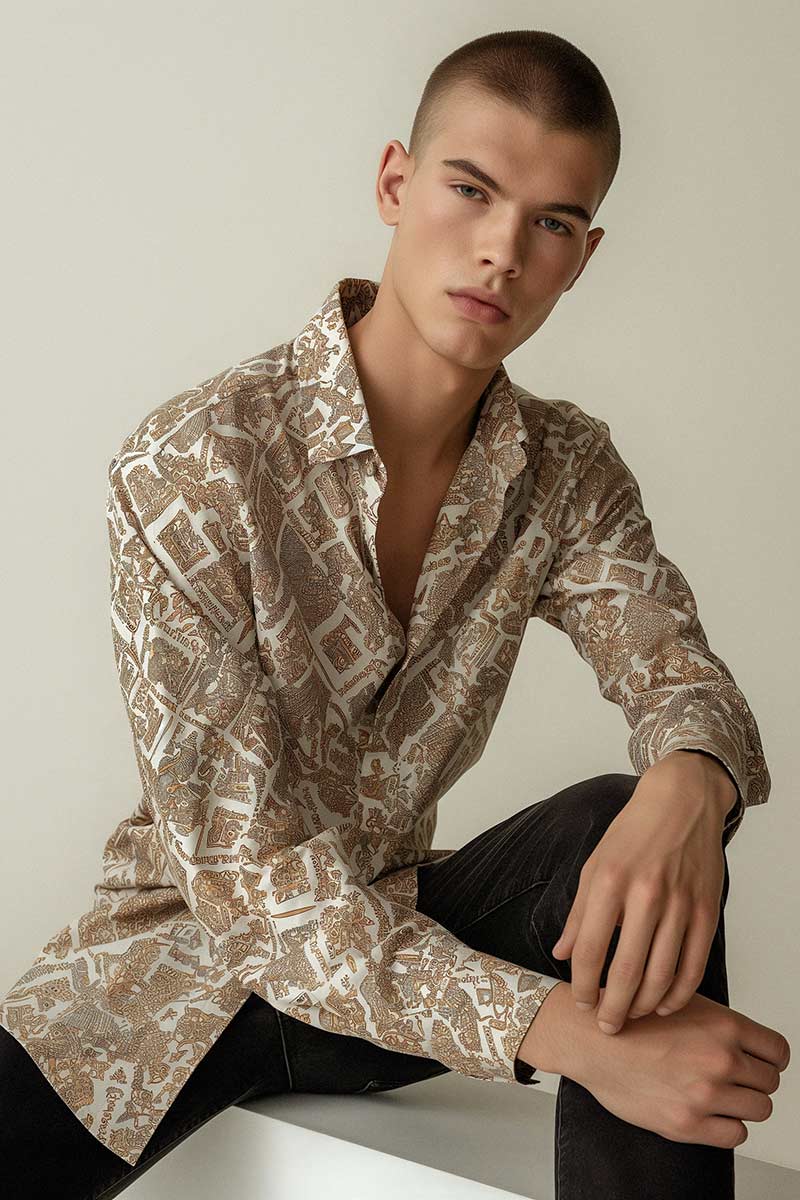
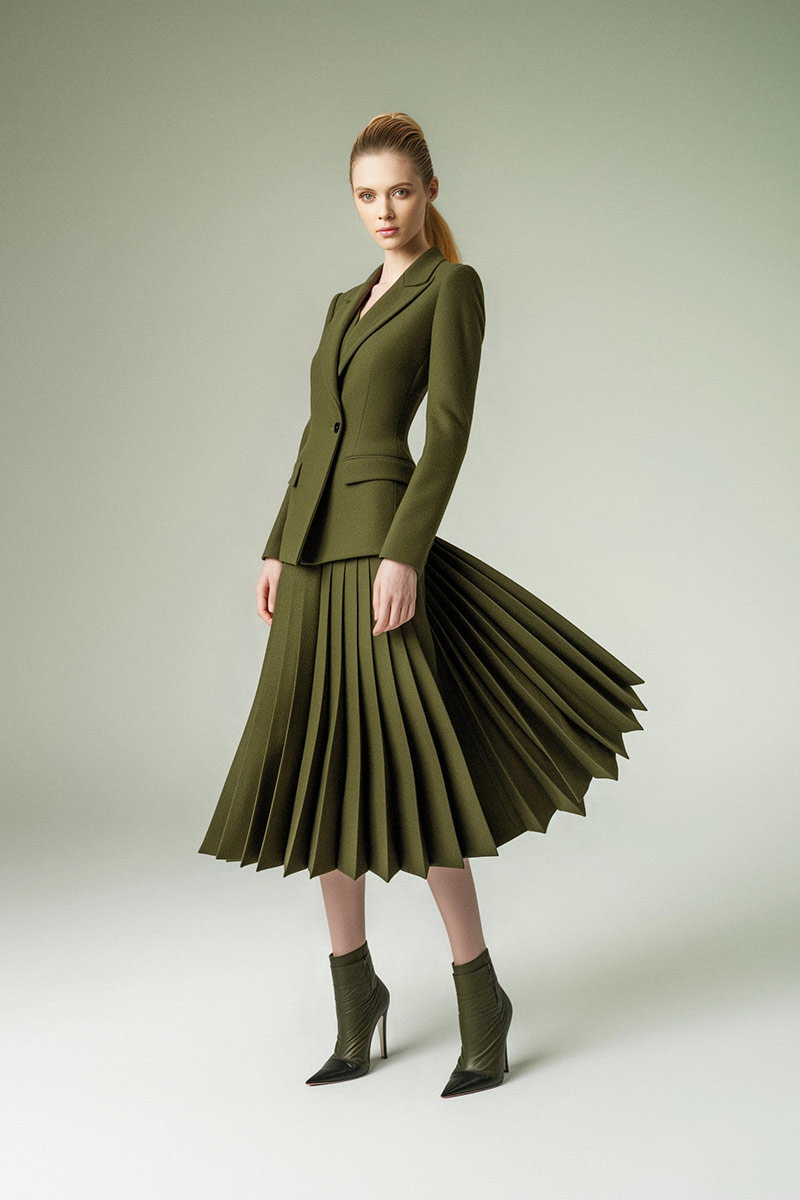
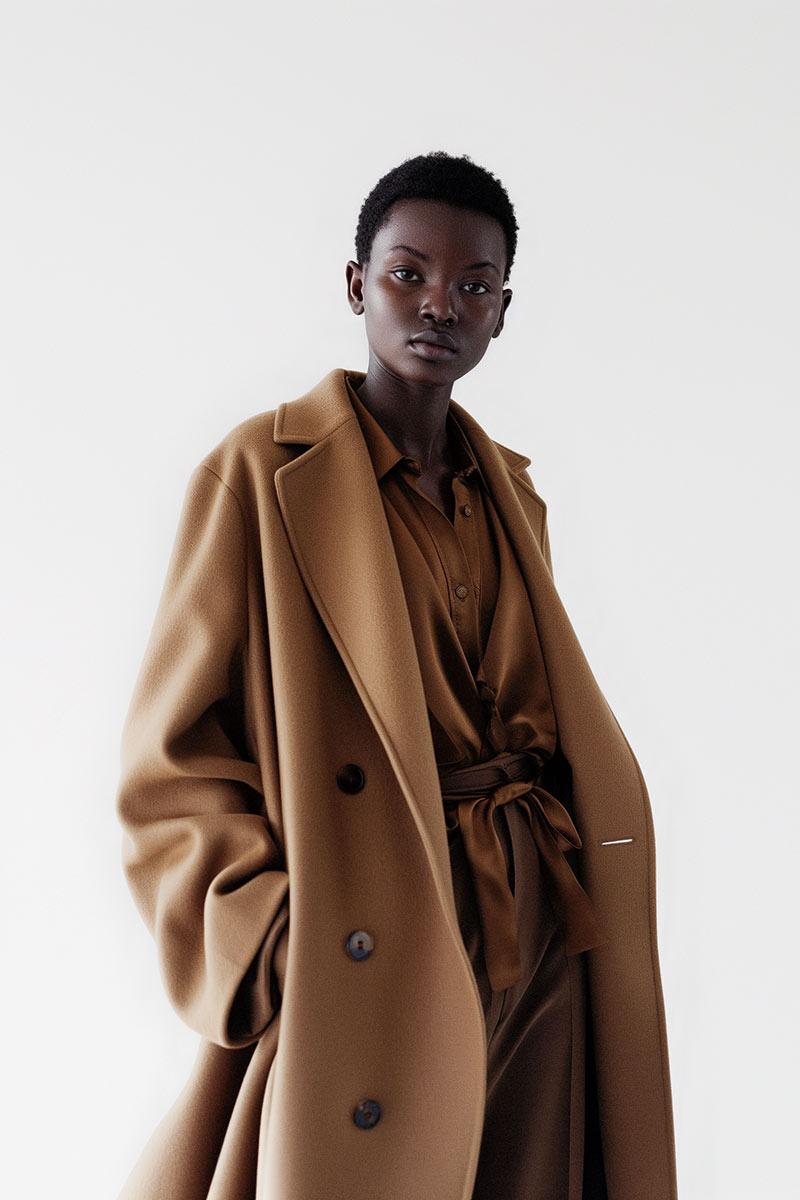
First, you need to be comfortable in your skin and have a portfolio showcasing your unique look. This means being willing to take risks and trying new things.
Be patient and continue networking with other models, photographers, and stylists to gain exposure. You can make it as an aspiring plus size model with the right strategy and dedication!
Fulfilling the basics includes having an agent, being healthy and having a good physique. Having an agent will help get your name out there, and book shoots for you. These modeling shoots can be challenging, but you can succeed with proper training and preparation. Persistence is vital – don’t give up on your dreams just because some bumps in the road exist.
Modelling can be an excellent career for anyone who is confident, has good discipline, and is looking for an opportunity to make a name for themselves. The key points to remember when pursuing a modelling career are as follows:
If you consider these key points, you’ll be well on your way to a successful modeling career!
To become a plus-size model, start by building body confidence and taking a few natural, well-lit photos that show your shape. Submit them to trusted UK agencies such as Bridge Models, Models 1 Curve, MiLK Management, or BMA Models. You don’t need professional photos at first — clear, natural “digitals” are ideal for applications.
In UK modelling, plus-size generally begins at a UK size 14 and above. Agencies often refer to it as “curve modelling.” The industry now celebrates body diversity, so all shapes and sizes are welcome — confidence, health, and authenticity matter more than strict measurements.
While you can freelance through social media, working with a reputable agency gives you access to well-known brands, campaigns, and editorial shoots. Agencies also handle contracts, rates, and client communication — making it easier and safer to build a career.
Most agencies look for:
UK size 14–24 (varies slightly)
Height: ideally 5’6” to 6’0”
Proportionate body shape
Good posture and confidence in front of the camera
Personality and professionalism are just as important as your look.
Earnings depend on experience and client type:
E-commerce or catalogue shoots: £150–£500 per day
Advertising campaigns: £500–£2,000+ per day
Commercial TV or print work: can exceed £3,000 per shoot
Top UK curve models earn significant income through consistent brand work and endorsements.
Your portfolio should highlight your body confidence and versatility. Include:
Headshots with minimal makeup
Full-body photos showing natural curves
Lifestyle and fashion shots (casual and dressed-up)
Optional swimwear or fitness images if you’re comfortable
Keep it professional, body-positive, and true to your personality.
Yes — several top UK agencies have strong curve divisions, including:
Bridge Models London (specialist in curve talent)
MiLK Management
Models 1 Curve
BMA Models
Source Models
Always verify legitimacy — real agencies do not charge upfront fees.
Absolutely. Many UK plus-size models have built careers through Instagram and TikTok, partnering with fashion brands like ASOS Curve, Boohoo, and PrettyLittleThing Plus. Post professional-looking content, use hashtags like #UKCurveModel and #BodyPositivity, and engage with your community to attract attention.
Confidence grows through self-acceptance, practice, and supportive communities. Surround yourself with positive influences, follow other body-positive creators, and remember that the UK modelling industry increasingly celebrates real, diverse beauty. Treat your body with respect through healthy habits, rest, and self-care.
Authenticity and energy. Brands want models who radiate confidence, professionalism, and relatability. Be punctual, kind on set, and proud of your individuality. Keep your portfolio updated, maintain good communication with your agency, and represent the body-positive movement with confidence and pride.
"Curve modelling" is the preferred industry term in the UK — it focuses on body diversity and representation. "Plus-size" traditionally refers to models who are a UK size 14 and above. Both terms describe the same modelling category. The industry has moved toward "curve" as it feels more empowering and less label-focused.
Yes. The curve modelling industry celebrates all body shapes — apple, pear, hourglass, rectangle, and inverted triangle. What matters is confidence, how clothes hang on your body, and your ability to take direction. Brands are looking for diverse body shapes and sizes.
Height requirements are more flexible in curve/plus-size modelling than in fashion. Most curve models are between 5'6" and 5'11". However, shorter models can work in commercial and lifestyle curve modelling — height is less critical than proportions and how you photograph.
UK agencies with strong curve divisions include: Bridge Models, Models 1 Curve, MiLK Management, BMA Models, and Silver. Always apply directly through the agency's official website. Reputable agencies have no upfront fees and represent models from size 14 upwards.
Brands include: ASOS Curve, Boohoo, PrettyLittleThing, New Look, Marks & Spencer, Good American, Gymshark (curves range), and numerous other fashion, beauty, and lifestyle brands. UK demand for authentic curve representation has grown significantly, creating strong opportunities across commercial and editorial modelling.
Absolutely. The curve modelling industry represents a wide size range — UK 14 to 24+ and beyond. Many working curve models are a size 16–20. What matters is your proportions, confidence on camera, and how different clothing styles photograph on your body.
Curve modelling celebrates real, confident women. If you're comfortable in your skin and can bring energy and personality to a photoshoot, you're already halfway there. The best way to find out is to submit to a reputable curve agency or book a test shoot with a photographer experienced in curve photography.
Yes — once you've decided to seriously pursue curve modelling, professional images are important. Start with a professional test shoot with a photographer experienced in shooting curve and diverse body types. They'll know how to light and pose you to show your figure at its best. Avoid photographers who make you feel anything less than beautiful.
Yes. More and more curve models are walking runway at London Fashion Week and beyond for brands that are championing body diversity. While this is still a smaller part of the industry than commercial curve work, it's growing rapidly — and some curve models have become internationally recognised for their runway work.
Common misconceptions: that you must be a certain shape to be a curve model; that it's less serious than fashion modelling; that you can't make real money; that it only exists for women's fashion. In reality, curve modelling is a professional, growing industry with genuine career opportunities across fashion, commercial, editorial, and influencer marketing.
Unfortunately, some discrimination still exists — but the industry has improved dramatically. Most major UK brands now actively seek curve models, and agencies are investing more in their curve divisions. The best response to discrimination is finding agencies and brands that genuinely celebrate diverse bodies and building your career there.
Curate your social media feed with body-positive accounts, work with photographers and agencies that make you feel amazing, remember that your body is already worthy of representation, and focus on how you feel rather than just how you look. Being a curve model means actively challenging narrow beauty standards — that takes real confidence and is genuinely powerful.
Many curve models start with commercial catalogue and social media work, progress to brand ambassador roles, editorial features in magazines like Vogue, Elle, and Cosmopolitan, runway shows at Fashion Week, and some transition into broader commercial acting, presenting, and influencer careers. The curve modelling path is as varied and legitimate as any other.
Alternatively, CLICK the WhatsApp bubble on the bottom left of the screen to get in touch with WhatsApp.