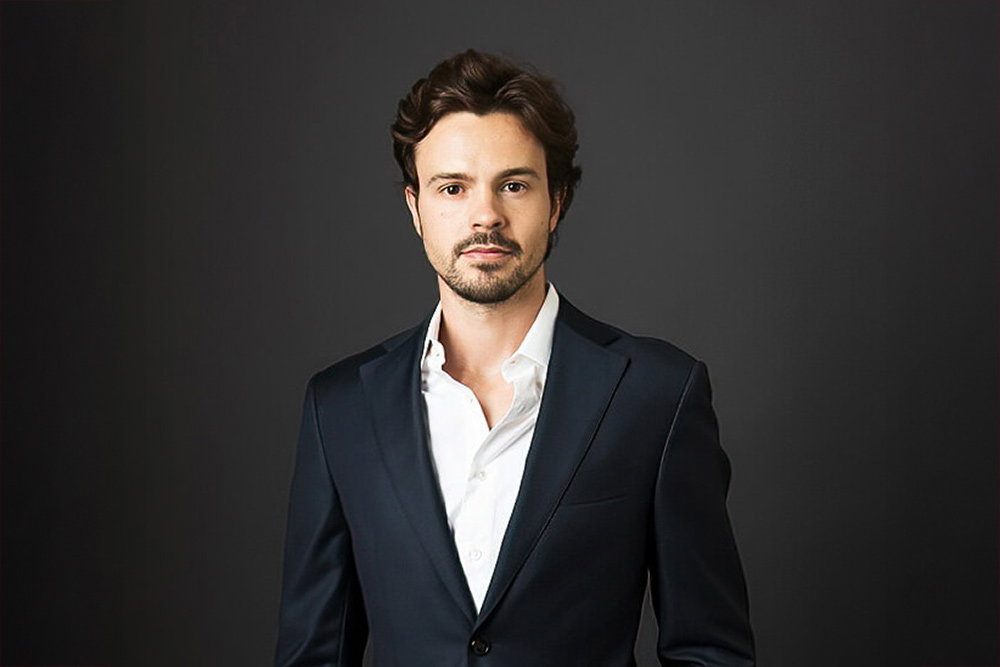
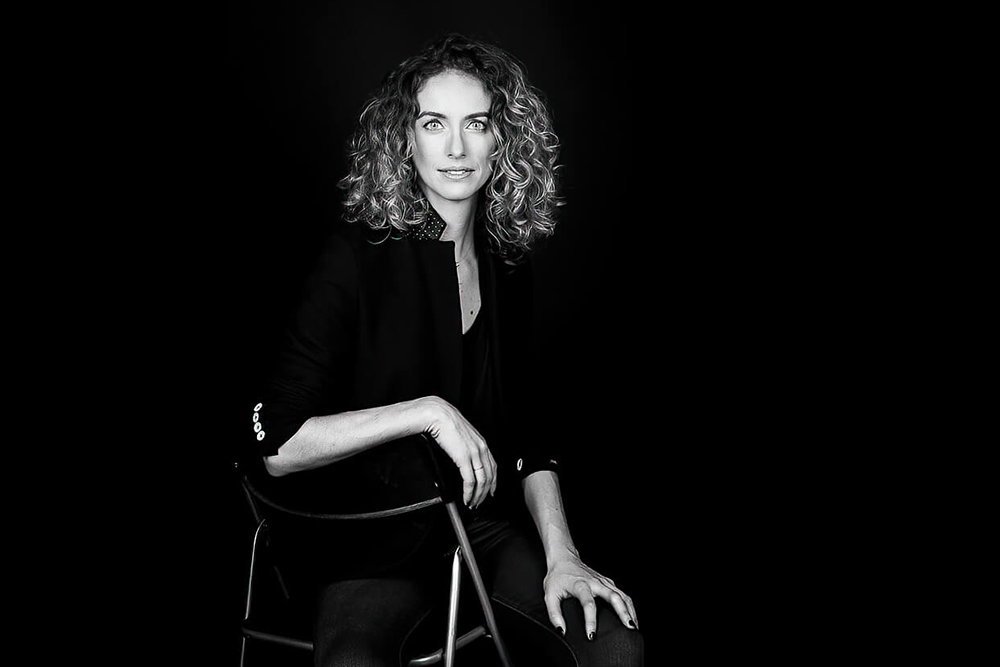
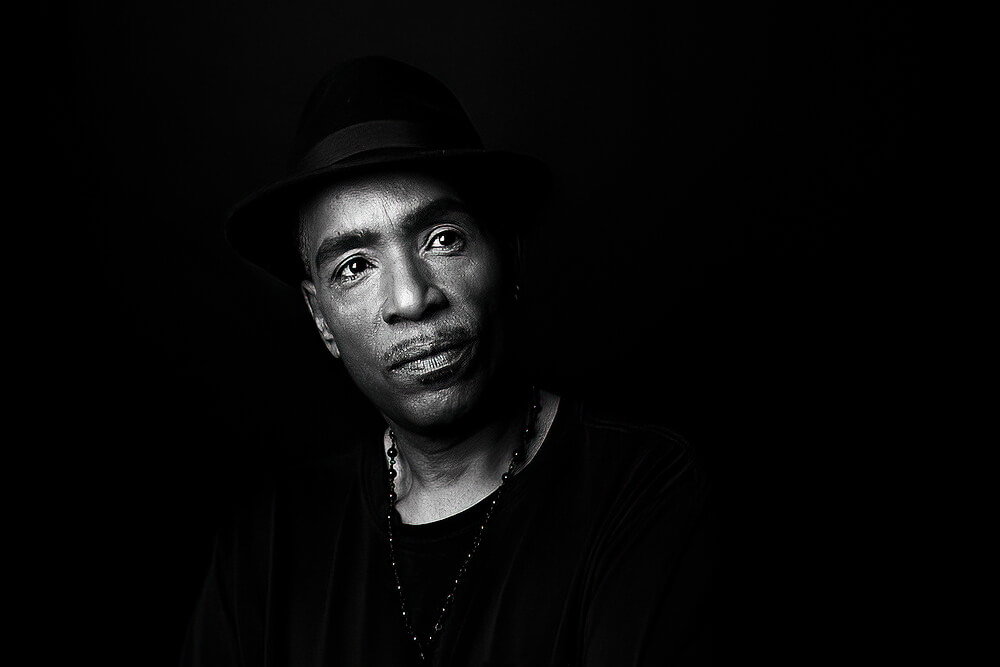
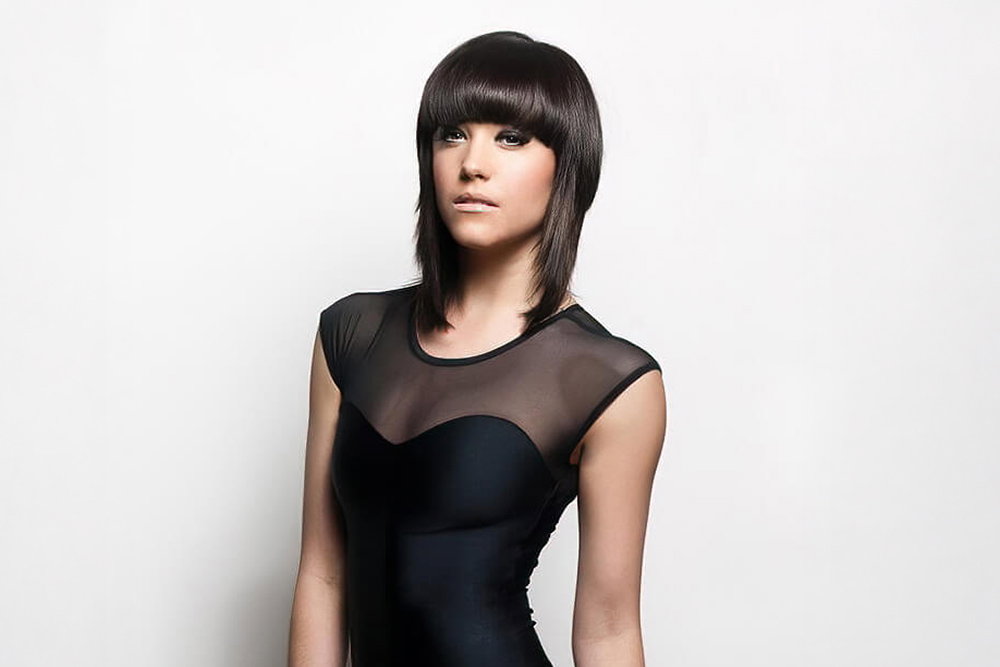
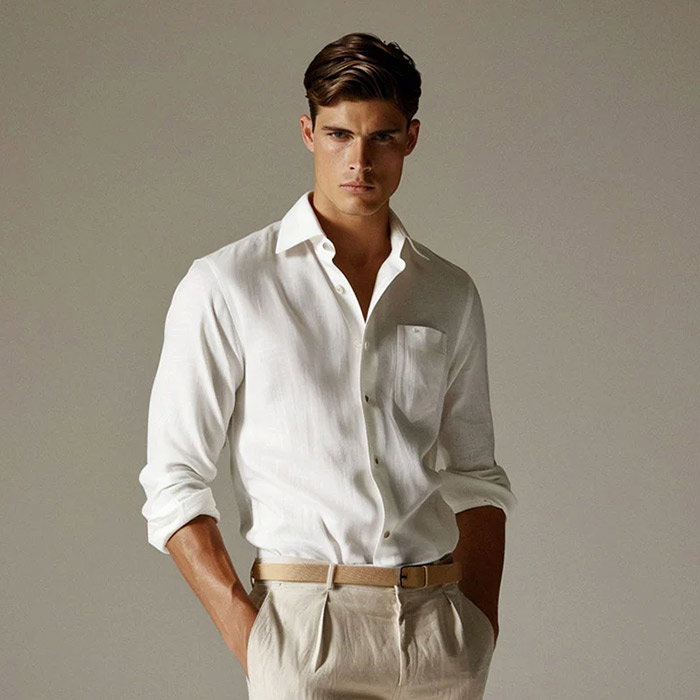
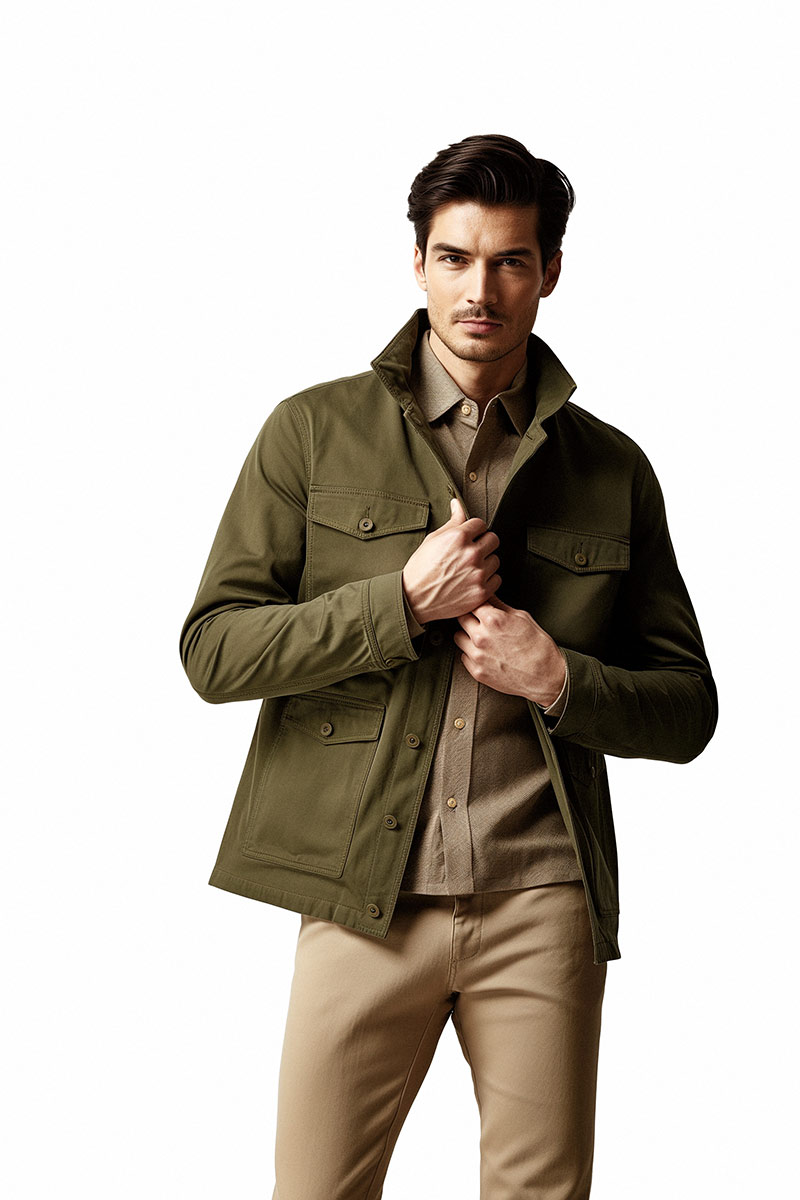
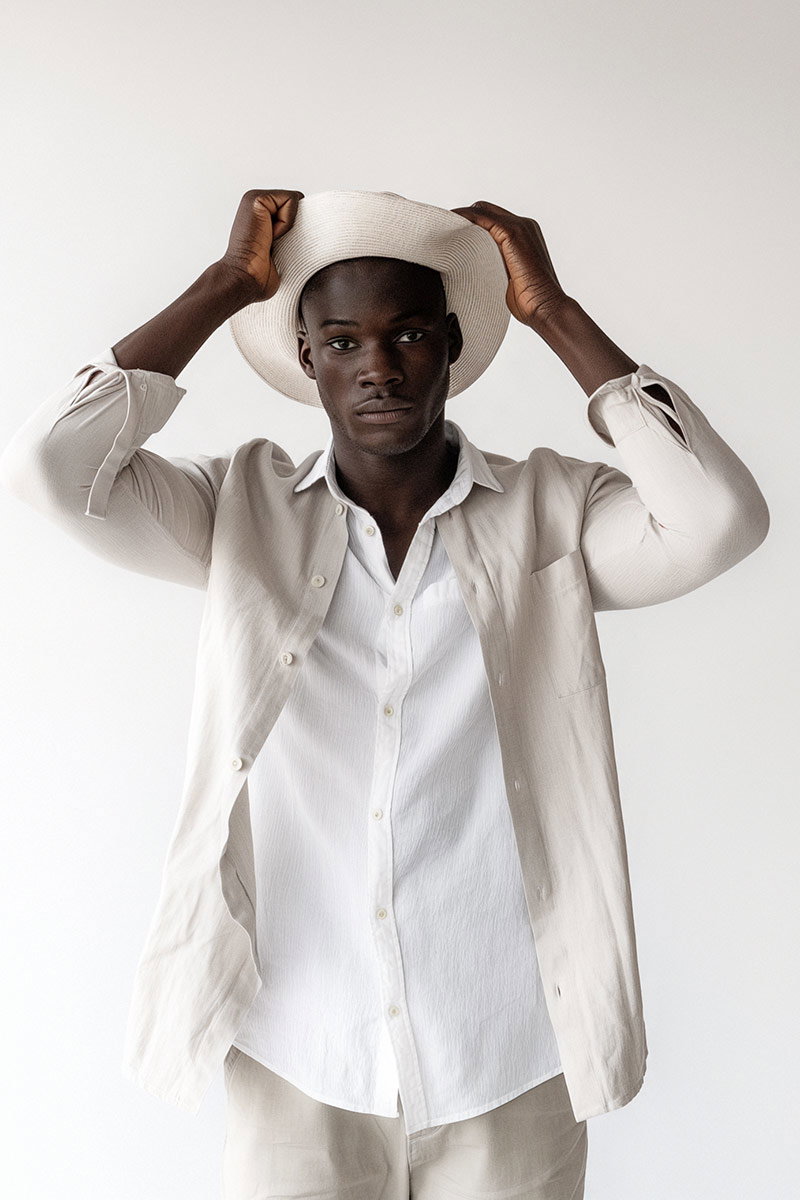
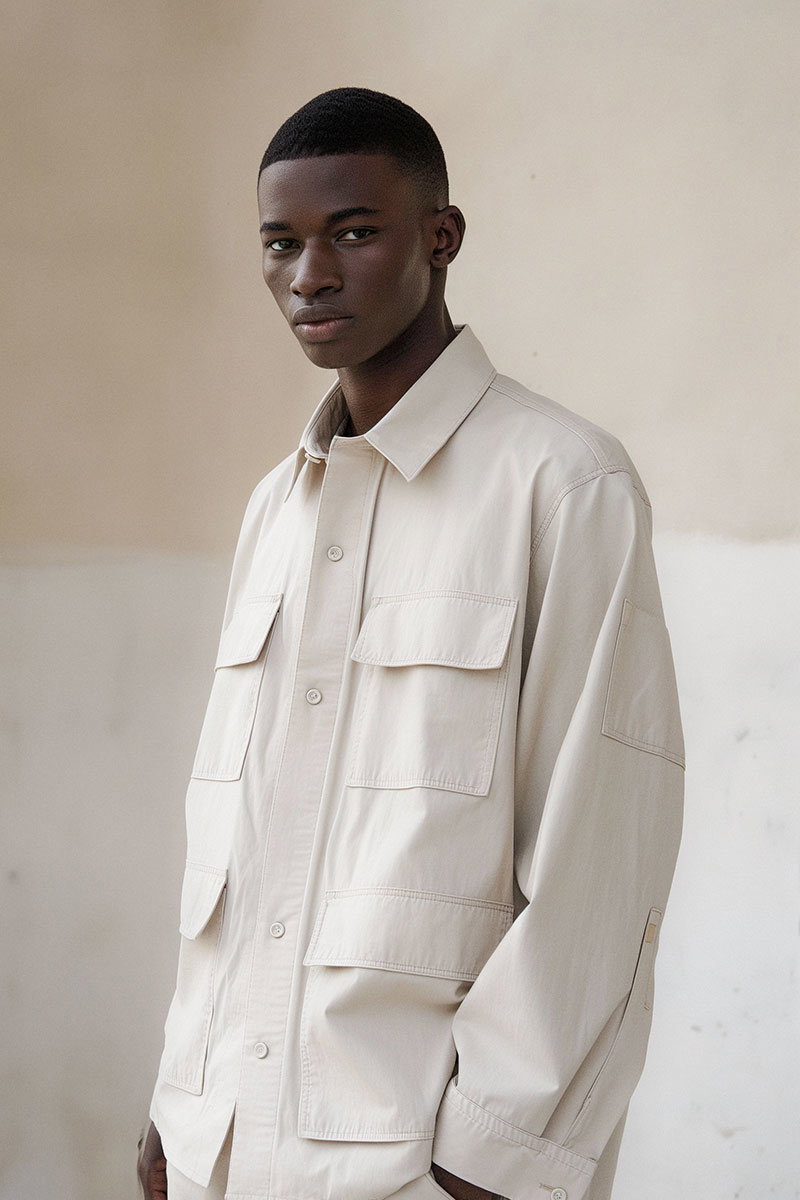
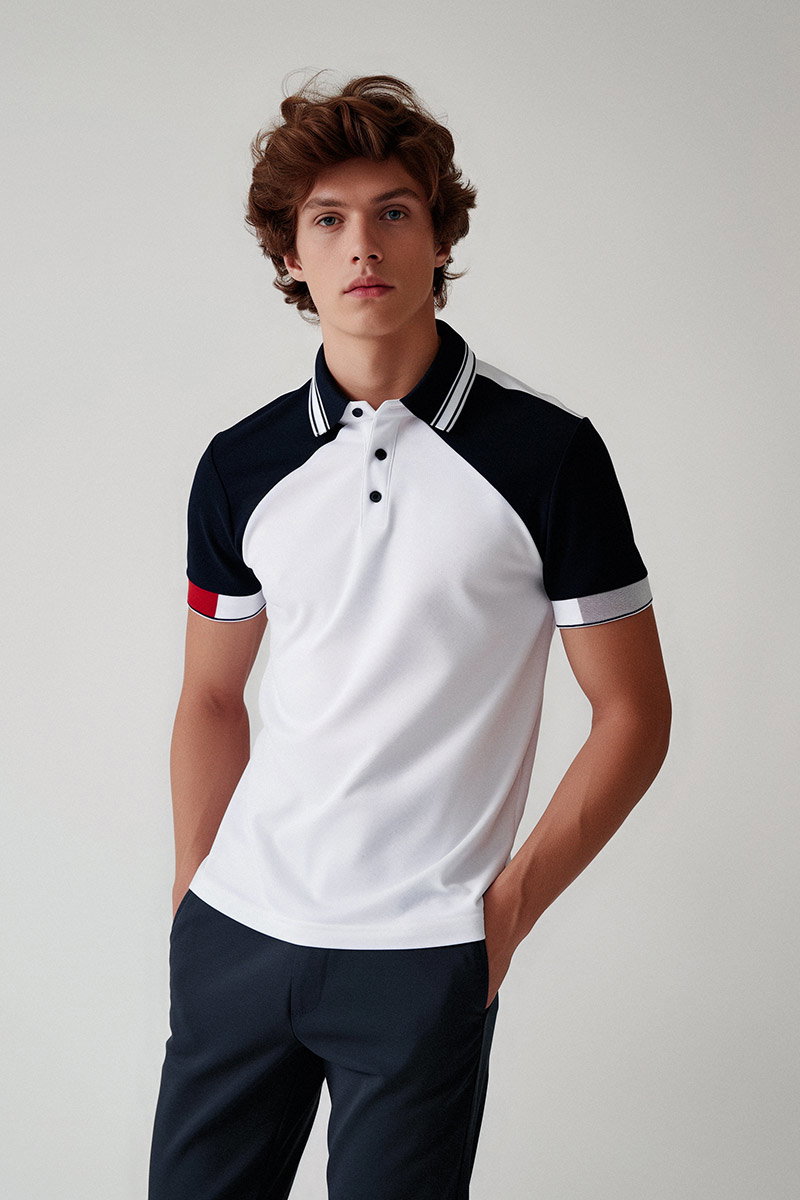
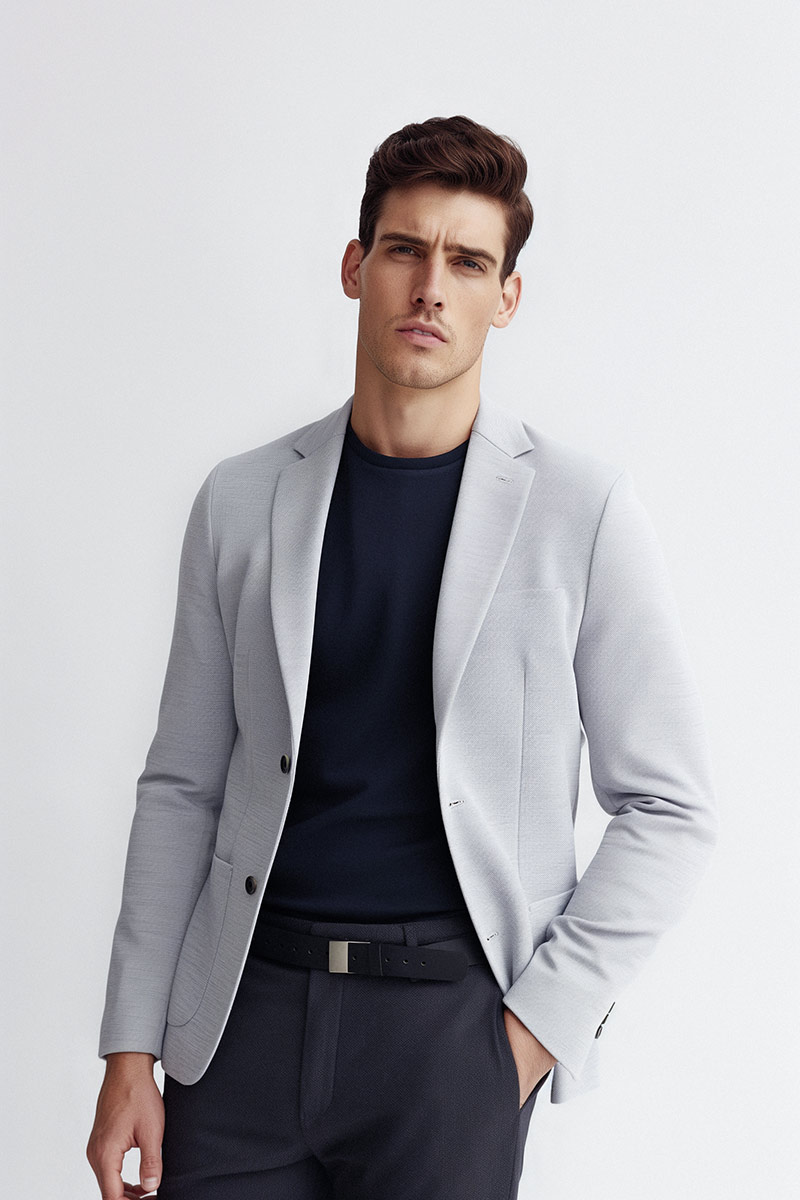
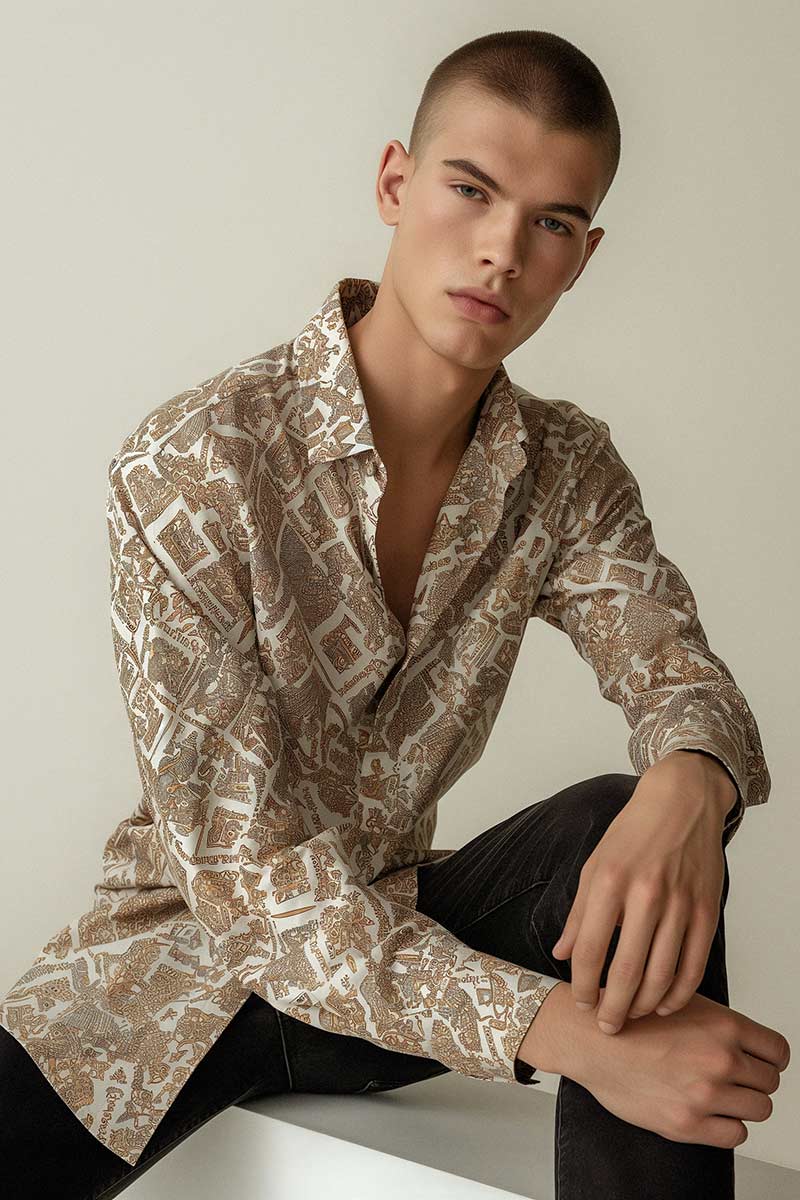
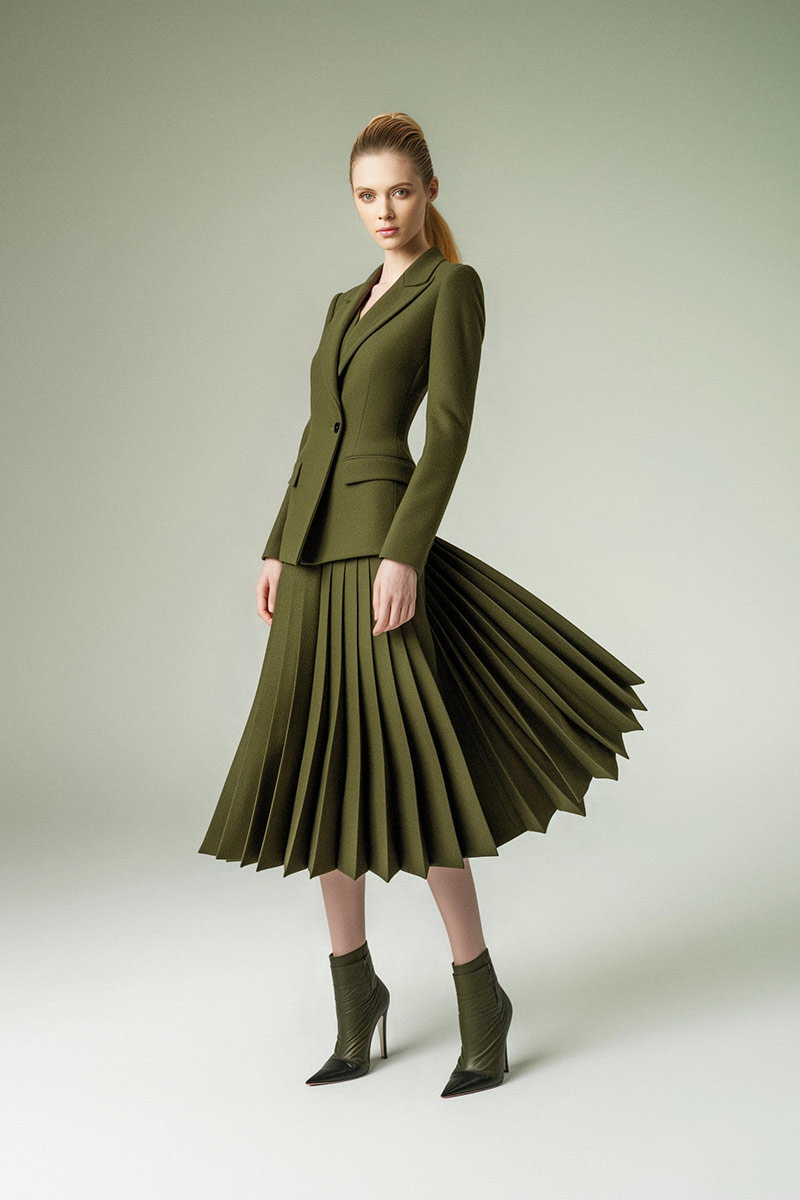
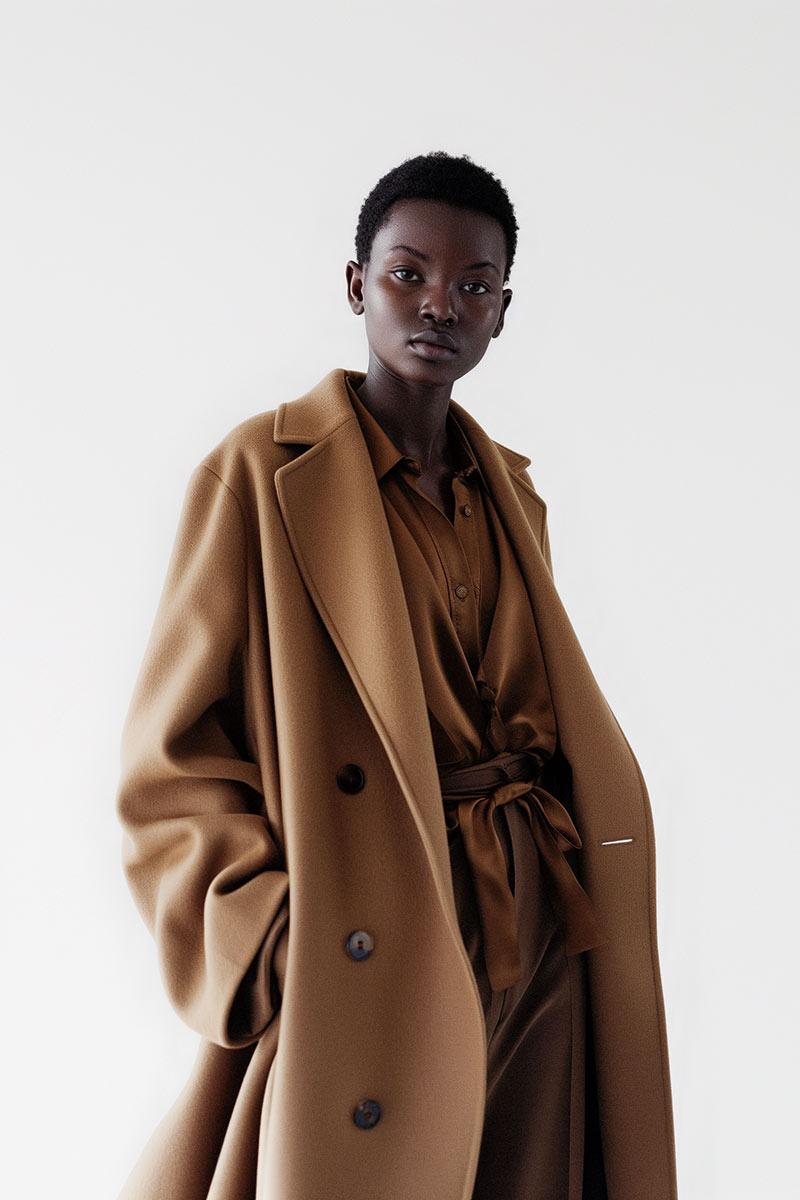
In the fast-paced world of fitness modeling, sculpted abs and toned muscles are no longer enough to stand out. Today’s most successful fitness models understand that a strong personal brand is essential for distinguishing themselves in this competitive industry. EyeMedia Studios, based in London, is here to help you capture your unique essence and elevate your professional modelling portfolio to new heights.
As an aspiring fitness model, you’re undoubtedly passionate about health, wellness, and showcasing your physical prowess. But in an era where everyone seems to be vying for attention on social media and in the competitive fashion and fitness world, how do you ensure that your unique essence shines through?

There is a growing trend in the modelling industry for aspiring fitness models. This involves sports models hired to represent various fitness brands and endorse products. You can be a fitness model for any sport, from tennis to swimming – as long as you have the physique! While there are different types of contracts, the most common ones would be with professional photographers or agencies. Invest time and money into your fitness model portfolio so that the right people can see your best work. And don’t forget your social media presence too!
Regarding fitness modeling, the key is knowing how to negotiate. This skill can help you get better deals and make more money in the long run. Here are some tips on negotiating like a pro fitness model:
Remember, fitness modeling is not only about taking pictures; it’s also an opportunity to build relationships with people who matter in your fitness industry! Ensure you have all the information needed before meeting someone face-to-face so there are no surprises later on! Know when to walk away – even if you’re getting close to an agreement, don’t be afraid to back out, as this could turn into a deal-breaker.
Becoming a successful fitness model requires more than physical prowess; it demands strategic personal branding supported by high-quality visuals. At EyeMedia Studios, we’re dedicated to helping you create an impressive portfolio that reflects your uniqueness and stands out in the competitive world of fitness modelling.
Ready to take the next step? Contact us today at and let’s start building the professional brand you’ve always dreamed of!
To become a fitness model in the UK, start by building a strong, healthy physique and a professional fitness portfolio. Take clear photos showing your athletic shape and energy — gym, lifestyle, and sportswear shots work best. Apply to reputable agencies such as W Model Management, Base Models, or BMA Models, or promote yourself on Instagram and fitness platforms to attract brands and photographers.
Not necessarily. Many fitness models work as freelancers by promoting themselves on social media and networking directly with fitness brands, photographers, and gyms. However, joining a fitness or commercial agency can open doors to high-paying campaigns and give you access to established clients like Nike, Gymshark, or Adidas.
There’s no fixed height or size requirement, but agencies look for individuals who:
Have a fit, toned, and proportionate physique
Lead a healthy lifestyle
Are comfortable in front of the camera
Show confidence and energy
Commitment to regular training and nutrition is key.
Your portfolio should highlight your physique, versatility, and athletic ability. Include:
Studio and outdoor fitness shots
Lifestyle and sportswear images
Close-ups showing muscle tone and expression
Action shots (running, lifting, yoga, etc.)
Keep it professional but natural — and update it regularly as your physique evolves.
Earnings depend on experience and client type:
Small brand shoots: £100–£300 per day
Campaigns for major brands: £500–£2,000 per day
Social media collaborations: variable — often £100–£1,000 per post
Fitness models who build a strong personal brand can earn additional income from sponsorships and coaching partnerships.
Yes — in fact, Instagram and TikTok have launched many UK fitness modelling careers. Share authentic workout content, healthy lifestyle tips, and professional photos. Use relevant hashtags (#UKFitnessModel, #GymsharkAthlete, etc.) and tag fitness brands to get noticed. Consistency and genuine engagement are crucial.
A fitness model focuses on a healthy, lean, and camera-friendly physique, whereas bodybuilders often train for muscle mass and competition aesthetics. Fitness models need definition and balance, not extreme size — the goal is to look athletic, not oversized, both on camera and in lifestyle shoots.
Follow a sustainable plan that includes:
Strength training and cardio
Clean, balanced nutrition
Adequate rest and hydration
Avoid crash diets or overtraining — agencies and brands prefer fitness models who promote long-term health and realism.
Yes, several reputable UK agencies represent fitness and sports talent:
W Model Management (London)
BMA Models & Artists
Base Models
Models Direct – Fitness Division
Sports Direct Talent (independent)
Always check agency legitimacy — real ones don’t charge upfront fees.
Be authentic. Brands want relatable, motivated models who represent real fitness lifestyles. Build a personal story around your training, post consistent content, and maintain professionalism on and off set. A positive mindset, reliability, and consistent health habits make you truly stand out.
Fitness models follow sustainable nutrition — not extreme diets. Most follow a structured meal plan with lean proteins, complex carbohydrates, and healthy fats, adjusted around photoshoot dates and campaign timelines. The goal is a lean, athletic, camera-ready physique year-round, not competition-body extremes.
Yes. Fitness modelling spans a spectrum from extreme athletic to healthy, approachable fitness. Most commercial fitness campaigns look for a lean, toned physique — not necessarily a competition bodybuilder's six-pack. What matters most is looking athletic, healthy, and energised on camera.
Brands include: Gymshark, Adidas, Nike, Reebok, Fitbit, protein supplement companies (Myprotein, Grenade), sportswear retailers, fitness apps, and health magazines. UK fitness influencers also partner with fitness models for content collaborations.
Not necessarily — but you need to look athletic and fit. Some fitness models use home gym equipment, outdoor training, or sports backgrounds (swimming, athletics, dance) to maintain their physique. A visible commitment to fitness — whatever the approach — should be apparent in your body.
Yes. Many fitness models successfully transition into commercial modelling, fashion editorials, sportswear campaigns, and influencer careers. A strong fitness modelling portfolio demonstrates discipline, body confidence, and the ability to take direction — all valuable across modelling categories.
Fitness models should update their portfolio every 6–12 months — physique changes and your images need to accurately represent your current body. A fitness model's body is their product, and agencies and clients expect accuracy.
Wear fitted athletic clothing that shows your physique — a sports bra and leggings for women, a fitted t-shirt and shorts for men. Avoid baggy clothing that hides your shape. Bring your athletic kit in case the client wants to see you in activewear during the casting.
Yes. The majority of UK commercial fitness models are natural — they achieve their looks through consistent training, nutrition, and professional photography. While some corners of the industry do use enhancement substances, reputable agencies and clients actively promote natural, authentic fitness. Never feel pressured to use substances.
Preparation typically includes: training the relevant muscle groups in the week before the shoot, reducing sodium and carbohydrates slightly 24–48 hours before (to reduce water retention under the skin), hydrating well, getting plenty of sleep, and arriving with clean, groomed skin and hair. Your photographer will brief you in advance.
Yes. Many fitness models have full-time jobs, are university students, or have other careers. Fitness modelling castings and shoots can usually be scheduled around existing commitments. Only full-time professional fitness models are expected to maintain a strict schedule — the rest of us have day jobs too.
Fitness models focus on body aesthetics and a healthy, athletic look — often used for gym wear, sportswear, and wellness brands. Sports models may actually be athletes (footballers, rugby players, swimmers) used in advertising for their sport — they bring authentic athletic credibility. Both are distinct from fashion and commercial modelling.
An engaged social media following is increasingly valuable, but it's not always a strict requirement for agency representation. A strong, well-photographed portfolio demonstrating your fitness physique is still the primary requirement. However, an active Instagram with 5,000+ engaged followers significantly strengthens your application.
Key fitness modelling poses include: front-facing stance with shoulders back, profile showing your best side, action shots (mid-run, mid-lift), relaxed casual poses, and heroic/victory poses. Practice in front of a mirror before your shoot. Your photographer will guide you through all the poses that work best for your specific body type.
Alternatively, CLICK the WhatsApp bubble on the bottom left of the screen to get in touch with WhatsApp.