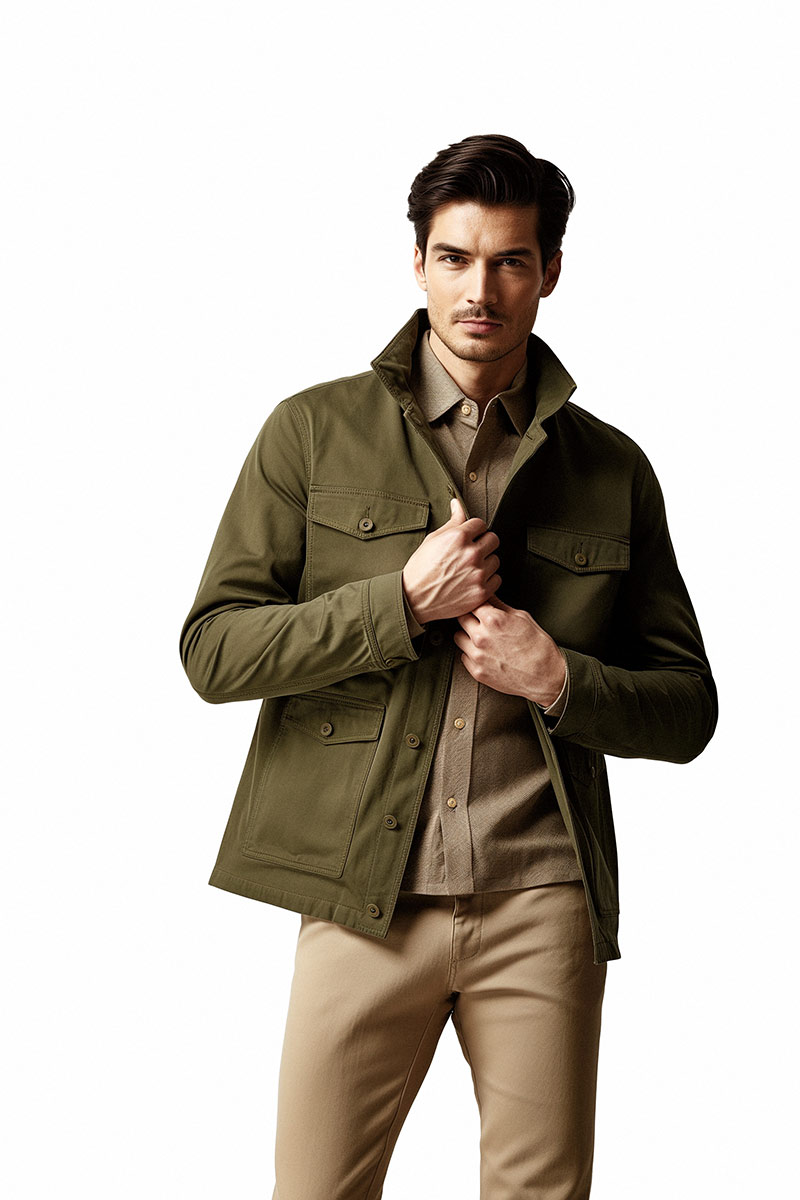
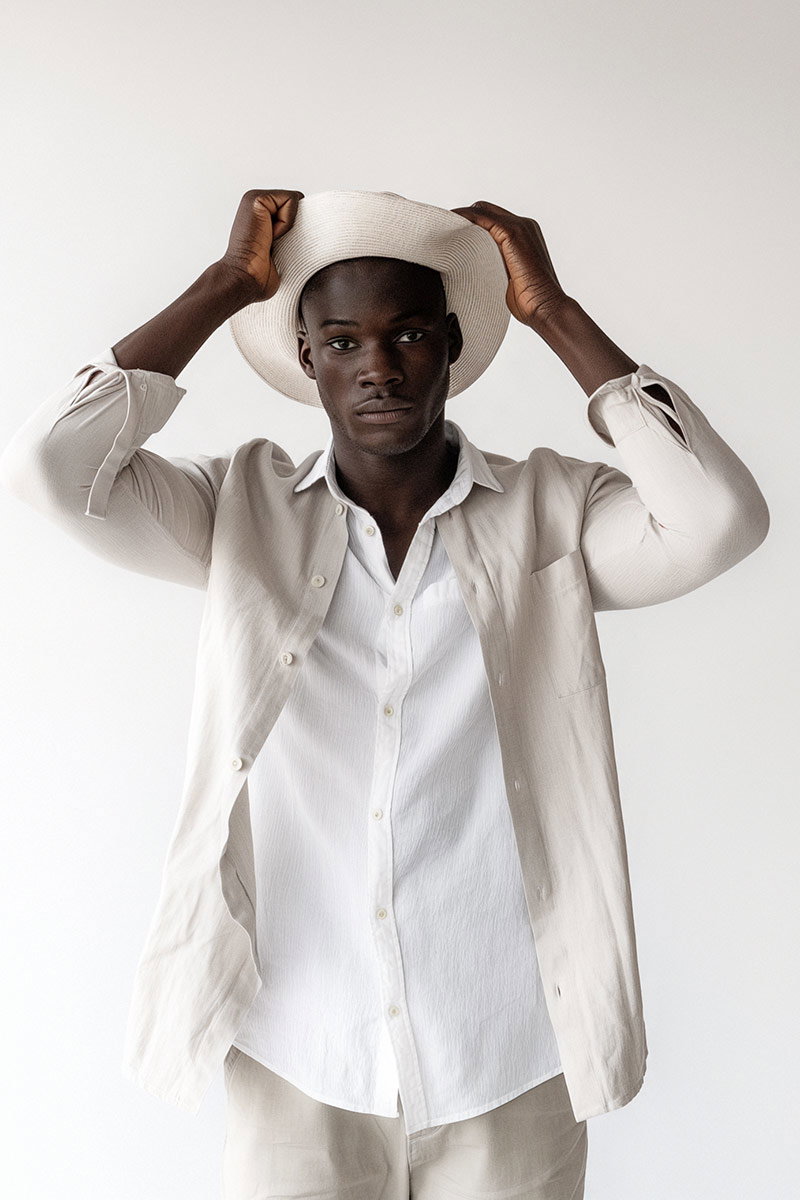
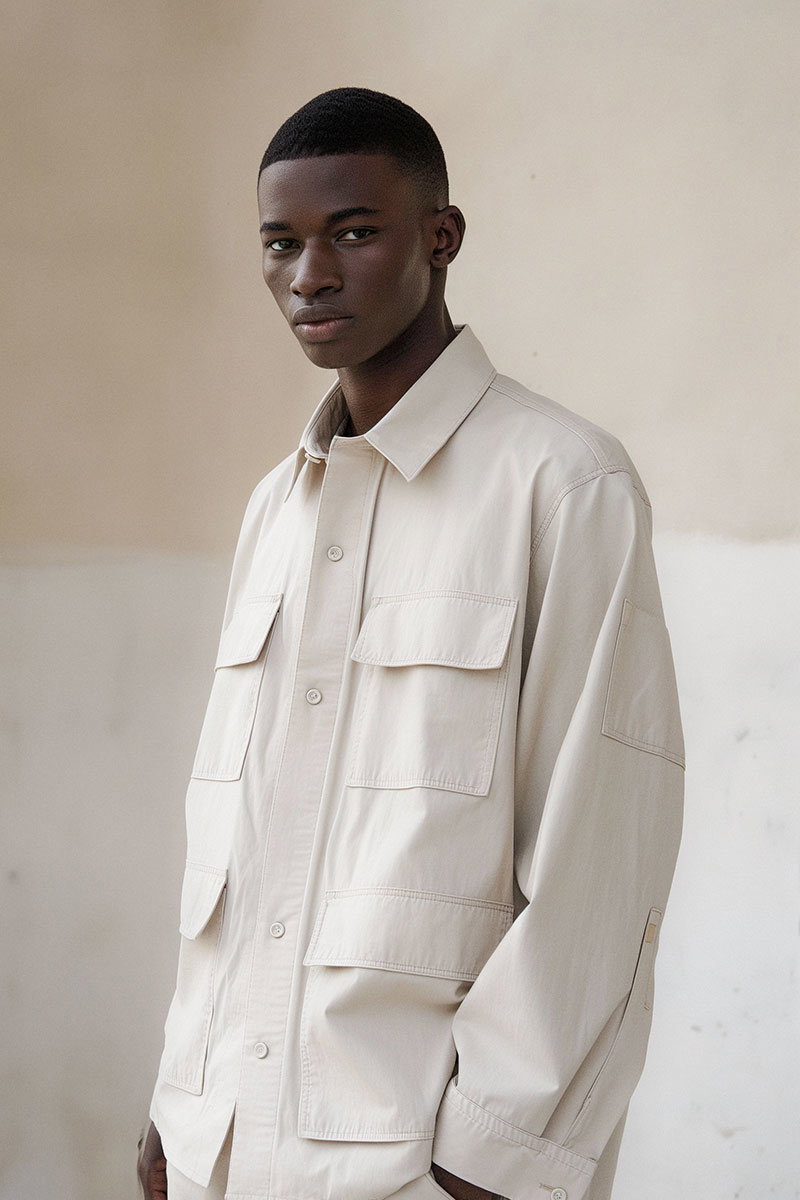
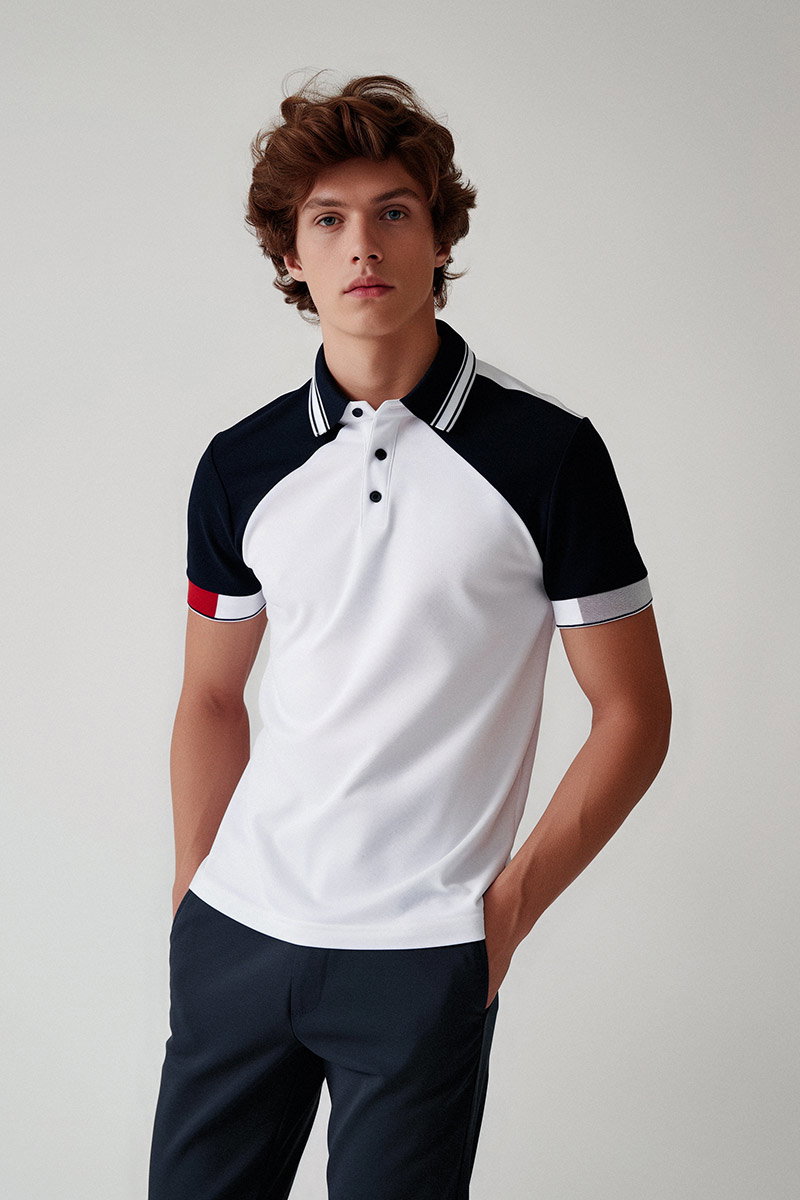
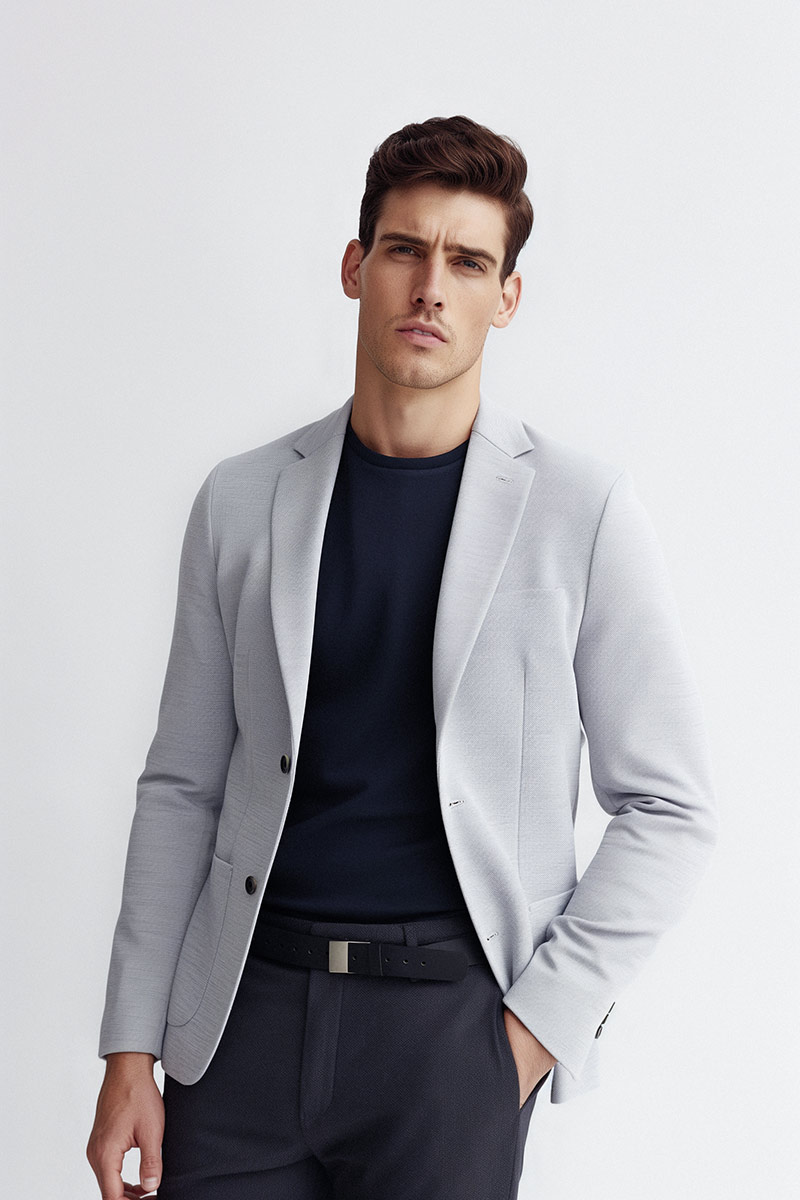
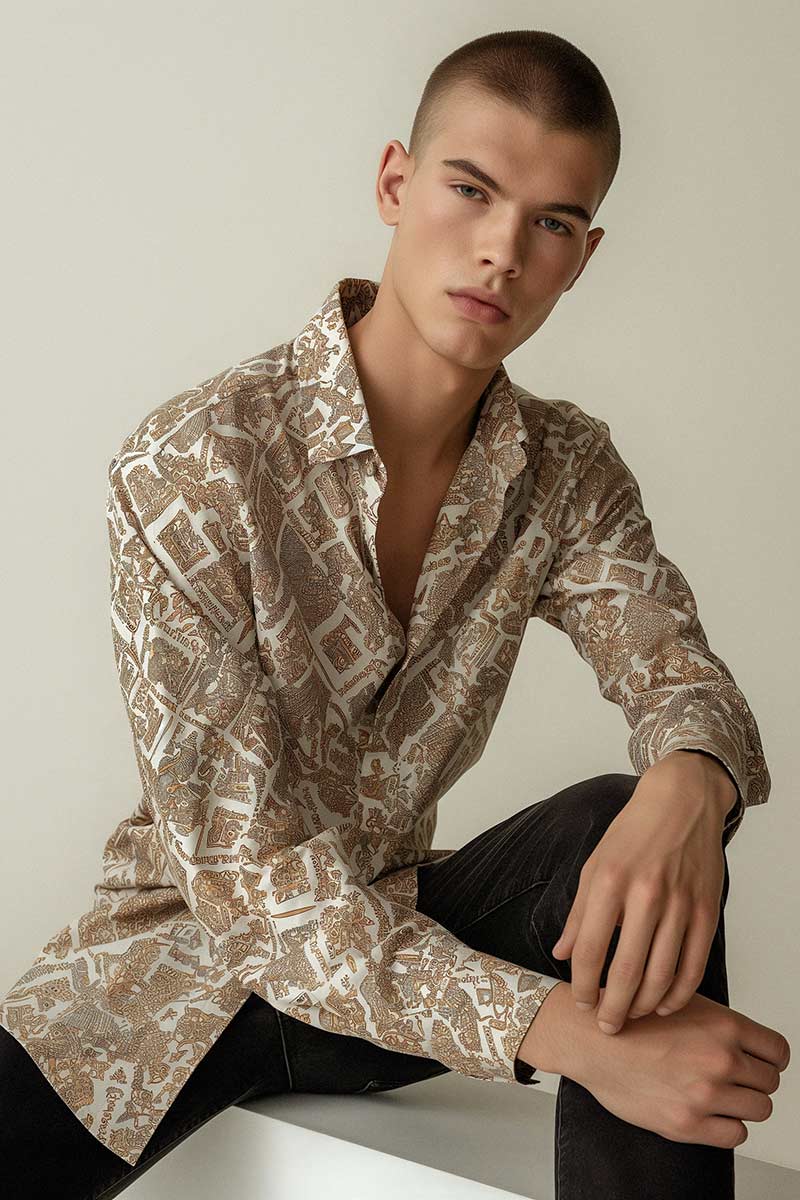
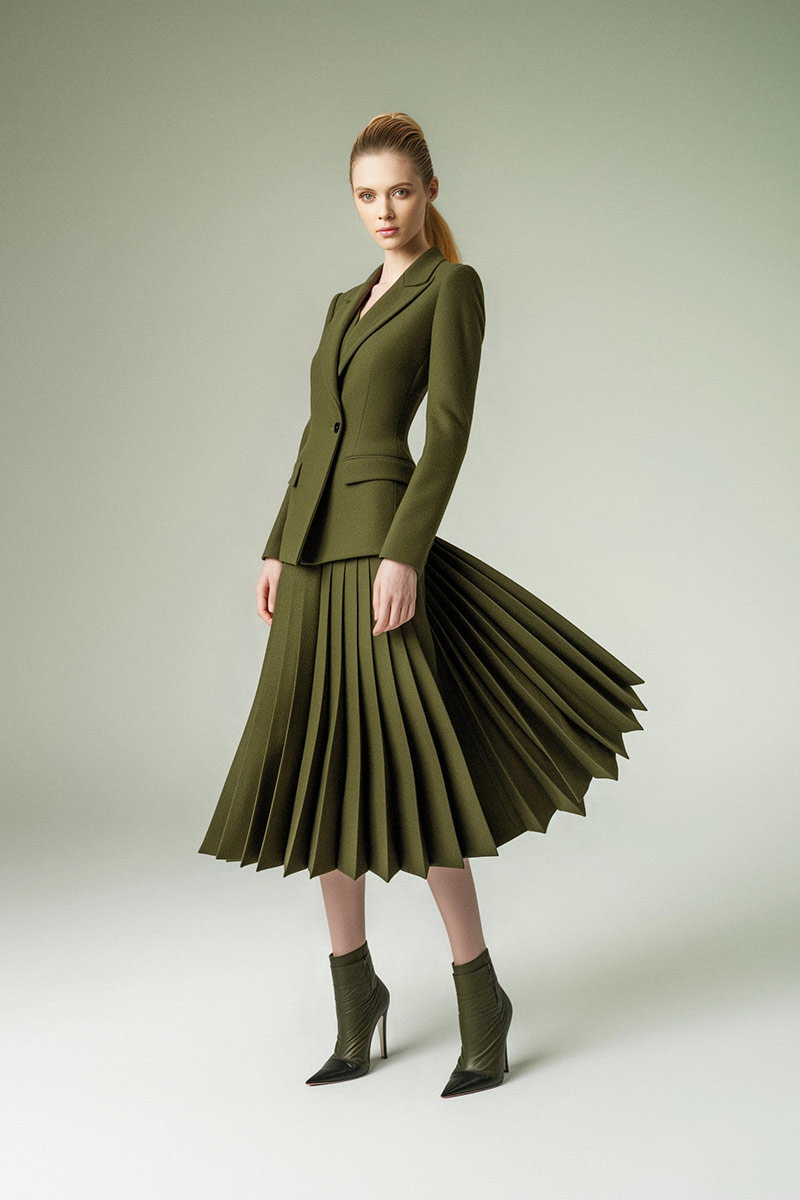
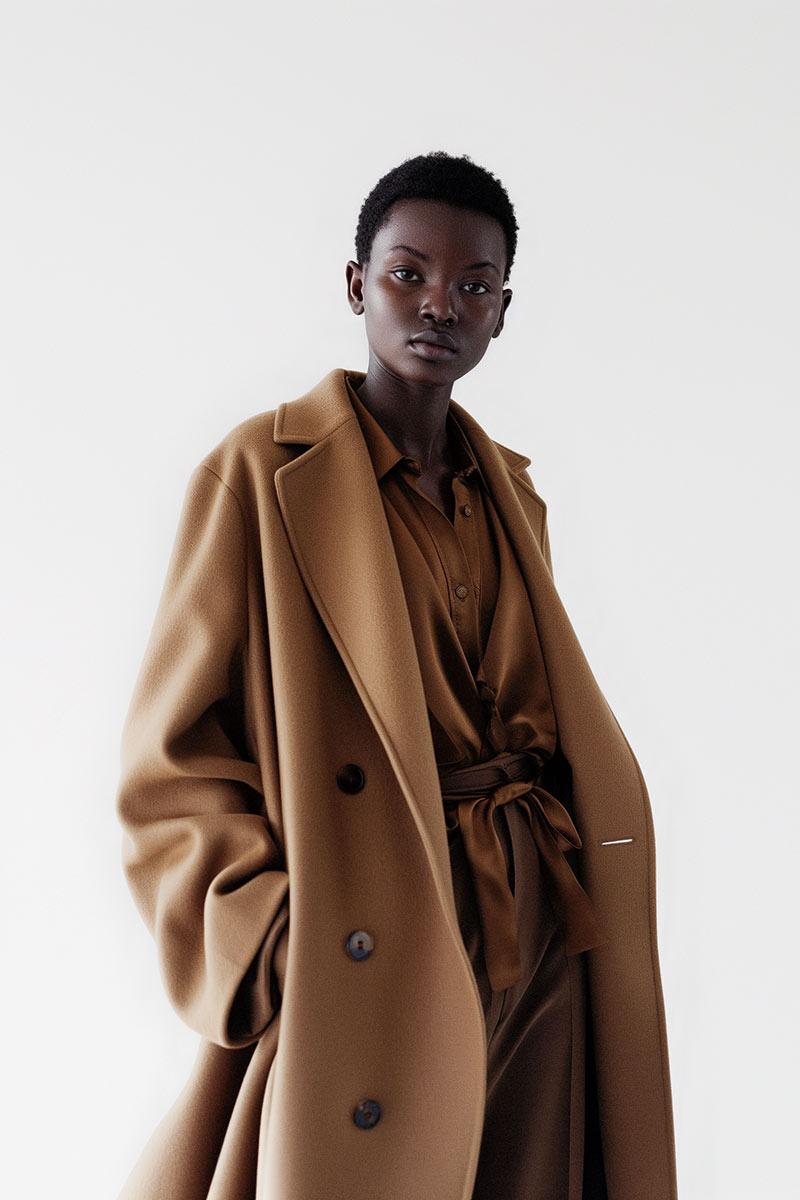
Choosing to begin a modelling career as a woman is akin to starting a journey down a confusing yet invigorating runway, full of unexpected twists and turns that constantly raise the stakes. At EyeMedia Studios in London, we understand that navigating this dynamic landscape requires not only talent but also strategic thinking and the right professional support. As specialists in diverse photography services, including professional headshots and personal photo shoots, we are committed to helping you capture your unique essence and create a standout portfolio that appeals to modeling agencies or clients.
It all starts with professional branding and a professional model portfolio. Like haute couture defines high fashion houses, professional branding is the bedrock upon which successful models build their careers. It’s more than appearances; it’s about cultivating an identity that embodies your essence and expertise while captivating your audience.
Keep Reading If You Want To Learn How To Become A Female Model!

Becoming a model is not easy, but it is worth the effort if you have the looks, athleticism, and discipline. Although creating a modelling portfolio varies depending on the professional photographer’s experience and qualifications, they generally range from £500 to £2000. You need to work hard and be dedicated to becoming a model. You need to be in good shape, practise healthy eating habits, stay away from drugs and alcohol and stay disciplined both on and offset.
Many dream of becoming a professional model, but it’s difficult to achieve. This guide provides detailed information on everything you need to know to pursue a modeling career, from the basics of what it takes to get started, to the different types of modeling available, to tips on posing for photoshoots and building a successful portfolio. With the help of this information, you’ll be well on your way to achieving your modeling dreams!
We understand that initial investment costs can be daunting for aspiring models who may consider amateur photography services for lower prices. However, remember that quality matters immensely when it comes to building an impactful portfolio; professional branding will set you apart from competitors vying for similar opportunities.
By choosing EyeMedia Studios’ expert photography services designed specifically for ambitious individuals like yourself—you invest not just in photos but also confidence knowing every shot captures professionalism combined seamlessly into artistry reflecting passion driving ambitions forward towards success within this dynamic field!
So why wait? Take control today by scheduling session us discover how together transform dreams reality one picture time!
To become a female model in the UK, start by researching reputable modelling agencies such as Storm Management, Elite London, Models 1, or Premier Model Management. Create a simple portfolio with clear headshots and full-body photos (no heavy makeup). Submit your images through agency websites or attend open casting calls. Once signed, your agency will help you get professional test shoots and apply for modelling jobs.
The requirements vary by type of modelling.
High fashion models: usually 5’8” to 6’0”, size 6–10.
Commercial models: all heights, body types, and ages are welcome.
Plus-size models: typically size 14 and above.
Confidence, professionalism, and the ability to pose naturally are just as important as looks.
Not initially. Most agencies prefer natural, unedited photos (often called “digitals” or “polaroids”). You can take these at home in good lighting with plain clothing. Once you’re signed, your agency will arrange professional test shoots or help you build a portfolio.
You can start modelling as early as age 13–14, but under-18s need parental consent. Many models start their careers in their late teens or early twenties. There’s also demand for mature models, so it’s never too late to start.
Earnings depend on experience, type of modelling, and the client.
Fashion/editorial: £100–£500 per day.
Commercial/campaigns: £500–£2,000 per day.
Freelance or part-time work: rates vary widely.
Top models and agency-signed talent can earn much more for big brands.
There are several modelling categories to explore:
Fashion/Editorial – for magazines and designers
Commercial – for advertisements and brands
Catalogue/E-commerce – online stores and product shoots
Fitness – sports brands and lifestyle
Plus-size and Curve – body-positive campaigns
Parts modelling – hands, legs, feet, etc.
Exploring different niches can help you find your best fit.
Be cautious of agencies asking for upfront fees or expensive photo packages. Legitimate UK agencies earn commission from your work, not from sign-up fees. Always check if the agency is listed with the Association of Model Agents (AMA) or has a solid reputation and verifiable client work.
Yes, you can work as a freelance model using platforms like Instagram, Model Management, or The Freelancer Club. However, having an agency often helps you access higher-paying and more professional opportunities. Freelancers should focus on networking, building a strong online portfolio, and maintaining professionalism with clients.
A strong portfolio includes:
A clean headshot
Full-body shot
Profile shot (side view)
A few styled fashion or commercial photos
Optional: runway, fitness, or creative shots
Keep your portfolio simple, current, and professional.
Be consistent with your look, stay active on social media, and show personality in your portfolio. Agencies and clients love models who are reliable, versatile, and confident. Maintain a healthy lifestyle, keep your portfolio updated, and build a professional reputation — reliability often gets you rehired.
Commercial models are used for advertising, catalogues, lifestyle campaigns, and corporate work — they have a relatable, approachable look and can be any height or size. Fashion (or editorial) models work for high fashion, luxury brands, and magazines — typically taller (5'7"+) with more striking, editorial features. Most working models do both.
Requirements vary by modelling type. Fashion/runway models are typically size 6–8, 5'7"+ and above. Commercial models can be size 8–16+ and work across retail, lifestyle, and mainstream advertising. Plus-size (or curve) modelling generally starts at UK size 14+. Body positivity is increasingly celebrated in commercial modelling across all sizes.
Start with natural, unedited "digitals" — clear photos in good lighting, plain clothing, no heavy makeup. As you progress, book professional test shoots to build more varied portfolio content. Aim for 5–10 strong images covering different looks. Your portfolio should evolve as your career develops.
You can start modelling as early as 13–14 with parental consent. Many models begin in their late teens. However, there is increasing demand for mature models (40+) in commercial and lifestyle advertising. The fashion industry is broadening its age representation significantly.
Top UK agencies include: Storm Management, Elite London, Models 1, Premier Model Management, and IMG UK. Research agencies, check their roster of currently represented models, and apply through their official website. Never pay upfront fees — legitimate agencies earn commission from your earnings.
Yes. The modelling industry increasingly celebrates unique and diverse looks. Freckles, birthmarks, unique facial features, and different body types are often sought after for commercial campaigns. The key is confidence and the ability to take direction.
Paths include: fashion editorial, commercial print, catalogue, fitness, plus-size/curve, mature, child (with parental consent and strict regulations), trade show/brand ambassador, promotional modelling, and influencer/content creation. Most successful models develop a niche while maintaining versatility.
For initial digitals and agency applications, natural-looking makeup is best — you want agencies to see the real you. As your career develops, professional makeup for test shoots and portfolio images adds polish. Some photographers include basic makeup in their session fee — check before booking.
Prepare your skin, hair, and outfits. Get plenty of sleep the night before. Hydrate well. Bring a variety of outfit options. Go in with a positive, open attitude and be ready to take direction. Your photographer and the rest of the team will guide you — trust the process.
Agencies discover models through: direct website submissions, social media (especially Instagram), open casting calls, talent scouts at events, model search competitions, and referrals from photographers or other models. Strong social media presence dramatically increases your chances of being discovered.
Key points: commission rate (15–20% is standard), contract length, exclusivity clauses (territorial and category), image rights ownership, minimum earnings guarantees, and cancellation terms. Never sign immediately — take time to read and understand every clause. Ask a parent or legal professional if you're unsure.
Create a professional Instagram account with your name or a professional handle. Post consistently — high-quality photos, short videos, behind-the-scenes content from shoots. Use relevant hashtags (#ukmodel, #modelsearch, etc.). Engage with agencies and brands. Tag modelling agencies in appropriate posts. Never post content that could damage your professional image.
Modelling schools are NOT required to become a model — they can be helpful for developing posing skills, runway walk, and professional etiquette, but they are not a substitute for a strong portfolio and good agency representation. Before paying for any school: research reviews, check if they have track records of getting models signed to real agencies, and be wary of any school that promises instant success.
Alternatively, CLICK the WhatsApp bubble on the bottom left of the screen to get in touch with WhatsApp.