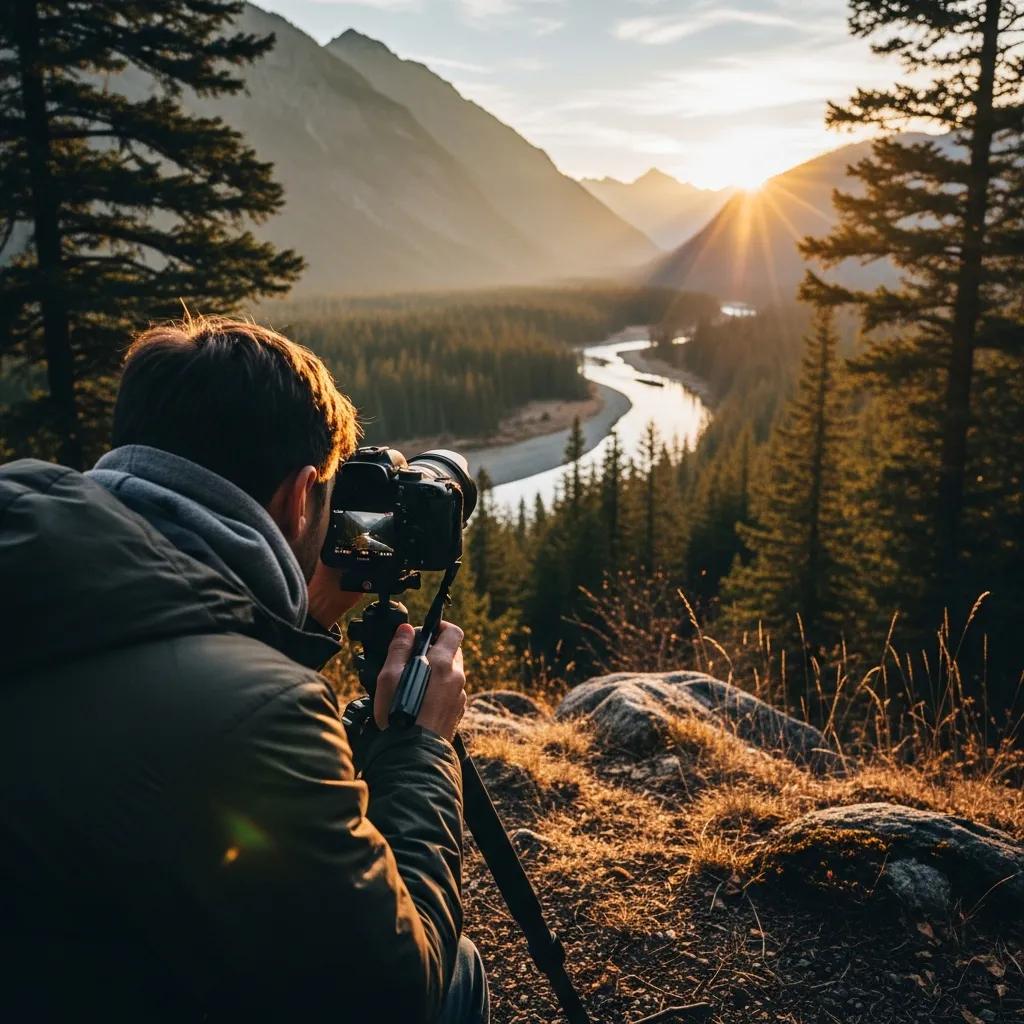
Copyright matters for everyone involved in making and using images. Knowing the basics — who owns a photo, how licences work, what moral rights protect creators, and when you need model releases — helps photographers and clients avoid costly mistakes. This guide walks through the practical points of UK photography copyright so you can protect creative work and use images with confidence.
UK copyright law — principally the Copyright, Designs and Patents Act 1988 — normally gives copyright to the person who created the photograph, usually the photographer. That automatic ownership sets out who can licence, reproduce or assign the image, so it’s important for both photographers and clients to know where rights start.
As soon as a photograph is taken, copyright exists and belongs to the photographer — there’s no registration process required in the UK. That means the photographer has the exclusive rights to copy, distribute and show the image unless those rights are lawfully transferred. This automatic protection stops others from using the work without permission and gives the creator control over how their images are used.

Ownership depends on the context. For commissioned shoots the photographer usually keeps copyright unless a written agreement transfers it to the client. For images taken by an employee during their employment, the employer will normally own the copyright. Clear contracts are essential: clients and photographers should spell out who owns what and how images may be used to prevent disputes later. Intellectual property law is crucial in these scenarios.
Licences are how photographers grant others permission to use images under defined conditions. For commercial projects it’s particularly important to pick the right licence and make the terms clear — scope, duration, territory and permitted uses all affect how an image can be exploited and monetised.
Common licence types include commercial (broad marketing and advertising use), editorial (non-commercial use such as news or commentary), and rights-managed (specific limits on duration, geography and distribution). Each option carries different freedoms and restrictions, so businesses should choose the licence that matches their intended use and budget, considering intellectual property law.
Licence terms determine where, how long and for what purpose an image may be used — and whether it can be reused, modified or sublicensed. A commercial licence will usually allow advertising; an editorial licence will not. Photographers should explain licence limits clearly and put them in writing, and clients should check terms before deploying images to avoid infringement or unexpected costs.
Beyond economic rights, photographers have moral rights that protect their personal and reputational interests in their work. The two most relevant are the right to be identified as the author (attribution) and the right to object to derogatory treatment that harms their honour or reputation in accordance with intellectual property law.
Attribution ensures photographers receive credit where it’s due. The right to object to derogatory treatment prevents uses or edits that misrepresent the creator’s intent or damage their reputation. These rights help preserve the professional integrity of the photographer and the meaning of the work.
Clients must respect moral rights when using images: credit photographers where required and avoid alterations that could be viewed as derogatory. Contracts should set out expectations on attribution and edits to reduce the risk of disputes and maintain a professional working relationship.
Prevention and preparedness are both important. Using practical safeguards and understanding the steps to take if an image is used without permission will help protect commercial value and reputation.
Watermarks are a visible deterrent and help identify images in informal reuse situations. Embedding metadata with copyright and contact details provides a persistent record of ownership and intended usage. Combined with a disciplined filing system and clear licence notices, these measures reduce accidental or intentional misuse.
If someone uses an image without permission, common responses include sending a cease-and-desist, negotiating a licence retrospectively, or pursuing a copyright claim and damages where appropriate. Knowing your options and keeping evidence — timestamps, licence agreements and usage records — strengthens any enforcement action.

Model releases give photographers and clients the legal permission to use images of people for commercial purposes. They clarify consent, usage scope and any payment or restrictions, reducing the risk of privacy or publicity claims later on.
Consent is required for commercial uses such as advertising, promotional materials or product marketing. Editorial or news uses may not always need a release, but when in doubt — or when the image will be used commercially — secure a signed release to avoid legal exposure.
Keep releases simple, clear and specific: state the permitted uses, any compensation, duration and territorial limits. Store signed releases alongside the image files and reference them in client agreements so everyone can verify permission for commercial deployment.
Here are concise answers to frequent queries that help clarify copyright basics for photographers and clients alike.
No — UK copyright is automatic on creation and there’s no formal national registration system. Photographers who want additional evidence of ownership can use third‑party deposit services, trusted custodians or timestamping tools to create a record they can rely on if ownership is contested.
Copyright in photographs generally lasts for 70 years after the death of the photographer. That long term protects the creator’s estate and ensures licensing and inheritance considerations are accounted for well after publication.
Contracts should be explicit about copyright ownership, licence scope, usage restrictions, fees and payment terms. Also cover moral rights where relevant (attribution and modifications), delivery formats, usage duration and any model or location release confirmations. Clear written agreements reduce the chance of misunderstandings.
No. Using an image without the right licence or permission typically amounts to copyright infringement and can expose the user to claims for damages, removal of the content and legal costs. Always secure a licence or written permission before using images beyond private viewing.
Consequences can include financial damages, injunctions to stop the use, legal costs and reputational harm. Many disputes start with a demand to remove the image and negotiate a licence or settlement — but serious or repeat infringements can lead to court action involving intellectual property.
Enforcement begins with monitoring use, documenting unauthorised copies, and contacting the infringer to seek removal or a licence. If informal steps fail, photographers can issue formal legal notices and seek damages through the courts. Evidence such as timestamps, original files and intellectual property contracts will strengthen any claim.
A clear copyright notice (e.g., © Photographer Name) signals ownership and can deter casual misuse. While not required in the UK, it’s a helpful reminder and can support claims by showing the creator intended to assert their rights.
Yes — the UK allows limited exceptions under fair dealing for purposes like criticism, review or education. These exceptions are narrowly defined, so assume you need permission for most commercial or promotional uses unless you’ve confirmed an exception applies.
Knowing how copyright, licences, moral rights and model releases work in the UK helps photographers protect their work and enables clients to use images legally and confidently. Put clear contracts and permissions in place, use basic protections like metadata and releases, and seek advice when rights are unclear. For more practical templates and guidance, explore our resources and best-practice tips.