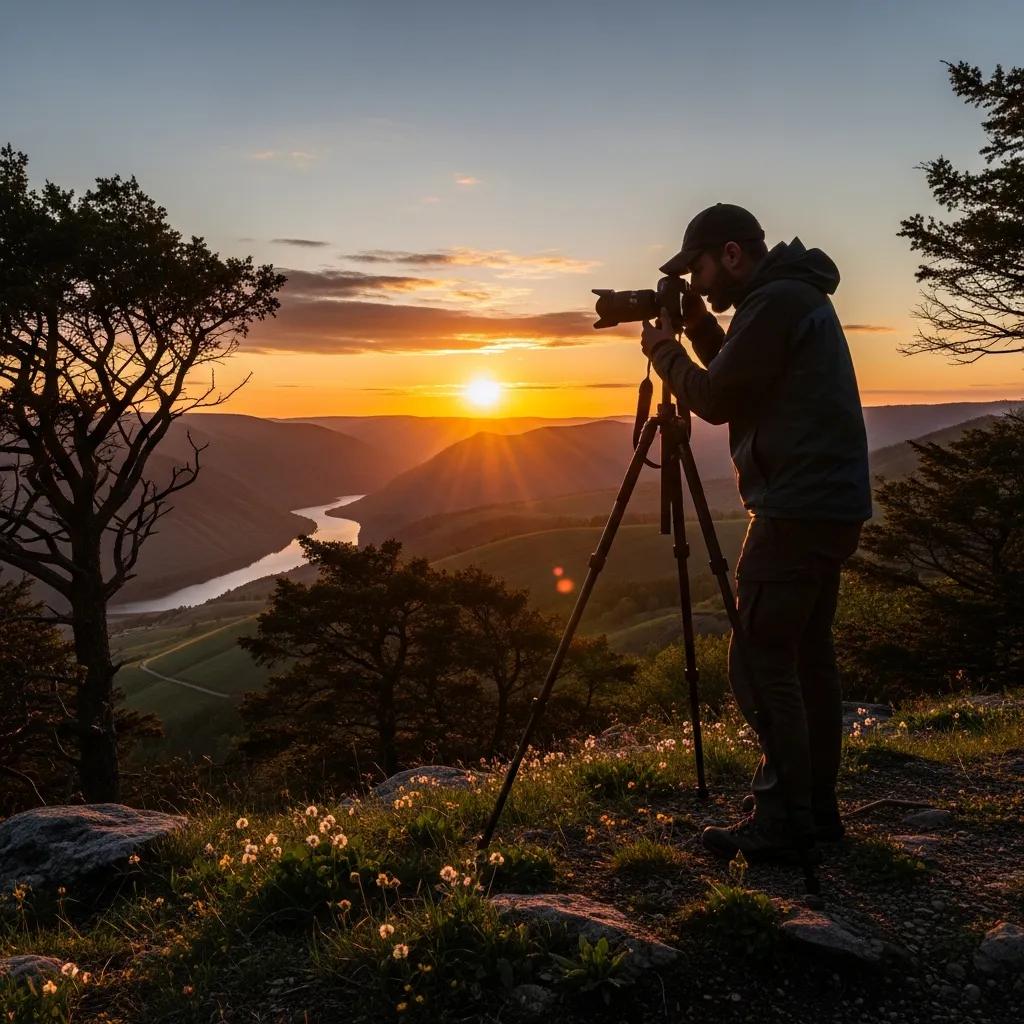
Finding your photography style is a process — part self-discovery, part experiment. This guide walks you through recognising your artistic priorities, trying different genres, and shaping a body of work that feels uniquely yours. Many photographers feel lost amid so many techniques and directions; by narrowing your focus, testing ideas and refining what excites you, you’ll build a clearer, more marketable style. We’ll cover what artistic vision means, how different genres communicate ideas, practical steps to develop your approach, how to present that style in a portfolio, and how to book a hands‑on session in London to refine your craft.
This guide comes from EyeMedia Studios, a London photography studio with over 15 years’ experience helping photographers grow creatively and professionally. Our team of award‑winning photographers and tutors share practical, field-tested advice aimed at helping you find and strengthen your photographic voice. These tips are rooted in years of client work, teaching and creative practice.
Your artistic vision is the personal point of view you bring to an image — the recurring themes, moods and messages that run through your work. It determines how you see subjects, choose compositions and use light and colour. A clear vision helps you make consistent creative choices and produces cohesive bodies of work that connect with viewers and clients.
Your vision shapes every decision: what you photograph, how you frame it, and the techniques you favour. A photographer drawn to romantic storytelling will lean toward soft light and intimate framing, while someone focused on documentary work will prioritise candid moments and narrative detail. Life experience, cultural background and emotional response to subjects all feed into your vision, producing styles that are personal and varied.
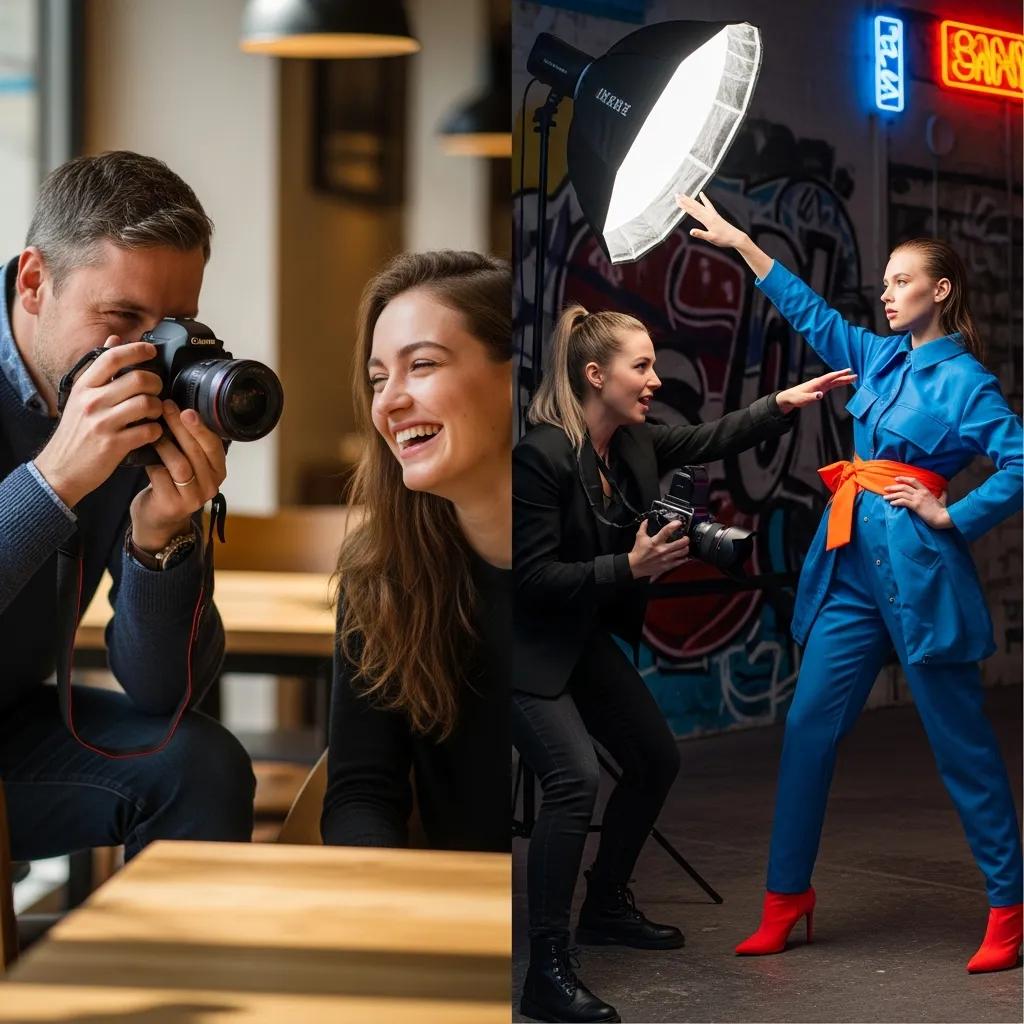
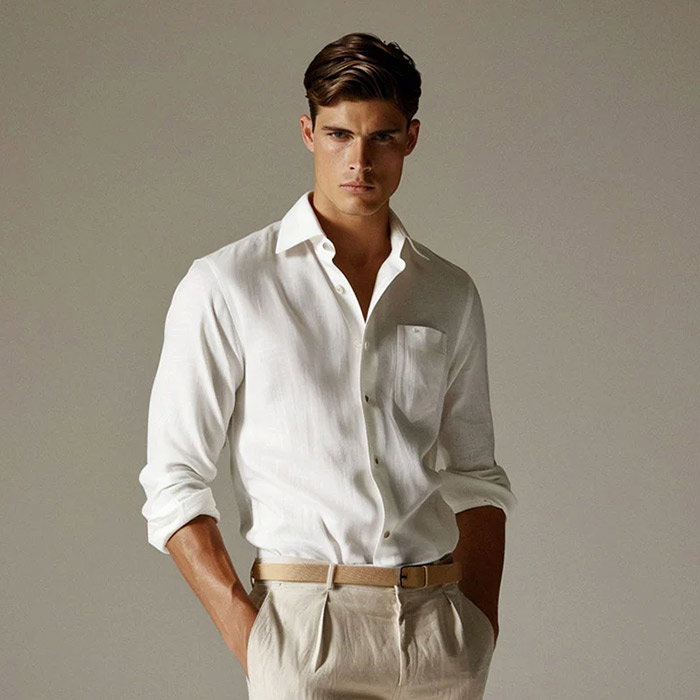
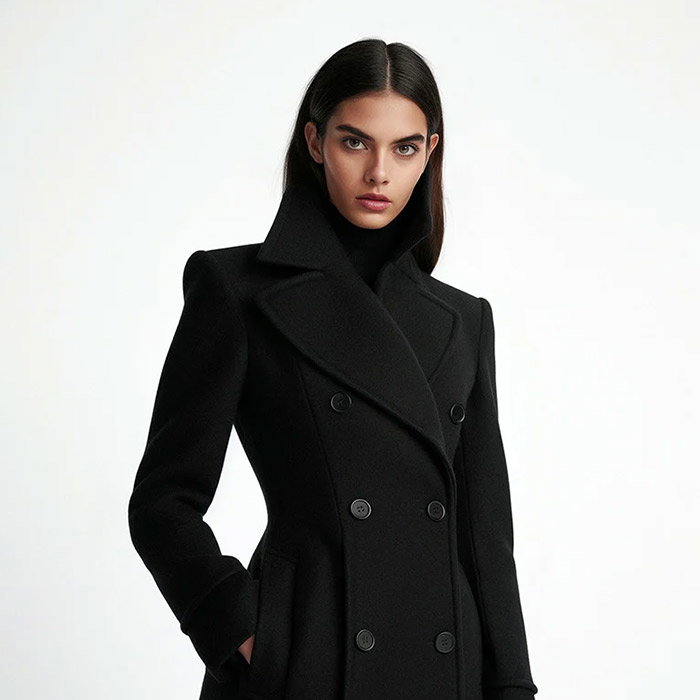
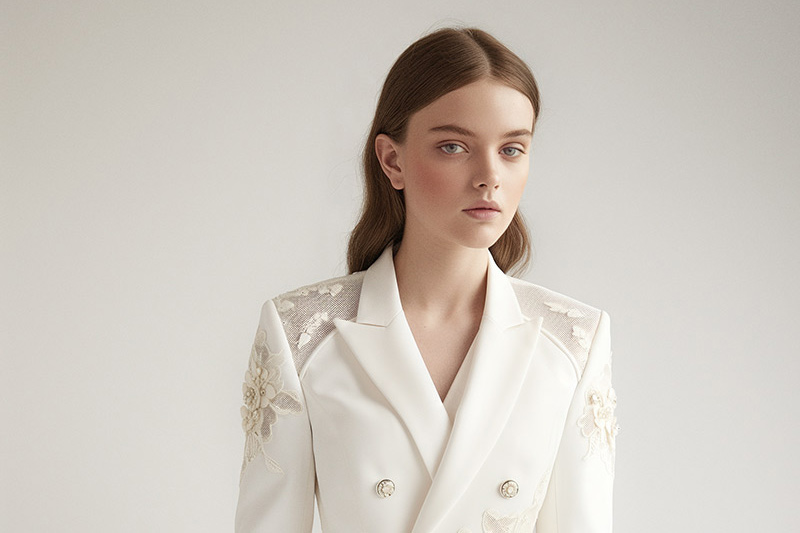
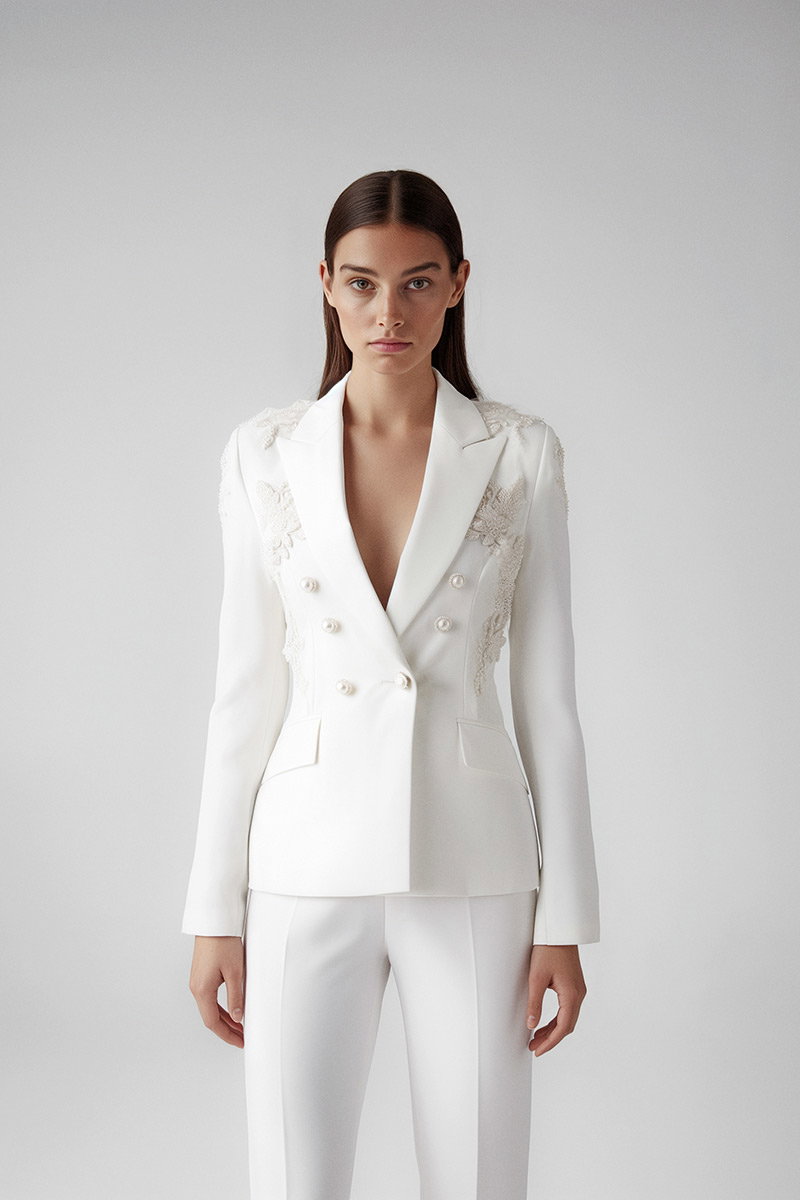
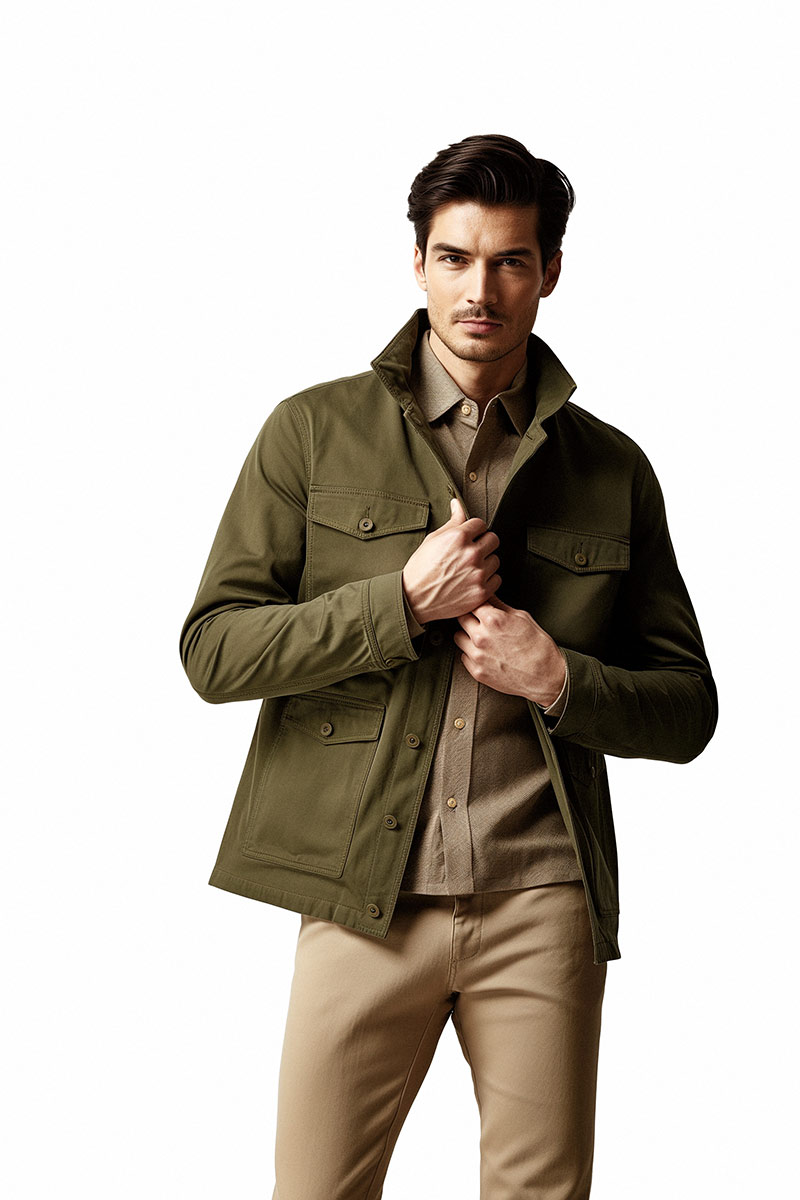
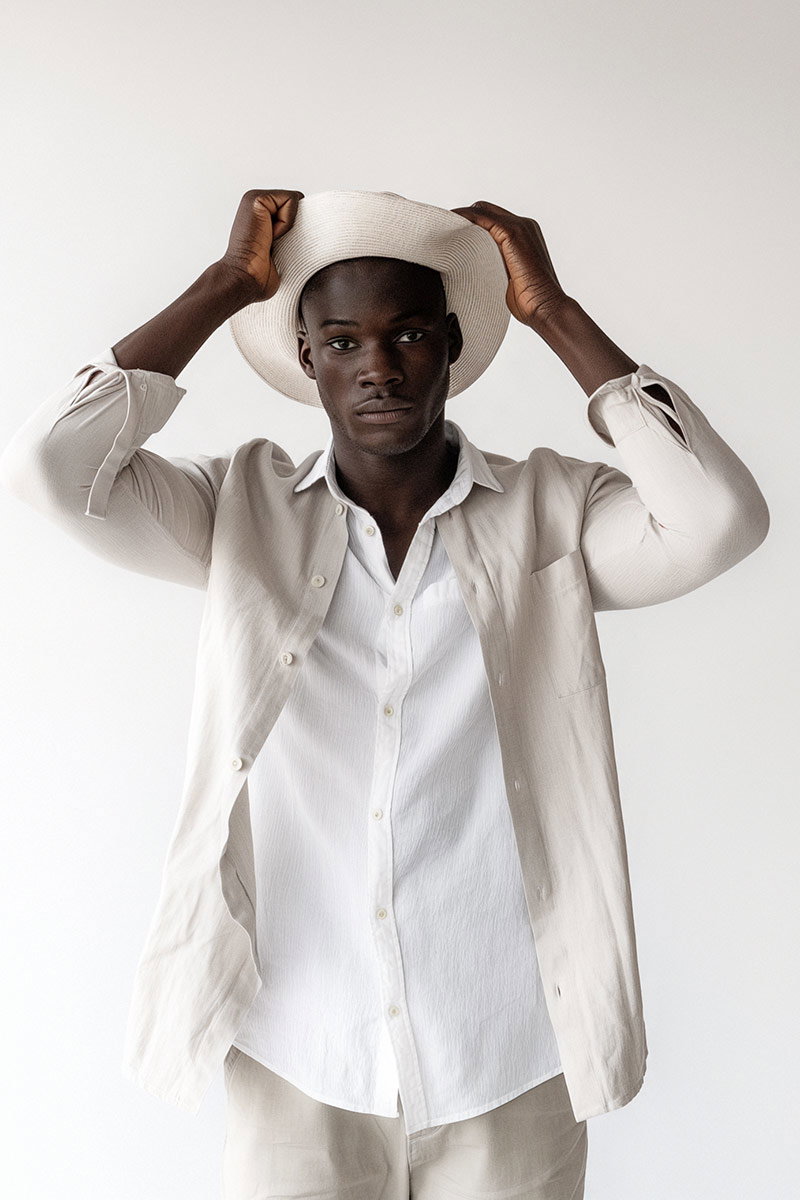
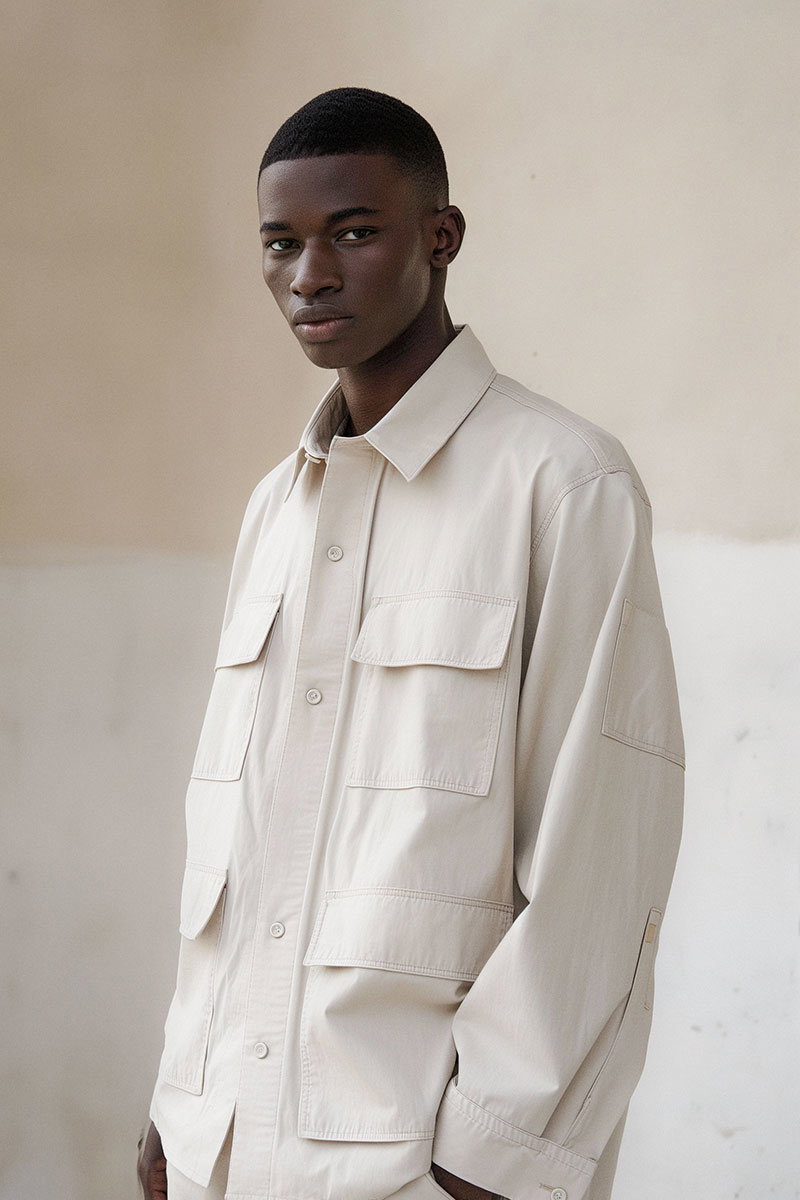
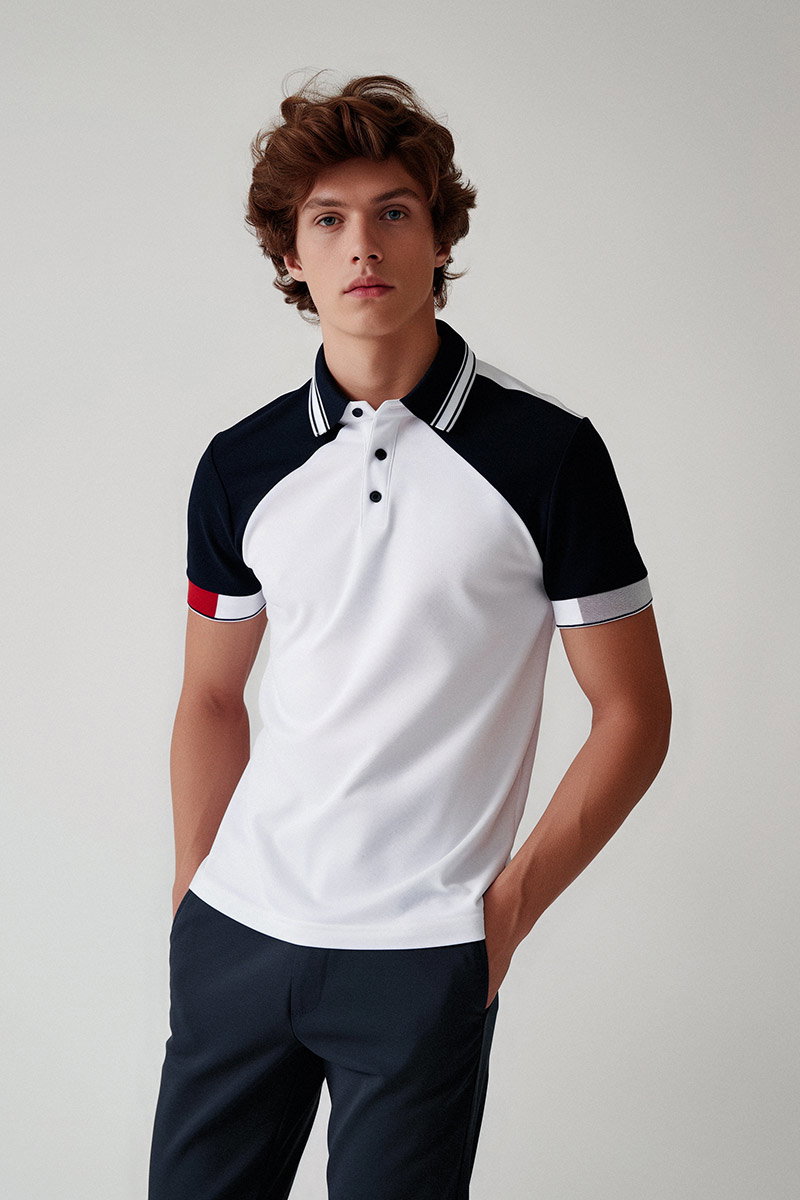
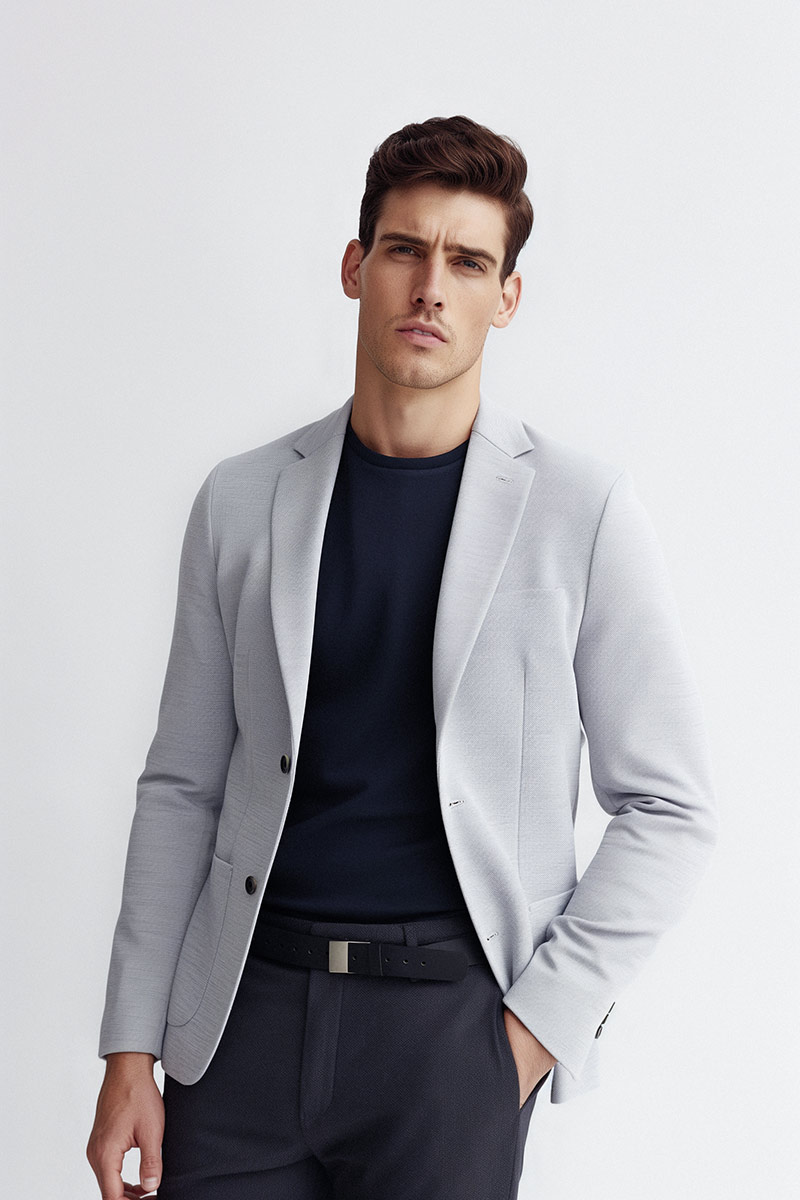
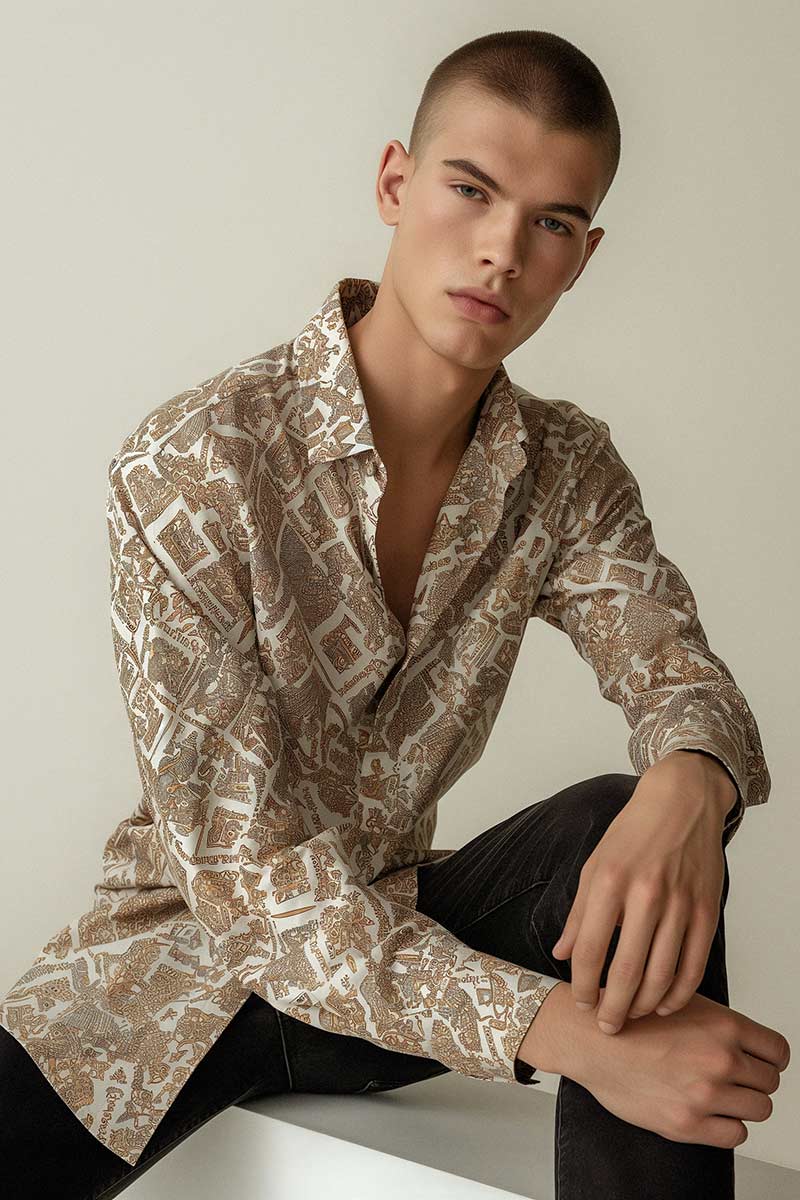
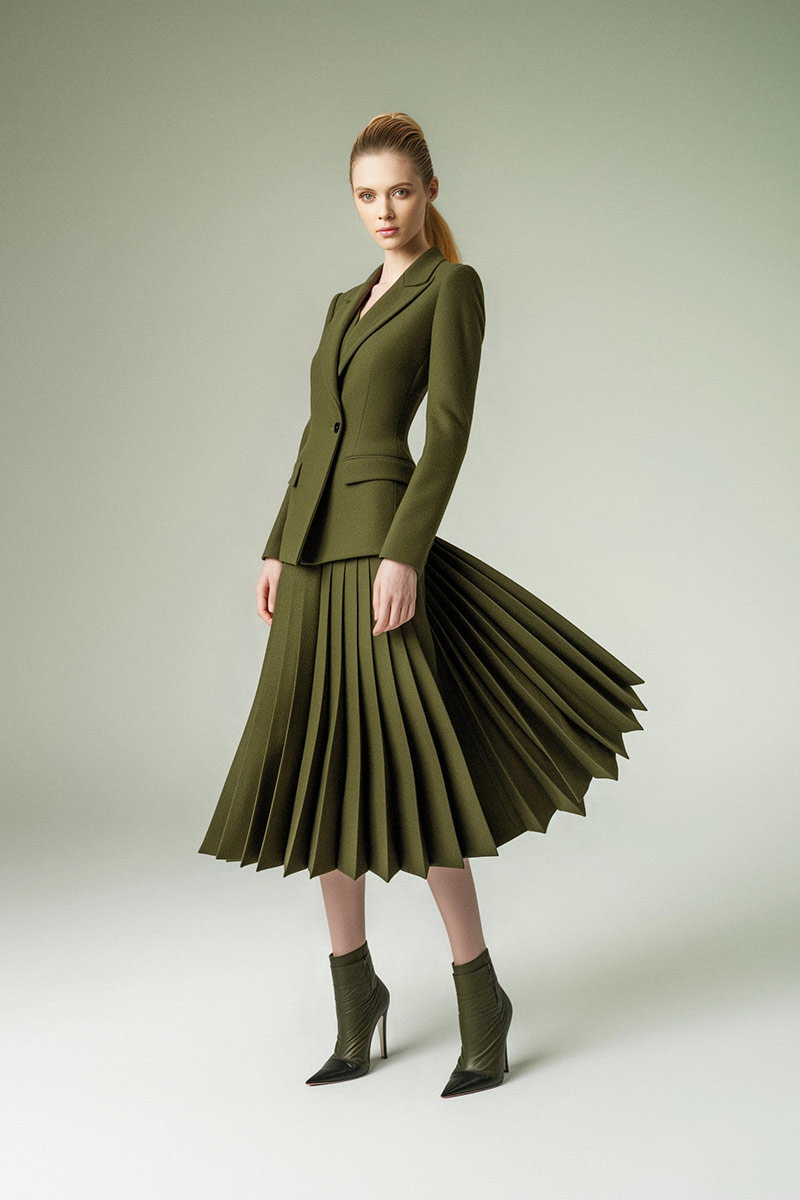
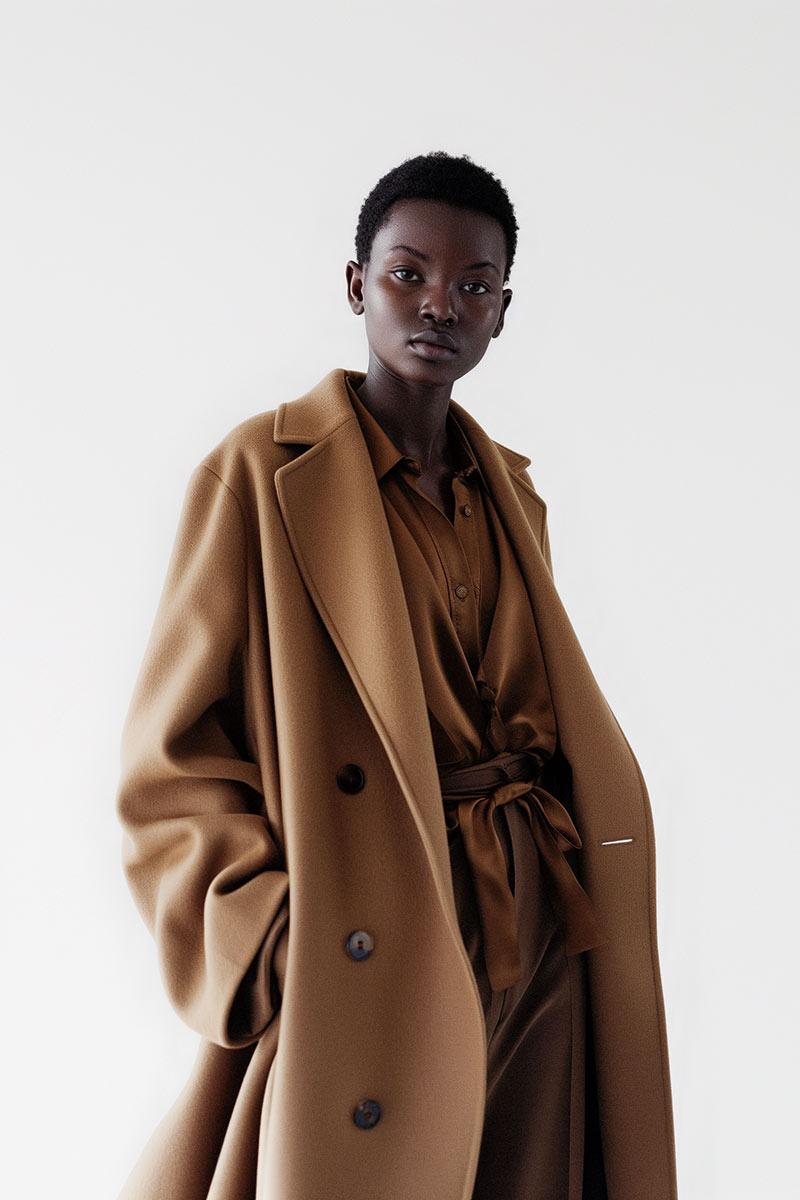
Different genres allow different ideas to flourish. Portrait work emphasises connection and emotion; it’s ideal for photographers who want to explore personality and story. Fashion photography offers room for stylised, bold visuals and creative production. Commercial photography focuses on clear visual messaging to support brands and campaigns. Identifying genres that resonate with your vision helps you direct your practice and your portfolio.
Sampling multiple genres is a practical way to discover what feels right. Each genre teaches different technical skills and storytelling methods — trying them out reveals which approaches suit your instincts and which don’t.
Each genre has its own priorities and techniques:
Knowing these traits makes it easier to spot which genre matches your creative aims.
Lighting and editing carry the tone of an image and differ by genre. Portrait photographers often favour soft, flattering light and gentle retouching; fashion work may use high-contrast setups and stronger colour grading to create drama; commercial shoots usually aim for clarity and brand-consistent colour. Learning how each genre treats light and post-production will expand your toolbox and help you adapt your style intentionally.
These exercises encourage experimentation and often lead to meaningful shifts in your approach.
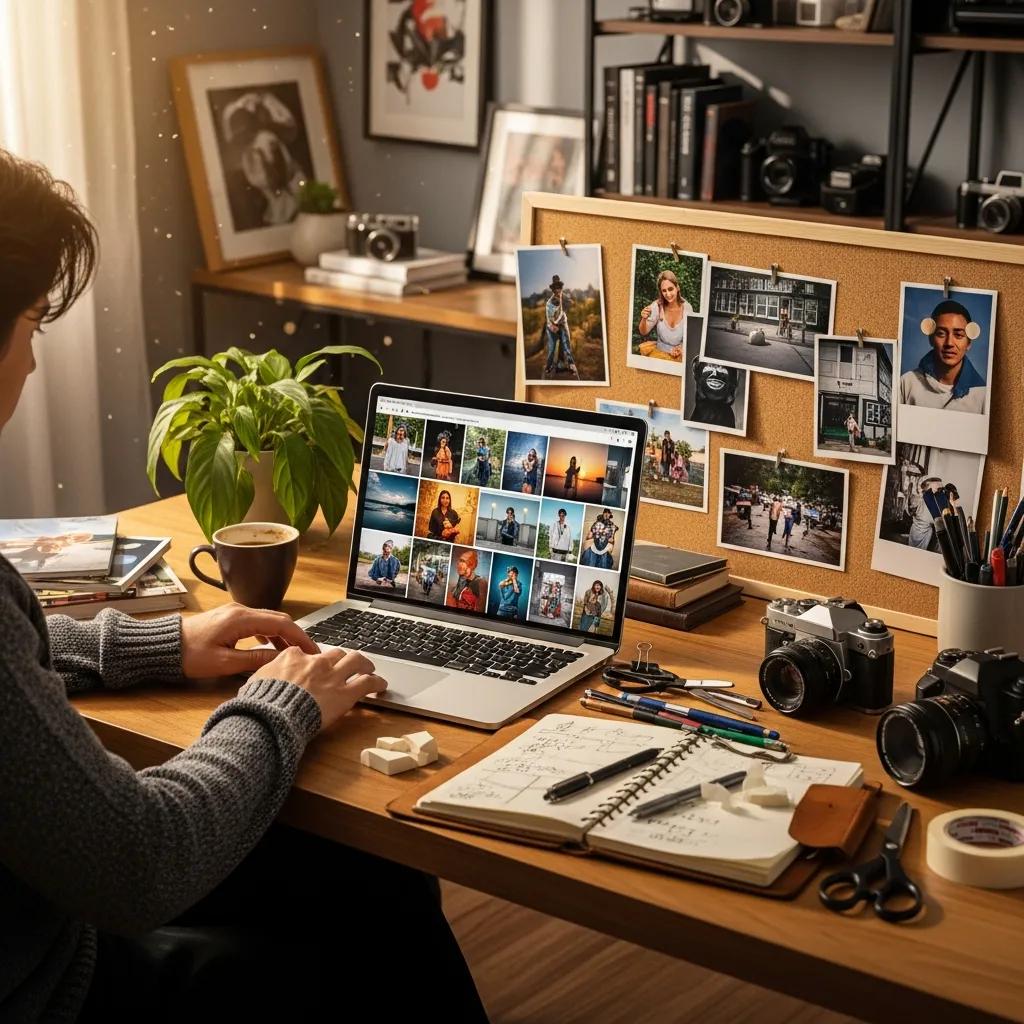
Try focused exercises — shoot the same subject in different lights, or edit a set of images using varying colour treatments — to see what consistently appeals to you. Curate a portfolio that highlights your strongest, most cohesive work: a well-edited selection clarifies your voice for clients and collaborators and accelerates your creative growth.
Your portfolio is the clearest statement of your style. It’s how clients and peers understand what you do and the kind of work you want to be hired for. Presenting a consistent visual narrative helps you attract projects that fit your vision and strengthens your professional identity.
Client stories and case studies add context and credibility. They show the thinking behind your images, the brief you worked to and the results achieved. Including short testimonials or behind-the-scenes notes helps potential clients imagine working with you and demonstrates the practical value of your approach.
Choose images that share common threads — whether it’s colour, composition or subject matter — and sequence them so the portfolio reads like a short story. Consistency, not sameness, is key: let variation sit within a recognisable visual language so viewers can quickly grasp what makes your work distinct.
A personalised session is collaborative and practical. Expect a conversation about your goals, reference images and the techniques you want to try. Sessions are designed to experiment safely, receive professional feedback and leave you with images that point clearly toward your developing style.
At EyeMedia Studios we run tailored sessions that combine hands‑on shooting with constructive critique. Our photographers guide you through lighting, posing and post‑production choices so you can test ideas, learn what works and build confidence in your aesthetic decisions.
Common hurdles include self-doubt, comparing yourself to peers, and feeling overwhelmed by choices. Market demands can also pull you away from personal work. The antidote is steady practice, structured projects, and accepting that mistakes are part of discovering what truly fits you.
Start by collecting images, photographers and artists that move you. Build a mood board and note which elements keep appearing — composition, colour, mood, subject matter. Reflect on why those elements resonate and let them guide experiments that feel authentic to you.
Feedback is vital. Constructive critique helps you see patterns you might miss and pinpoints technical or narrative gaps. Join critique groups, workshops or seek mentors; balanced input accelerates refinement while preserving your creative intent.
Set small, achievable goals — finish a themed project, try a new lighting setup, or post consistently for a month. Surround yourself with supportive peers, revisit images that inspire you and celebrate incremental progress to keep momentum.
Market your style by showcasing a focused portfolio, sharing process and finished work on social platforms, and networking both online and locally. Consistent branding and storytelling help clients recognise your niche and remember your work.
Clear communication is key. Discuss your approach with clients up front and find shared priorities. Where appropriate, adapt your signature elements to meet brief requirements so you deliver on the client’s needs while keeping your creative voice intact.
EyeMedia Studios is a London-based photography studio focused on helping photographers and brands grow. Our team of award-winning creatives and industry professionals offers hands‑on mentoring, thoughtful feedback and practical techniques to help you evolve your craft. We’re committed to helping you find a clear visual voice and achieve your creative goals.
Finding your photography style is a gradual, rewarding process. By trying genres, running focused projects and curating a clear portfolio you’ll refine what makes your work yours — and make it easier for clients to find you. If you’re ready to accelerate that process, book a personalised session with EyeMedia Studios to explore techniques, receive expert feedback and move your artistic vision forward.
Contact us for personalised guidance and to book your session.