Photography pricing can feel confusing, especially in a busy market like London. This guide breaks down the common pricing models photographers use, highlights the main cost drivers, explains how EyeMedia Studios prices its services, and offers practical tips for comparing quotes. Read on to understand what to budget for and why professional photography is an investment that often pays back in visibility and credibility.
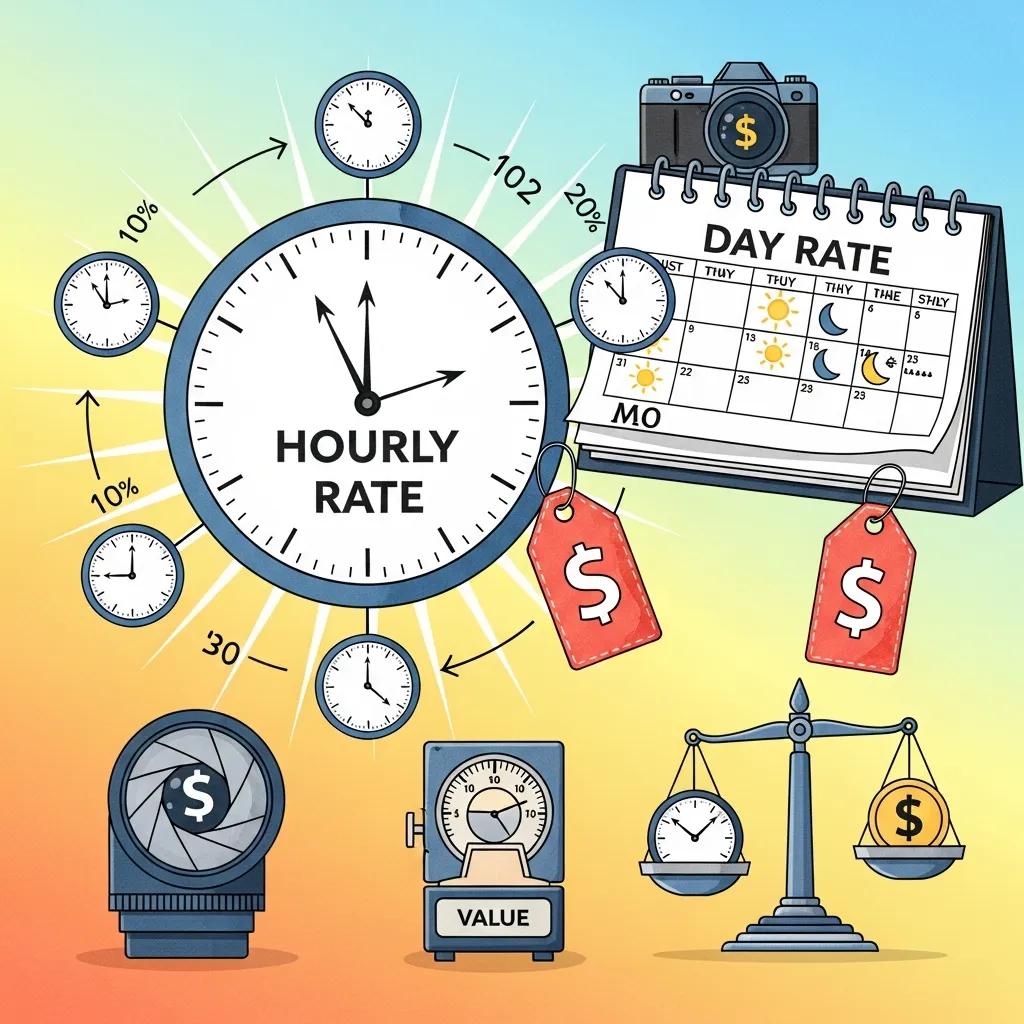
Photographers price their work in a few standard ways. Knowing the differences helps you pick the best option for your project. The most common models are hourly rates, day rates, project-based fees and packaged deals. Each has pros and cons depending on the scope, timeline and deliverables you need, including value for money.
Hourly and day rates are simple: you pay for the photographer’s time. Typical hourly rates in London range from £60 to £150, depending on experience and shoot complexity. Day rates—often between £400 and £1,200—usually offer better value for longer shoots. Consider how long setup, shooting and wrap-up will take when choosing between hourly and day pricing.
Project-based pricing is a flat fee for an agreed scope—handy if you want a predictable total cost. Package deals bundle services (for example, shooting plus editing) at a set price and can be good value. Licensing fees come into play when images are used commercially; they vary widely depending on usage, territory and duration. Clarifying licensing up front prevents surprises later.
Several factors shape photography costs in London. The photographer’s experience, the quality of equipment, and the shoot location are major contributors. Understanding these will help you evaluate quotes and choose the right level of investment for your needs.
Experience matters. Photographers with established portfolios charge more because they bring reliability, problem-solving and a refined visual style. Higher-end cameras, lenses and lighting also increase costs, but they deliver clearer, more polished results—often worth it for professional use. Weigh these benefits against your budget and the purpose of the images.
What role do location, post-production and usage rights play in pricing?
Location can add travel time, parking, congestion charges or permit costs—all of which affect the price. Post-production (editing and retouching) is another cost driver, particularly for commercial work that requires precision. And licensing — the explicit permission to use images in specific ways — is often a separate fee. Always confirm who owns the images and how you’re allowed to use them.
At EyeMedia Studios we’re storytellers who use photography to give people and brands a clear, confident visual voice. Serving London clients across industries, our photographers combine creative vision with technical skill and deep local knowledge. Our focus is simple: deliver images that work for your goals and make the process straightforward and enjoyable.
We value clear communication, professionalism and a client-first approach. From the first brief to final delivery we guide you through choices and timings, so you always know what to expect. Our kit and post-production workflow are chosen to produce sharp, impactful images that perform online and in print.
Our pricing is designed to be straightforward and to match different client needs. Below is an overview of starting prices and what’s included for common services. If your project needs something different, we’ll give a tailored quote so you only pay for what you need.
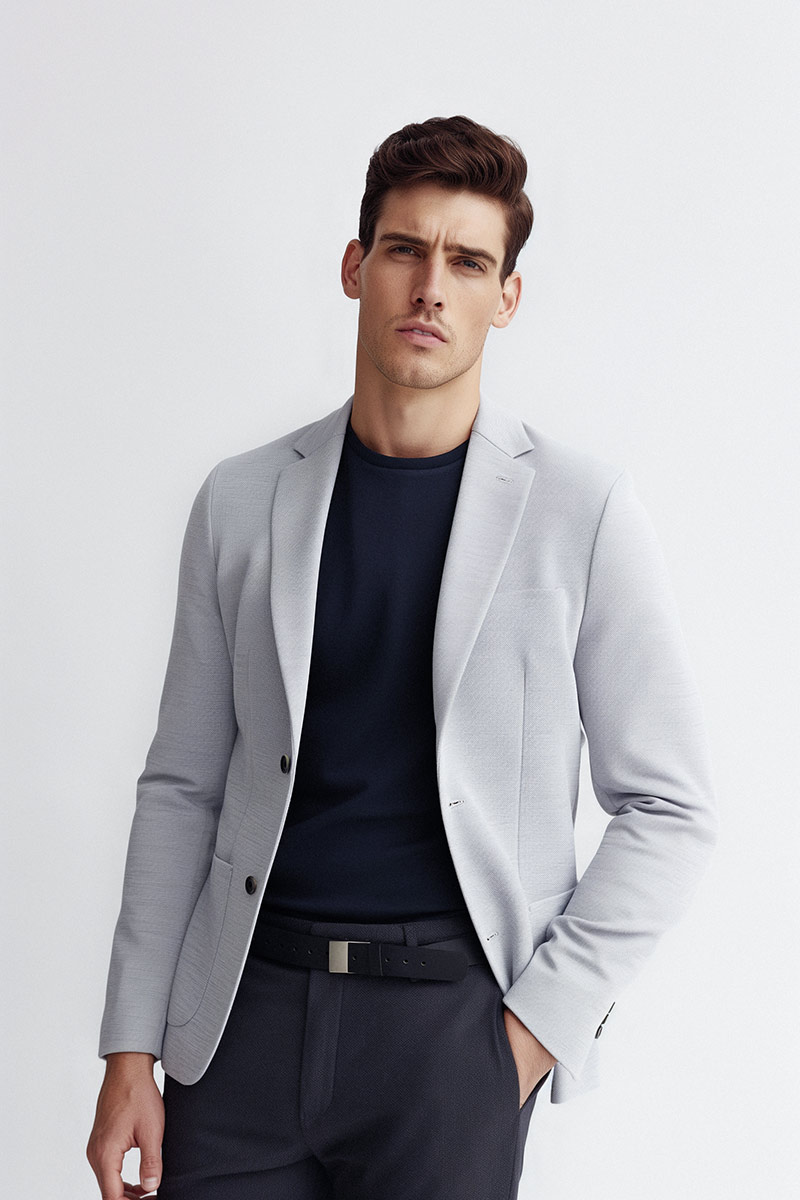
Individual headshots start at £150 and include a one-hour session plus two retouched images—perfect for personal branding, LinkedIn or CV use. For corporate headshots we start at £350 for a two-hour session, five retouched shots and group photos where needed. These packages are built to help individuals and teams present a consistent, professional image and provide value for money.
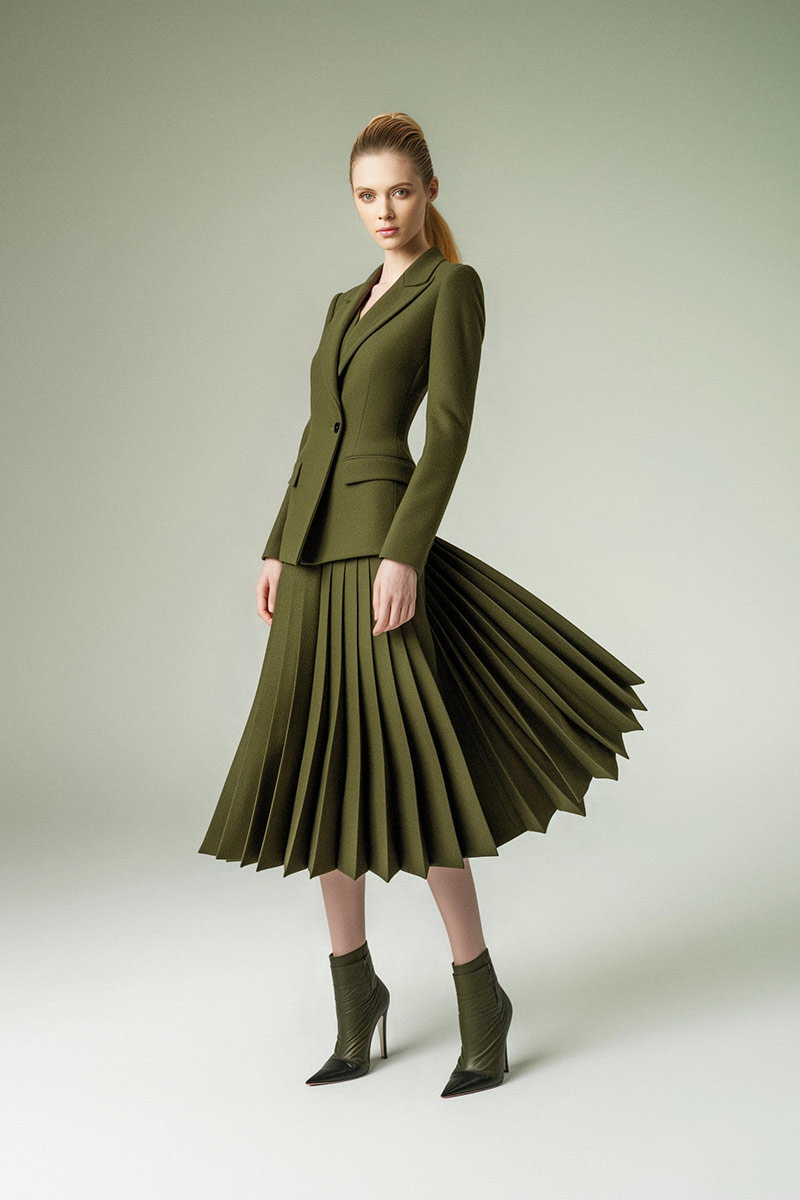
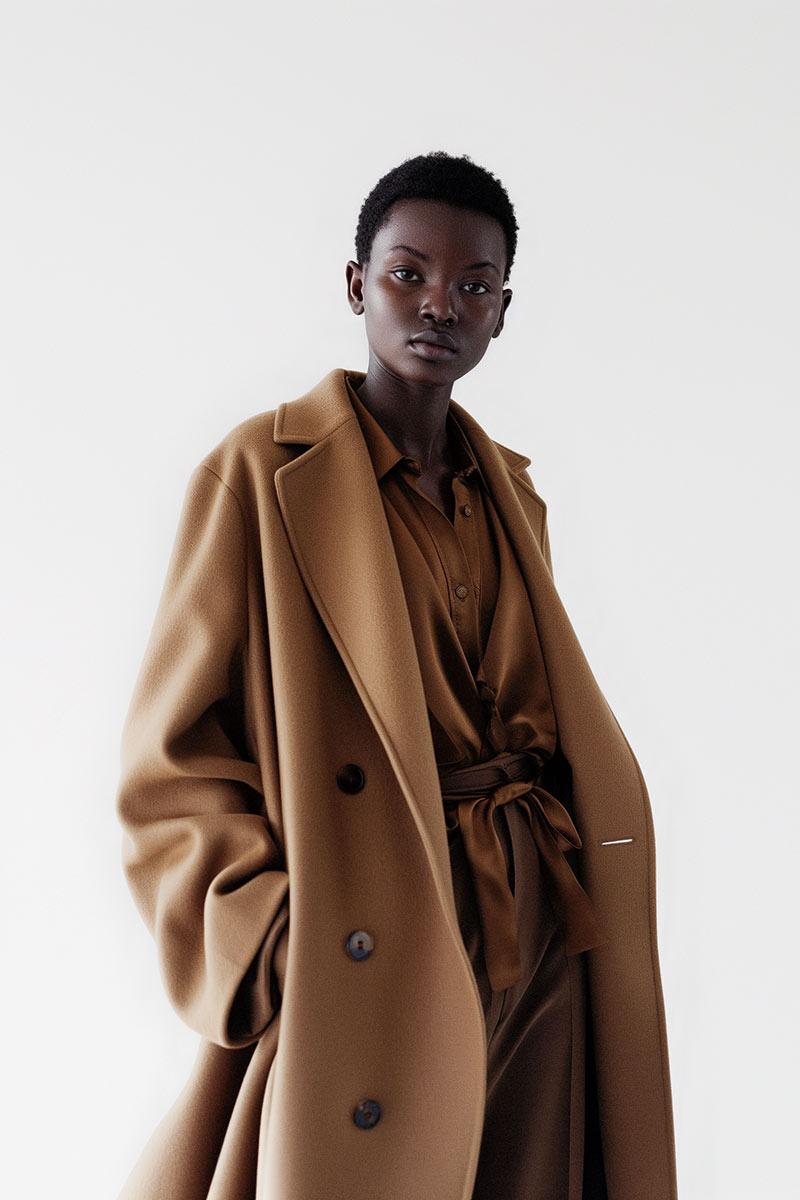
Corporate event coverage starts at £900 for a full day, with all key photos edited and delivered. E-commerce shoots begin at £250 for 20 product images with basic editing to make products look their best. Modeling portfolios start at £600 for a three-hour session and ten retouched images—designed to give aspiring models a strong, market-ready set of photos.
Professional photography pays off in visibility, trust and clarity of message. Whether you’re building a personal brand or selling products, well-made images help you stand out and connect with your audience. Good photography is an investment that supports long-term goals—marketing, recruitment, sales and reputation. This investment provides value for money.
Strong headshots and portfolio images signal competence and attention to detail. In competitive fields, professional photos can open doors—whether it’s a recruiter noticing your profile or a client responding to your website. Many clients tell us a polished image immediately improved their opportunities.
For businesses, high-quality imagery improves marketing performance and can increase conversion rates. Products with clear, attractive photos sell better; campaigns with professional visuals look more credible. Over time, consistent photography strengthens brand recognition and delivers measurable return on investment.
Reading quotes becomes easy once you know what to look for. A good quote lists what’s included, any extra fees (travel, editing, licensing) and clear delivery timelines. Look for transparency in the contract—cancellation terms, payment schedule and ownership or licensing details matter.
When reviewing a quote, check that all costs are itemised, including fees for travel, extra edits or rush delivery. Make sure cancellation and rescheduling policies are clear, and confirm what you’ll receive (number of final images, file types, and delivery method). A transparent quote reduces the chance of unexpected charges, including a cost breakdown.
How do payment schedules and deliverables affect your investment?
Photographers often ask for a deposit to secure a date, with the balance due before final delivery or on the day. Some offer staged payments for larger projects. Confirm delivery timelines and the exact number of edited images—knowing these details helps you plan and ensures the final product meets your needs.
Don’t choose based on price alone. Review portfolios to ensure the photographer’s style matches your vision. Check relevant experience—corporate events, product shots or model portfolios require different skills. Read reviews and ask about turnaround times and licence terms. Clear communication and a collaborative attitude are just as important as value for money.
Preparation pays off. Discuss your goals and share reference images with the photographer ahead of time. Choose outfits that match your intended use and bring any props that add context. Consider the location and time of day for best light. Being well-rested and relaxed on the day helps produce more natural, confident photos.
Common errors include not checking a full portfolio, failing to agree deliverables upfront, and focusing only on the lowest price. Also, don’t skip reading the contract—unexpected licensing limits or extra fees can appear there. Clear expectations and written agreements prevent most problems.
Very important. A shared creative vision ensures the shoot produces images you’ll actually use. Bring examples, mood boards or a short brief so the photographer can plan lighting, styling and poses. This collaboration yields better results and makes the session more efficient.
After the shoot you’ll usually get a timeline for proofs and final images. Many shoots include a selection step where you pick which photos to retouch. Once images are delivered, review any licensing terms so you know how you can use the photos—especially for commercial purposes.
Define goals and budget first, then pick a photographer whose style and deliverables match those goals. Compare quotes for transparency and inclusions, and ask about package deals for multiple sessions. Good communication and clear expectations are the quickest paths to value.
Rates in London vary by service and experience. Individual headshots commonly fall between £150 and £350, while corporate event coverage often starts around £900. Use these ranges as a planning guide and request detailed quotes to confirm final costs for your specific needs.
Pricing models (hourly, day rate, project) determine the base fee, but extras like travel, rush delivery, extensive retouching or licensing for commercial use can raise the total. Ask for a full cost breakdown up front so you can compare value for money offers fairly.
Knowing how photography pricing works in London helps you choose the right photographer and budget with confidence. Understand the common pricing models, the main cost drivers and what a fair quote should include. If you’d like a tailored quote or to discuss a brief, explore our services at EyeMedia Studios — we’ll help you find the right package for your needs.