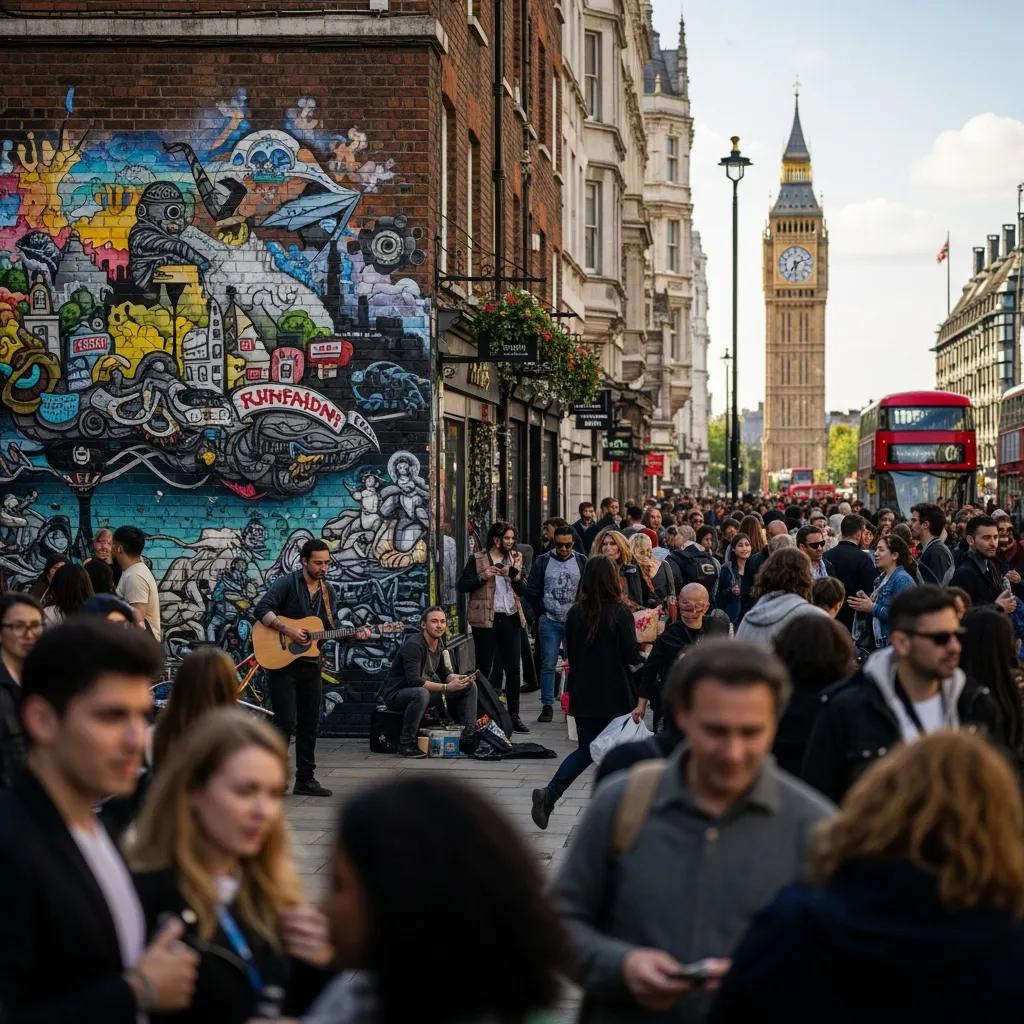
London’s streets are a living, breathing subject — full of colour, character and unexpected moments. This guide walks you through the best locations, practical techniques and key legal and ethical points every street photographer should know. Whether you’re just starting out or already shooting regularly, you’ll find clear, useful advice to sharpen your eye and lift your work. We’ll cover top spots in the city, composition and lighting tips, what to know about photographing people, recommended gear, EyeMedia Studios workshops, and inspiring urban photography shoots to study.
This guide comes from the team at EyeMedia Studios — photographers and instructors who live and shoot in London. We combine years of on-the-ground experience with a practical approach to teaching: concise techniques, real-world workflows and an emphasis on respectful storytelling. Our workshops and guided walks are designed to build confidence and craft, while fostering a supportive community for photographers at every level. Rely on our experience to help you shoot with more intention and urban photography.
London offers a huge range of backdrops, from crowded markets to quiet residential lanes. Each neighbourhood brings its own rhythm and visual opportunities — learn to read them and you’ll always find something to shoot.
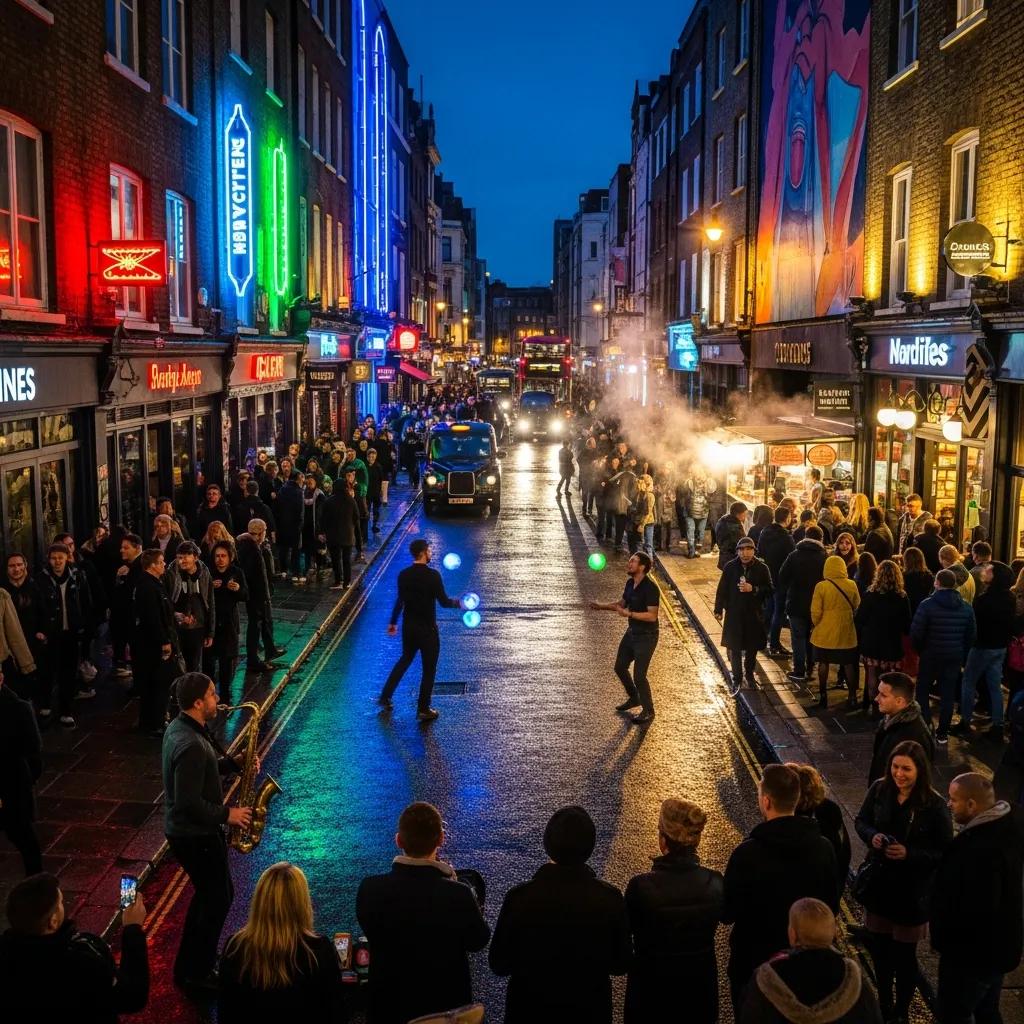
Some standout locations to explore include:
Each spot highlights different aspects of London’s architecture and culture, giving you varied material for storytelling.
The most flattering light is during the golden hour, just after sunrise or before sunset — it softens shadows and warms skin tones. Pay attention to seasonal shifts: spring and summer bring colour and bustle, while autumn adds mood and texture. Also think about crowd dynamics: early mornings or weekdays are quieter and better for intimate frames; evenings and weekends offer energy and spectacle.
Technical skills matter, but developing an eye and a reliable process will transform your street work. Learn to anticipate, compose quickly and use light to shape your story.
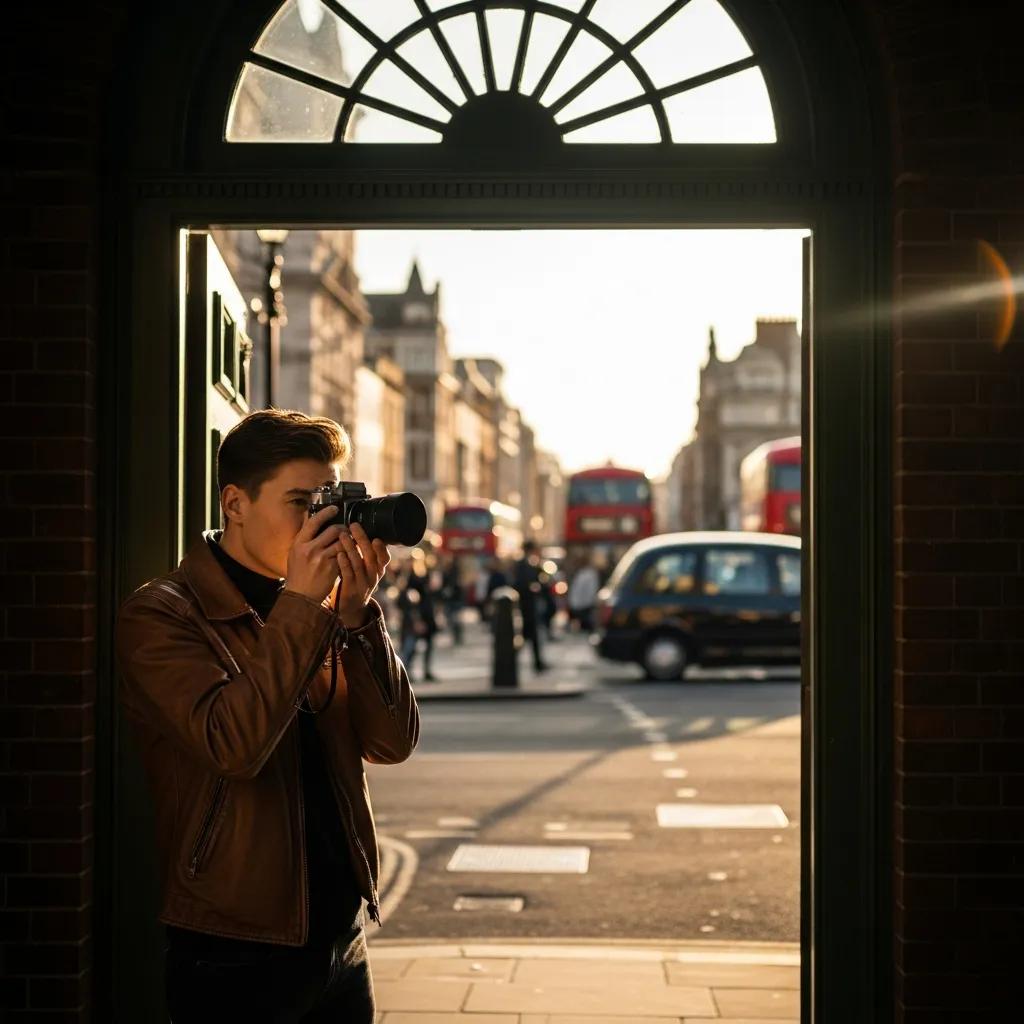
Composition tools like the rule of thirds help create balanced, engaging images — place your subject off-centre to build tension and context. Use natural light wherever possible; side light and backlight can add depth and drama. Look for natural frames — doorways, windows or arches — to isolate your subject and give your image a sense of urban landscape.
Capturing genuine moments takes patience and presence. Spend time observing a scene before you shoot so you can anticipate gestures and interactions. Build a sense of rapport with your environment by moving calmly and staying open to surprise. Be ready to react — stay on your settings so technical checks don’t make you miss the shot. Above all, be mindful of ethical considerations: respect people’s privacy and cultural contexts when photographing urban landscape strangers.
Knowing the law and local etiquette keeps your practice safe and respectful. A little knowledge goes a long way.
Yes — photographing in public in London is generally permitted. You do not normally need consent to take pictures of people in public spaces, but there are important caveats: commercial use, sensitive situations and private property rules can change what’s allowed. When in doubt, check local guidance and get releases for commercial projects.
Some areas have specific rules: managed public spaces, private estates and certain residential squares can impose limits on photography or commercial work. Places like Canary Wharf or gated developments may require permissions for organised shoots. Always look for signs, consult local council information and be prepared to explain your activity politely to residents or officers from the Metropolitan Police if asked. Sensitivity to local communities helps you build trust and avoid unnecessary conflict.
Respect is essential. When you get close to people or capture vulnerable moments, ask for consent and explain how the image will be used. Practice cultural sensitivity and avoid exploiting subjects for shock value. Keep personal space in mind and prioritise dignity — ethical choices make stronger, more sustainable urban photography .
Pick gear that helps you move freely and stay unnoticed. The right kit should support your vision, not slow you down.
A compact body or a lightweight mirrorless system keeps your setup discreet. Prime lenses like a 35mm or 50mm are versatile for street work — they give a natural field of view and encourage tighter compositions. These choices are ideal for candid shots and shooting in mixed light, particularly in an urban landscape .
Be prepared for changeable weather: weatherproofing or protective covers will save your kit from sudden rain. Carry essentials — spare batteries and memory cards — because street sessions often last longer than you expect. A fast aperture helps in low light; urban photography can be useful for creative long exposures.
We run practical workshops and guided walks designed to improve your technique and confidence on the street.
Joining one of our workshops is straightforward: sign up online for scheduled sessions that suit different skill levels. Our small-group format ensures personalised feedback and plenty of shooting time, so you return home with stronger images and a clearer workflow.
Our guided walks deliver real value:
Workshops are as much about practice and critique as they are about inspiration — you’ll leave with new techniques and useful feedback.
Studying strong examples helps you understand what to look for and how to shape a narrative in a single frame.
Our portfolio highlights everyday moments alongside staged editorial work — the goal is to capture personality and place. We aim to show a variety of approaches, from intimate portraits to wide environmental scenes, so you can spot techniques that match your own vision.
Our case studies include commissions and personal projects that document community events, festivals and neighbourhood life. These examples demonstrate how street photography can tell stories about place, culture and change — and how thoughtful imagery supports both editorial and commercial briefs.
Start by learning your camera so settings feel automatic. Practice in quieter areas to build confidence, then move to busier spots as you get comfortable. Focus on simple composition rules like the rule of thirds, watch for decisive moments and experiment with angles. Above all, be patient and respectful when photographing urban photography.
Consistency and critique are key. Shoot regularly, review your images critically and ask for feedback from peers or mentors. Try different styles — black and white, long exposures, close-up portraits — to expand your visual vocabulary. Workshops and guided walks, like ours, accelerate progress by pairing practice with expert critique.
Be respectful: consider cultural context and personal boundaries. Ask for consent for close-up or sensitive shots, and explain how images will be used if someone asks. Avoid confrontational behaviour — a friendly approach and clear explanation usually defuse concerns and can lead to better urban photography.
London’s density and variety are both a strength and a challenge. Busy streets and fast-moving crowds make candid framing harder, while unpredictable weather can change light on a dime. Plan for quieter times, pack weather protection and develop quick, reliable settings so you can work fast.
Explore different neighbourhoods, visit markets, festivals and community events, and follow local photographers for ideas. Pay attention to small routines and everyday rituals — those often make the most resonant images. Joining local groups or attending workshops is another great way to stay inspired.
Editing refines your story. Use post-processing to correct exposure, strengthen contrast and set the mood, but avoid over-processing that removes the scene’s authenticity. Editing should enhance the moment you captured, not rewrite it.
London is endlessly rewarding for street photographers: each corner offers a new mix of light, people and stories. By honing technique, respecting legal and ethical boundaries, and practicing with intention, you’ll build a stronger, more personal body of work. Ready to take the next step? Join an EyeMedia Studios workshop and start shooting with clearer focus and confidence.