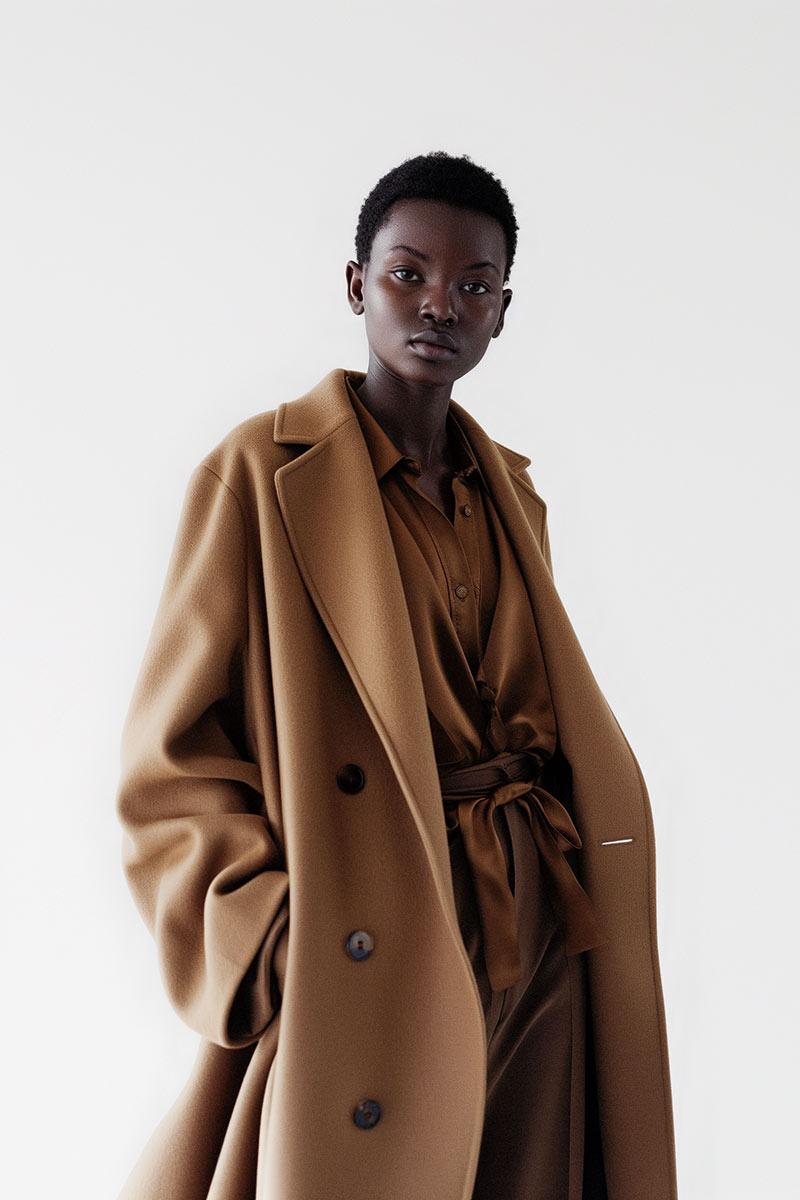
Find Photography Workshops and Courses in London — Learn, Practice and Master Photography Skills
Photography lets you capture moments, shape stories and make ideas visible. In London — a city full of visual inspiration — there are workshops and courses for every level, from camera basics to advanced studio practice. This guide walks you through what’s available, how to pick the right course for your goals, the kinds of locations and facilities you’ll learn in, typical costs and enrolment details, and why EyeMedia Studios is a top choice for photography training in the capital.
What Photography Courses and Workshops Are Available in London?
London hosts a wide spectrum of photography training tailored to different abilities and interests. Whether you’re just starting or sharpening a professional practice, you’ll find options that fit your pace and ambitions.
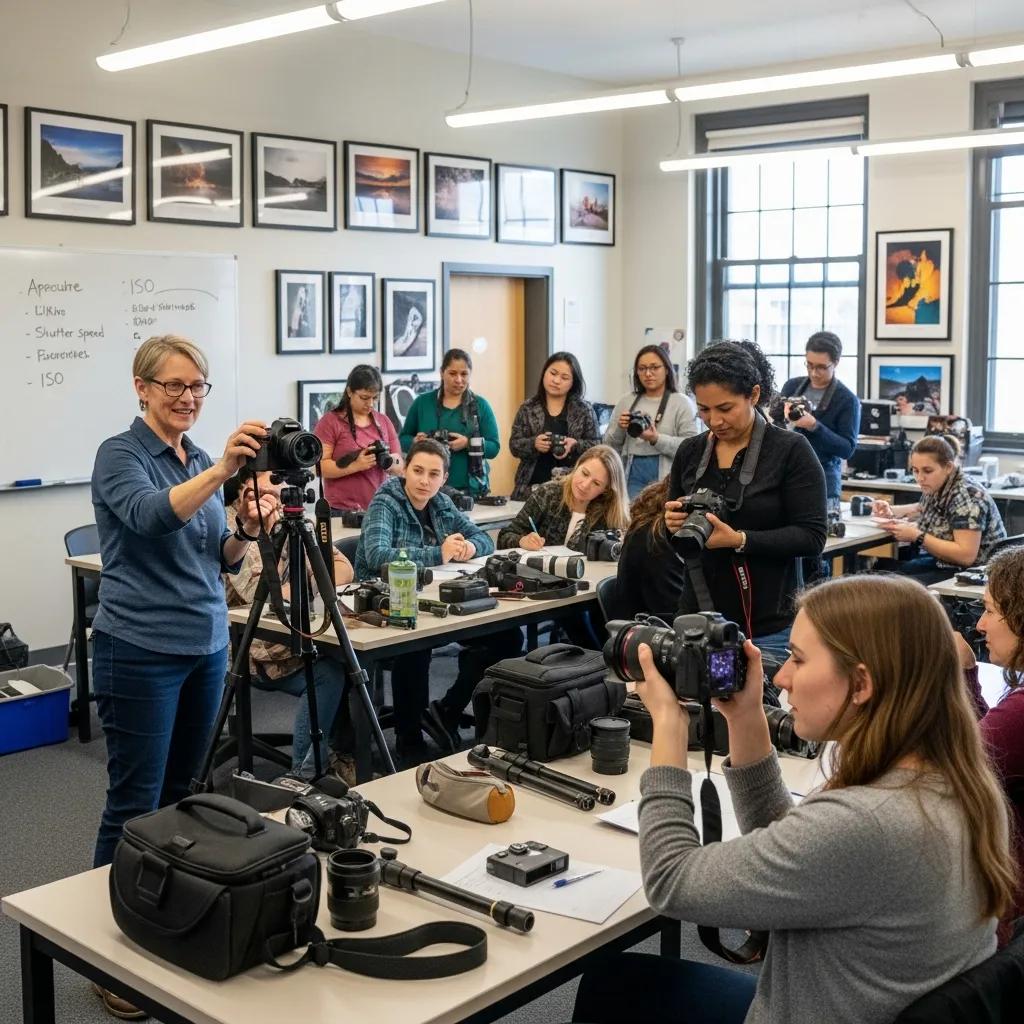
Beginner Photography Courses: Practical introductions that cover camera controls, composition and basic lighting — ideal for new photographers finding their footing.
Advanced Photography Workshops: Focused sessions for experienced photographers, covering specialist techniques like studio lighting, advanced portraiture and professional post-production.
Specialised Photography Training: Short courses aimed at industry needs — for example corporate shoots, product photography for e-commerce, or commercial portraiture — giving you the exact skills employers and clients want.
Which Beginner Photography Courses Help You Master Camera Basics?
Beginner courses give you the practical foundation to shoot confidently. Typical topics include:
Basic Camera Settings: Hands-on lessons in shutter speed, aperture and ISO so you can control exposure rather than guessing.
Composition Fundamentals: Practical rules and creative approaches — rule of thirds, leading lines and framing — to improve how your photos read.
Practical Exercises: Real-world shoots and quick assignments that reinforce technique and speed up progress.
These building blocks are designed to boost both your competence and confidence behind the camera.
What Advanced Workshops Teach Studio Lighting and Professional Techniques?
Advanced workshops are for photographers aiming to refine their visual voice and commercial skills. Sessions commonly cover:
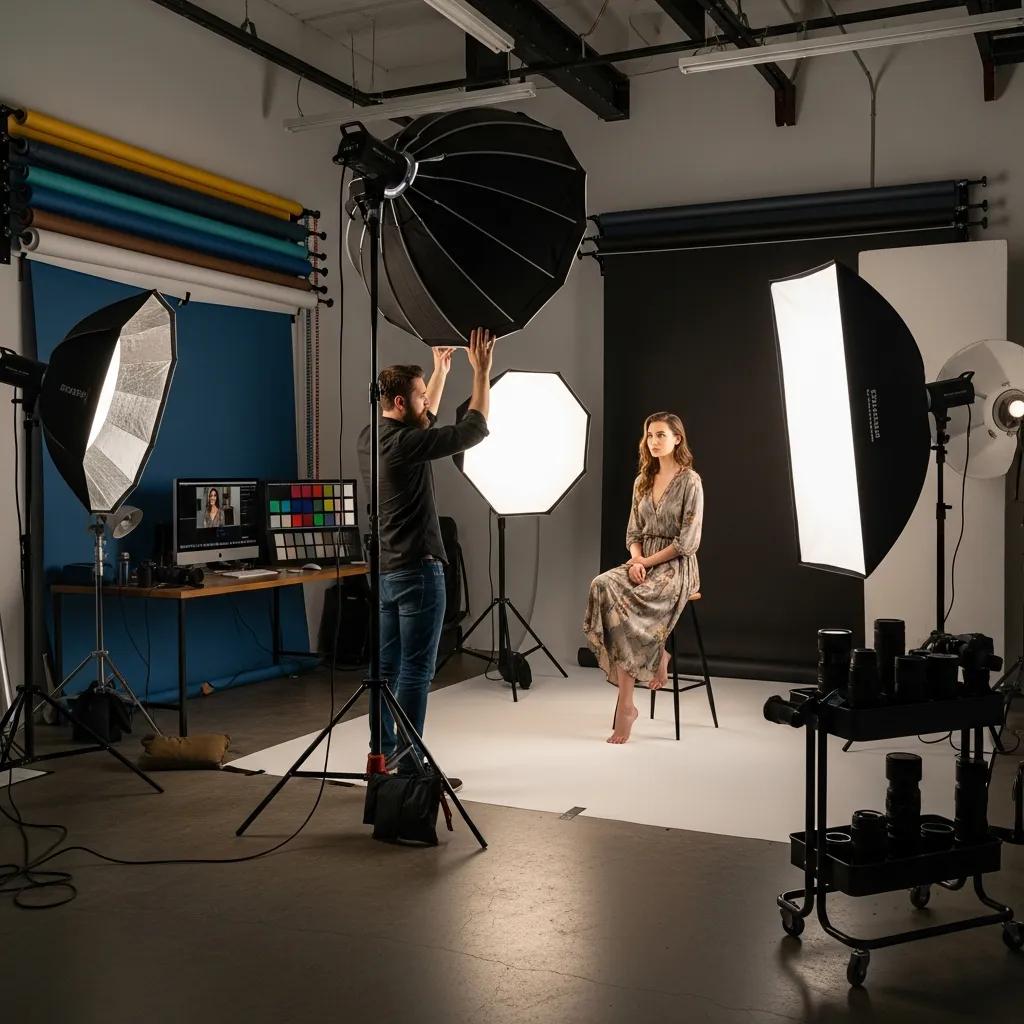
Studio Lighting Techniques: How to shape and control light for portraits, fashion and product work using strobes, modifiers and continuous lights.
Professional Photography Practices: Business-focused guidance — client handling, briefs, workflow and how to present your work.
Portfolio Development: Constructive shooting and editing sessions that help you assemble a professional-facing portfolio.
These components equip you to compete confidently in a professional market.
How Can You Choose the Right Photography Course for Your Skill Level?
Picking the right course matters. Match your current skills and ambitions to the course structure to get the most from your time and investment.
Assessing Skill Level: Be honest about whether you’re a beginner, intermediate or advanced shooter — courses are designed with different starting points in mind.
Course Recommendations: Choose based on the styles and outcomes you want — landscape, portrait, commercial or studio work — not just the label of the class.
Importance of Personalised Learning: Look for options that include feedback or one-to-one mentoring — tailored critique accelerates improvement.
What Are the Key Differences Between Beginner, Professional, and Advanced Courses?
Knowing how courses differ helps you set realistic expectations:
Skill Requirements: Professional-level training may expect prior experience or a portfolio; entry-level courses generally welcome all.
Expected Outcomes: Beginners gain reliable technical skills; advanced students leave with a clearer style and stronger professional materials.
How Do Specialized Workshops Cater to Corporate and E-commerce Photography Needs?
Specialised workshops focus on practical skills for specific industries:
Industry-Specific Skills: Learn workflows and techniques used in corporate events, product shoots and fashion e-commerce.
Target Audience: These sessions attract professionals and freelancers aiming to serve commercial clients more effectively.
Practical Applications: Projects simulate real briefs so you practice to industry standards.
Targeted training like this can directly improve your employability and client results.
Where Are Photography Workshops Held in London and What Are Their Unique Features?
Workshops run across London in locations chosen to support the learning — each setting offers different advantages.
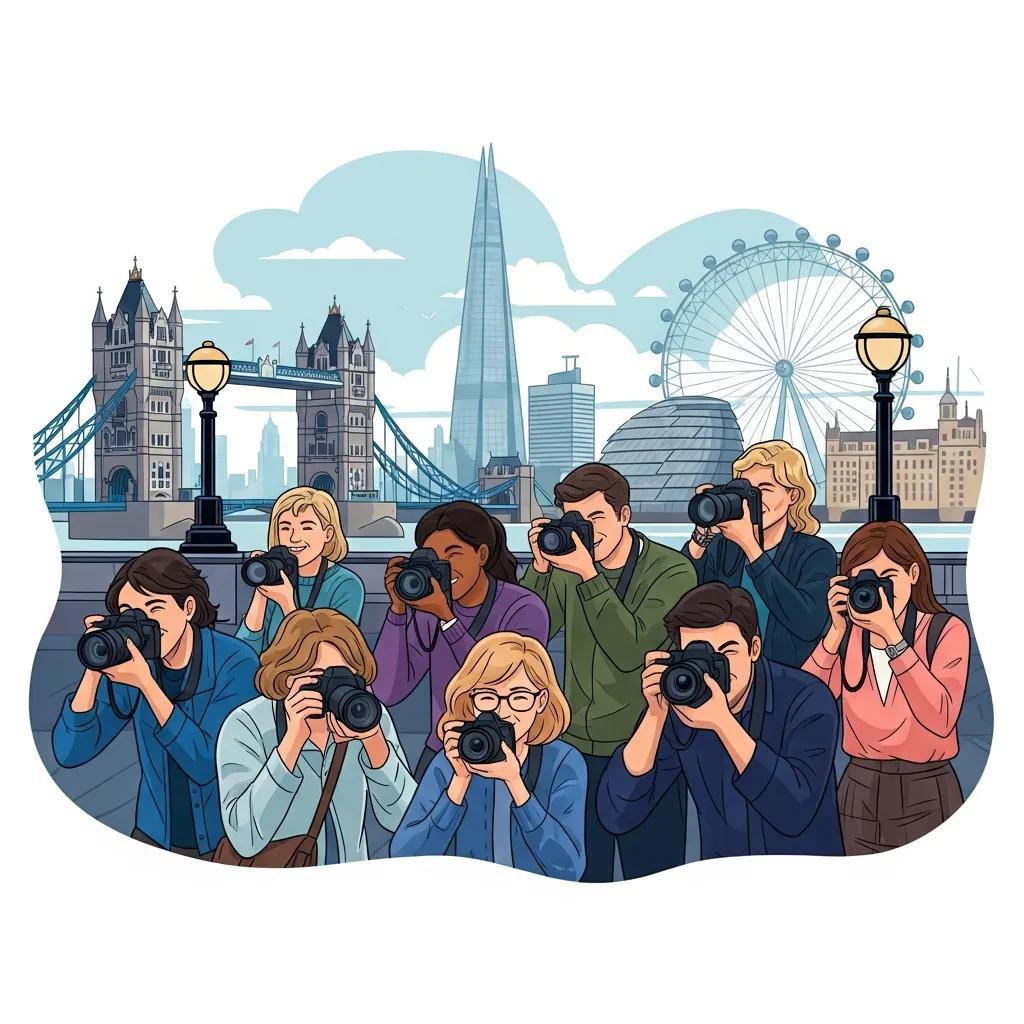
Popular Workshop Locations: Expect shoots in parks, busy streets and well-equipped studios — varied backdrops help you practise multiple styles.
Unique Features of Each Location: Some courses include access to studio kit and props, while others focus on natural light and urban environments.
Accessibility and Facilities: Check practical details like transport links, equipment hire and on-site editing facilities when you book.
Which London Locations Offer Hands-on Street and Location Photography Experiences?
Street and location workshops are invaluable for real-world shooting skills:
Iconic London Locations: Many workshops use areas such as Camden Market, Southbank and Shoreditch to teach observational and portrait techniques.
Hands-on Learning Opportunities: You’ll practice candid shooting, environmental portraits and composition under live conditions.
Cultural Context: Shooting in diverse neighbourhoods sharpens your ability to read scenes and work with unpredictable light and people.
What Studio Facilities Support Practical Learning in Portrait and Product Photography?
Studios provide the controlled environment needed to master lighting and commercial shoots:
Equipment Available: Access to professional cameras, lighting kits, modifiers and backdrops supports focused learning.
Studio Layout: Purpose-built spaces let you try different setups, from single-portrait rigs to multi-product shoots.
Learning Environment: A professional studio encourages experimentation and teaches the practical workflow used in client work.
What Skills and Techniques Will You Learn in London Photography Courses?
Courses cover a broad set of skills that form a complete photography toolkit.
Core Photography Skills: Exposure, composition and lighting fundamentals so your images consistently work visually.
Technical Techniques: Advanced methods such as long exposure, HDR and creative flash work to expand your repertoire.
Post-Production Skills: Editing workflows in Lightroom and Photoshop to polish images and prepare them for web or print.
How Do Courses Teach DSLR Camera Settings, Composition, and Exposure?
Most courses favour hands-on learning with clear, structured feedback:
Hands-on Practice: Practical shoots reinforce what you learn in theory.
Instructor Feedback: Direct critique points out strengths and the specific areas to improve.
Learning Resources: Takeaway guides and tutorials help you continue practising after the session ends.
What Post-Production Editing Skills Are Covered in Lightroom and Photoshop Workshops?
Post-production sessions teach the finishing steps that make images sing:
Editing Techniques: How to manage exposure, colour balance and sharpening to achieve a polished result.
Software Tools: Practical use of industry-standard tools like Adobe Lightroom and Photoshop.
Practical Applications: Real edit sessions tied to your shoots so you learn workflow and output best practice.
How Much Do Photography Workshops and Courses in London Cost and What Are the Enrollment Details?
Knowing typical costs and the enrolment process helps you plan your learning journey.
Typical Pricing Structures: Options range from community-level classes to premium masterclasses; prices reflect duration, specialist kit and instructor experience.
Discounts Available: Early-bird rates, multi-course packages and student concessions are commonly offered.
Enrollment Process: Booking is usually done online — check course pages for equipment lists and any pre-course preparation.
What Are Typical Pricing Structures and Available Discounts for Photography Courses?
Course fees vary but you can expect a broad range:
Cost Range for Courses: Beginner courses often start around £100–£150; advanced workshops can run £400–£500 or more, depending on content and length.
Discount Options: Seasonal promotions and student discounts can reduce costs — always look for package deals if you plan multiple sessions.
Payment Plans: Some providers offer instalment or payment-plan options to spread the cost.
How Can You Register and What Equipment Is Needed for London Workshops?
Registration is straightforward and most workshops list equipment guidance up front:
Registration Steps: Complete the online booking form and secure your place with a deposit where required.
Equipment Recommendations: Many sessions expect you to bring your DSLR or mirrorless camera, though some provide kit for practice.
Preparation Tips: Get comfortable with your camera basics before class and bring a notebook or tablet for notes.
Why Choose EyeMedia Studios for Photography Workshops and Courses in London?
EyeMedia Studios combines experienced tutors, practical learning and studio facilities to help you progress — whether you’re starting out or moving into professional work.
Expertise of Instructors: Our tutors are practising photographers with real-world experience across portrait, commercial and product work.
Personalized Learning Paths: Courses are structured but flexible, so you can focus on the skills that matter to you.
Quality of Facilities: We invest in up‑to‑date kit and comfortable studio spaces to support practical learning.
What Expertise and Unique Value Does EyeMedia Studios Offer to Learners?
We bring practical industry knowledge and teaching experience together:
Instructor Qualifications: Our team hold recognised industry credentials and a track record of client work and teaching.
Tailored Learning Experiences: Courses are framed around real briefs and personal goals so you build a useful, relevant skill set.
Success Stories: Former students have gone on to freelance, join studios or expand their commercial offerings — a sign our approach works.
How Do Personalized Learning Paths and Experienced Instructors Enhance Your Photography Skills?
Personal attention makes learning faster and more relevant:
Individualized Feedback: One-to-one critique helps you correct habits and develop a clearer photographic voice.
Skill Progression: Structured paths move you from fundamentals to advanced practice without gaps.
Student Support: Ongoing resources and advice help you continue developing after the course finishes.
Frequently Asked Questions
What should I consider when choosing a photography workshop in London?
Think about your current level, the specific skills you want to develop and the format you prefer (short practical sessions vs longer courses). Prioritise hands-on time, personalised feedback and tutors with relevant experience. Check reviews, accessibility and what equipment is provided so the course fits your schedule and goals.
Are there any prerequisites for enrolling in advanced photography workshops?
Yes — advanced workshops generally expect a solid grasp of camera basics, composition and some editing experience. Some courses may request a portfolio or examples of recent work so instructors can group students with similar skill levels. Always read the course prerequisites before booking.
How can I improve my photography skills outside of workshops?
Practice regularly—set small projects or themes to shoot. Use online tutorials and photography blogs, join local clubs or online critique groups for feedback, and experiment with different genres and editing styles to broaden your visual language.
What types of photography styles can I explore in London workshops?
London workshops cover portrait, landscape, street, product and corporate photography, plus niche areas like fashion and event work. Many providers run specialist short courses so you can focus on the style that matches your interests or career plans.
What is the typical duration of photography courses and workshops in London?
Durations vary: beginner sessions can be a few hours to a full day; more comprehensive programmes run over several weeks or months. Advanced workshops often last one to three days depending on the depth of the material. Check each course listing for exact timings.
Can I receive certification after completing a photography course?
Many courses offer a certificate of completion which can support your CV or portfolio, but not every workshop provides formal certification. If a recognised qualification is important, confirm this with the provider before enrolling.
Conclusion
Photography workshops in London offer practical, career-focused learning whether you’re just starting or aiming to go pro. With experienced tutors, hands‑on shoots and tailored feedback, EyeMedia Studios helps you build the skills and confidence to create stronger images. Explore available courses and book the one that matches your goals — your next breakthrough starts with focused practice.