Learning photography is a key step for anyone serious about improving their craft or building a career. With digital content booming, demand for skilled photographers keeps growing — so understanding the training routes available matters. This guide walks through photography courses and training options across London, explains how each path can boost your career, and helps you pick the right next step. We cover top professional courses, starting a photography business, building a standout portfolio, commercial training, and advanced study for established photographers.
Last Updated: October 26, 2023
This guide is meticulously researched and compiled by a team of experienced photography educators, professional photographers, and industry analysts. Our insights are drawn from direct experience within London’s vibrant photography scene, ensuring practical, authoritative, and up-to-date advice for your learning and career development.
London hosts a wide range of photography courses for different experience levels and interests. From full degrees to short, hands‑on workshops, these programmes combine technical tuition with creative practice to get you industry-ready.
Several well-regarded London institutions run in-depth photography programmes. Notable options include:
Each of these programmes aims to nurture creativity while giving you the practical skills you’ll need to work professionally.
Photography courses differ by emphasis and outcome. Common course types include:
Knowing these distinctions makes it easier to choose courses that match your interests and career goals.

Launching a photography business in the UK takes planning and consistency. You’ll need to understand the market, meet legal obligations, and build reliable marketing habits to attract clients.
Key steps to get started:
These steps provide a stable foundation for growing a sustainable photography business.
To win clients and grow, prioritise these tactics:
Consistent, targeted marketing and strong professional relationships make a big difference to client acquisition and retention.
Your portfolio is your visual CV — it should be clear, focused and chosen with your target client in mind.
An effective portfolio includes:
These elements help you make a strong impression on potential clients and employers.
Professional headshots and polished commercial imagery boost credibility and show you can meet client briefs. Headshots communicate professionalism and approachability; commercial pieces demonstrate your technical ability and attention to brief.
EyeMedia Studios specialises in high-quality headshots and commercial photography, helping you strengthen your portfolio with images that attract commissions.
Commercial photography calls for specific techniques and workflows. London offers targeted training to help you master the commercial brief, working to client specifications and industry standards.
Core commercial skills include:
These skills are essential if you want to work with brands, retailers or corporate clients.
Workshops give hands-on practice and immediate feedback, while expert-led guides and mentorships offer industry insight and shortcuts developed from experience. Combining both accelerates skill development and professional confidence.
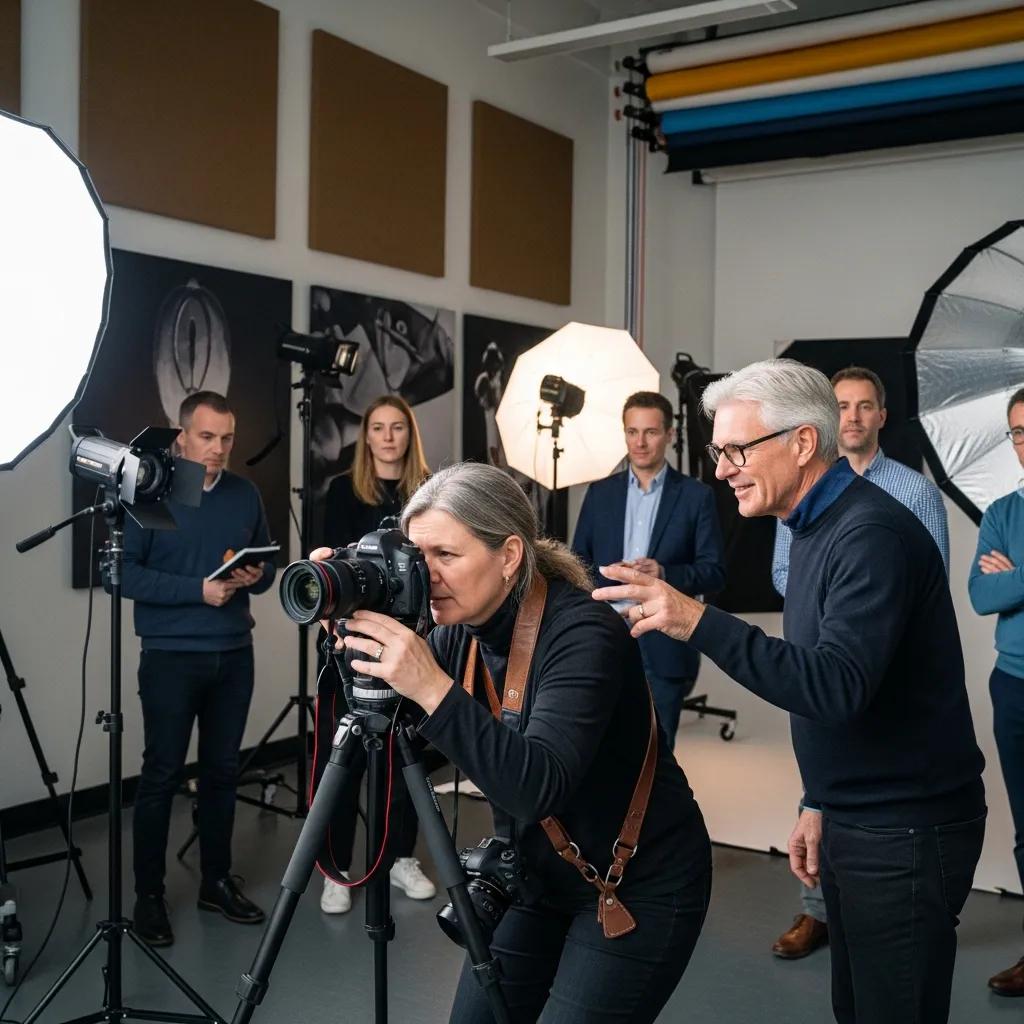
Experienced photographers often look for specialised courses and certifications to refine their practice, explore new genres or increase their commercial value.
Advanced options include:
These paths help established photographers stay competitive and broaden their expertise.
Learning from industry leaders exposes you to current trends, proven workflows and business strategies. Mentorship, workshops and online masterclasses offer direct feedback and fresh perspectives that can spark new creative directions.
This comprehensive guide was developed by a collective of seasoned photography educators, professional photographers, and industry analysts with decades of combined experience in the London creative scene. Our team is dedicated to providing accurate, practical, and up-to-date information to help aspiring and established photographers navigate their career paths.
Every piece of information in this guide is thoroughly researched and fact-checked against current industry standards and educational offerings. We strive for impartiality and clarity, ensuring that our advice is actionable and reliable. Our content is regularly reviewed to reflect the latest trends and opportunities in professional photography.
London’s photography education scene offers plenty of routes to build skills and launch a career. By comparing course formats, outcomes and teaching styles, you can choose the path that best fits your ambitions — whether you’re just starting or aiming to advance professionally.
Most courses don’t require strict prerequisites, though a basic knowledge of camera use helps. Some institutions ask for a portfolio or a short personal statement. Advanced courses may expect prior experience or completion of foundation-level study. Always check the specific entry requirements on the course page before applying.
Course length varies by level. Full-time degrees like a BA (Hons) in Photography usually run for three years. Short courses and workshops can be a few days to several weeks long, and part-time options let you study alongside work.
Yes — many London providers offer online courses that mirror their in-person content, with video lessons, set projects and tutor feedback. Online learning gives flexibility while still building practical skills through online photography classes.
Costs vary widely. Full-time degree fees for UK students can range from £9,000 to £20,000 per year; international fees are typically higher. Short courses and workshops usually cost between £100 and £1,500 depending on length and content. Don’t forget to budget for kit, materials and travel.
Options include government student loans for eligible courses, scholarships and grants from institutions or arts bodies, and payment plans offered by some schools. Part-time work can also help cover living costs while you study.
Graduates can work as commercial photographers, portrait and headshot specialists, photojournalists, fashion or product photographers, or start freelance businesses. Skills from photography courses also translate into roles in marketing, creative direction and media production.