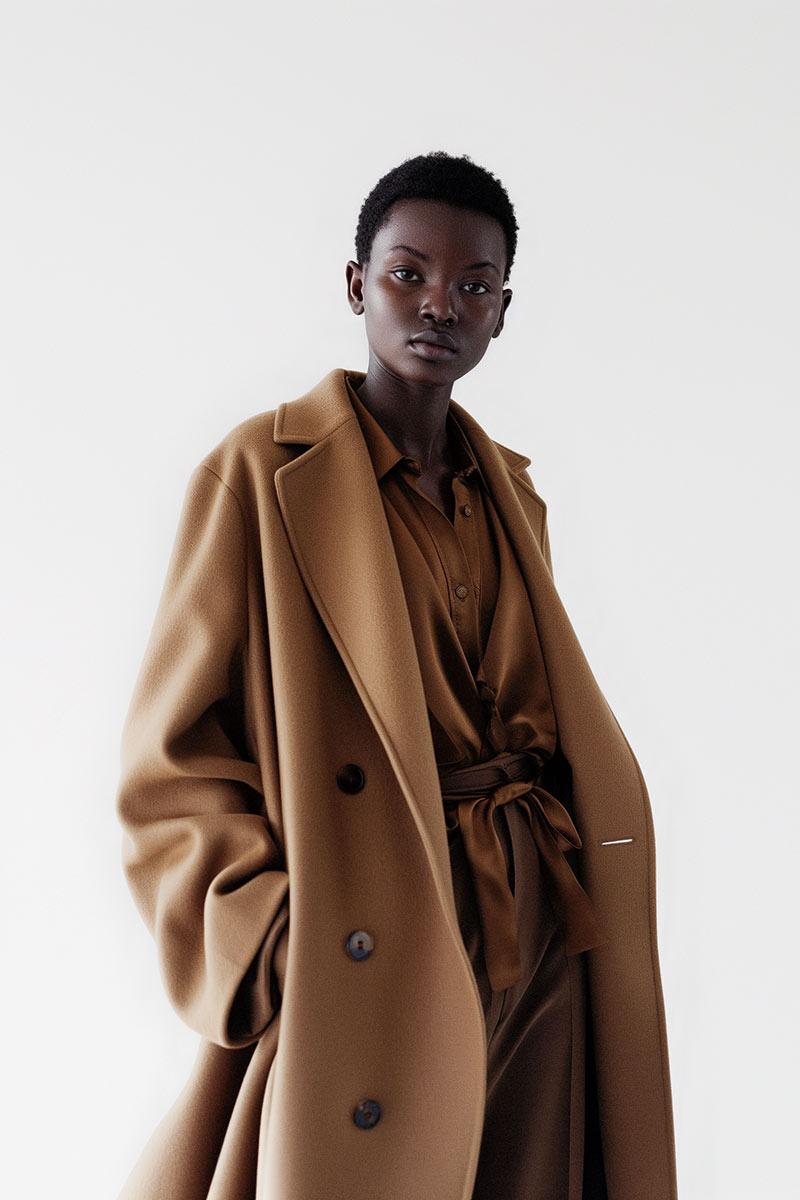
Photography sits at the intersection of craft and creativity. Knowing the common terms photographers use — from exposure settings to editing techniques — helps both emerging shooters and clients get better results. This glossary breaks down the essentials in plain, professional language so you can brief photographers confidently and make informed choices. We cover camera settings, lens types, composition, lighting, post-processing and the main photography genres.
The three pillars of exposure are aperture, shutter speed and ISO. Together they control how bright an image is, how much of the scene is in focus and how motion is rendered. Learning to balance them is the quickest way to move from snapshot to intentional image-making — whether you’re starting out or refining an existing skill set.
Aperture is the lens opening that controls how much light reaches the sensor, measured in f-stops. Lower numbers (for example, f/2.8) mean a larger opening, more light and a shallower depth of field — great for portraits where the subject is sharp and the background falls away. Higher numbers (for example, f/16) give a deeper depth of field so more of the scene is in focus, which is useful for landscapes. Choosing the right aperture helps you shape focus and terminology for photography in your images.
Shutter speed is how long the camera’s shutter is open, shown in seconds or fractions of a second. Fast speeds (for example, 1/1000) freeze movement — ideal for action or sports — while slow speeds (for example, 1/2) introduce motion blur to convey motion. Shutter speed must be balanced with aperture and ISO to achieve the exposure and look you want.
Lenses define a camera’s visual character. Different focal lengths, constructions and designs affect perspective, sharpness and low-light performance. Knowing basic lens types helps you pick the right tool for portraits, products, landscapes or editorial work.
Focal length, measured in millimetres (mm), describes the lens’s angle of view and how it renders perspective. Short focal lengths (for example, 24mm) capture a wide scene and are useful for landscapes; longer focal lengths (for example, 85mm) compress perspective and are flattering for portraits, isolating the subject from the background. Matching focal length to your intent makes a big difference to composition and terminology for photography.
Prime lenses have a fixed focal length and often deliver sharper images with wider maximum apertures, which is helpful in low light and for creating shallow depth of field. Zoom lenses let you vary focal length quickly, offering flexibility on shoots where you can’t change position easily. Choose a prime for image quality and creative control; choose a zoom for speed and versatility.
Composition is how you arrange elements in the frame to guide the viewer’s eye and communicate a message. Strong composition turns a technically correct shot into an engaging photograph — whether through framing, balance, leading lines or negative space.
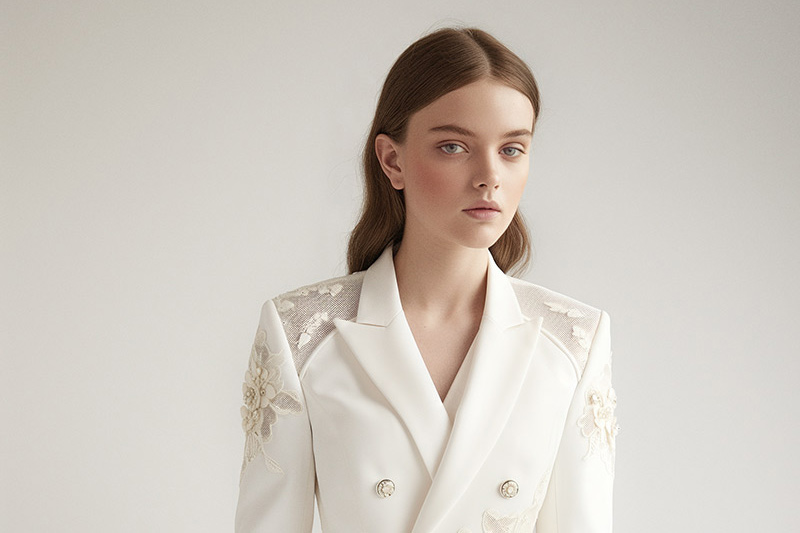
Depth of field is the zone of acceptable sharpness in front of and behind your focus point. For headshots, a shallow depth of field helps separate the subject from the background and directs attention to facial features. You get this by using a wider aperture and placing the subject away from the background.
Bokeh describes the quality of out‑of‑focus areas in an image — the smoothness and shape of background highlights. It’s influenced by lens design and aperture shape. Pleasant bokeh makes portraits look cleaner and more cinematic, helping the subject stand out without distractions.
Light shapes texture, mood and depth. Learning when to use natural light, when to control it with artificial sources and how to modify it with reflectors or diffusers is fundamental to producing consistent, professional images.
Ambient light is the existing natural or practical light in a scene; artificial light comes from flash or continuous fixtures. Ambient light can feel soft and authentic, while artificial light gives you far more control over direction, intensity and colour. Skilled photographers blend both to suit the subject and the look required.
The golden hour — shortly after sunrise and before sunset — delivers warm, soft light with long, gentle shadows. It flatters skin tones and adds depth to landscapes, which is why many outdoor shoots are scheduled around these windows for consistently attractive results.
Post-processing refines images after capture. Familiarity with common terms helps clients set expectations around deliverables and the level of editing included in a shoot.
RAW files preserve nearly all data from the camera sensor and give the greatest flexibility for colour correction and exposure adjustments. JPEGs are compressed, smaller files with baked‑in adjustments that limit how much you can change later. Professionals usually shoot RAW when editing latitude is important; JPEGs are fine for immediate, low‑editing uses.
Retouching corrects or improves images — from simple skin‑tone adjustments to more detailed work like blemish removal or colour grading. It’s a standard part of professional workflows, especially for portraits and product shots, and is usually specified in client agreements so expectations are clear.
Different genres demand different approaches, gear and post‑production. Understanding common categories and the basic business terms around image use will help you choose the right photographer and avoid surprises later.
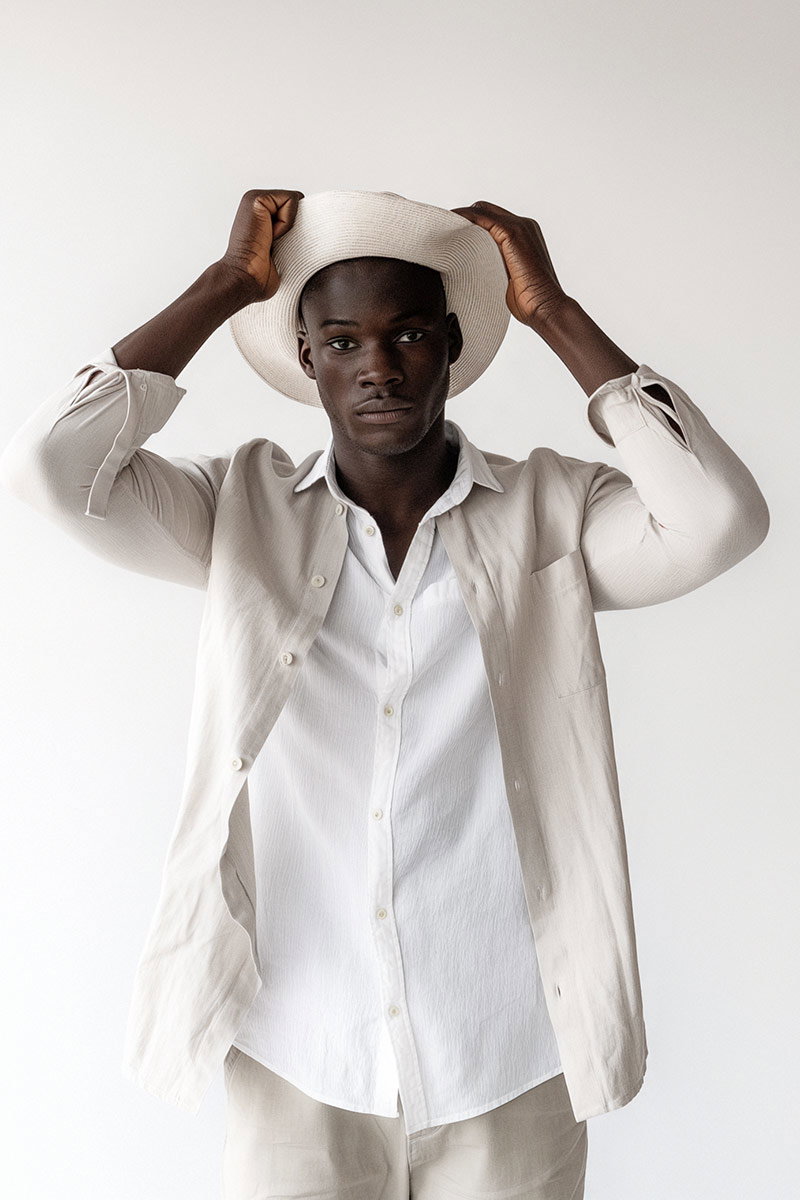
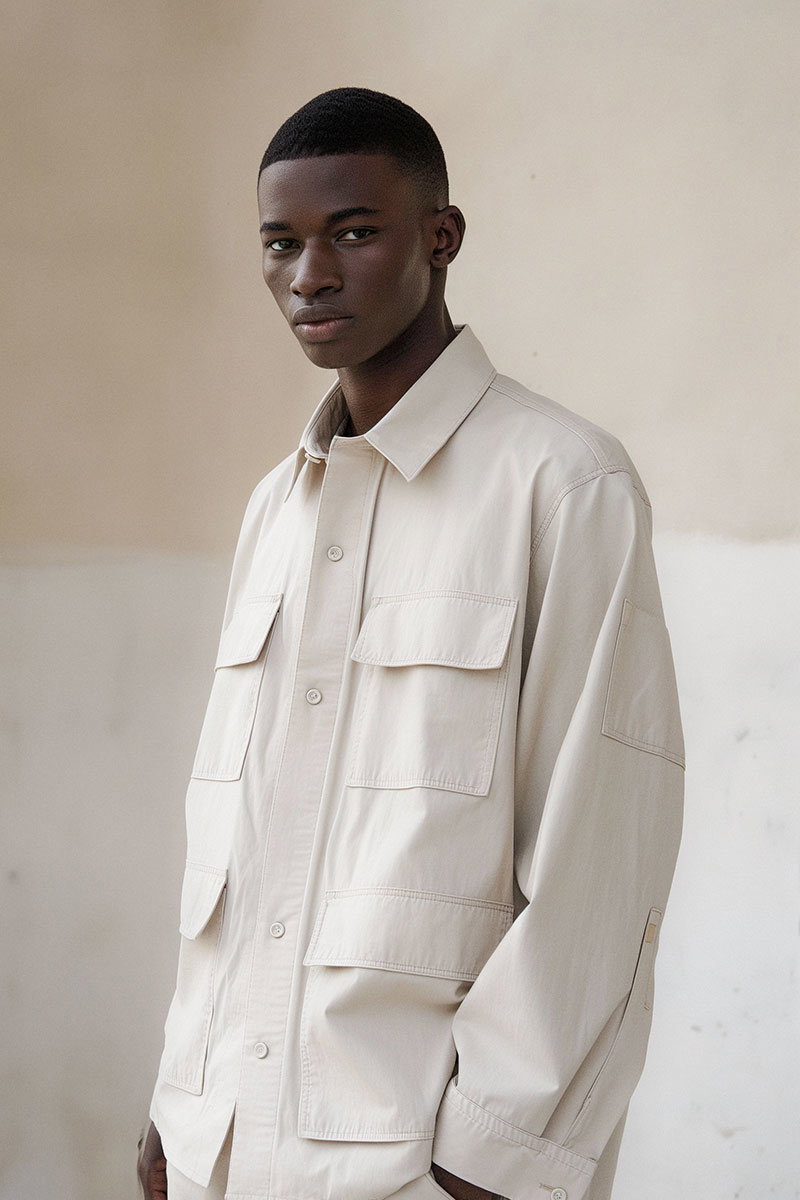
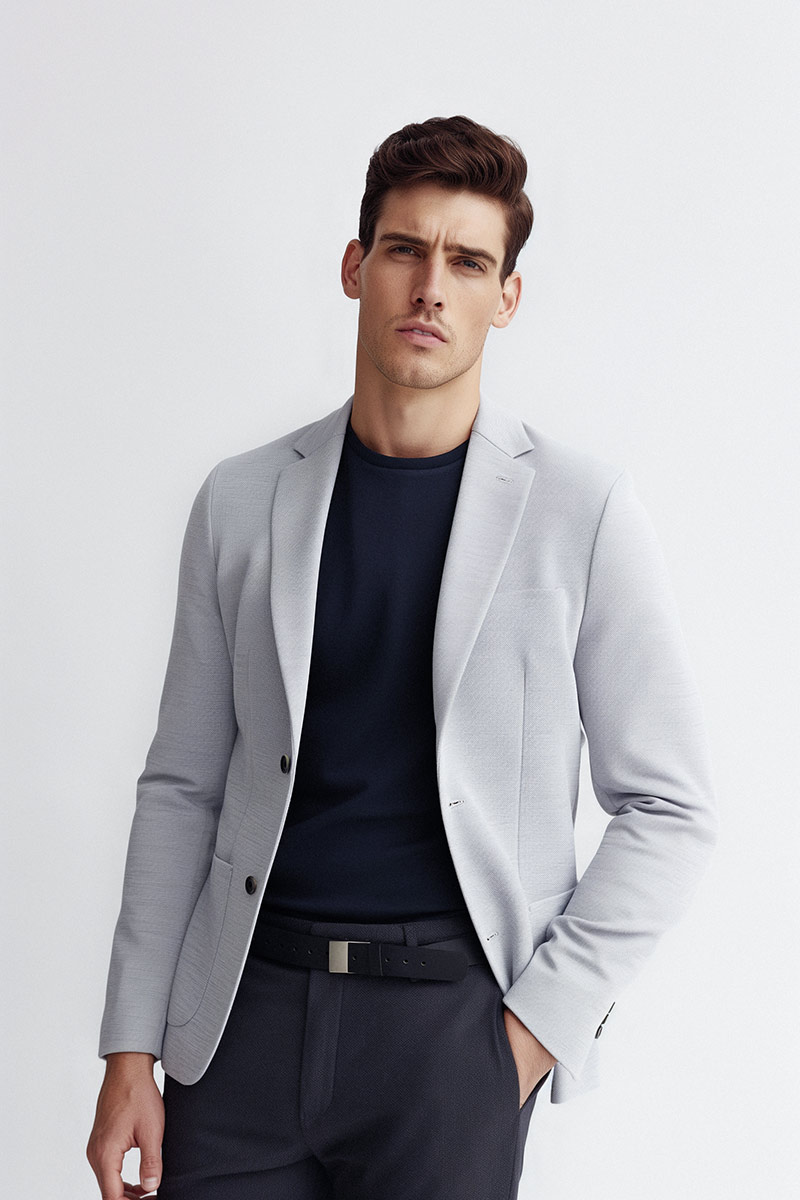
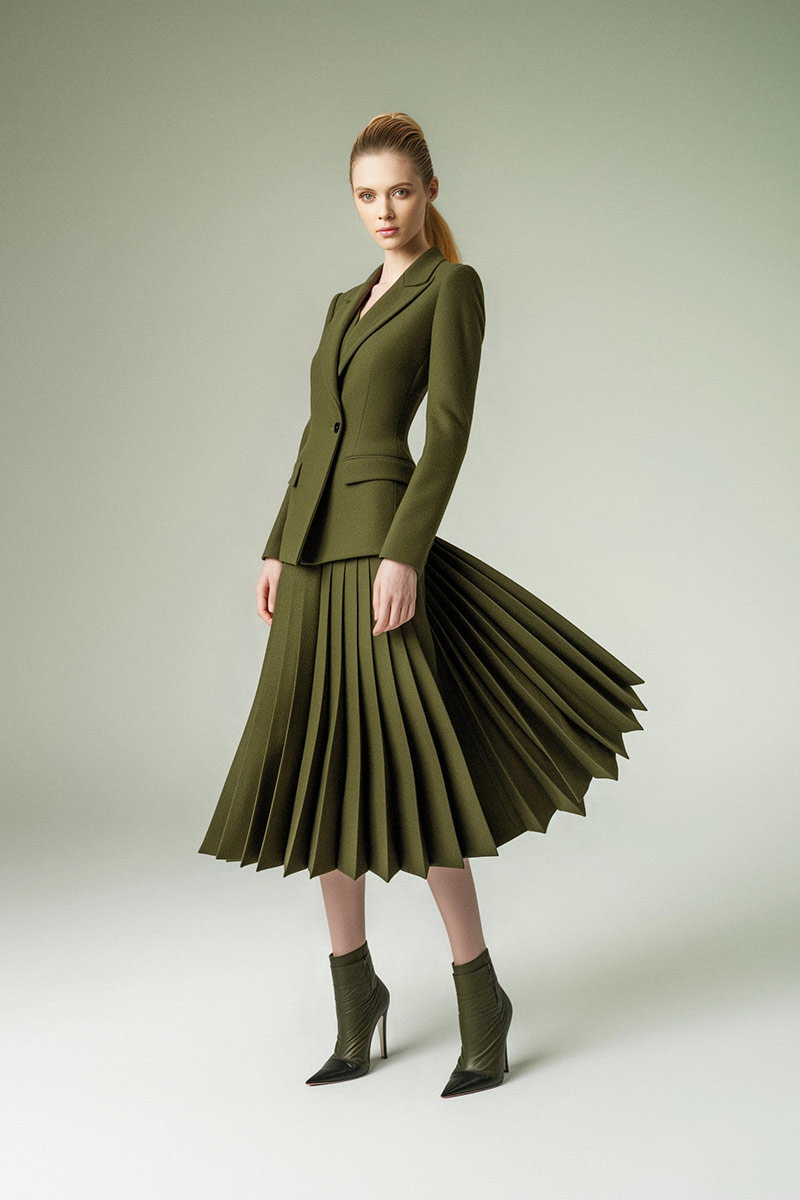
Headshot photography captures a person’s likeness for professional profiles or casting; it’s about clarity and character. Modeling portfolio work showcases a model’s range with varied looks and styling. E‑commerce photography focuses on product presentation — accurate colour, clear detail and consistency for online listings. Each requires a specific workflow and expertise.
Usage rights describe how and where clients can use delivered images — for example, editorial, commercial, social media or print. These rights are normally outlined in the contract and affect pricing and licensing. Clarify permitted uses up front so you get the coverage you need without legal complications.
Knowing the difference between genres helps you choose a photographer whose style matches your goals. Portrait, landscape and product photography each rely on different techniques and strengths — picking the right specialist reduces rework and ensures the final images fit their intended use.
Preparation makes a shoot run smoothly. Discuss your brief in advance, agree on style and shot list, pick outfits that suit the look, and arrive rested. If you’re unsure about poses or expressions, a quick practice in front of a mirror helps. Clear communication before the shoot saves time and improves terminology for photography.
Post-processing typically includes colour correction, cropping, retouching and final output formatting. Photographers will usually give a timeline for delivery and welcome any specific style notes before editing begins. Sharing reference images helps align expectations and speeds up approvals.
Pricing depends on experience, shoot complexity, time on location, and post‑production effort. The type of photography (weddings, commercial, portraits), travel, equipment and usage licences all influence cost. Ask for a clear breakdown so you understand what’s included.
Common pitfalls include not reviewing a photographer’s portfolio closely, failing to communicate the brief clearly, and skipping a written contract. Make sure the photographer’s previous work matches the style you want, set expectations in writing and discuss deliverables and usage rights up front.
Good communication builds trust and ensures everyone is aligned on goals and timelines. Be open about your vision and constraints; your photographer should respond with practical guidance and alternatives. Regular check‑ins and prompt feedback keep the project on track and improve the end result.
Knowing key photography terms helps you brief photographers clearly and make better decisions about your visual projects. Familiarise yourself with camera settings, lighting, lenses and post‑production basics, and don’t hesitate to ask photographers for examples or explanations. If you’re ready to bring an idea to life, use this glossary as a starting point — then connect with an experienced photographer to realise your vision.