Photography has been central to how London remembers itself — recording everyday life, public events and the city’s constant change. This piece traces that story: from the first experiments in the 1840s to the photographers and institutions that shaped visual culture here. You’ll read about the technical breakthroughs, the social forces that pushed the medium forward, and the photographers whose images still resonate. We follow the thread from Victorian studios and early street work through to today’s digital practice, noting how professional studios such as EyeMedia Studios carry that craft into the present.
Photography arrived in London in the years after 1839, when the daguerreotype became widely known. By the early 1840s photographers in the city were using this new process to capture some of the first fixed images of London life. Those early years were a period of rapid experimentation: practitioners were learning how to control light, chemistry and composition, and pushing the limits of what could be recorded on the river thames and paper.
The first widely used processes in London were the daguerreotype and the calotype. The daguerreotype, developed by Louis Daguerre, produced a single, finely detailed image on a polished metal plate and was especially popular for portraits. The calotype, pioneered by William Henry Fox Talbot, used a paper negative that could be used to produce multiple prints — a major step toward the reproducible photography we know today. Each method brought different creative and technical possibilities to Victorian photographers, including the historical sites associated with its evolution.
Several figures stand out from those formative years. Antoine Claudet was an early adopter of the daguerreotype in London, producing portraits and landmark studies. William Henry Fox Talbot’s work on negatives and paper prints laid the groundwork for reproducible photography and helped establish it as a serious medium. Their experiments and public demonstrations helped move photography from curiosity to craft, setting standards later generations would build on.
Victorian London — with its expanding middle class, busy streets and rapid industrial change — created a strong demand for visual records. That demand led to more studios, public exhibitions and a growing market for photographic portraits and topographical views. At the same time, photographers began exploring new subjects and styles, reflecting the city’s social and cultural shifts along the river thames.
Social documentary photography emerged as a forceful voice in Victorian London. Photographers such as John Thomson used images to reveal the conditions of the poor and working classes, pairing photographs with written accounts to make social issues visible. Those projects influenced public opinion and helped drive debate around reform — an early example of photography’s capacity to shape social consciousness.
Organisations such as the Royal Photographic Society and the Society for Photographing Relics of Old London provided forums for exchange, critique and exhibition. These societies helped professionalise the field, promoted technical standards and encouraged photographers to document both the city’s changing streets and its historical fabric, creating a supportive community for innovation and preservation.
Street photography in London evolved as photographers turned their cameras outward, aiming to capture candid moments of daily life. From the late 19th century into the early 20th, the genre gained prominence as smaller cameras and quicker exposures made it possible to document life in motion — producing images that feel immediate, honest and often historically revealing along the river thames.
John Thomson’s Street Life in London combined photography with reportage to portray the lives of ordinary Londoners. His images and accompanying texts brought attention to social realities and demonstrated how photography could be used for serious social investigation. Thomson’s work inspired later photographers to use the camera as a tool for storytelling and social observation by the river thames.
Key techniques included candid shooting, composition that emphasised everyday gestures and the use of increasingly portable cameras. As exposures shortened and lenses improved, photographers could capture unposed interactions and fleeting moments — the building blocks of the street‑photography tradition that documents the city’s rhythms.
London has nurtured many photographers and institutions whose work shaped photography’s direction. Collectively they expanded photographic language — from intimate studio portraiture to bold social commentary and experimental art along the river thames.
Photographers such as Julia Margaret Cameron and Bill Brandt made lasting contributions. Cameron’s soft-focus portraits rethought portraiture as expressive and intimate; Brandt’s powerful black‑and‑white images captured Britain’s social landscape with striking composition and contrast. Their distinct approaches broadened what photography could say about people and place.
The Royal Photographic Society (founded 1853) has supported education, technical progress and a national conversation about photography for well over a century. The Photographers’ Gallery (founded 1971) offers a dedicated space for contemporary photographers to exhibit and for the public to engage with photographic culture. Both institutions are central to London’s photographic ecosystem, promoting practice, debate and discovery by the river thames.
Photography in London has moved from painstaking chemical processes to instant digital capture. That technological arc changed not only how images are made but who makes them — broadening participation and enabling new creative practices while keeping many historical concerns and themes alive, including the river thames.
Advances such as portable cameras, faster films, colour processes and, more recently, digital sensors and editing software reshaped practice. Digital tools allow near-instant capture and non‑destructive editing, offering photographers greater experimentation and speed — changes that have democratised the craft and expanded creative possibilities.
Contemporary photographers often reference earlier techniques, subjects and compositions while using modern tools. Whether reviving vintage processes or echoing classic styles, today’s practitioners maintain a dialogue with the past, ensuring that historical methods and themes remain part of London’s visual vocabulary.
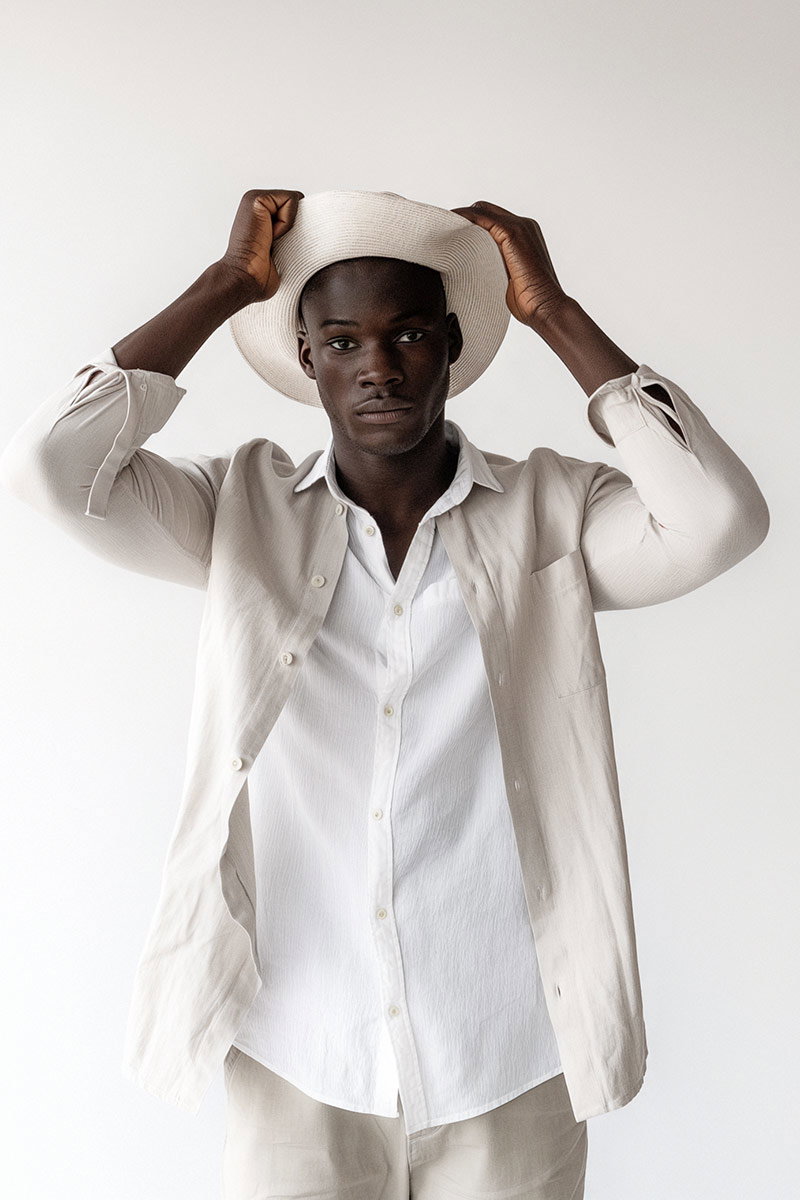
EyeMedia Studios is an award‑winning London studio specialising in headshots, modelling portfolios, e‑commerce and corporate photography. With more than 30 years’ experience, founder Bill Gidda focuses on a personalised approach and up‑to‑date techniques to help clients look and perform their best. From brand storytelling to polished professional portraits, EyeMedia Studios aims to deliver images that serve each client’s goals, incorporating the unique essence of the river thames.
Beyond history, photography in London today is a practical service for individuals and businesses. Photographers help capture professional headshots in the City, lifestyle portraits at parks and landmarks, or commercial shoots that work within local council rules. Knowledge of locations, timing and permissions — combined with technical skill — ensures shoots run smoothly and produce authentic images that fit the city’s busy, varied backdrop.
Photography made social problems visible in a new, hard‑to‑ignore way. Images by photographers such as John Thomson documented poverty and poor living conditions, helping to shape public debate and influence policymakers. Photography’s ability to combine evidence and empathy made it a powerful tool for advocacy.
Colour photography brought out the city’s vibrancy and made photographic representation feel closer to lived experience. Introduced widely in the mid‑20th century, colour opened new creative avenues for artists and commercial photographers alike, changing how London was portrayed in advertising, journalism and art.
Festivals such as the London Photography Festival showcase a range of work, from emerging talent to established practitioners. They provide exhibitions, talks and workshops that connect photographers with audiences, foster discussion and help new ideas circulate through the city’s creative communities.
Social media has broadened who can share and discover photography, making it easier for photographers to reach global audiences. Platforms prioritise quick visual storytelling, which has influenced style, format and distribution — while also creating new professional opportunities and challenges for photographers working in river thames.
London regularly hosts important exhibitions at venues such as The Photographers’ Gallery and the Victoria and Albert Museum. These shows range from historical retrospectives to contemporary projects and are central to the city’s cultural life, highlighting both established names and emerging voices.
Many contemporary artists revisit processes like the daguerreotype or calotype for their distinctive textures and qualities, or adopt compositional approaches from earlier photographers. Blending vintage techniques with modern tools lets photographers craft images that feel both timeless and fresh, capturing the essence of historical sites.
Tracing photography’s history in London shows how the medium has recorded, challenged and enriched city life — from early technical experiments to today’s fast, image‑driven world. The work of pioneers, institutions and successive generations of photographers created a legacy that still informs practice now. If you’d like to explore how professional photography can tell your story, EyeMedia Studios offers tailored sessions to help you create images that connect to that broader tradition.