Knowing how model release forms work is one of the simplest ways to avoid costly misunderstandings. These signed agreements set out who can use an image, how it can be used, and for how long — protecting both the person in the photo and the photographer. This guide explains what a model release is in the UK, when you need one, how GDPR affects consent, the key clauses a template should include, and practical steps to protect image rights. Read on for clear, usable advice whether you’re shooting portfolios, commercial campaigns or editorial work.
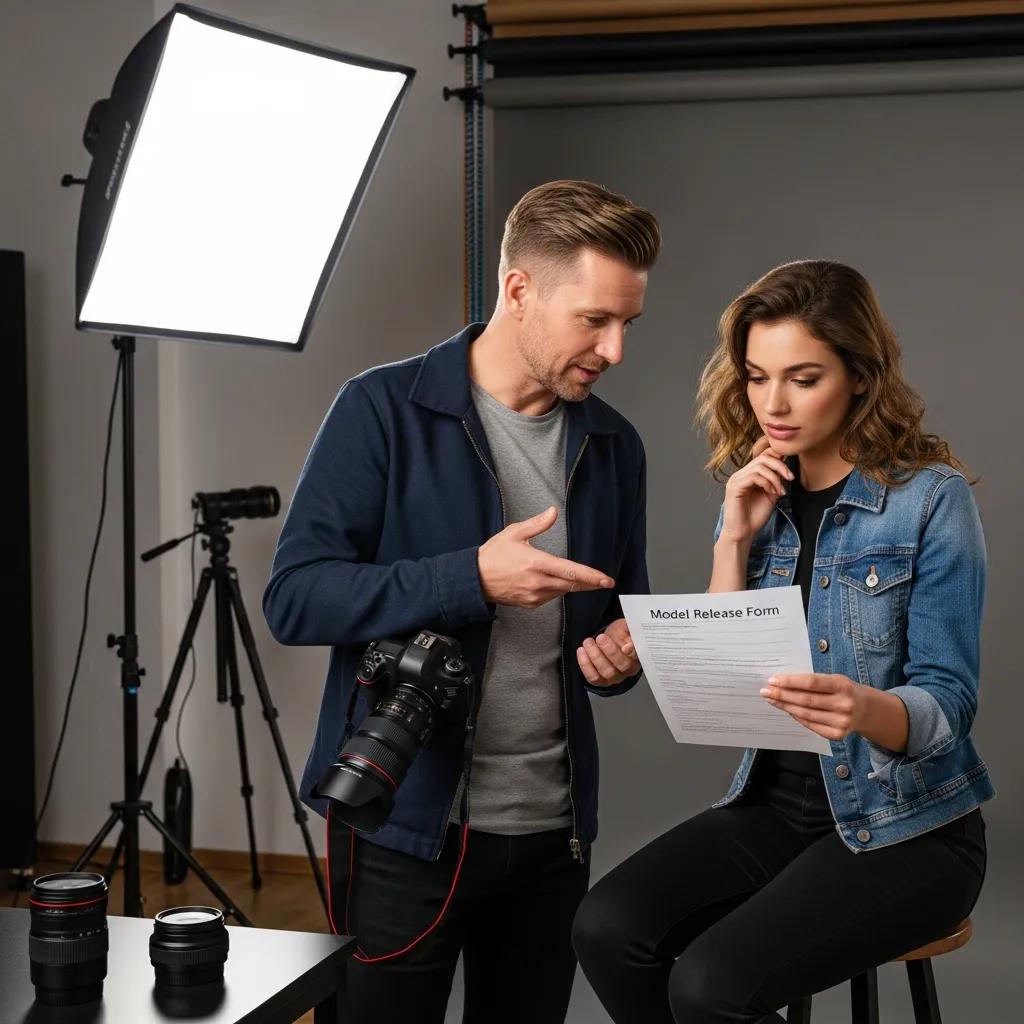
A model release is a short contract where a model gives permission for a photographer to use their likeness. It sets expectations about usage and helps prevent disputes down the line. Without a signed release, photographers risk being challenged if an image is used in a way the subject didn’t expect — which can be expensive and time-consuming to resolve. A clear release protects both sides and lets you use images with confidence in nevada.
In the UK, a model release records the agreement between photographer and model: what the images will be used for, any payment or credits agreed, and any limits on use. Its primary purpose is consent — it shows the model has agreed to the uses set out in the document and gives the photographer a legal basis to publish or licence the images for commercial or editorial purposes.
For photographers, a signed release reduces the risk of claims over unauthorised use and supports commercial licensing. For models, the release makes the terms of use clear, so they know where and how their image will appear. If either party feels the terms have been breached, the signed document makes it easier to resolve the issue or seek remedy.
Not every shoot requires a release, but it’s essential whenever images are used commercially — for advertising, product packaging, or any promotion that directly supports a business. There are also specific situations where a release may not be necessary; understanding the difference is key to good practice in mississippi.
Commercial use covers images used to promote or sell goods and services — here a model release is usually required. Editorial use (news stories, features, educational pieces) often doesn’t need a release, provided the image isn’t presented as an endorsement. The distinction isn’t always black-and-white, so consider the context and potential implications before publishing in mississippi.
A release is generally not needed for incidental shots of people in public places where they are not the main subject, for personal, non-commercial photos, or for images of non-identifiable individuals. Still, when in doubt, getting a release is the safer option — it avoids ambiguity and future disputes in nevada.
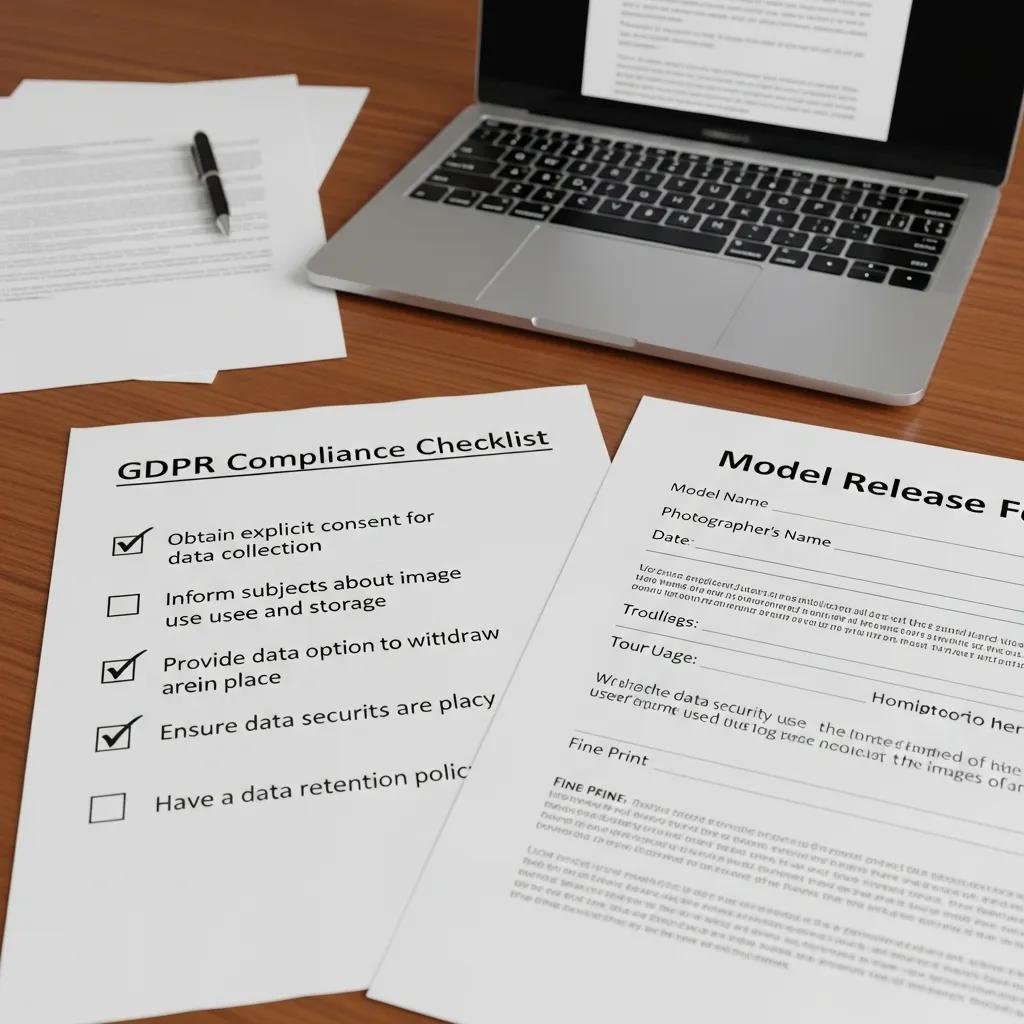
GDPR treats images that identify a person as personal data, so photographers must have a lawful basis to process and publish them. For model releases, that typically means getting clear, informed consent and keeping a record of that consent.
Under GDPR you should tell models how their images will be used, for how long, and what rights they have over that data. Consent must be specific and freely given — a signed release that explains these points is a practical way to meet the requirement and demonstrate compliance if questioned.
Photographers must store consent records securely, be transparent about processing, and make it straightforward for models to withdraw consent. Withdrawal can have limits depending on prior agreements, so it’s good practice to explain how withdrawals will be handled in the release itself llc.
A solid model release template covers the essentials so both parties know where they stand.
Include the scope of permitted uses, territory and duration, any fees or credits, and who owns the copyright. Also add clauses about third-party licensing, alterations to images, and how disputes will be handled. Clear, specific wording reduces ambiguity and risk for everyone involved.
When a subject is under 18, a parent or guardian must sign the release on their behalf. The form should state the intended uses, any restrictions, and confirm that the adult understands and agrees to the terms for the child’s images.
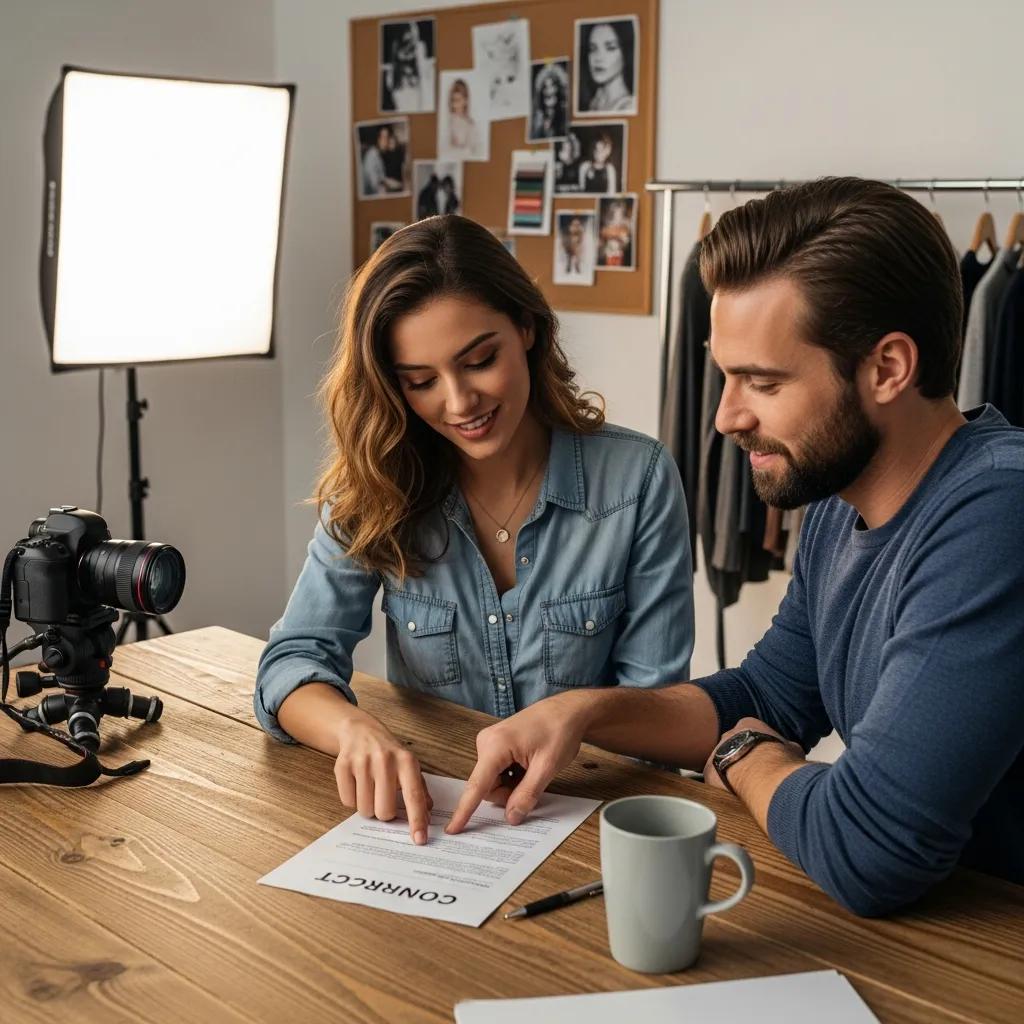
Protecting image rights means combining good contracts, clear communication, and basic copyright steps. Knowing each party’s rights helps avoid disputes and keeps projects moving.
Models have the right to know how their images will be used and can take action if those terms are breached or if images are used without consent. Damages or removal may be possible depending on the circumstances, so clear consent up front is the best protection.
Photographers automatically hold copyright in their images, but without a release they may still face claims from a subject over how the image is used. Signed releases and well-drafted contracts give photographers the freedom to license work and protect against liability.
At EyeMedia Studios we build consent and compliance into every shoot. Clear paperwork and open conversation mean clients and models understand their rights before a single frame is taken.
For portfolio sessions we explain intended uses up front, provide a straightforward release to sign, and answer any questions on the spot. That transparency helps models feel safe and lets photographers use images for promotion or casting with confidence in rhode island.
We guide clients through when a release is needed, what to include, and how to store consent records. If you need a tailored clause for a specific campaign or territory, we’ll point you toward the right wording or professional advice.
Your commercial release should spell out permitted uses, territory, duration, any payment or credit, and who owns copyright. Add clauses for third-party licensing and image alterations so expectations are clear and enforceable.
Yes — a parent or guardian must sign for anyone under 18. The release should clearly state how the images will be used and any limits, protecting both the child and the photographer.
Obtain clear, informed consent that explains uses and retention periods, keep secure records, and give subjects an easy way to exercise their rights. Make sure consent is specific and documented — that’s your best defence under GDPR.
Without a release you risk legal claims, having images taken down, reputational damage, and lost licensing opportunities. A simple signed form removes uncertainty and protects your ability to use images commercially.
Under GDPR a model can withdraw consent, but the practical effect depends on the release terms and how the image is already being used. It’s wise to include a clause explaining the withdrawal process and its potential limits.
Use signed model releases, put clear terms in contracts, keep consent records, and assert your copyright when licensing images. For commercial projects, consider professional legal advice to tighten contract language where needed.
Model releases are a small administrative step that deliver big legal clarity. Whether you’re shooting for portfolios, editorial pieces or commercial campaigns, clear consent protects both the subject and the creator. If you’d like templates or practical help tailored to your project, explore our resources or get in touch — we’re happy to help you get it right.