Commercial photography law is the set of rules that governs how photographs are made, used and shared in a business context. Knowing these rules protects both photographers and clients — from who owns an image to how it can be published or repurposed. This guide walks through the essentials: contracts, image-usage licences, model releases, copyright basics, licensing fees and ways to reduce legal risk. Read on and you’ll gain clear, practical steps to avoid common pitfalls and keep your projects running smoothly.
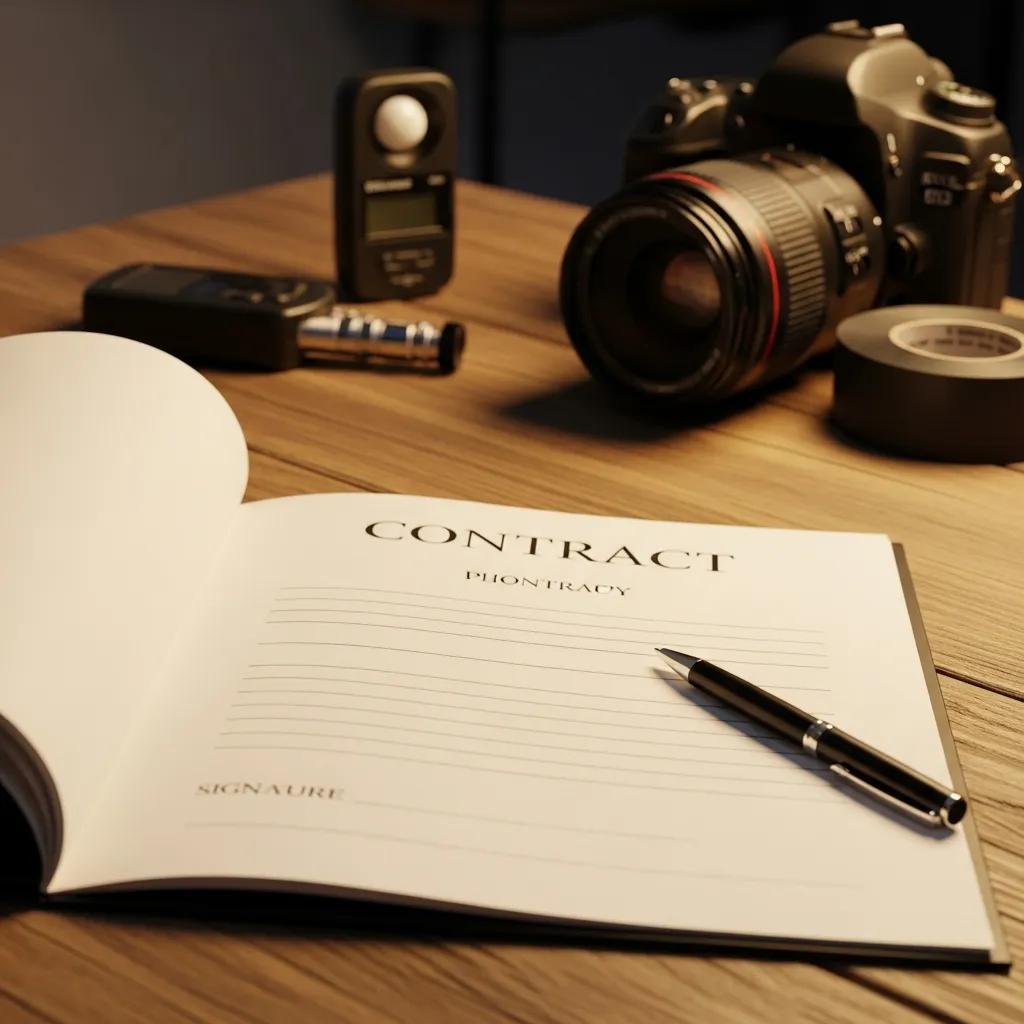
Photography contracts set out, in writing, what the photographer will deliver and what the client expects in return. They reduce uncertainty by spelling out responsibilities, timelines and payment — and they form the first line of defence if a disagreement arises.
A clear, well-written contract protects both sides: it secures payment and intellectual property for the photographer, and it guarantees deliverables and lawful usage for the client.
Including these items makes expectations explicit and protects the interests of both the photographer and the client.
Contracts act as a practical legal safeguard. For photographers, they confirm fees, delivery dates and ownership or licensing terms. For clients, contracts make sure they receive the agreed work and have the rights needed for their campaigns.
When there’s no contract, both parties are exposed to misunderstandings, unpaid work or legal disputes — problems that are far more costly than taking the time to agree terms up front.
At EyeMedia Studios we always recommend signed agreements for every job to keep projects on track and protect everyone involved.
Image usage rights define what a client can do with photographs — where, for how long and for what purpose. Getting these terms right prevents accidental overuse and ensures the photographer’s work is respected.
Licences commonly include geographic limits (e.g. UK only) and timeframes (e.g. 12 months). These boundaries protect a photographer’s ability to re-licence work later and help clients pay for exactly the reach they need. Discuss and record any geographic or duration limits in the contract to avoid misunderstandings.
If you want real examples of how licences are structured, browse EyeMedia Studios’ portfolio to see usage applied across different commercial projects.
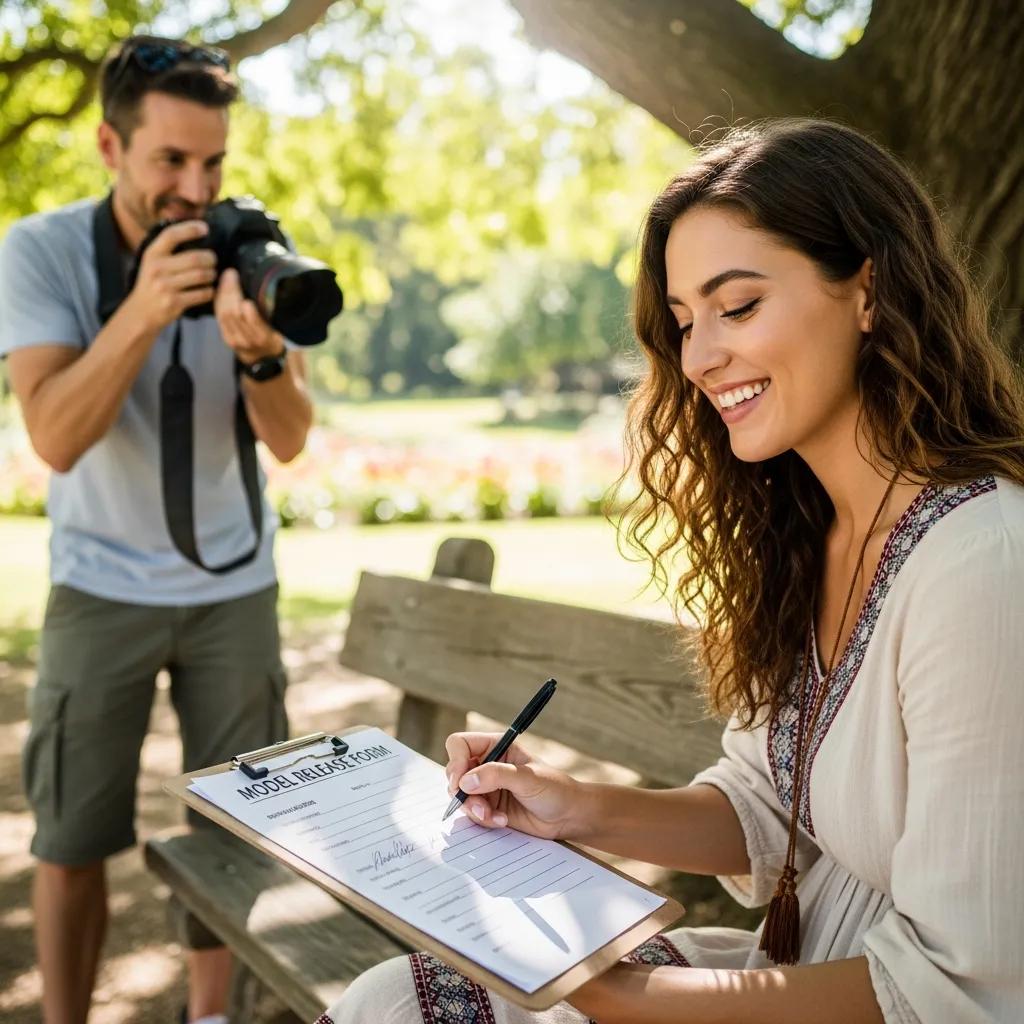
A model release is a simple legal permission from a person photographed, allowing their likeness to be used for specified purposes. It’s a crucial document when photos will appear in advertising, promotions or other public-facing work.
Model releases give photographers legal certainty that the subject has agreed to the intended uses—reducing the risk of claims for invasion of privacy or misuse of likeness. Without a signed release, a model could challenge the use of their image, especially in commercial contexts.
These steps ensure you have the permissions you need to use images safely and professionally.
Copyright gives photographers exclusive rights to their creative work the moment an image is created. Knowing how copyright works helps photographers control use, reproduction and distribution of their images.
Photographs are protected as intellectual property. As the author, a photographer owns the copyright on creation — this ownership lets them set licence terms and control how images are exploited.
Taking these steps reduces risk and helps photographers enforce their rights when necessary.
Licensing fees are payment for the right to use an image. Fees and terms should reflect the intended use, duration and geographic reach so both parties are fairly compensated.
Photographers should list licensing fees and the factors that affect them clearly in the contract to avoid confusion.
Good licensing negotiations are transparent and practical. Photographers should explain their pricing and the value behind it; clients should state their needs up front so the licence matches the campaign. Clear communication leads to fair, workable agreements.
EyeMedia Studios aims for transparent pricing and flexible licences so clients get the coverage they need without surprises.
Legal risk comes from unclear contracts, unauthorised image use and missing releases. Understanding common issues and applying consistent processes keeps projects safe and predictable.
Learning from case examples helps photographers and clients avoid similar mistakes.
To lower legal risk, photographers should:
Following these practices reduces disputes and keeps creative work focused on results, not litigation.
Understanding commercial photography law helps both photographers and clients work together confidently. By paying attention to contracts, usage licences, model releases, copyright and fees, you can protect creative work and keep projects moving. EyeMedia Studios combines professional production with clear legal practice so our clients can focus on the creative outcome.
Include the model’s full name and contact details, a plain-English description of how the images will be used, and a clear statement of the rights the model is granting (exclusive or non-exclusive). Add a signature and date line to confirm consent. This record is essential if questions about usage arise later.
Register important images where registration is available, track online use of your work and act on unauthorised uses. Make licence limits explicit in contracts so clients know what they can and can’t do. These steps make enforcement more straightforward if infringement occurs.
Without a contract you face misaligned expectations, unpaid work, and greater exposure to disputes over usage and ownership. A written agreement reduces these risks and provides a clear remedy if problems occur — in short, it’s essential for professional practice.
Fees change with the type of use (commercial vs editorial), how long the client needs the images and where they will be used geographically. A national ad campaign will usually cost more than a local social post. Make sure the contract lists these variables so pricing is transparent.
Read and confirm the licence terms in your contract, ask the photographer if you need additional uses, and keep records of permissions. If you plan to expand the campaign’s reach or duration, agree a licence extension in writing before publishing.
Photographers commonly deal with contract disputes, unauthorised image use and missing model releases. These issues can lead to financial loss or legal claims, so proactive contracts, clear licences and proper releases are the best defence.