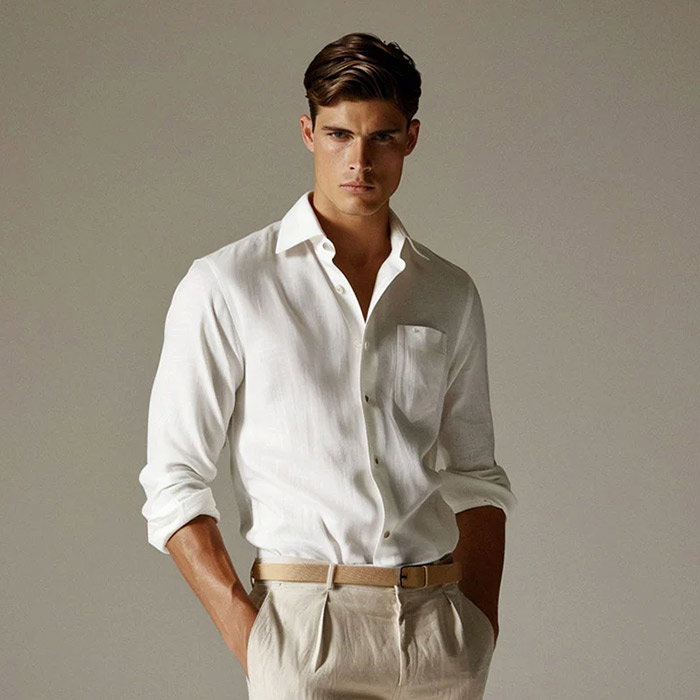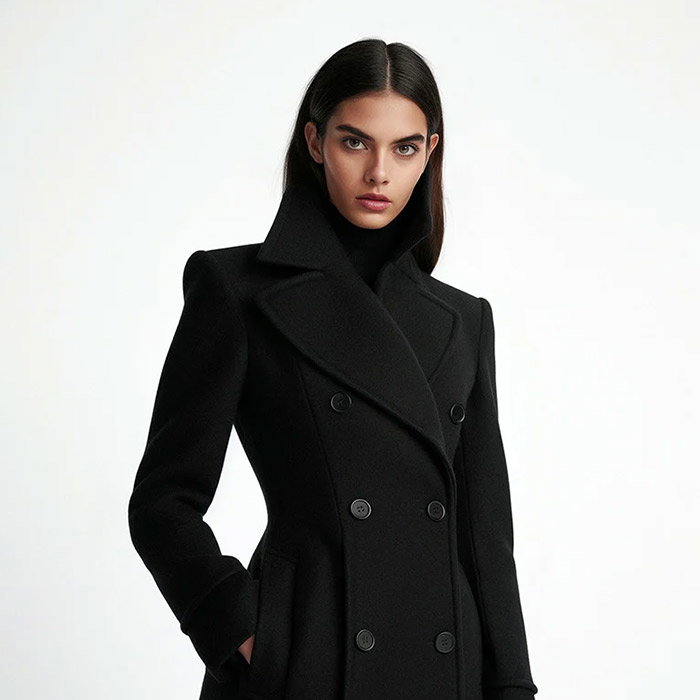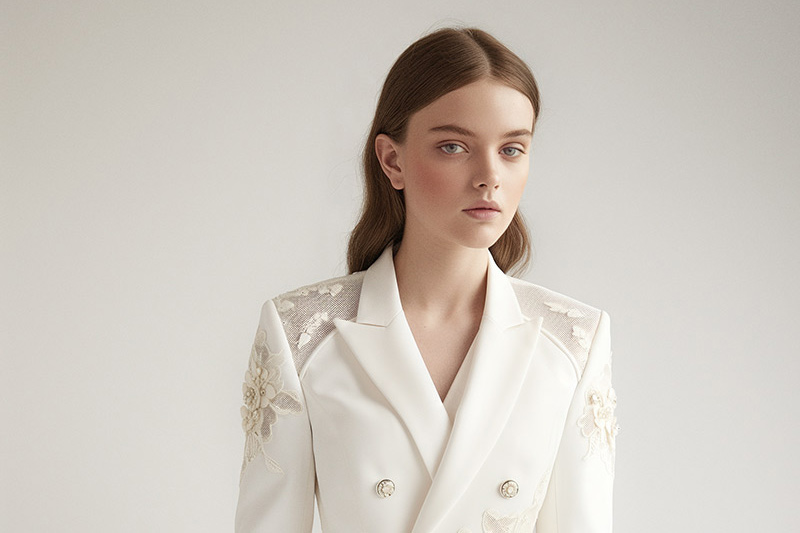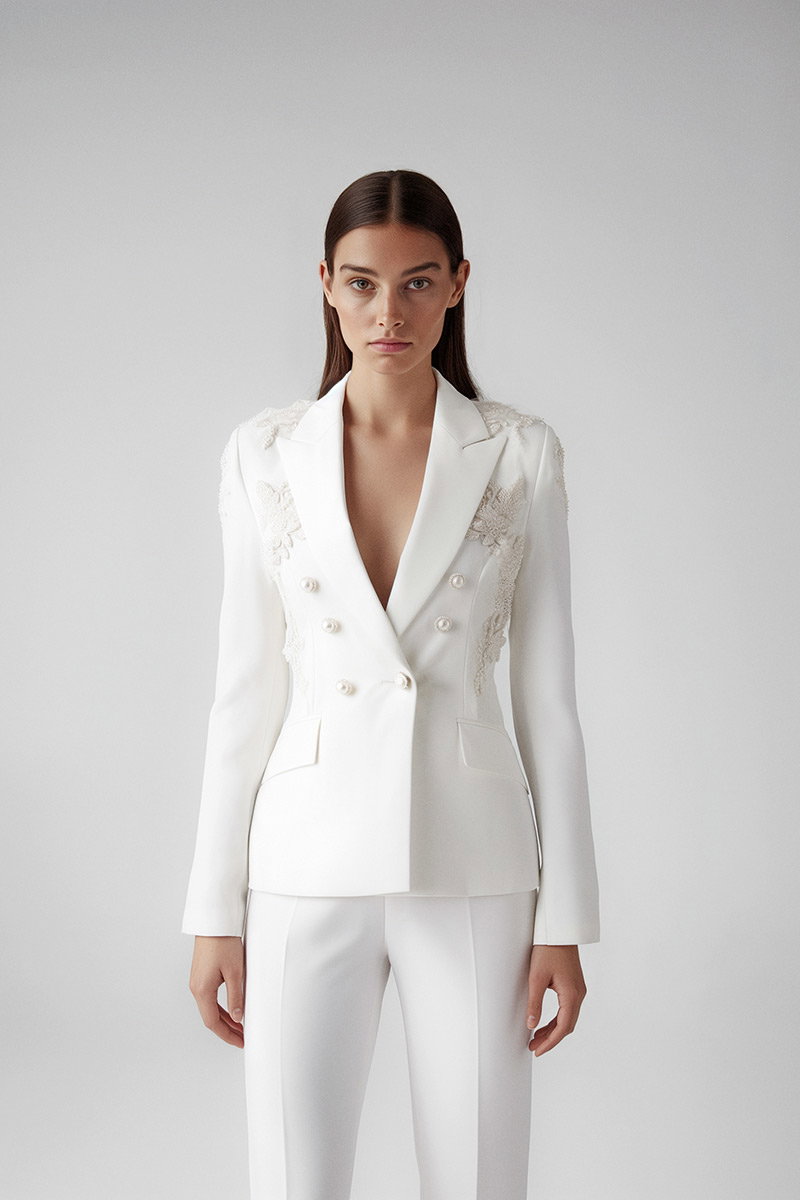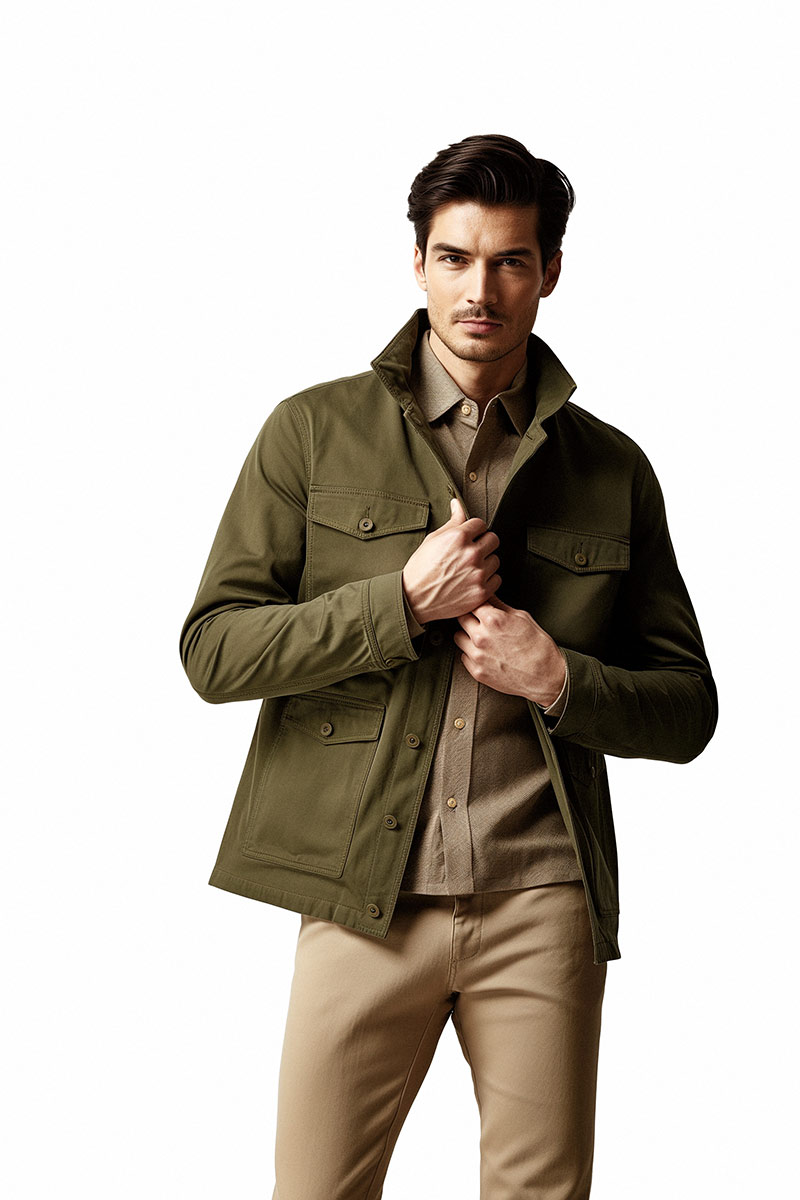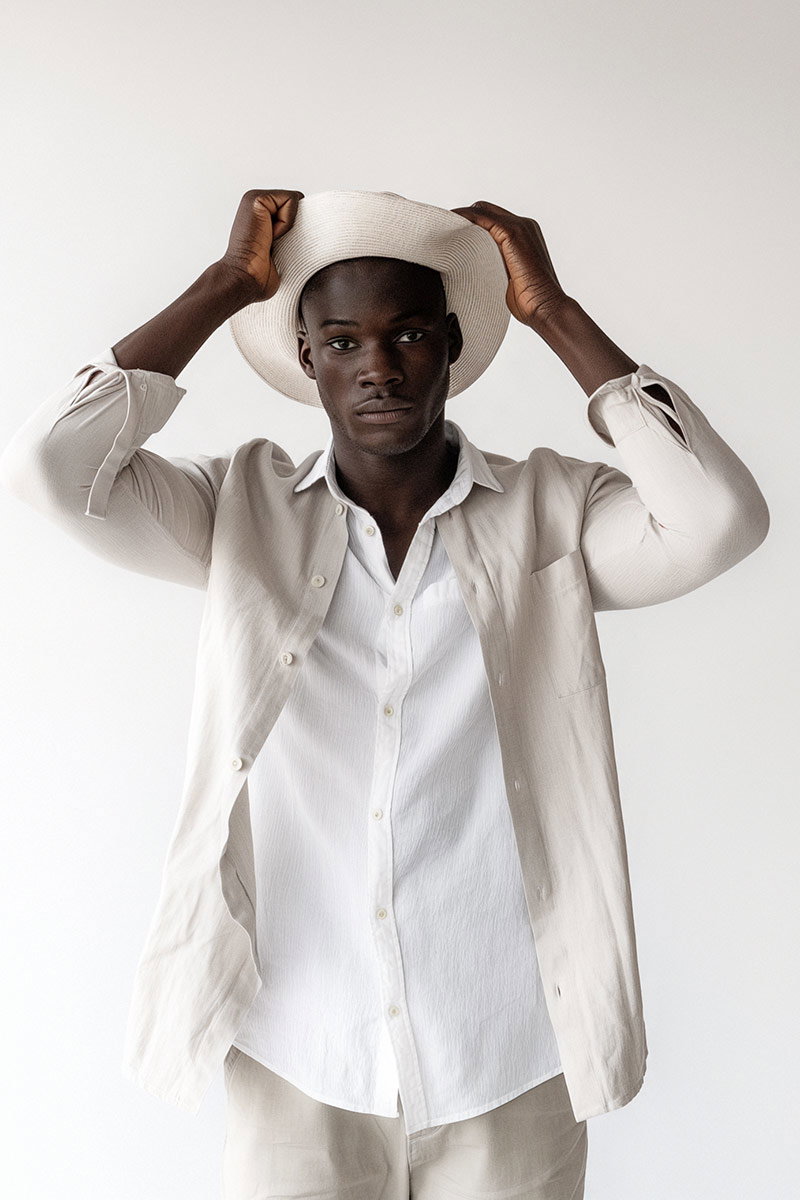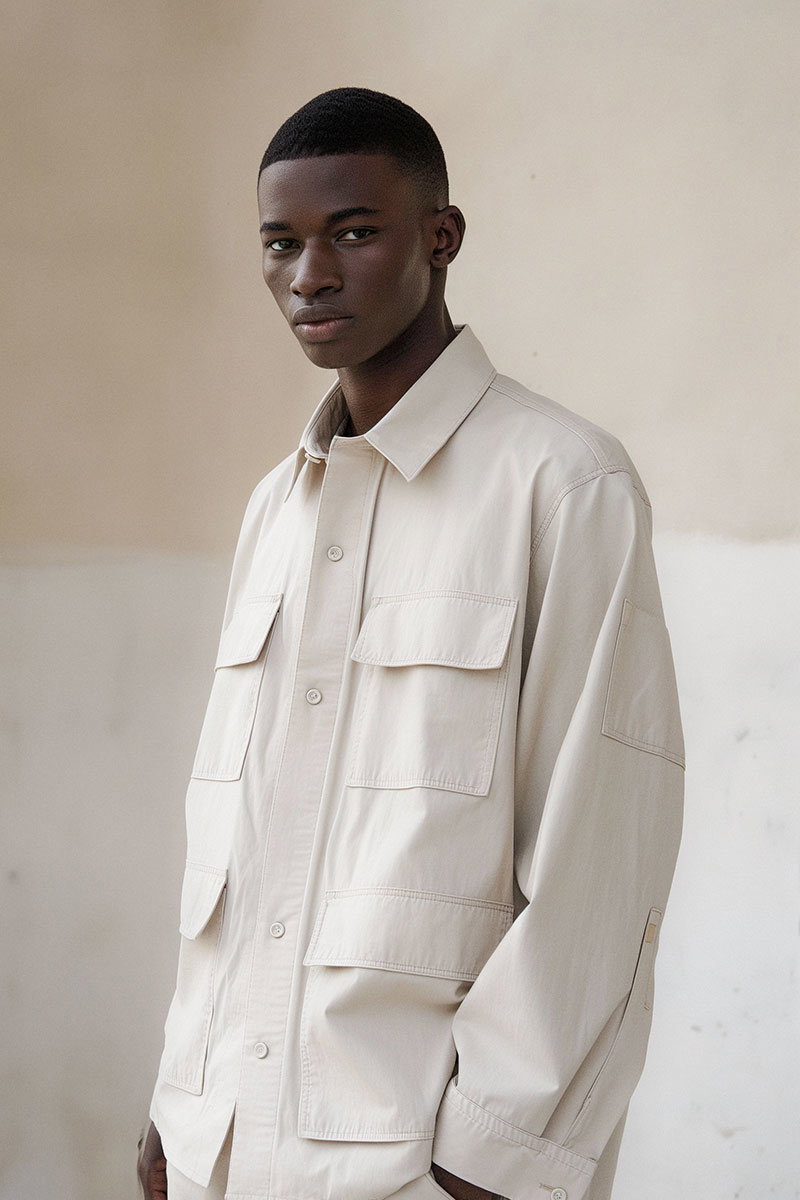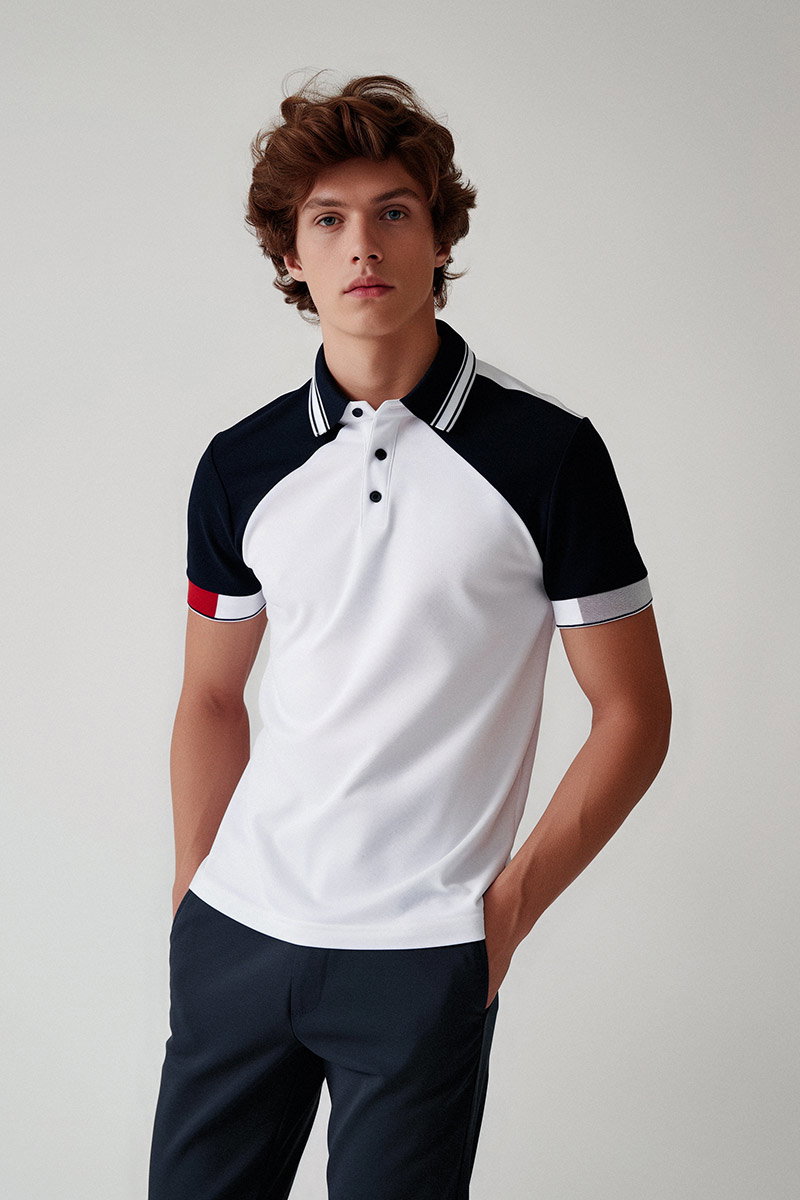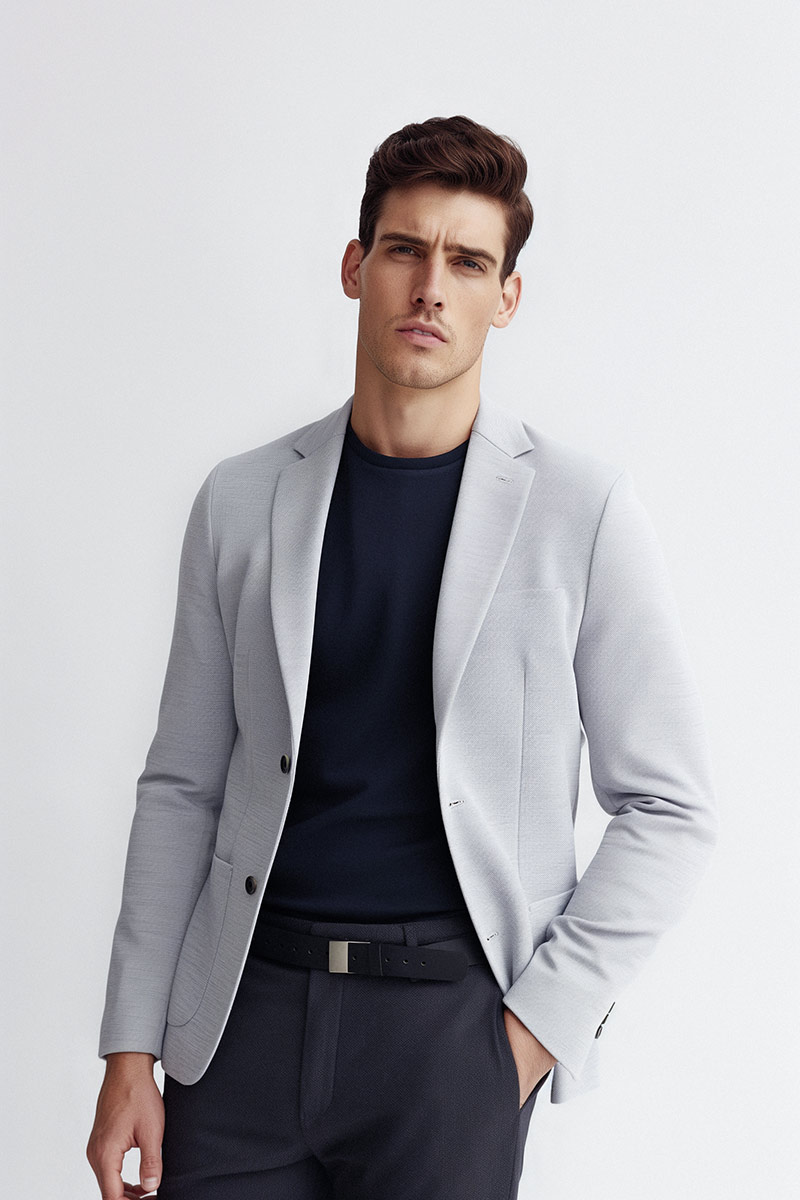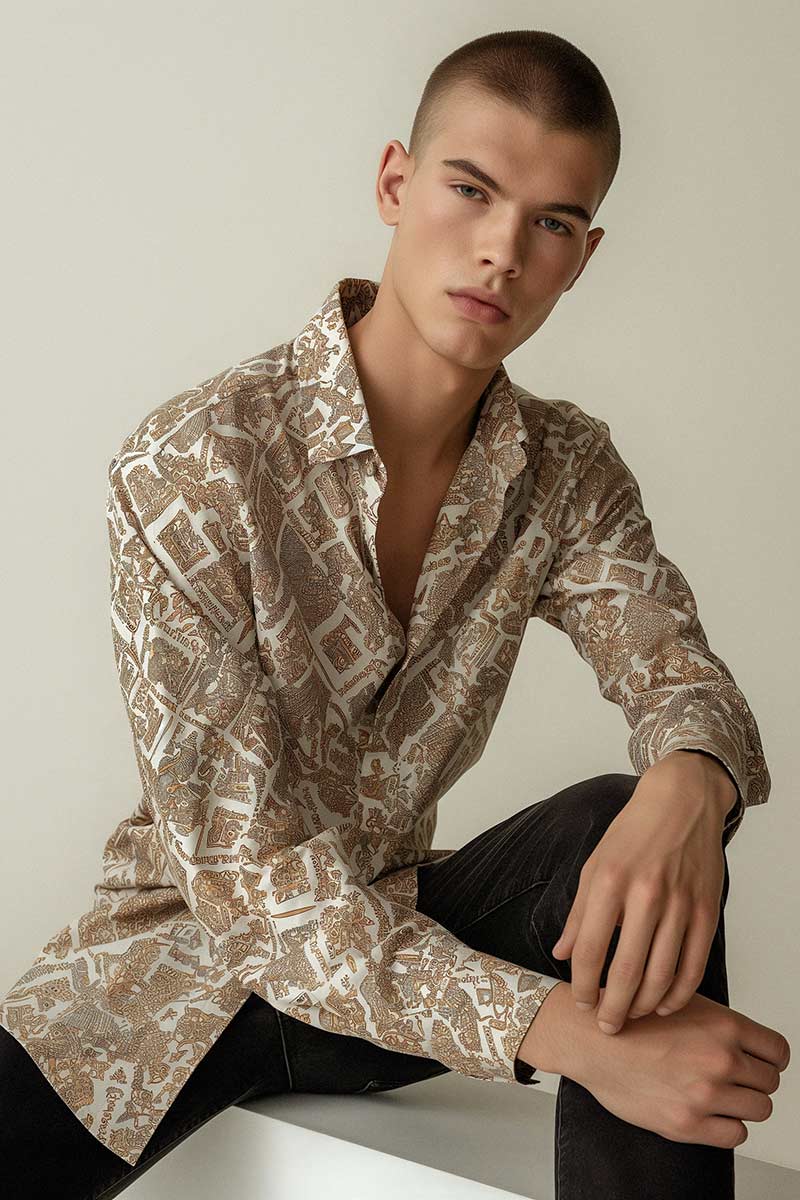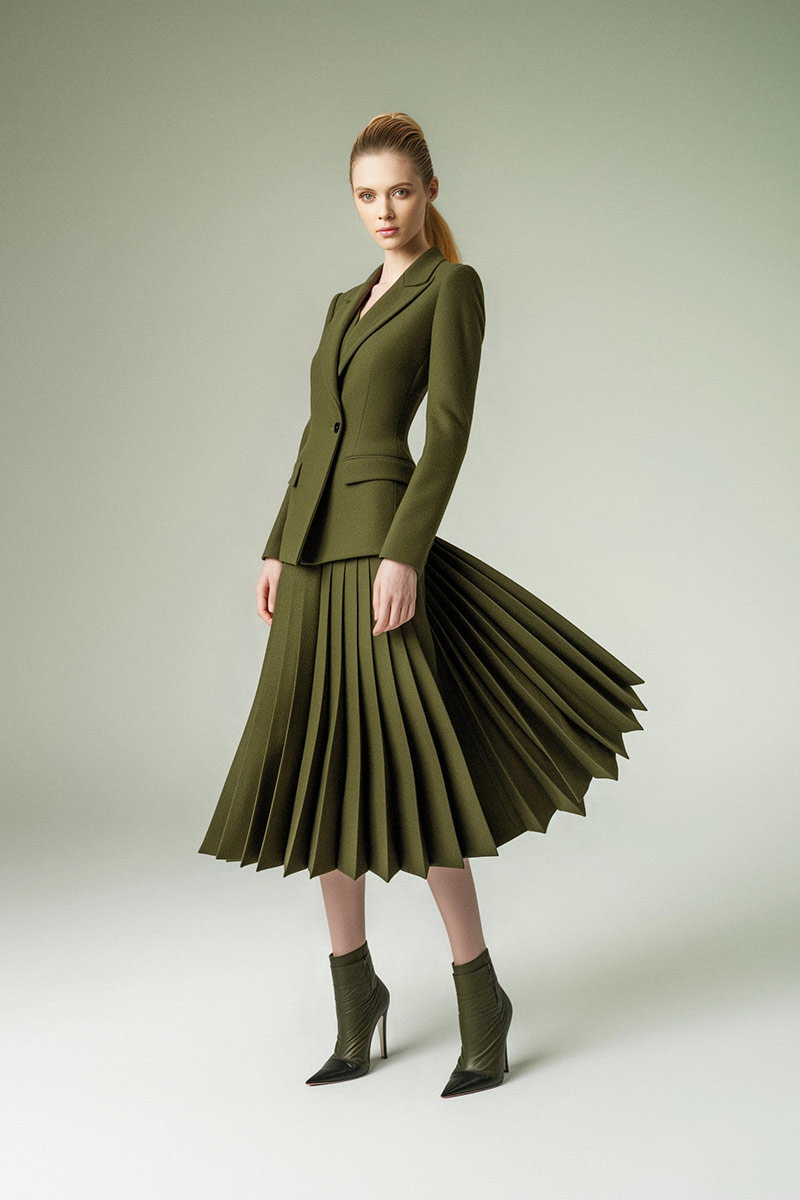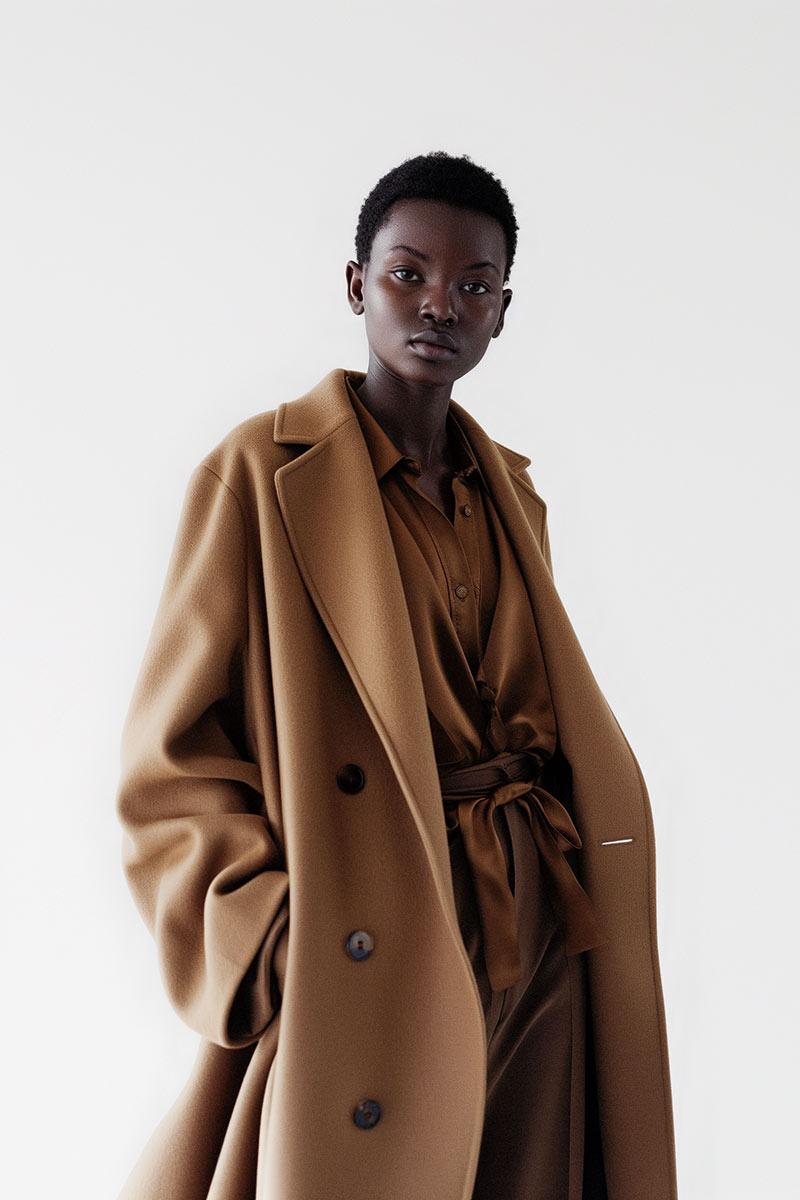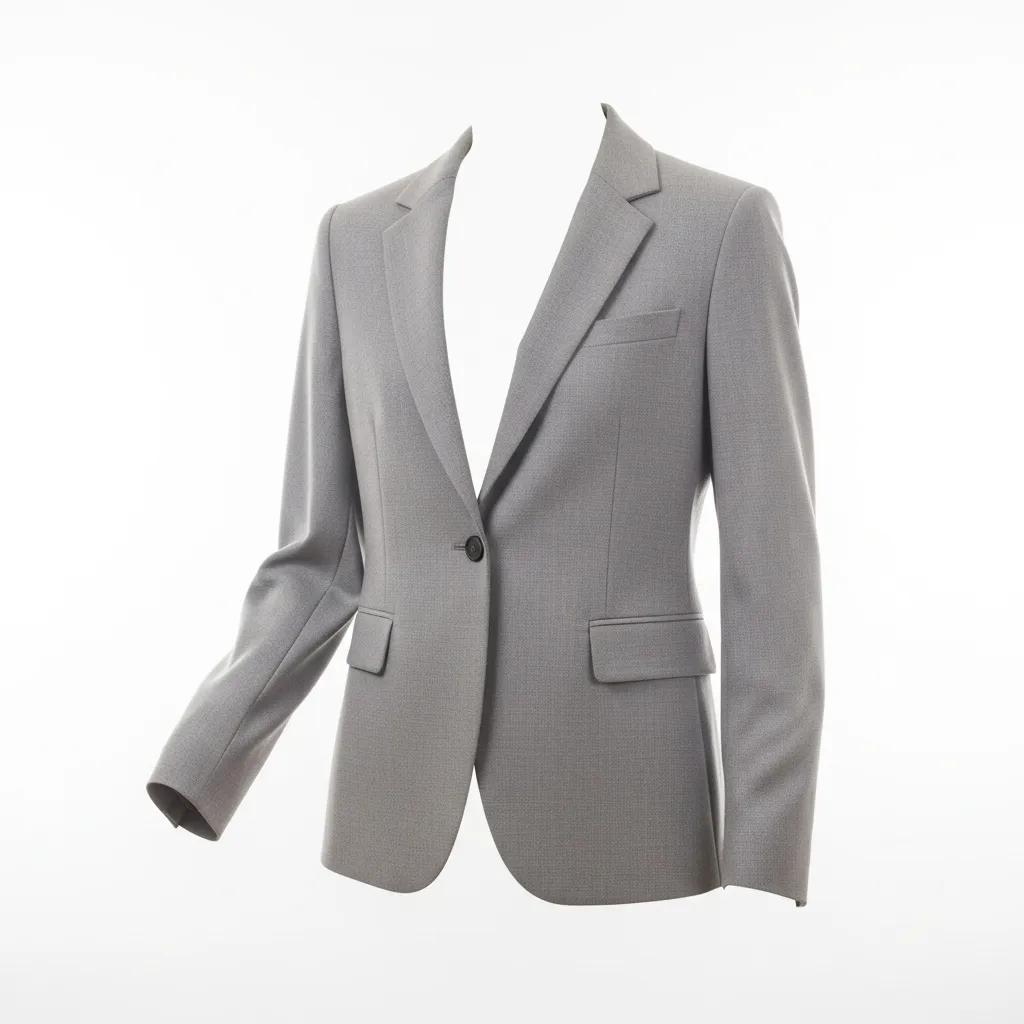
Ghost mannequin (or invisible mannequin) photography is a specialist studio technique that gives clothing a convincing 3D presence — garments look worn, without a visible model. For ecommerce teams this approach improves product clarity and helps shoppers picture fit and cut. Below we explain how the technique works, the commercial benefits for online retailers, and why EyeMedia Studios is a go-to partner in London. You’ll also find a clear breakdown of our workflow, product photography guide and portfolio examples.
Ghost mannequin photography presents clothes so their shape and construction are the focus, not the support behind them. Photographers capture staged shots and then use precise digital editing to remove the mannequin, producing a clean, wearable silhouette. The end result is a tidy, professional product image that performs well on product pages and marketplaces.
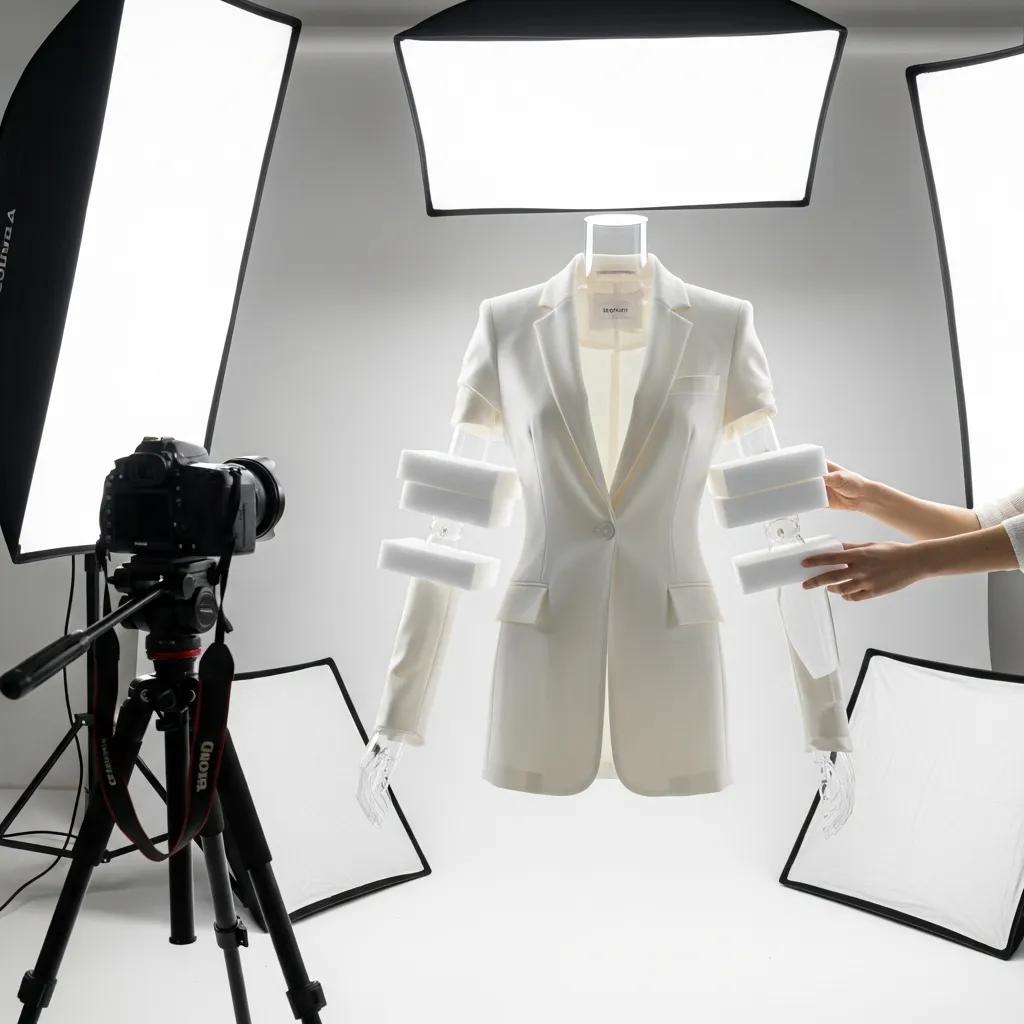
To create a lifelike 3D visual we shoot the garment from several angles, often using a mannequin to support structure and shape. In post-production we combine those frames, remove the supports and retouch seams and shadows so the clothing appears naturally filled out. The process shows how a piece drapes and where it sits on the body — without distractions.
London apparel brands work with EyeMedia Studios because we combine technical craft with practical e‑commerce experience. Our shoots are tailored to each product and marketplace spec, so imagery is not only beautiful but also conversion-focused.
We start by understanding your brand rules and commercial goals, then plan the shoot to match those needs — from styling and fit to image dimensions and retouching level. That collaborative approach keeps results consistent with your creative direction and sales strategy, especially in terms of product photography.
Bill Gidda, founder and lead photographer at EyeMedia Studios, brings over 25 years’ experience in fashion and product photography. His practical knowledge of cut, fabric behaviour and lighting ensures each image captures the garment’s character and sells it effectively online.
Invisible mannequin photography delivers several clear advantages for online retailers: stronger product presentation, improved buyer confidence and fewer returns — all of which support healthier sales performance.
High-quality product images directly influence buying decisions. Ghost mannequin images make garments easier to understand — shoppers can see structure, proportions and how a piece sits — which increases trust and encourages purchases.
By showing realistic fit and movement, 3D garment imagery reduces surprises when the item arrives. Customers who understand what they’re buying return items less often, improving satisfaction and lowering retailer costs.
Our process is built for clarity and speed. We manage everything from careful garment prep and consistent capture to precise retouching, so clients receive polished assets that meet their platform requirements.
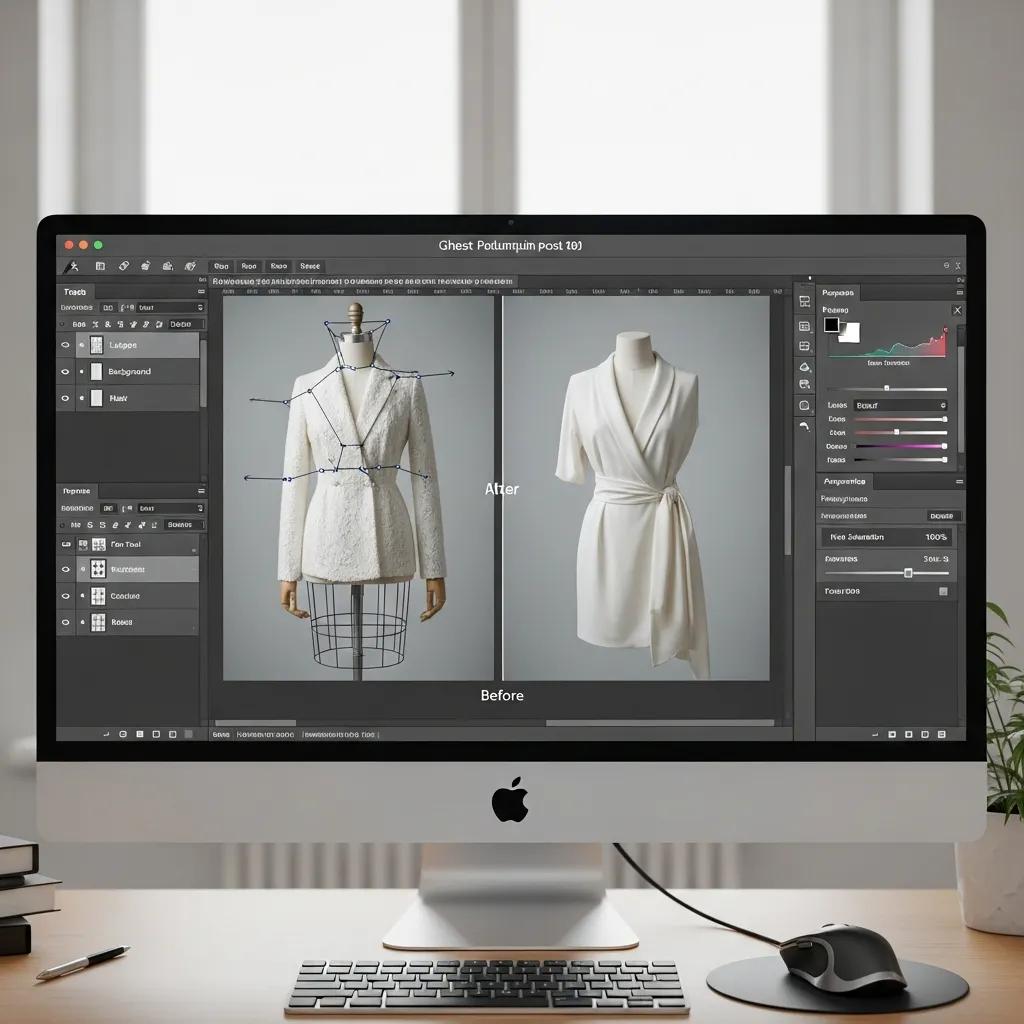
Post-production is where the invisible effect is perfected: we composite shots, remove supports and refine edges so the garment reads naturally. Colour matching, shadow work and final retouching ensure consistency across product ranges and platforms.
We offer flexible packages to suit different volumes and levels of finish, from single-piece shoots to full catalogue productions. Packages are designed to balance quality, speed and cost for each client’s needs.
Pricing depends on shoot complexity and image quantity. Clients can choose fixed packages or bespoke quotes for larger projects — ensuring the service matches their budget and delivery expectations.
Turnaround varies by package and workload, but we typically deliver final images within 5 to 7 business days after the shoot. Faster options are available for priority projects.
Our portfolio highlights real client projects and illustrates how ghost mannequin imagery lifts product presentation. Case studies demonstrate the visual and commercial impact of our work.
Portfolio shots show consistent attention to shape, fabric detail and colour accuracy. They reflect our commitment to producing images that are both visually strong and e‑commerce ready.
Clients report clearer product pages, higher engagement and improved conversion metrics after switching to ghost mannequin imagery. Many also cite fewer returns and smoother listing workflows as direct benefits.
In short, ghost mannequin photography is a practical investment for any e‑commerce brand serious about product presentation. EyeMedia Studios blends craft, technical rigour and e‑commerce know‑how to deliver images that perform — helping you present products with clarity and confidence.
Ghost mannequin photography works well for a broad range of garments — dresses, shirts, jackets, knitwear and activewear all benefit. Pieces with defined structure, interesting cuts or textured fabrics particularly gain from the technique because it highlights shape and detail without distraction.
Yes — the technique adapts to certain accessories like bags, hats and shoes, where removing visible supports improves focus on the product. Effectiveness depends on the item’s form and how well it photographs without a model or hand props.
Good preparation saves time and improves results: deliver clean, pressed items in the correct sizes, and note any special styling requests. Communicating fabric quirks or fit notes beforehand helps our team plan the shoot and produce consistent images.
Even, soft lighting is essential — we use softboxes and controlled studio sources to reduce harsh shadows and reveal texture. Backlighting or rim light is often added to enhance separation and the 3D feel, while accurate colour rendering is prioritised for online listings.
Adobe Photoshop is the industry standard for invisible mannequin compositing and retouching; Lightroom is used for colour work and batch processing. For budget-conscious clients, tools like GIMP can perform many tasks, though Photoshop offers the most precision for complex edits.
Typical challenges include achieving natural garment positioning, avoiding visible supports and getting consistent lighting across batches. Careful styling, controlled capture and attentive retouching address these issues — and clear communication with the studio minimizes surprises during production.