Images are the fastest way people understand who you are. This article walks you through practical visual-branding methods and emotional photography techniques that help your audience recognise—and feel—your story. You’ll learn why authentic imagery matters, how to plan shoots that reflect your values, and how professional photography lifts a brand from “seen” to “remembered.” We’ll finish with clear steps to prepare and book a brand-storytelling session so you get photos that genuinely work for your marketing.
Brand storytelling uses visual narratives to communicate what your brand stands for—its values, purpose and personality. When your visuals tell a consistent story they make your identity memorable and relatable. Thoughtfully crafted images can evoke the right emotions, helping people recognise you and choose you over competitors.
People connect with stories, not specs. A single authentic photo—an unrehearsed smile, a quiet moment on the shop floor—can trigger nostalgia, trust or excitement. That emotional response increases engagement and makes your brand feel human. Research consistently shows that stories influence attention and decision-making far more than product facts alone.
Visual narratives give context to your message. Colour, framing and style work together to signal who you are and what you value. When those elements are consistent, they create recognition and reinforce trust. Look at brands that use visual storytelling well and you’ll see clearer positioning, stronger recall and deeper customer loyalty.

Emotional branding photography focuses on moments that feel real. Those images act like short stories: they invite viewers in, prompt a feeling, and make your message stick. Used well, they influence perception, encourage shares, and nudge behaviour—without a single line of copy.
Use candid moments, natural light and compositions that prioritise human connection. Colour palettes set mood—warm tones feel welcoming, cooler hues can read more professional. Include small narrative details: hands at work, exchanged glances, textured environments. These choices communicate values—community, craft, care—without spelling them out.
Authenticity builds credibility. Audiences can spot staged or clichéd imagery quickly, and it weakens trust. Real behind-the-scenes moments, customer interactions and unscripted details show your brand’s human side and make your story believable. Authentic photos convert better because they reduce the distance between brand and audience.

Corporate photography should communicate confidence and clarity. That means considered composition, a restrained colour palette, and a consistent visual style that reflects your brand’s values—whether that’s innovation, reliability or approachability.
Composition directs attention and tells the viewer what matters. Colour evokes mood and strengthens recognition when used consistently. Style—whether candid, editorial or staged—sets expectations about your brand’s personality. Together these elements shape first impressions and long-term perception.
Keep visuals consistent across channels, use high-quality imagery, and include narrative elements like employee stories or customer moments. Build a shot list that supports your messaging pillars, and make sure every image serves a purpose: explain a service, show culture, or illustrate impact.
Professional photographers bring technical skill and storytelling experience. They translate your brief into a visual strategy—matching lighting, composition and mood to the story you want to tell. The result is a library of assets that perform across web, social and print.
Working with specialists gives you better planning, consistent style and images that align with marketing goals. Professionals know how to capture emotion intentionally, manage shoots efficiently and deliver edited assets that fit your brand’s visual system.
At EyeMedia Studios we focus on storytelling photography—helping businesses turn their values and customer moments into images that carry real impact.
A successful session starts with a clear brief and a pre-shoot consultation. From there we plan locations, props and a shot list, then capture a mix of hero images and supporting assets. Post-shoot, images are selected and edited to match your visual guidelines so they’re ready for use across channels.
Portfolios and case studies show how visual choices translate into results. They reveal recurring techniques—framing, lighting, narrative cues—that consistently resonate with audiences, and they provide real examples of how images support brand goals.
A strong portfolio highlights context: the problem, the photographic approach, and the outcome. Seeing how a brand used images to communicate a message clarifies which visual strategies might work for you.
Look for case studies where imagery led to measurable engagement—higher clicks, longer site visits or stronger social interaction. Often these successes pair customer or employee stories with imagery that emphasises authentic moments and clear emotion.
Preparation reduces friction on shoot day and helps you get the images you need. The clearer you are about goals, the smoother the session and the more usable the final assets.
Start with objectives: what do you want people to feel and do after seeing your images? Share brand guidelines, a shot list and logistics with your photographer. Confirm location access, wardrobe and any permits in advance so the shoot stays on schedule.
Collaborate closely with the photographer, be open to creative direction, and focus on capturing genuine moments rather than perfect poses. After the shoot, plan how each image will be used—website hero, social post, ad creative—so you can edit and crop assets for their intended channels.
Good imagery turns a message into an experience. By applying visual storytelling principles, prioritising authenticity and working with experienced photographers, you’ll create images that connect, convert and last. Prepare well, collaborate openly, and use your photos strategically to build stronger, longer-lasting relationships with your audience.
We help brands tell their stories through confident, considered photography. With more than a decade of experience, our team blends technical skill with strategic thinking to create images that reflect real people and real values. We believe every brand has a story worth sharing — and we aim to reveal it honestly and memorably.
Trust and craftsmanship guide everything we do. We work closely with clients to ensure each image aligns with brand intent and performs across channels. Our process is collaborative and transparent, and our portfolio includes many examples where visual strategy measurably improved recognition and engagement.
Avoid overused stock photos, mixed visual styles and images that don’t reflect your actual brand or customers. Inconsistent visuals dilute your message—choose images that align with your values and the audience you want to reach.
Track engagement metrics—social likes, shares and comments, time on page and conversion rates. Use analytics to compare how pages with new imagery perform versus old assets. Surveys and customer feedback are also useful to gauge whether images are communicating the intended message.
Social platforms are where visuals meet audience attention. They let you test creative ideas quickly, build community and amplify stories through shared moments. Instagram and Pinterest are particularly strong for visually led narratives, while LinkedIn suits more professional storytelling.
Create clear brand guidelines—colour palettes, image styles, tone and usage rules—and apply them across channels. Regular content reviews help maintain consistency as campaigns evolve.
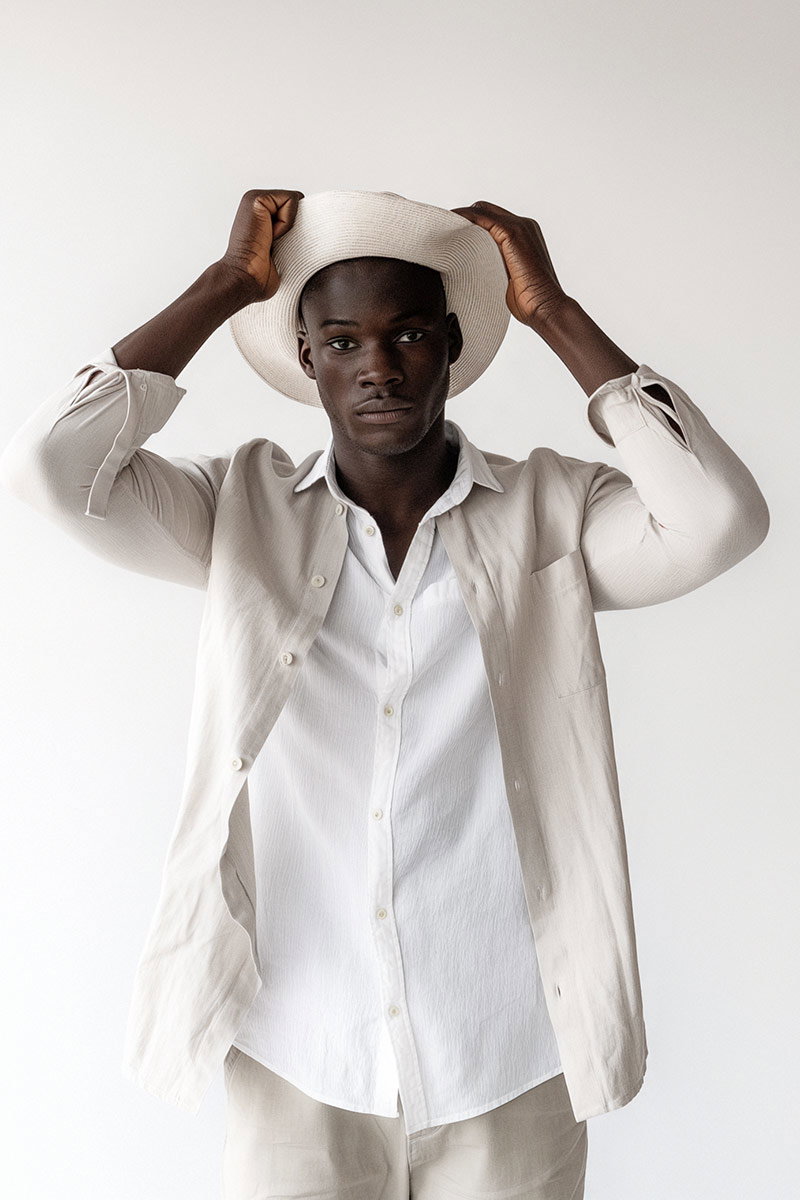
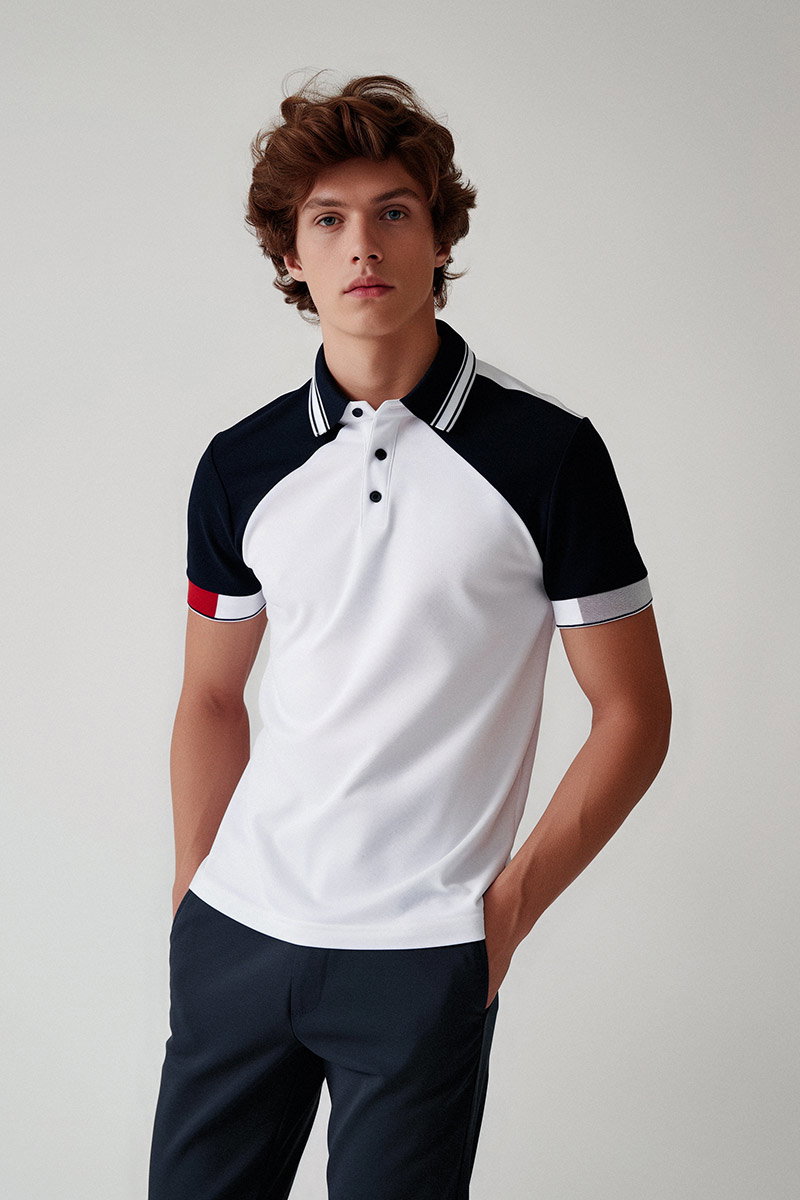
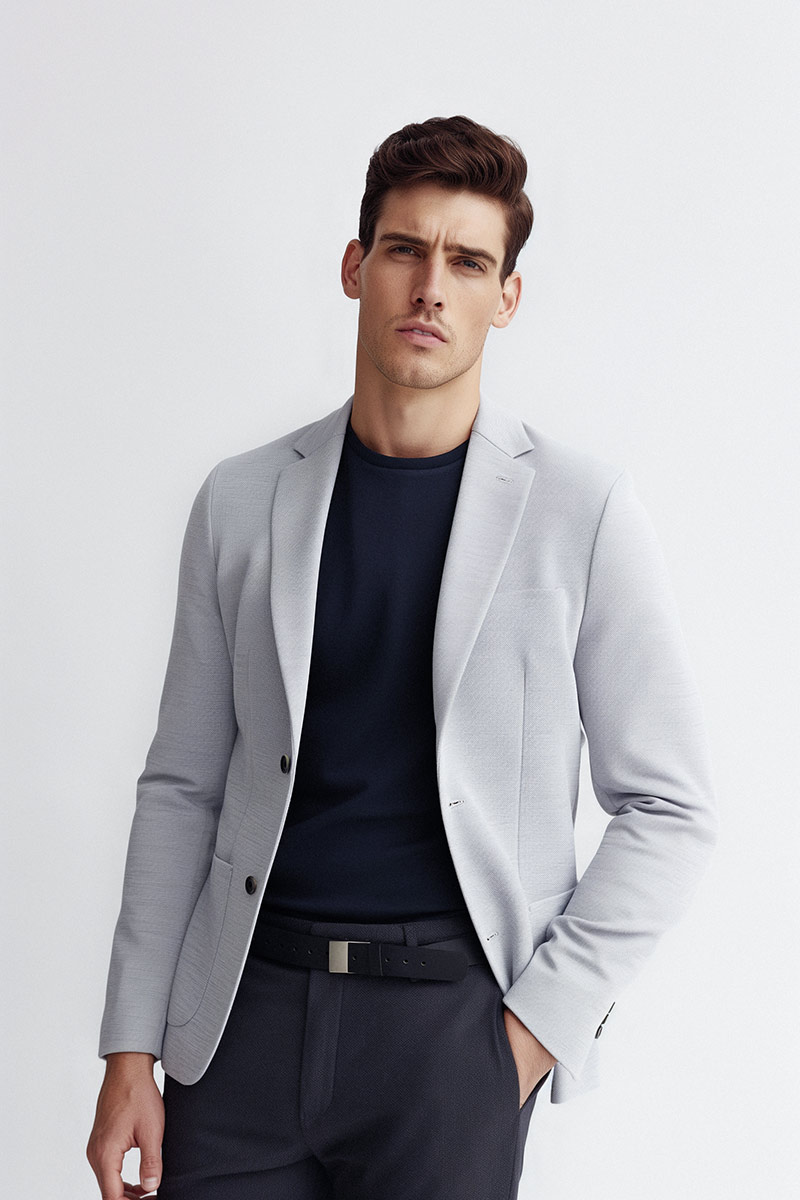
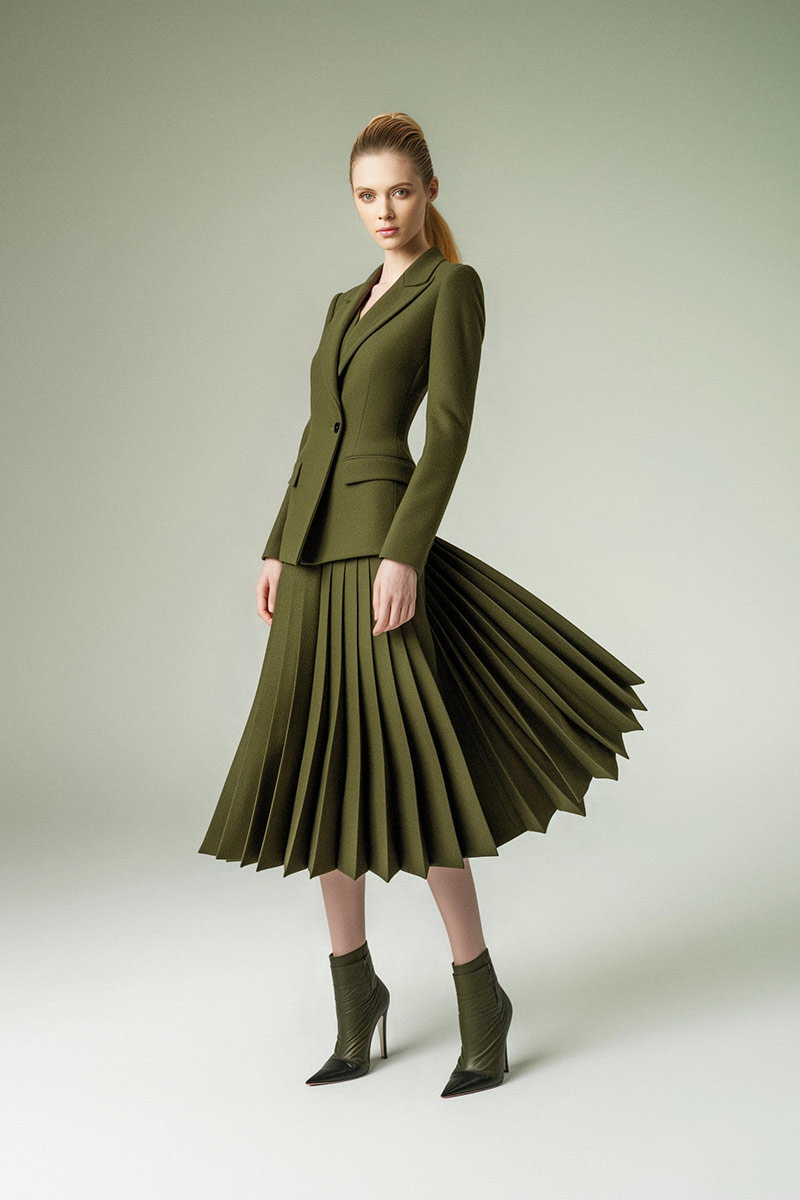
Lifestyle photography fits brands that value everyday connection; editorial work suits more polished or aspirational stories. Candid photography signals authenticity, while stylised, high-fashion shoots suit luxury positioning. Choose a style that matches your message and audience expectations.
Images that resonate emotionally help people feel understood and seen. That sense of connection builds trust and encourages repeat engagement. When customers recognise your visual language and values, they’re more likely to return and recommend you to others.