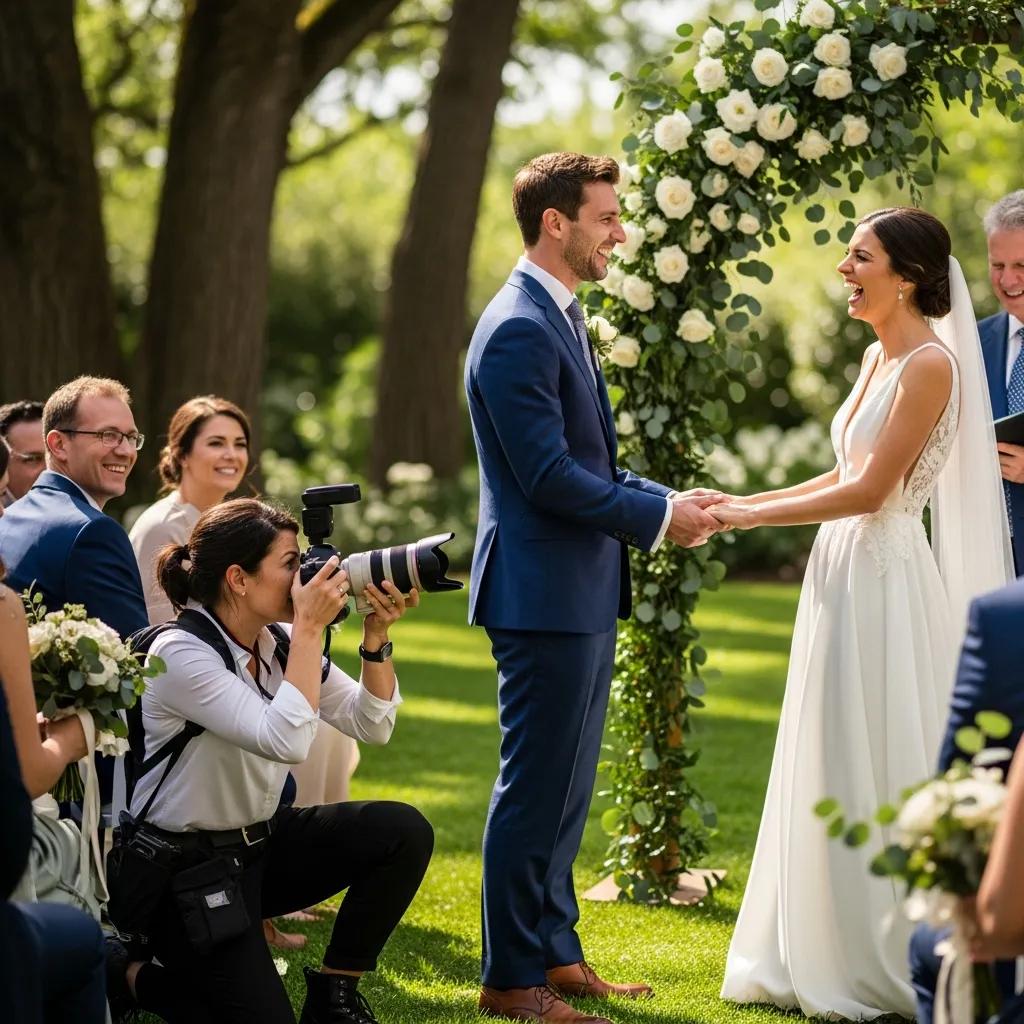
Choosing the right photography package matters whether you’re preserving a milestone or showcasing your brand. With so many options on the market, knowing what to look for — and how pricing works — makes the decision straightforward. This guide breaks down the essentials: what packages include, how pricing models differ, and how booking works for sessions in London. If you’re unsure how to match budget with quality, we’ll help you look beyond price to find a package that fits your vision. We’ll also explain why portfolios and client feedback matter, and outline current trends shaping the market.
Packages are built from several core elements that shape your experience and the finished images. Understanding these pieces helps you compare options clearly and pick the package that meets your wedding photo and video package.
Common features you’ll see in most packages include:
The specific mix of these features changes depending on the type of shoot — for example, wedding coverage differs from commercial work — so consider the context when comparing offers.
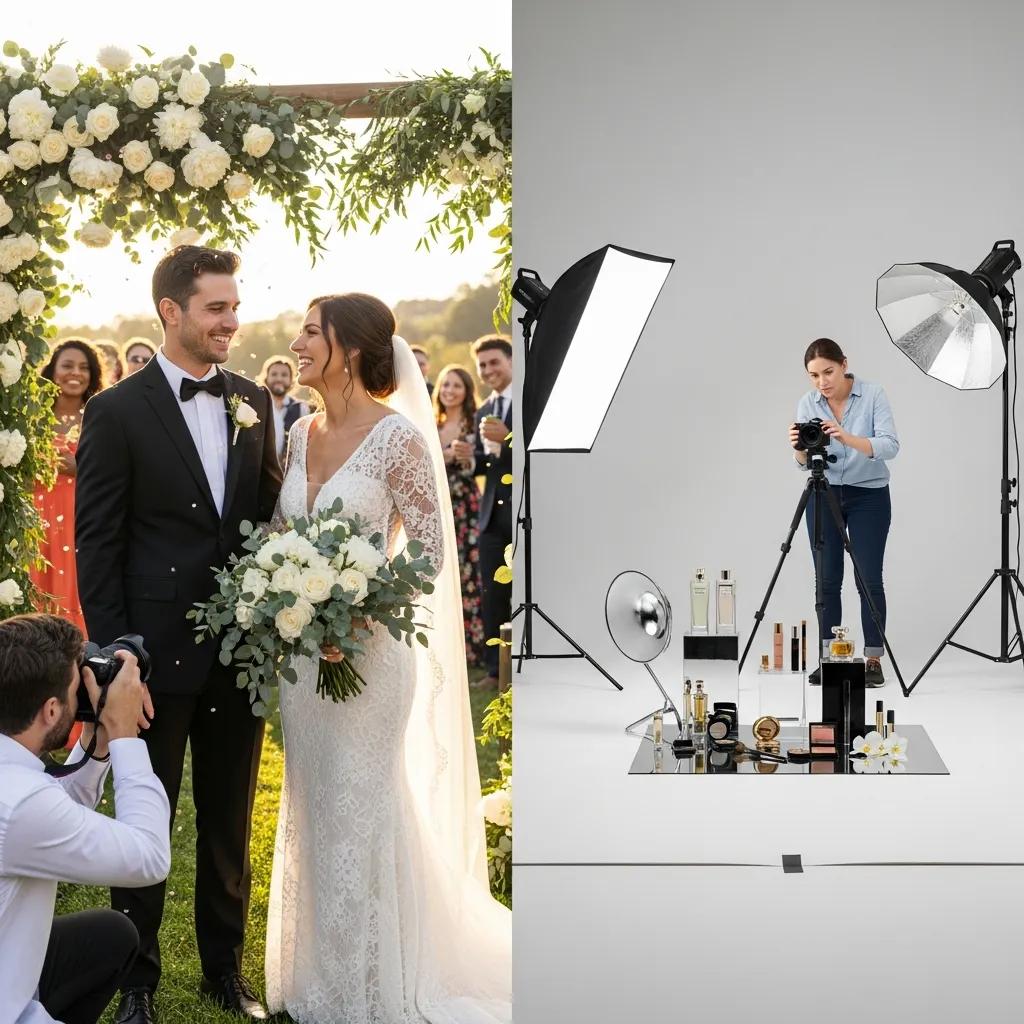
Wedding and commercial packages prioritise different outcomes. Typical wedding inclusions focus on storytelling and keepsakes, such as:
Commercial packages tend to concentrate on brand needs and delivery speed, for example:
Knowing these distinctions helps you select a package that matches the purpose of the shoot.
Price is important, but how it’s structured affects what you actually get. Look at pricing models alongside deliverables to judge which offers the best value for your project.
Photographers typically use one of these pricing approaches:
Understanding which model you’re looking at makes it easier to compare offers from different photographers.
When comparing packages, consider more than just the headline cost. Useful evaluation points include:
Considering these factors helps you choose a package that delivers on both quality and service.
Booking in London follows predictable steps. Knowing them ahead of time keeps the process smooth and reduces last-minute surprises.
Following these steps helps ensure your shoot is organised and aligned with your expectations.
Keep these scheduling points in mind:
Being mindful of timing makes it easier to lock in the right photographer and service level.
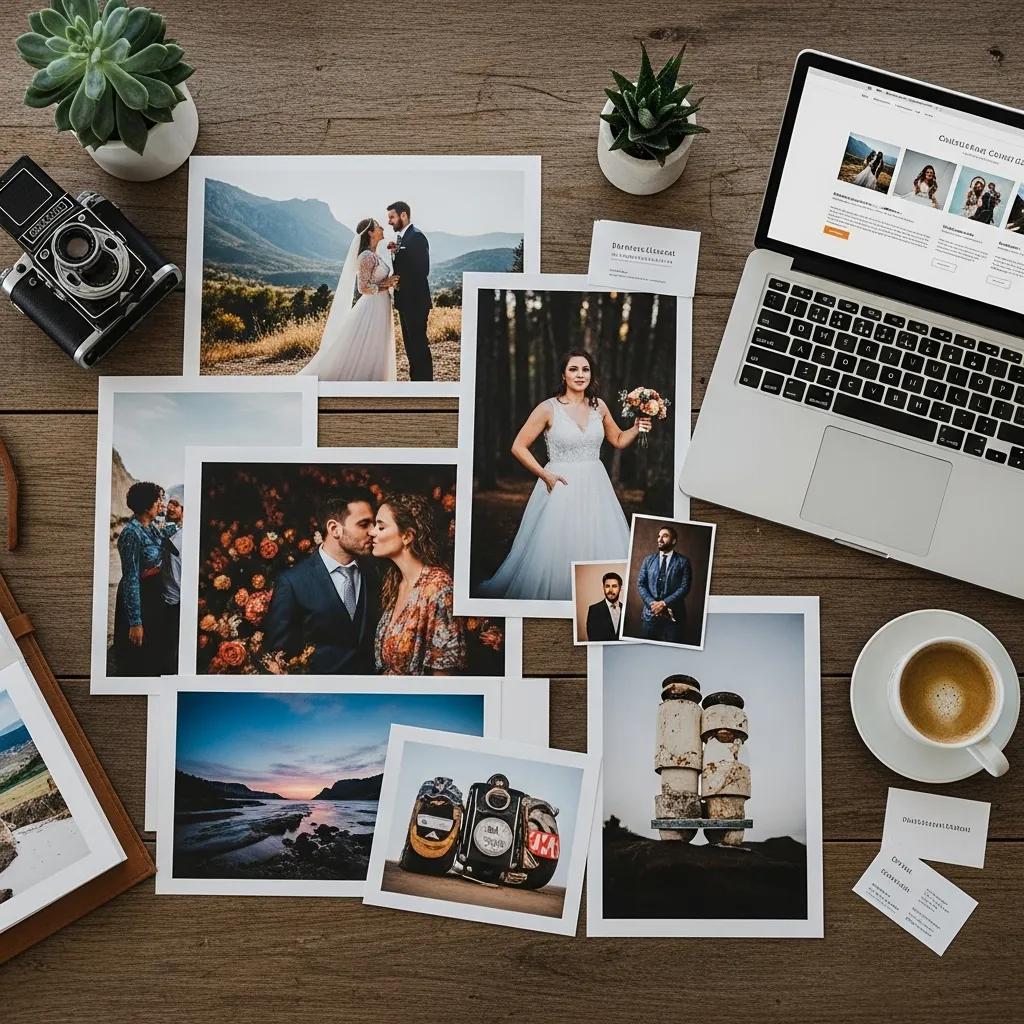
Portfolios and testimonials are often the clearest indicators of a photographer’s fit for your project. They show you both style and working practice.
A portfolio highlights a photographer’s best work and helps you assess whether their aesthetic and technical quality match your needs. Look for:
These cues make it easier to decide if a photographer can deliver your vision.
Reviews give practical insight into how a photographer operates. When reading testimonials, focus on:
Combined with portfolio review, testimonials help you form a rounded view of what to expect.
Market shifts affect what’s included in packages and how services are priced. Staying aware of trends helps you set realistic expectations and budgets.
Typical rates vary by client and project complexity. For example:
These averages are a useful starting point when planning your budget.
Several trends are shaping what clients expect and how photographers price their services:
Knowing these drivers helps you compare packages against current market norms.
Photography packages differ widely, so use these guidelines to compare components, pricing structures and market context. Looking beyond the price — at deliverables, skill and client feedback — will help you pick a photographer who delivers the results you need.
Focus on experience and specialism: choose someone whose portfolio matches your brief, whether that’s weddings, corporate events or portraits. Check how they communicate during your initial talks — professionalism and responsiveness matter. Read testimonials for insight into reliability, and make sure the pricing covers the features you need, such as editing and the number of final images, including a wedding photo and video package.
Book a detailed consultation before the shoot. Talk through styles, specific shots and any must-haves, and share reference images if you have them. A good photographer will ask clarifying questions and suggest creative ideas that match your goals, creating a collaborative plan you’re both happy with.
Turnaround varies by photographer and shoot type. Expect edited images within about 2 to 6 weeks. Weddings often take longer because of the volume and level of editing required. Agree a timeline when you book so expectations are clear.
Yes — watch for travel fees if the shoot is outside the photographer’s area, extra charges for additional hours, and costs for prints or albums not included in the package. Some photographers offer add-ons like engagement sessions or photo booths for an extra fee. Always clarify what’s included during your consultation, and check availability.
Choose outfits that suit the location and your style, think about time of day for the best light, and scout the location if possible. Share any specific poses or shots with your photographer beforehand. Most importantly, relax and be yourself — the best images often come from natural moments. Check availability.
First, raise your concerns with the photographer and give clear, specific feedback about what you’d like changed. Many professional photographers are open to additional edits or reshoots if the issue stems from a misunderstanding. Check the contract for policies on revisions and reshoots, and keep communication constructive to reach a satisfactory solution.
Picking the right photography package is about matching quality, service and deliverables to your goals and budget. Use this guide to compare components, evaluate pricing models and read portfolios and testimonials. With a little research and clear communication, you’ll find a photographer who understands your vision — and delivers images you’ll be proud to share. Start by shortlisting photographers and booking a consultation to move forward with confidence.