Hair styling for professional headshots — expert tips to refine your corporate and creative image
Your hair plays a major role in the impression your headshot makes. This practical guide brings together tried-and-tested styling and grooming advice tailored for both corporate and creative portraits, so you look intentional and authentic on camera. We’ll cover prep routines, go-to looks for women and men, how different hair types influence choices, common mistakes to avoid and the key trends stylists are using right now. The aim is simple: small changes that give your headshot a cleaner, more confident finish.
How should you prepare your hair for a professional headshot?
Thoughtful preparation makes a measurable difference in photographs. A consistent care routine, the right products and sensible timing keep hair looking natural, healthy and camera-ready — and they help you feel more confident during the session. Below are core steps to follow in the days leading up to your shoot.
Establish a hair care routine: Keep hair healthy with regular washing and conditioning. Choose a gentle, sulfate-free shampoo and a nourishing conditioner to avoid buildup. Washing the day before your shoot usually gives the best natural texture.
Avoid over-styling: Using too many products can leave hair looking heavy or shiny. Limit yourself to a few light products — for example, a small amount of styling cream or a light-hold spray to keep things natural.
Timing is key: Allow time for hair to dry and settle after styling or heat tools. If you’re heat-styling, do it well before the shoot so your hair has time to cool and hold its shape.
What is the ideal hair care routine before a photoshoot?
Start with a gentle shampoo and a hydrating conditioner to remove product residue and add moisture. Let hair air-dry where possible, or use a low-heat blow dryer to prevent damage. A light leave-in conditioner or serum will improve shine and manageability. For colour-treated hair, use a colour-protecting product to keep tones vibrant. Finish with a light styling product for texture — enough to shape the hair without making it stiff or greasy.
Small, consistent steps — hydration, minimal product and a sensible drying routine — are the quickest route to camera-ready hair.
Which common hair styling mistakes should you avoid for headshots?
Steering clear of a few common errors makes a big visual difference. Watch for these pitfalls:
Overusing products: Heavy gels, waxes or too much oil can read as shine or stiffness in photos. Use less rather than more.
Neglecting hair health: Split ends and dullness show on close-up shots. Regular trims and conditioning treatments keep hair fresh.
Ignoring face shape: Styles that don’t flatter your face can throw off the balance of a portrait. Choose cuts and shapes that accentuate your features.
What are the best hairstyles for women’s professional headshots?
The right hairstyle frames your face and supports the story you want your headshot to tell. Below are reliable options that work across corporate and creative briefs.
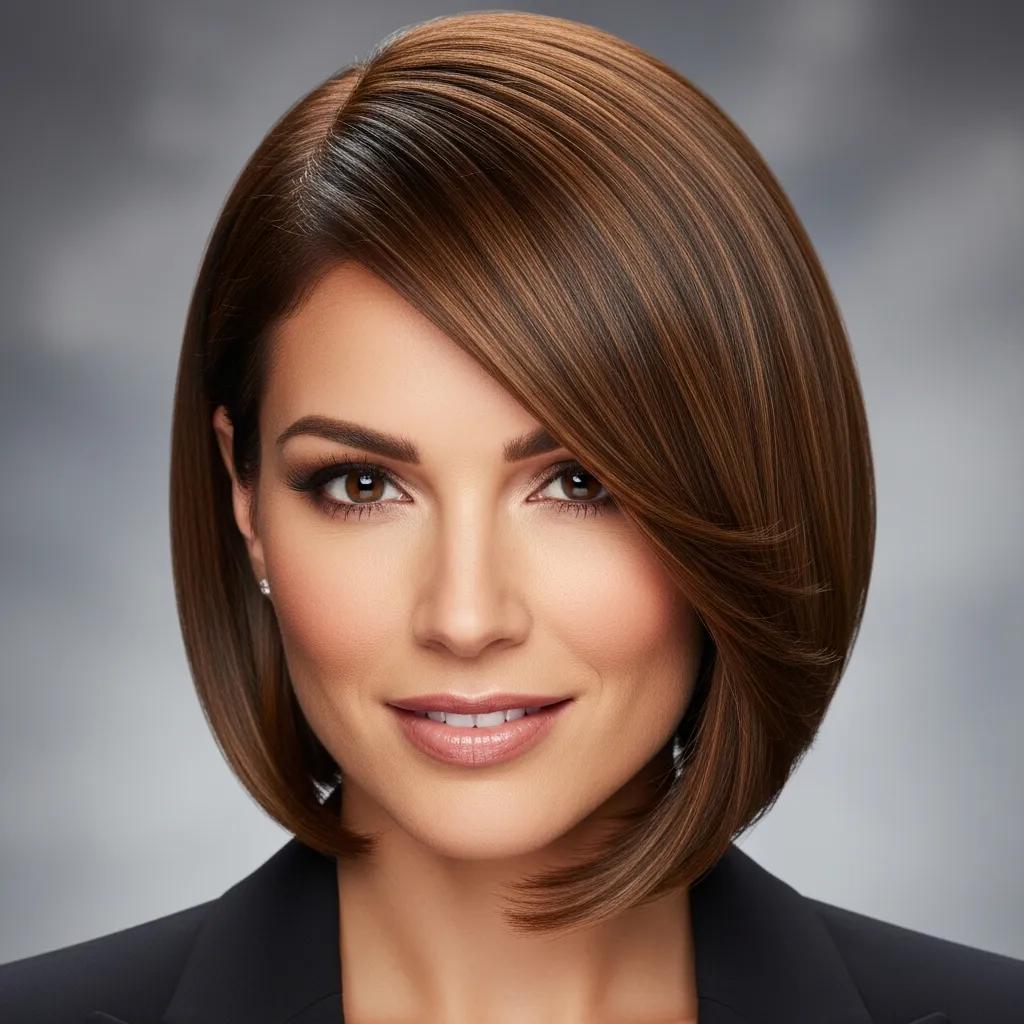
Sleek bob: A clean, well-cut bob reads as professional and contemporary. Wear it straight for a polished look or add soft waves for a gentler finish.
Low chignon: A neat, low updo keeps hair off the face and highlights your features — ideal for formal or executive portraits.
Soft waves: Loose, controlled waves add warmth and approachability while staying tidy for both corporate and creative images.
Which corporate hairstyles suit women for headshots?
Corporate styles should feel crisp and intentional while allowing some personal style. Consider these tried-and-true options:
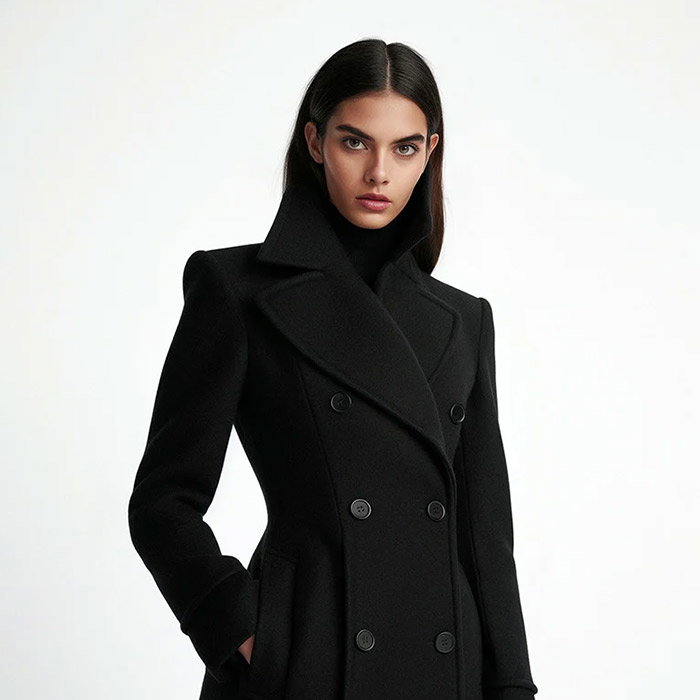
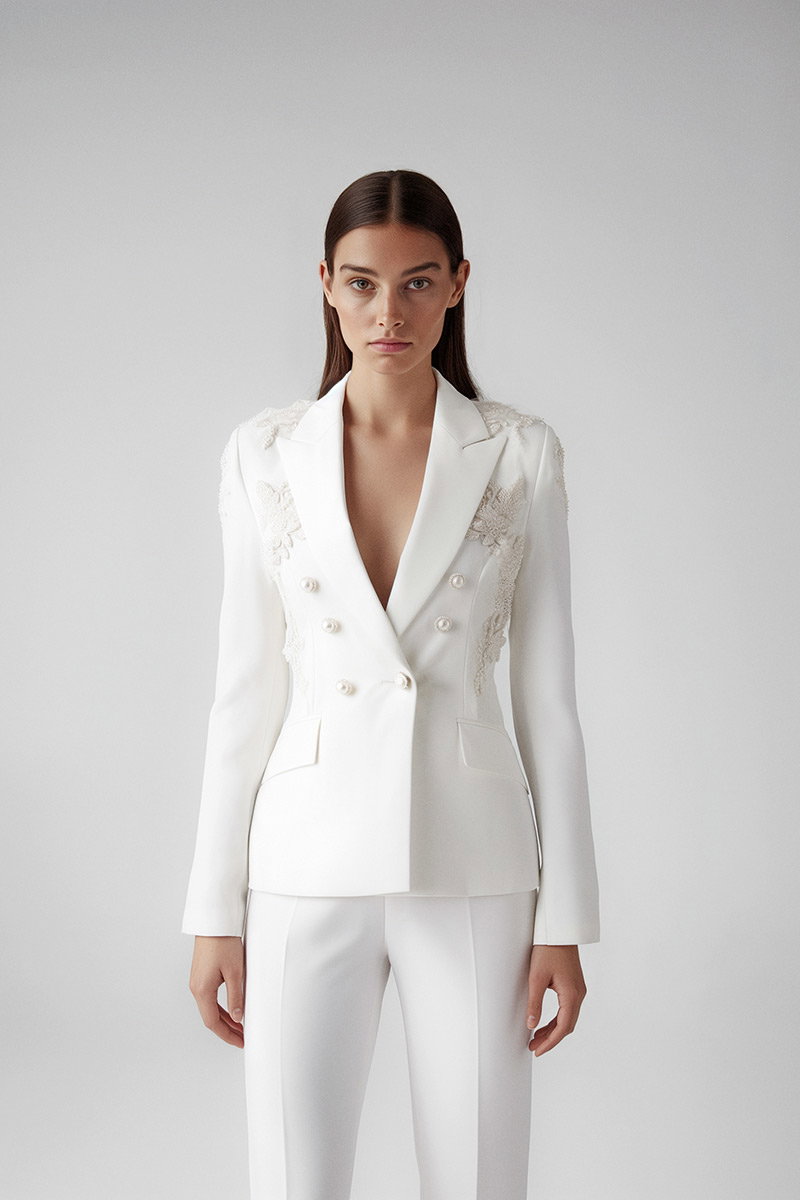
Straight and sleek: A straight finish with a clean centre or side part looks sharp and professional. Use a flat iron for a smooth result.
Textured lob: A long bob with subtle layers adds movement without losing formality — versatile for many industries.
Half-up, half-down: This keeps hair away from the face but retains softness — a good balance of professionalism and personality.
What are recommended hairstyles for female actors and creative professionals?
For creative headshots, the aim is to show character while remaining camera-friendly. Try these styles:
Loose curls: Defined but natural-looking curls can convey approachability and energy for casting or creative branding.
Messy bun: A controlled, slightly undone bun communicates relaxed confidence and approachability.
Braided styles: A side braid or crown braid adds texture and visual interest while still appearing polished.
What are the top hairstyles and grooming tips for men’s headshots?
Men’s headshots benefit from clean lines and well-maintained texture. The following haircuts and grooming rules are simple, reliable choices for professional images.
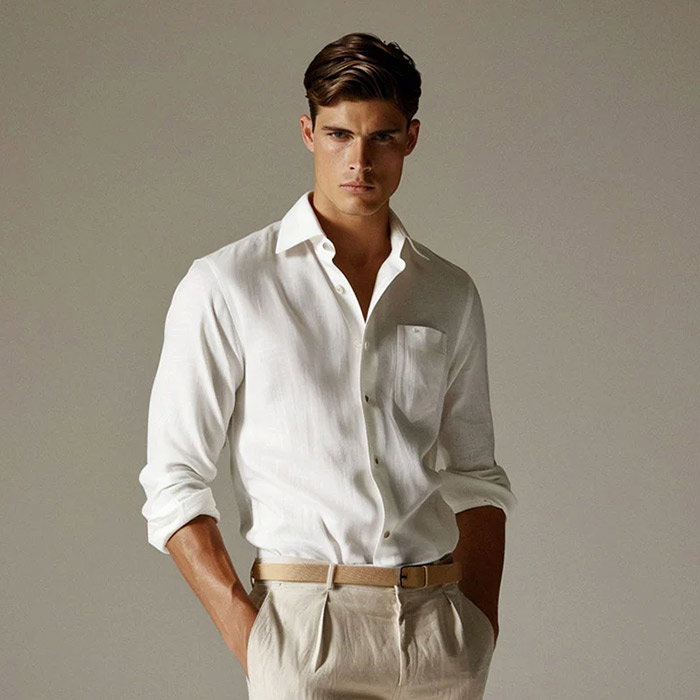
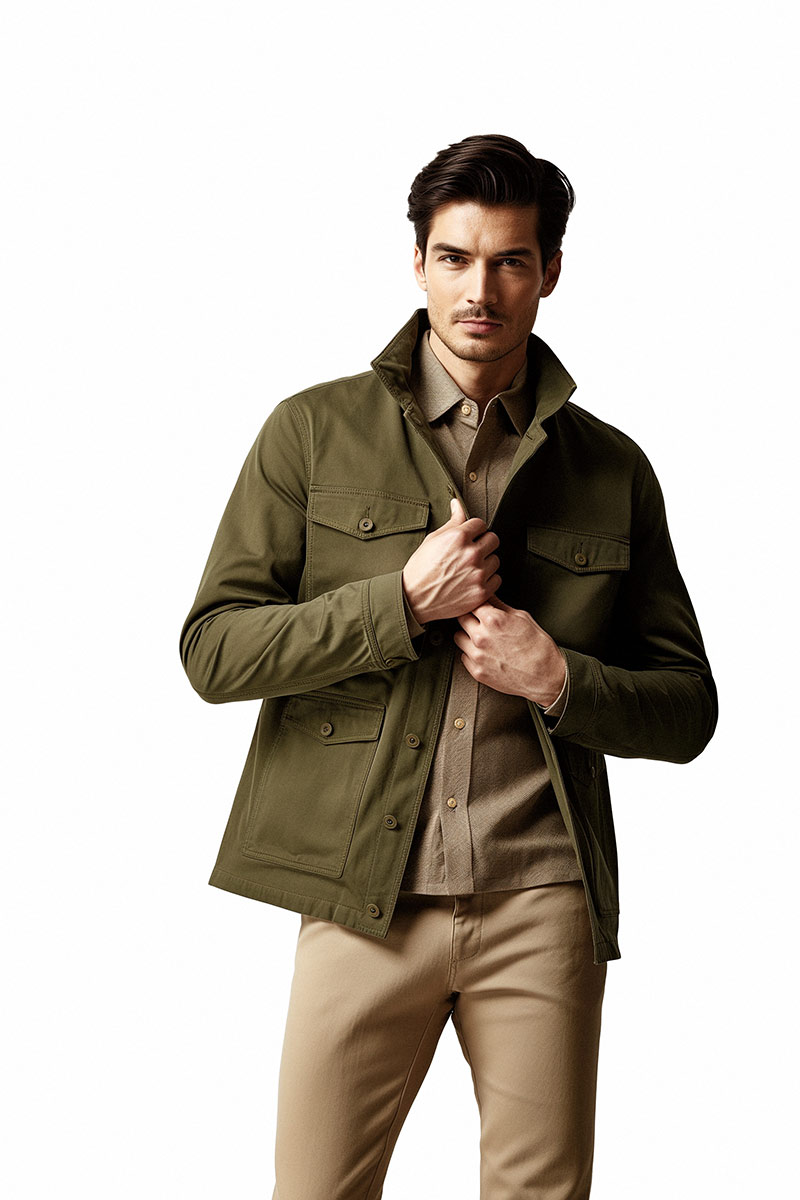
Classic side part: Timeless and versatile, this style suits most face shapes and reads as neat and professional.
Slicked-back styles: For a modern, confident look, use a lightweight pomade for control without excess shine.
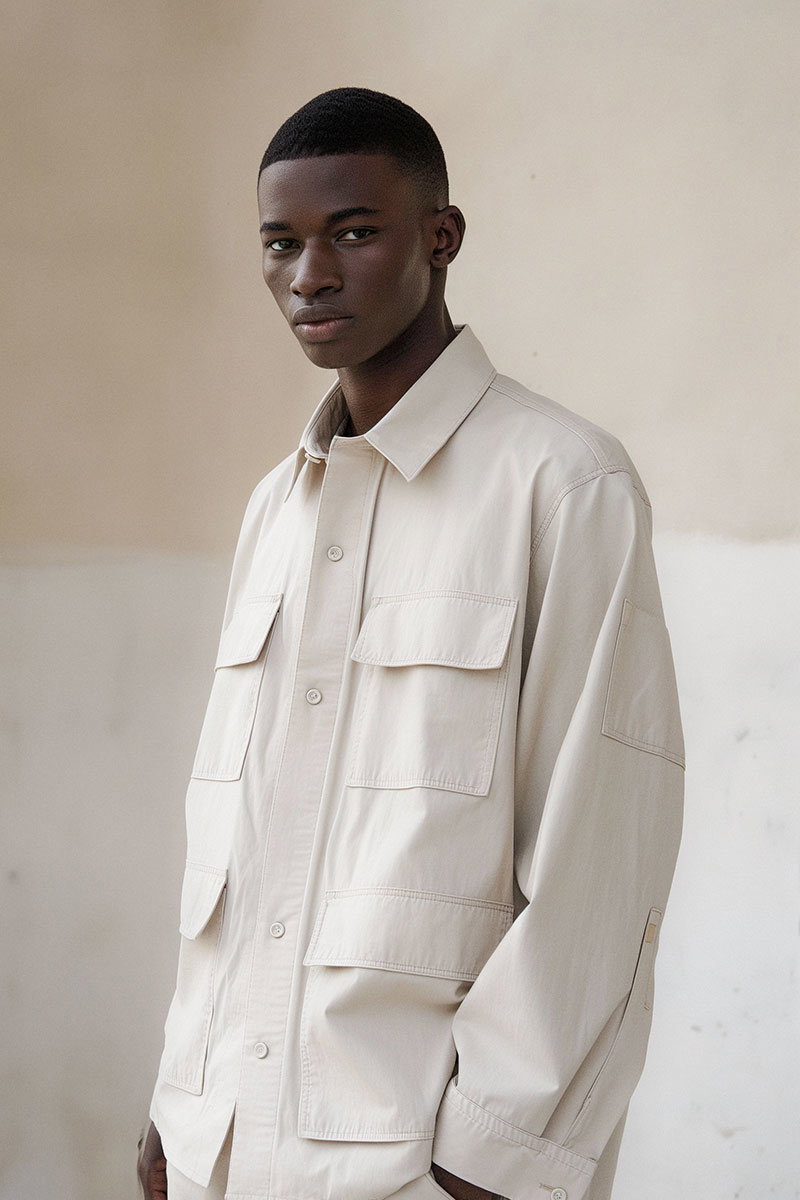
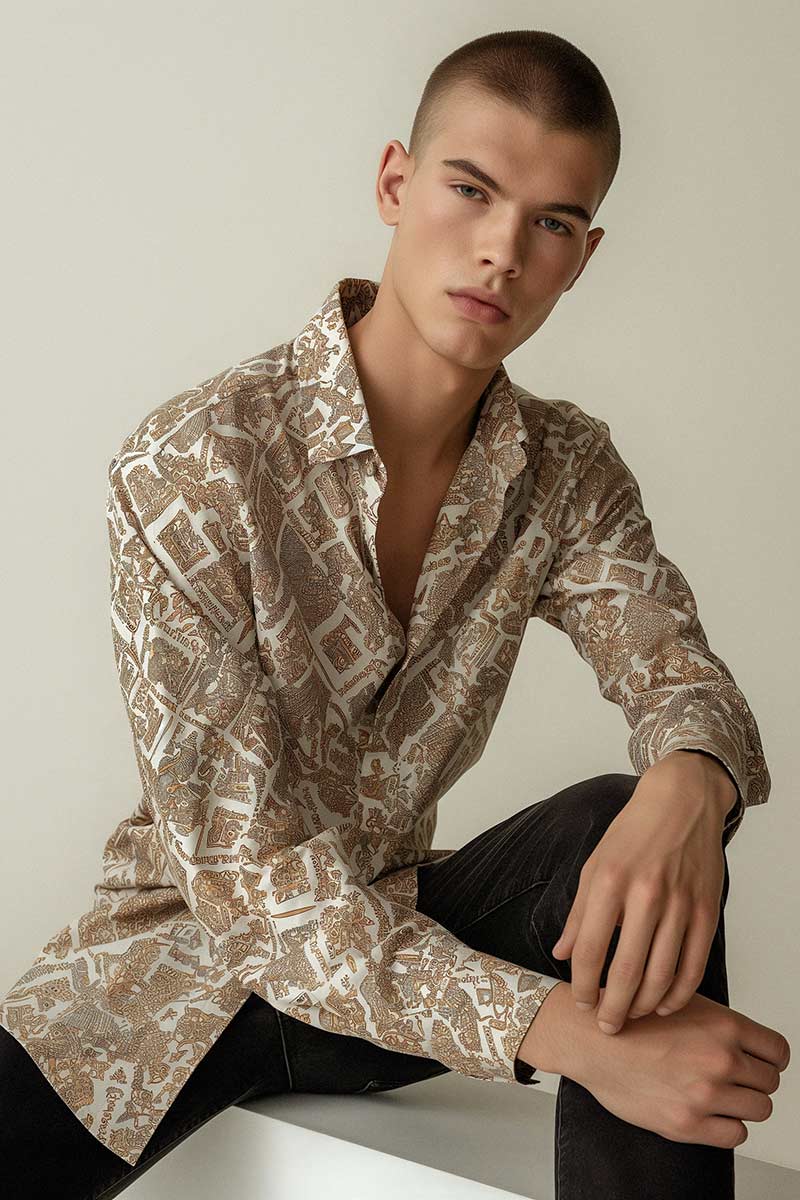
Crew cut: Low maintenance and sharp, a crew cut keeps attention on your face and expression.
Which corporate hairstyles are ideal for men in professional photos?
Corporate headshots should look tidy and intentional. These styles are reliable choices:
Short textured cut: Adds subtle dimension while remaining understated and easy to style.
Taper fade: A contemporary option that’s neat at the nape and versatile across dress codes.
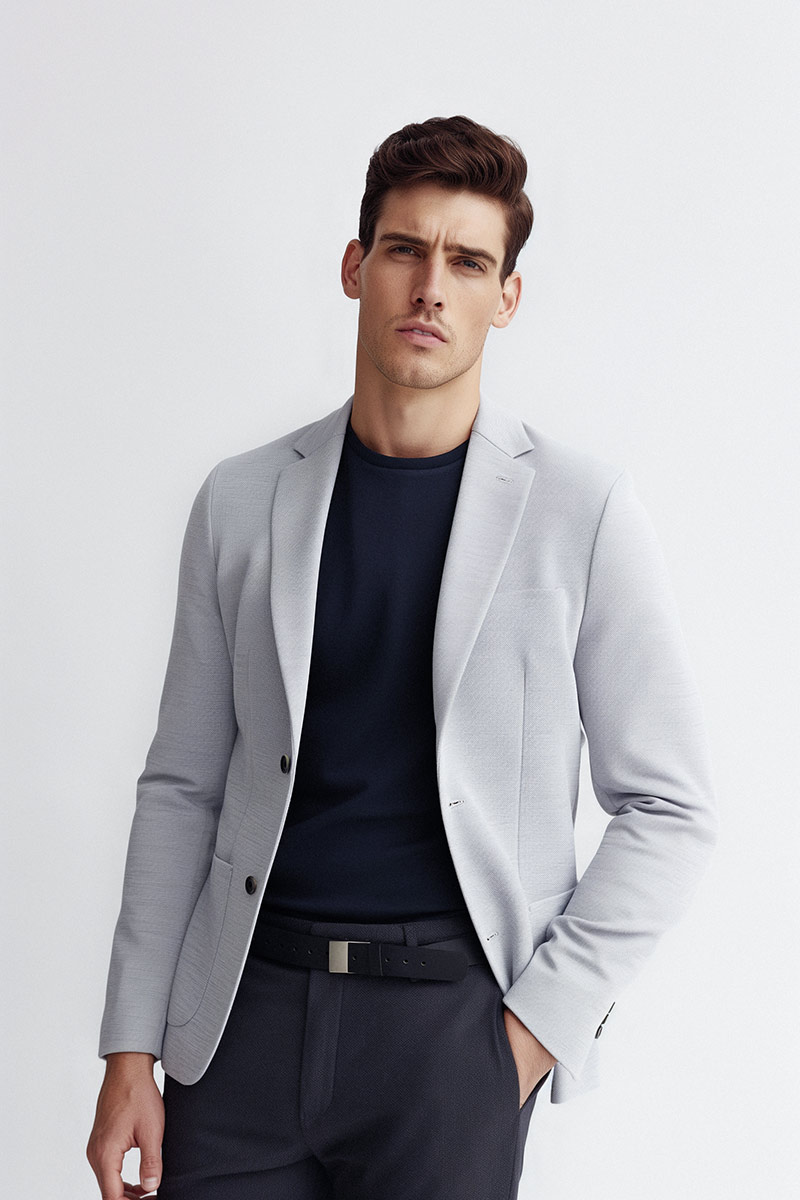
Pompadour: Adds height and presence — useful if you want a more assertive, styled look.
How should men style facial hair for a polished headshot appearance?
Facial hair can enhance or detract from a headshot depending on maintenance. Keep grooming simple and consistent:
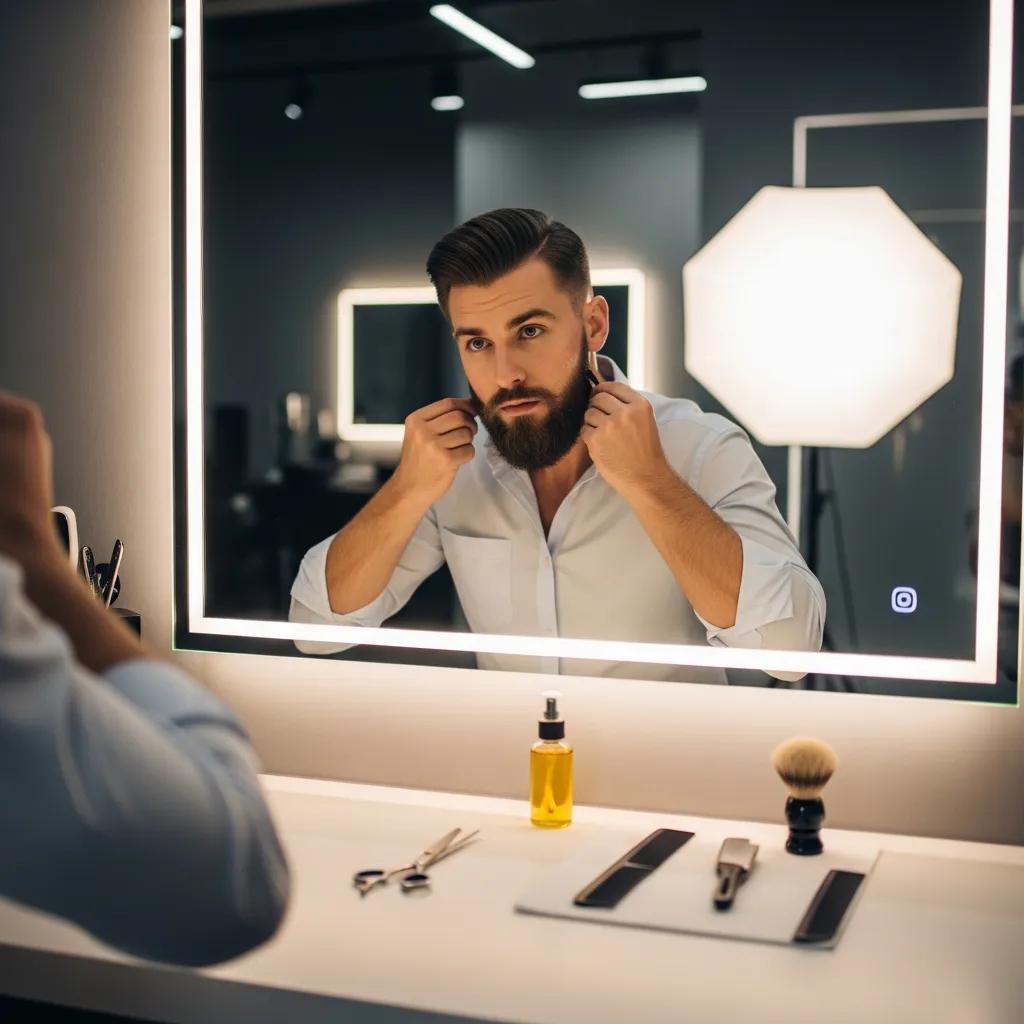
Beard grooming: Trim and shape beards regularly and use beard oil or balm for a healthy finish.
Clean-shaven look: A fresh shave gives a very polished, approachable finish — keep blades and technique sharp.
How do hair types influence styling choices for professional headshots?
Different textures respond best to different techniques and products. Understanding your hair type helps you choose a look that photographs well and lasts through the shoot.
Straight hair: Works well sleek or with added volume. Use a straightening serum for shine and control.
Wavy hair: Texturising products define waves without frizz — a light mousse or sea salt spray helps hold shape.
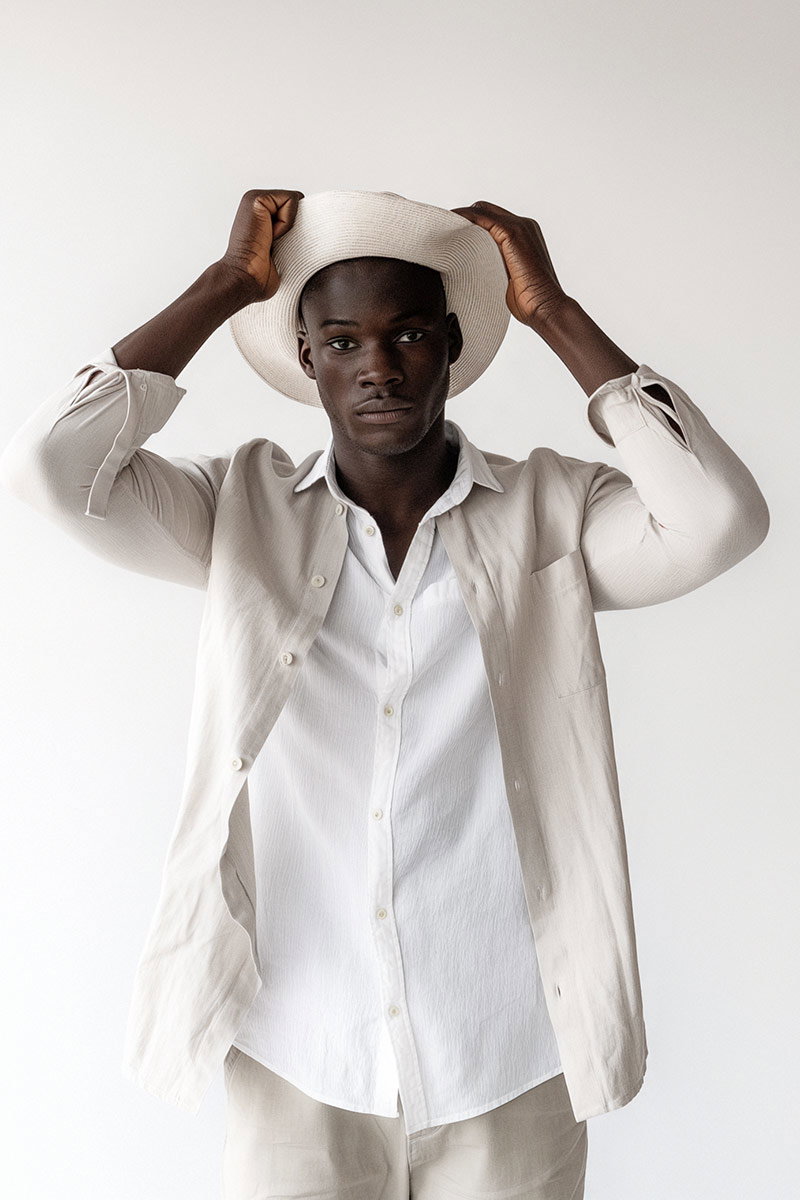
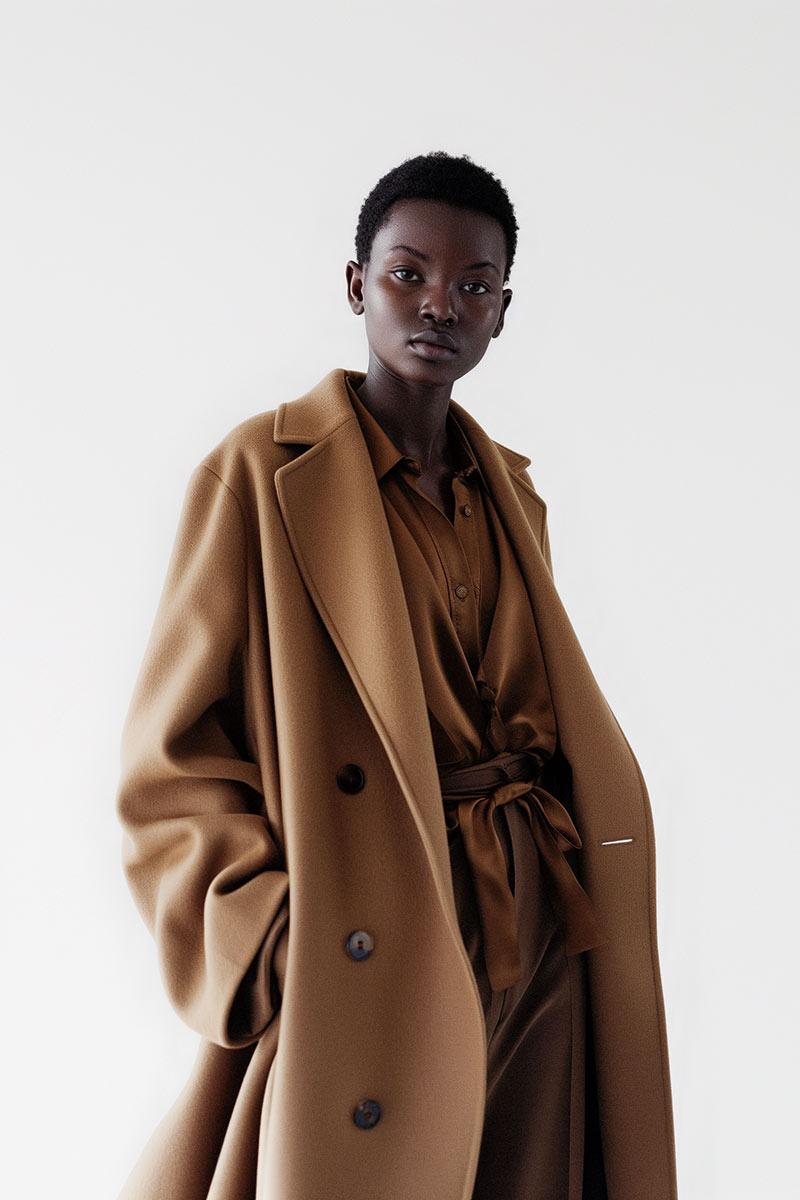
Curly and coily hair: Embracing natural texture gives strong, authentic portraits; curl-defining creams reduce frizz while keeping movement.
What are effective styling techniques for straight and wavy hair?
Straight and wavy hair respond to targeted products and heat techniques:
Sleek styles for straight hair: Use a flat iron for a crisp finish and a light shine spray to enhance luster.
Textured looks for wavy hair: A sea salt spray or light mousse boosts natural waves and creates flattering movement.
How to embrace and define curly and coily hair for headshots?
Curly and coily hair can look exceptional with the right routine:
Products for curl definition: Choose creams or gels that define curls and control frizz without turning hair crunchy.
Styling methods for coily hair: Techniques like shingling (applying product in small sections) give consistent definition and shape.
What are the latest hair trends and professional styling services for headshots?
Trends in headshot styling lean toward authenticity and low-maintenance finishes. Professional stylists are also offering targeted services to make portrait sessions smoother and more consistent.
Natural textures: Celebrating natural hair texture is widely accepted — it creates authentic, relatable portraits.
Low-maintenance styles: Looks that stay polished with minimal daily upkeep are favoured, especially for busy professionals.
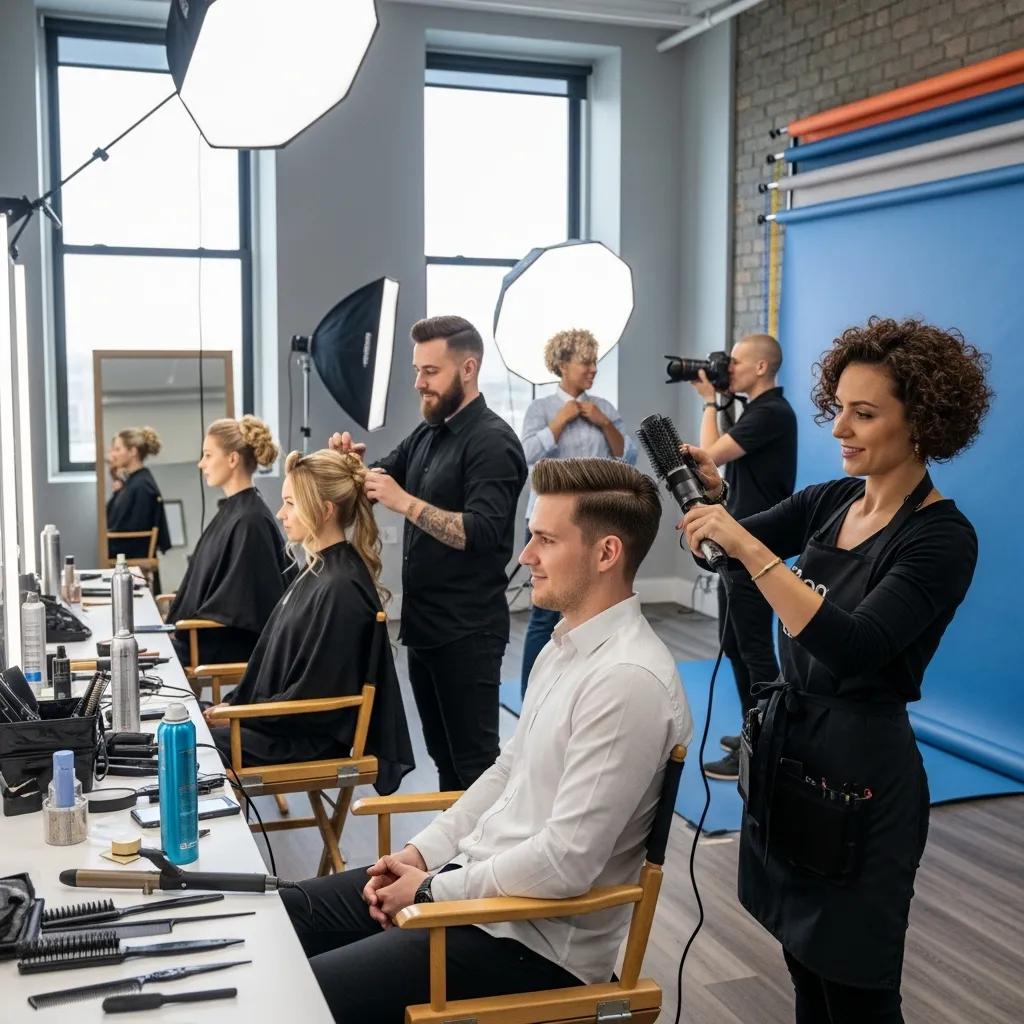
Professional styling services: Booking a stylist for your session ensures consistent, camera-ready results and reduces on-the-day stress.
How do natural texture and low-maintenance styles impact your professional look?
Keeping natural texture and choosing low-maintenance styles helps your headshot feel genuine and sustainable. They communicate confidence without appearing overworked, which often reads better to viewers.
What are the benefits of professional hair styling services during your headshot session?
Having a stylist on hand brings several practical advantages:
Consistency in appearance: Stylists maintain the look between shots and keep hair tidy throughout the session.
Expertise in styling: Professionals match styles and products to your hair type and the image you want to project.
Stress reduction: With hair in expert hands, you can focus on expression and posture — not touch-ups.
Hairstyle
Description
Best For
Sleek Bob
A classic, polished cut that frames the face neatly
Corporate headshots
Low Chignon
An elegant updo that keeps hair away from the face
Formal settings
Soft Waves
Loose waves that add softness and approachability
Creative roles
This quick reference highlights reliable styles and where they work best, helping you choose a look that supports your brief.
Meet our styling expert
Sophia Chen, Lead Stylist & Professional Image Consultant
Sophia brings over 15 years of experience in hair and image consulting, working across corporate, creative and casting briefs. She focuses on enhancing natural features and selecting looks that photograph reliably. Sophia regularly contributes to industry publications and runs workshops on personal branding through styling — practical expertise that informs every headshot session she works on and professional looks for women.
This article has been reviewed by our team of professional image consultants for accuracy and relevance.
In short: prepare your hair with attention to health and texture, pick a style that complements your face and role, and consider a professional stylist if you want a flawless, low-stress result. Follow these tips and your headshot will reflect a composed, confident version of you.
Frequently asked questions
What should I consider when choosing a hairstyle for my headshot?
Think about your face shape, hair type and the impression you want to make. Aim for a hairstyle that complements your features and matches your professional goals — polished and understated for corporate roles. See our full checklist for preparing your look on shoot day., or slightly more expressive for creative fields. Above all, choose something you can wear confidently.
How can I ensure my hair looks good in different lighting conditions?
Consider product finish: matte products reduce glare, while shiny products can reflect studio lights. Test your hairstyle in natural and artificial light ahead of the session. Avoid heavy products that weigh hair down, and ask your stylist for a low-reflect shine if you’re shooting under bright lights.
What role does hair color play in headshot styling?
Colour affects tone and contrast in photos. Lighter shades can soften features, while darker tones can add definition and presence. If your hair is colour-treated, make sure it looks fresh and vibrant — consider a colour-protecting product before the shoot or a touch-up in the weeks prior.
How can I manage frizz and flyaways for my headshot?
Hydration is key: use a good conditioner and a light leave-in product. On shoot day, apply a lightweight serum or anti-frizz spray and smooth stray hairs with a fine-tooth comb. Try not to touch your hair during the session to avoid creating new flyaways.
What are some quick fixes for bad hair days before a headshot?
Quick, camera-friendly options include a sleek ponytail, a low bun, or refreshed roots with dry shampoo to add volume. A simple hair accessory or neat part can also tidy the look while keeping it professional.
How often should I get my hair trimmed before a headshot session?
Regular trims every 6–8 weeks keep ends healthy. For a session, schedule a trim one to two weeks beforehand so the cut sits naturally on the day — not too fresh, but still neat.
Conclusion
Good headshot hair starts with healthy, well-managed hair and a clear idea of the image you want to project. Choose styles that flatter your features and suit your industry, and consider professional styling for a consistent, camera-ready finish. Use the tips above to prepare confidently and make the most of your headshot session.