Virtual Reality (VR) photography is changing how we capture and share visual stories. By creating immersive, 360-degree images, VR places viewers inside a scene — a powerful format for storytelling, sales and marketing. Below we walk through what VR photography is, the techniques involved, who benefits, how to book a shoot in London, typical pricing, and where to view standout portfolios. Read on to see how VR can strengthen your visual storytelling.
VR photography captures a full environment so viewers can look around as if they were there. Specialised cameras record every angle to produce interactive, navigable imagery that standard photos can’t match. That sense of presence makes VR ideal for sectors where context and atmosphere matter — think property, travel and immersive brand experiences.
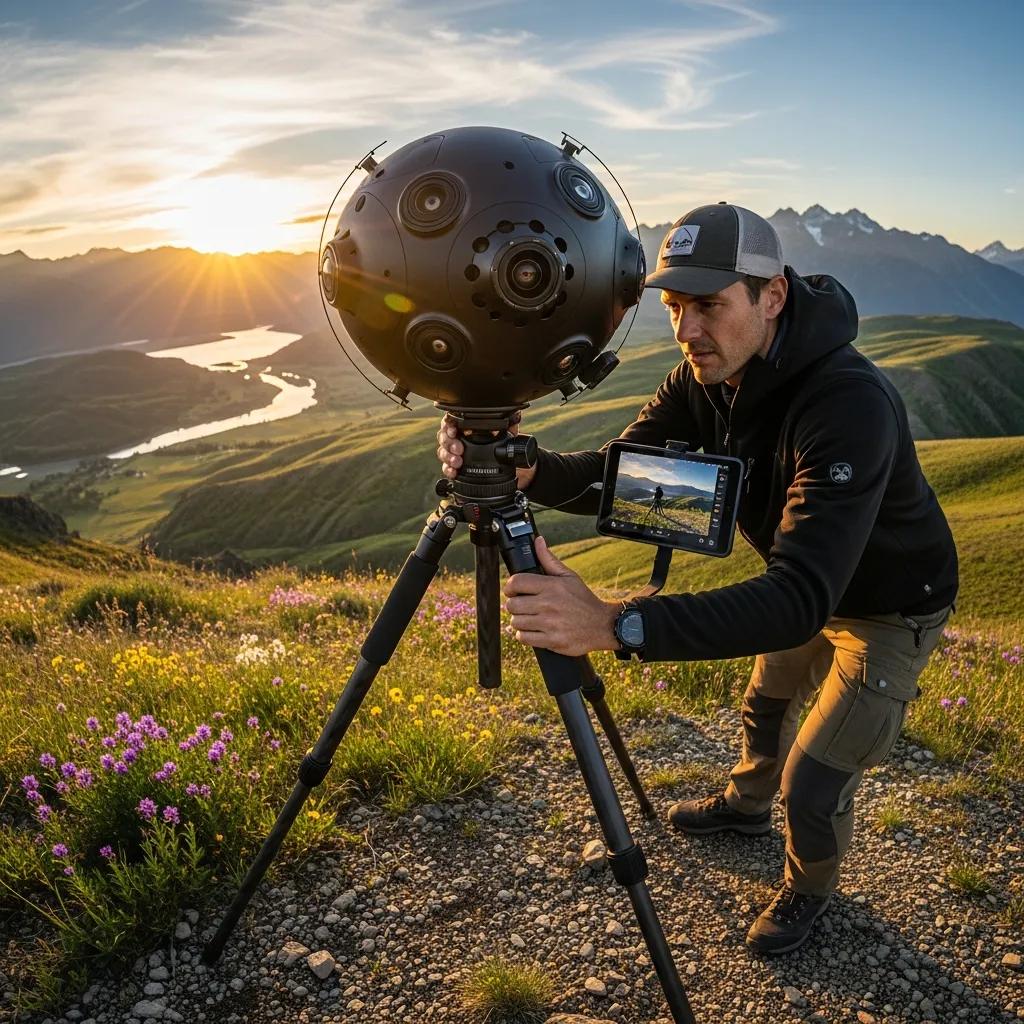
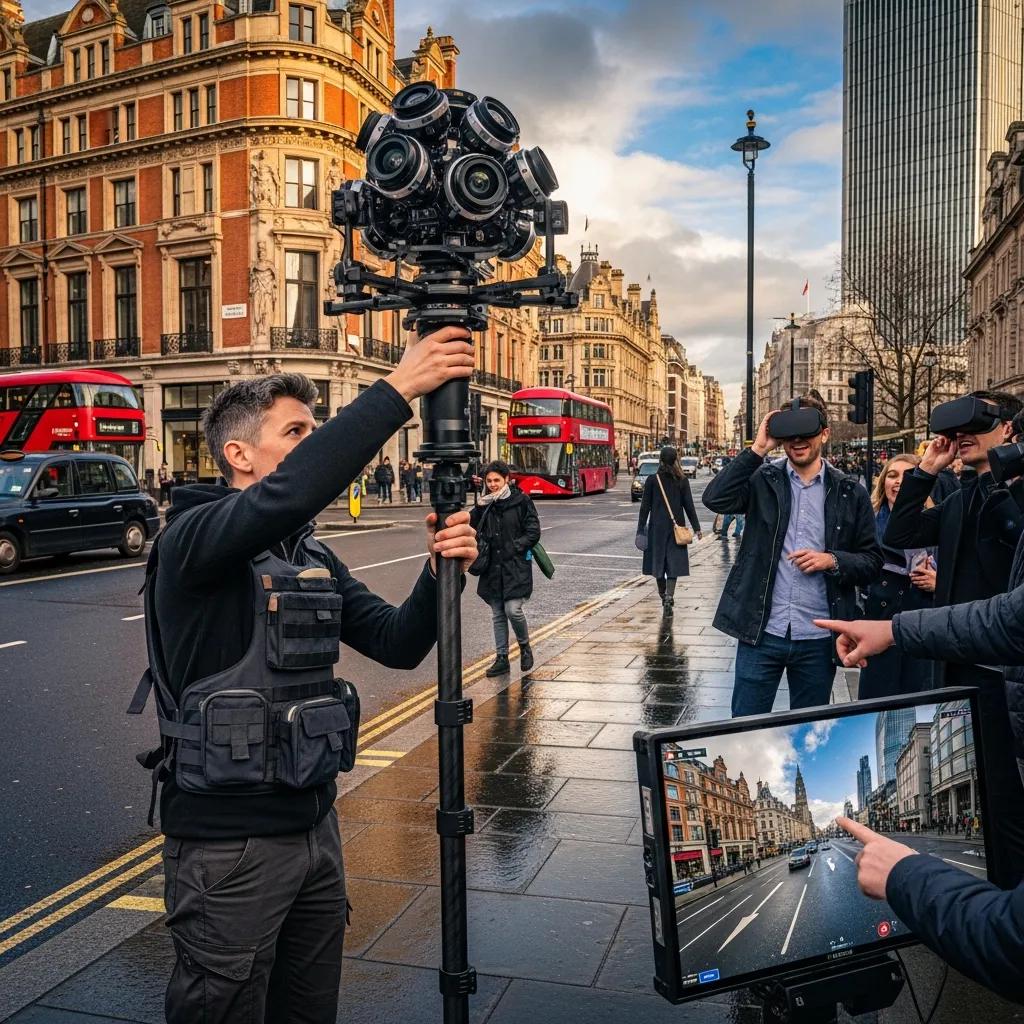
360-degree shoots use multi-directional VR cameras that record every angle at once. The footage is stitched into a seamless sphere, letting viewers pan, zoom and explore a location. That interactivity is ideal for virtual tours, promotional features and online showcases — especially in real estate and travel, where letting people explore remotely builds trust and interest.
Professional VR work depends on purpose-built gear and careful technique. Core elements include:
Together, these tools and workflows produce polished VR content that reads clearly and engages viewers.
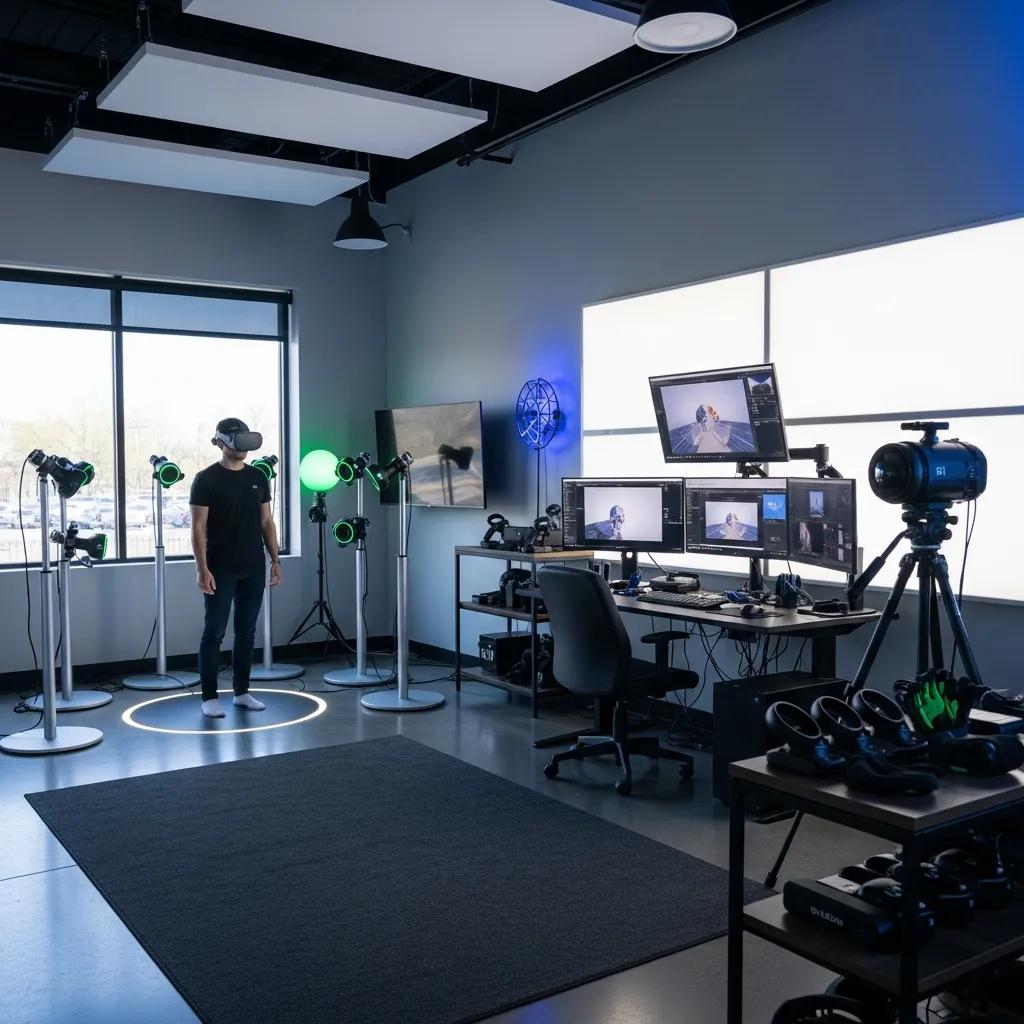
Working with a professional VR studio raises the bar on image quality, consistency and usability. Studios bring technical know-how, calibrated kit and experienced post-production, so the final deliverables are ready for marketing, listings or immersive campaigns.
VR works well for many clients, including:
These examples show how flexible VR is across creative and commercial projects.
Immersive imagery helps brands create memorable immersive experiences. Users tend to spend more time with interactive VR, which boosts recall and social sharing. When a brand lets customers explore a product, space or service in detail, engagement rises — and so do conversion opportunities.
Booking a VR shoot is straightforward when you know the steps. Clear planning ensures the session runs smoothly and delivers the results you need.
This simple workflow keeps expectations clear and prepares the team for a successful shoot.
On the day, expect a collaborative session. The photographer will direct positioning and movement to suit 360° capture, explain how equipment works, and manage lighting and composition. After the shoot there’s usually a review and a short post-production turnaround to polish the images.
Studios typically offer tiered packages to match different needs, from single-room shoots to multi-location commercial work.
Beyond standard packages, many studios provide add-ons such as:
These extras help tailor outputs to your campaign or listing goals.
Well-crafted portfolios and live virtual tours are the best way to judge a studio’s VR work. Many studios publish sample tours and gallery pages so you can judge image quality, navigation and storytelling.
Virtual tours show how well images stitch together, how natural the navigation feels and how much detail the viewer can access. They reveal technical quality and the studio’s ability to present spaces in a clear, engaging way — making it easier to picture the same approach applied to your project at artechouse nyc.
Case studies often illustrate measurable impact: a real estate agency that used VR tours saw more qualified viewings and faster sales, and a fashion brand that added immersive content reported higher campaign engagement. These examples underline how VR can drive real results across sectors.
Immersive VR photography delivers several advantages:
These benefits make VR a practical investment for improving how you present spaces and stories.
Key differences include:
Knowing these distinctions helps set expectations for planning and delivery.
VR photography contrasts with traditional photography mainly in immersion and interactivity. Traditional images present one perspective; VR creates a full 360-degree environment that viewers can navigate. That difference changes how you plan shoots, manage lighting and deliver final assets — and it offers a more engaging experience for audiences.
Businesses can use VR to create immersive product showcases, virtual store walkthroughs or property tours. Integrate VR into web pages, ads and social channels to increase time-on-page and engagement. Pair VR with clear calls to action and analytics to measure impact on leads and conversions.
Typical challenges include controlling lighting across a full sphere, keeping equipment stable, and directing subjects who need to move naturally in a 360° space. Good pre-shoot planning and an experienced crew minimise these issues and speed up post-production.
Growth is strongest in real estate, tourism, education and entertainment. Real estate uses virtual tours to qualify buyers remotely; tourism offers immersive previews of destinations; education uses VR for interactive learning; and entertainment leverages immersive content for storytelling and promotion.
Look at portfolios, client testimonials and case studies relevant to your sector. Ask about the studio’s gear, workflow and turnaround times. A short consultation will clarify whether their approach matches your objectives and budget.
Expect better camera sensors, smarter stitching software, tighter AR/VR integration and faster streaming with 5G. As tools improve, immersive content will become easier to produce and more common across marketing channels.
VR photography creates memorable, immersive experiences that elevate visual storytelling across industries. With the right techniques and a professional studio, you can deliver content that engages audiences, drives interest and supports sales. If you’re looking to bring immersive imagery to your next project, our London-based VR services are ready to help.