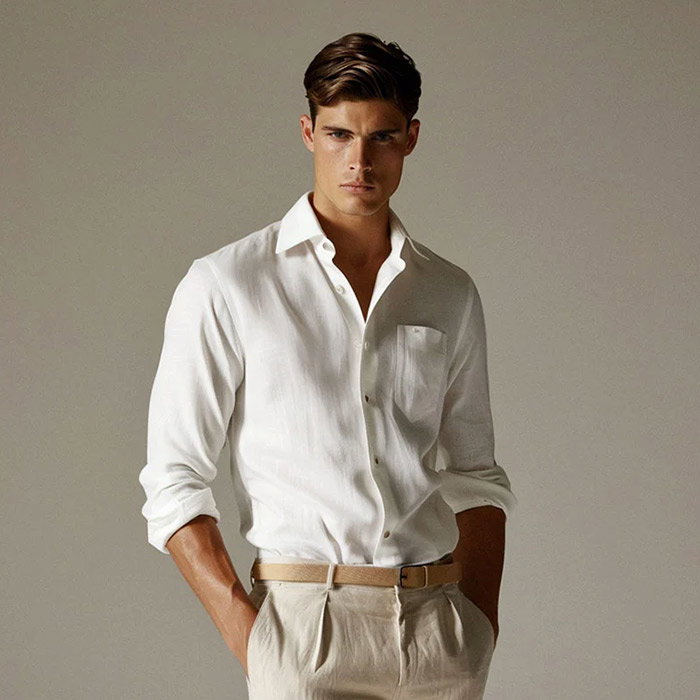
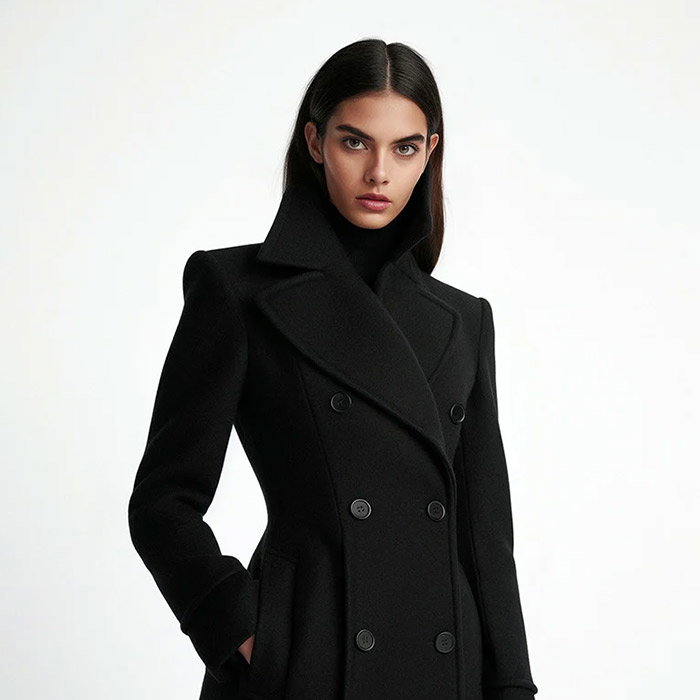
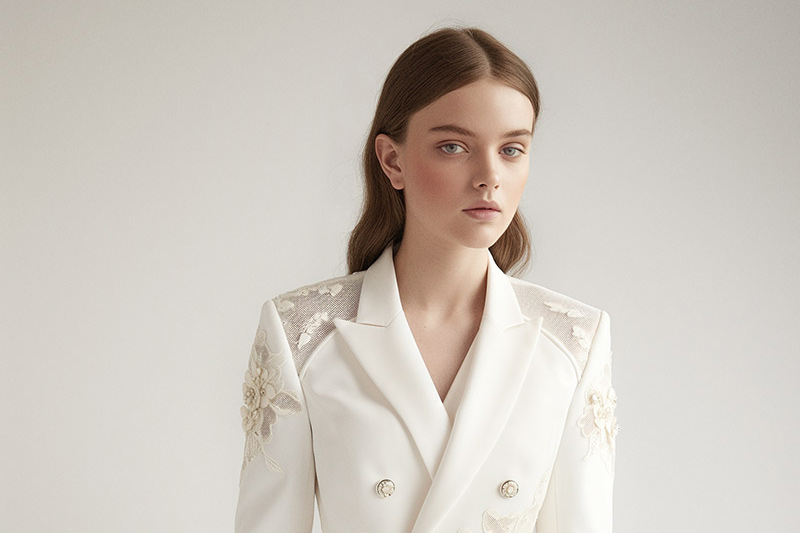
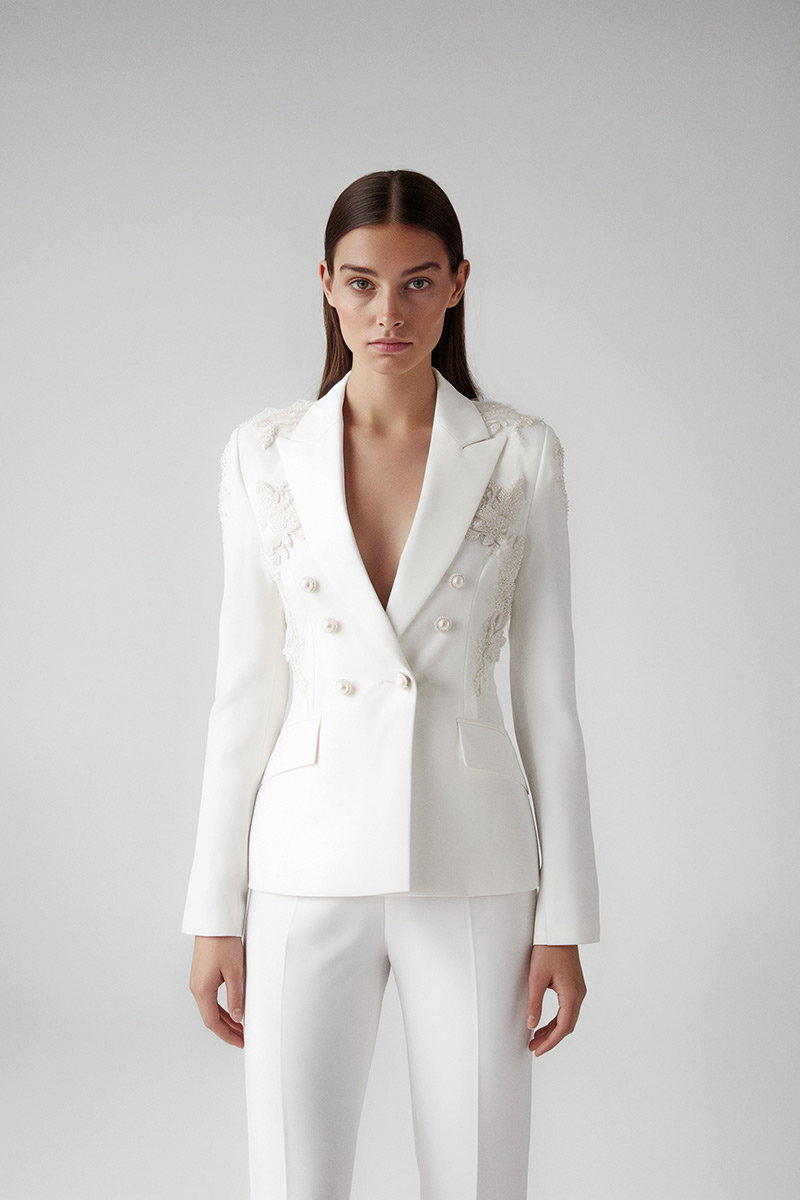
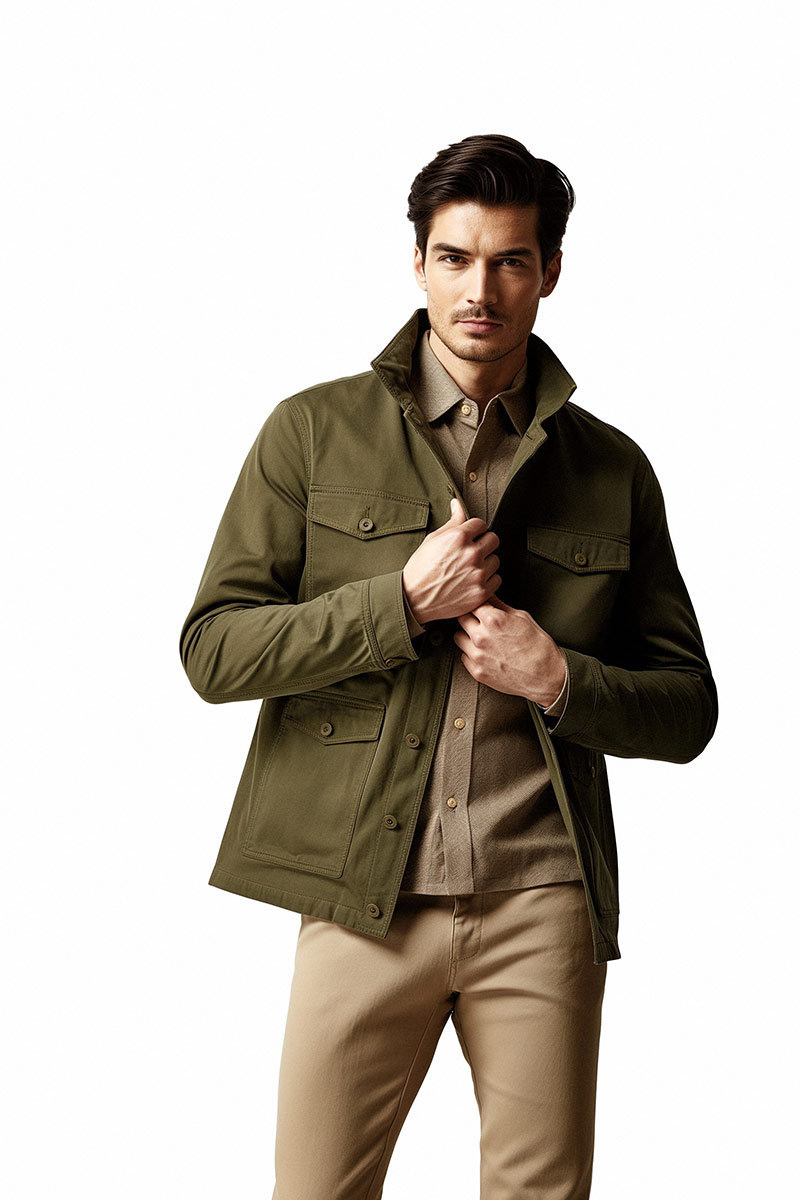
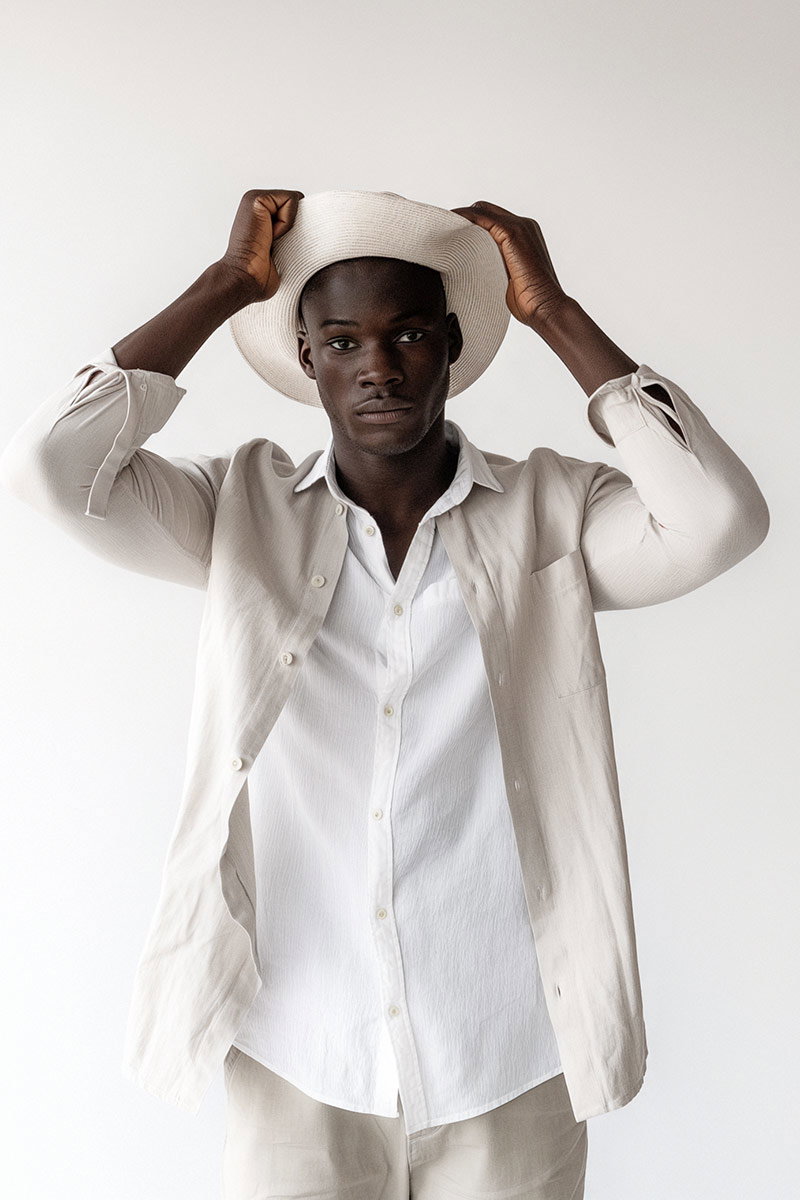
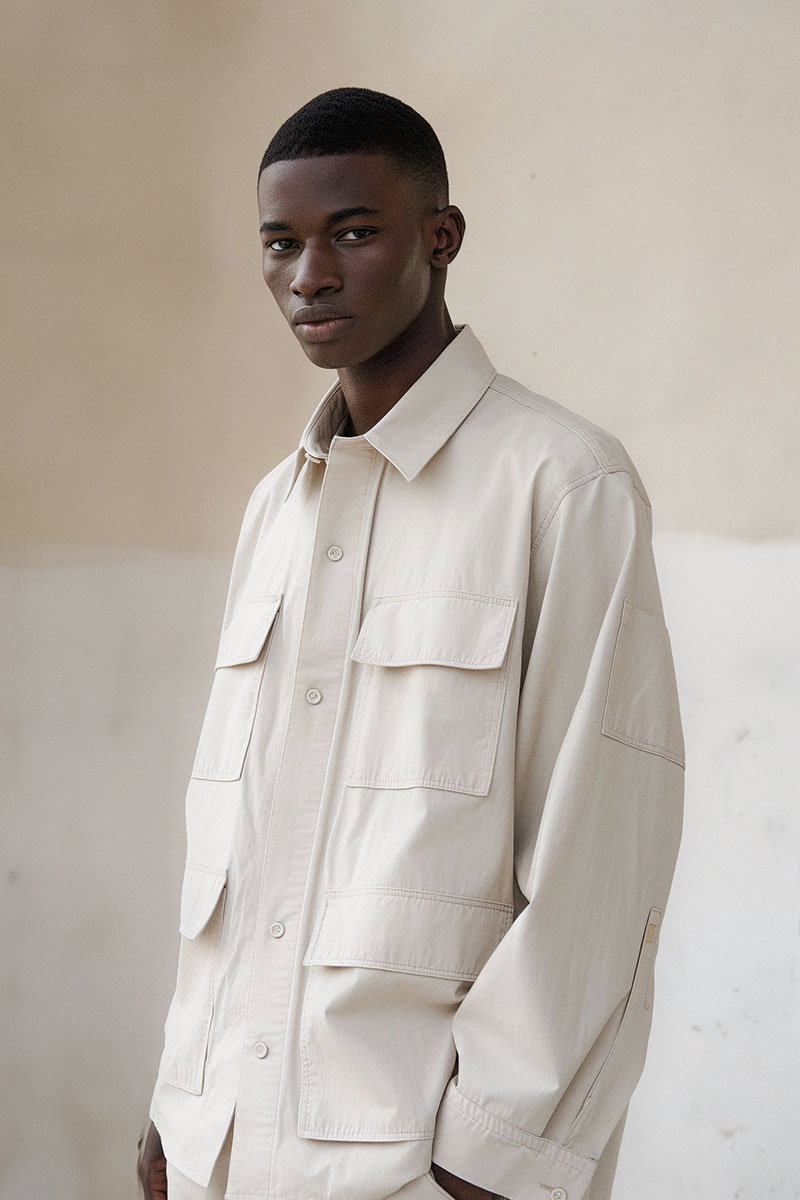
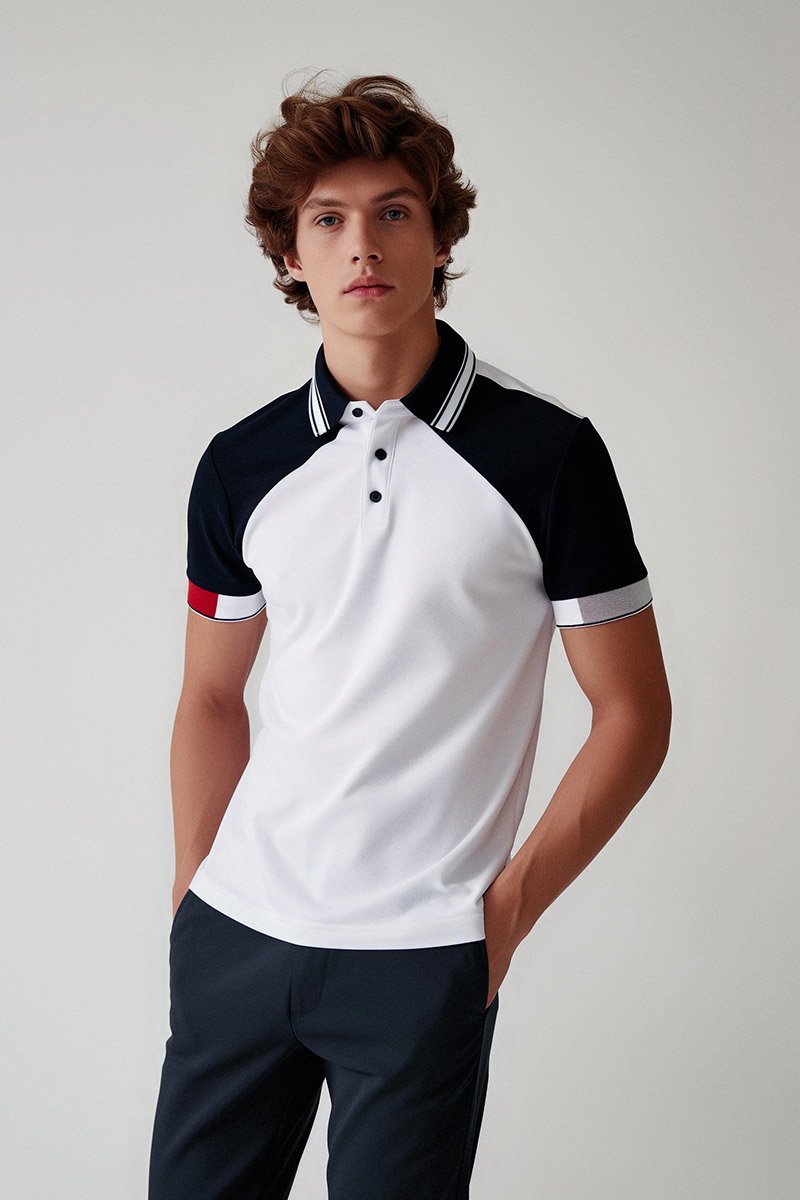
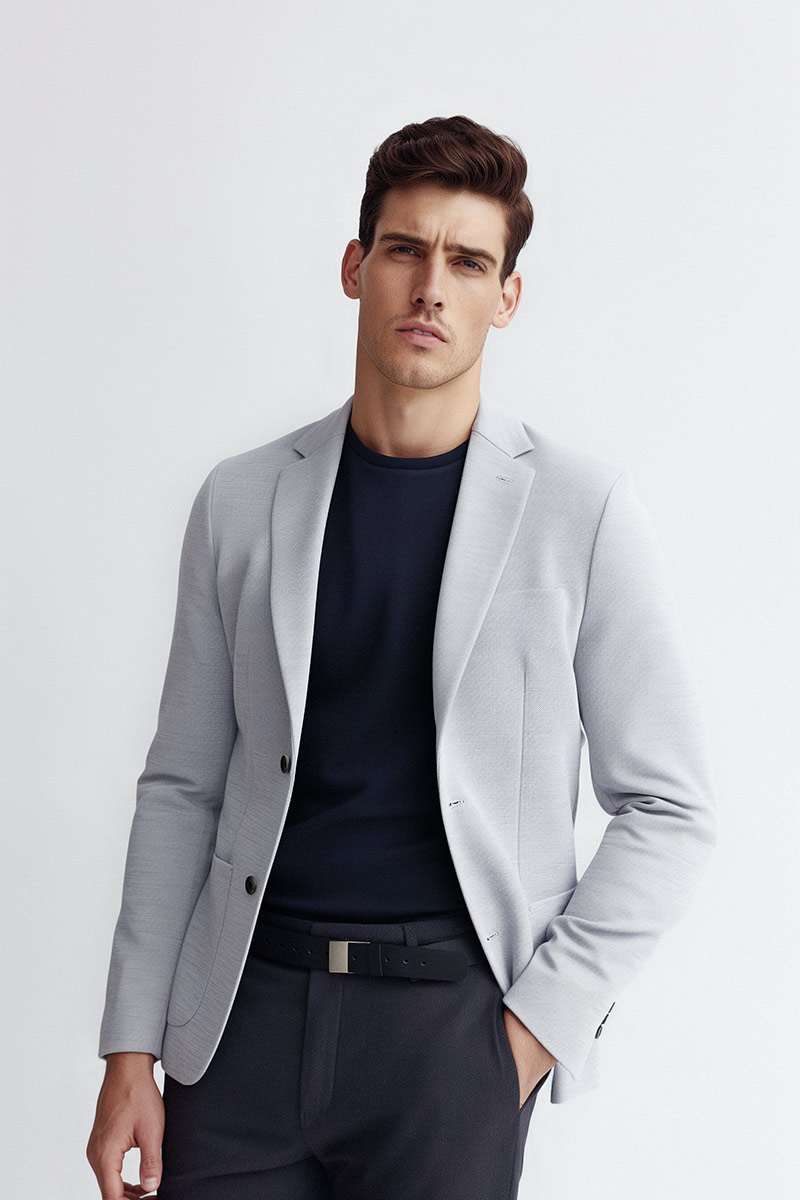
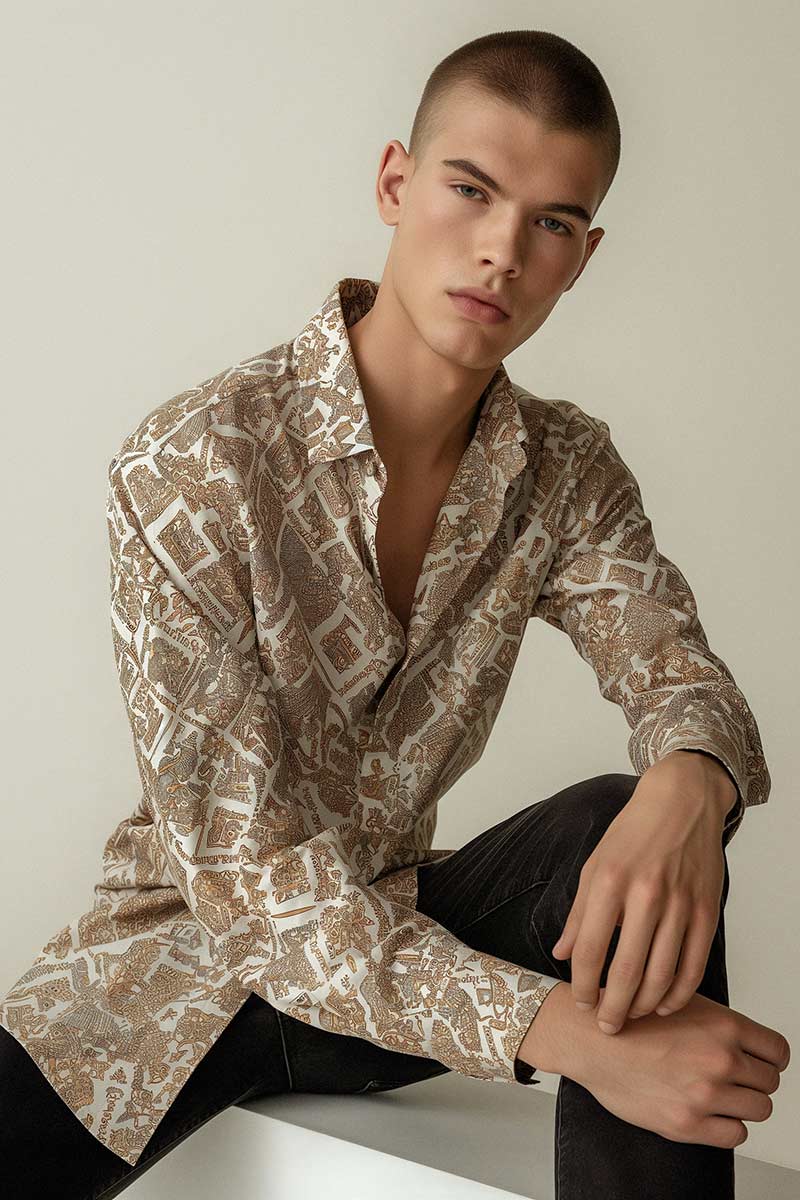
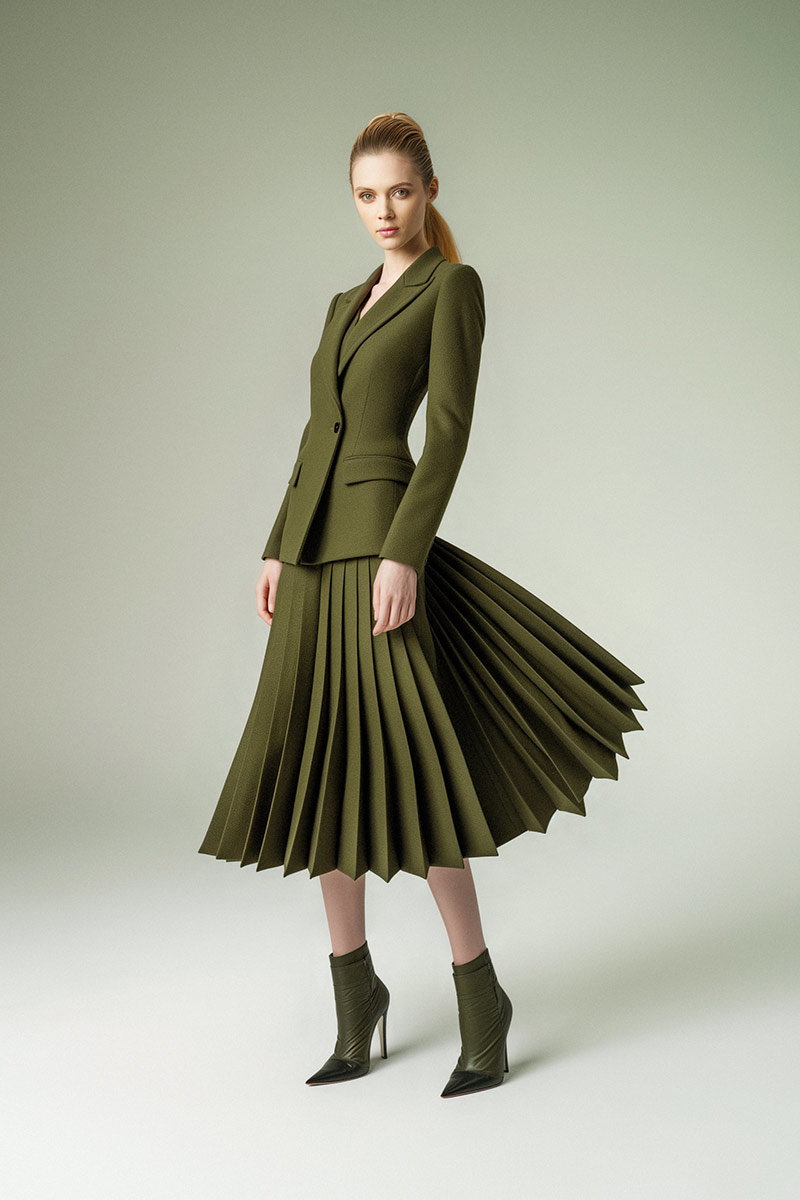
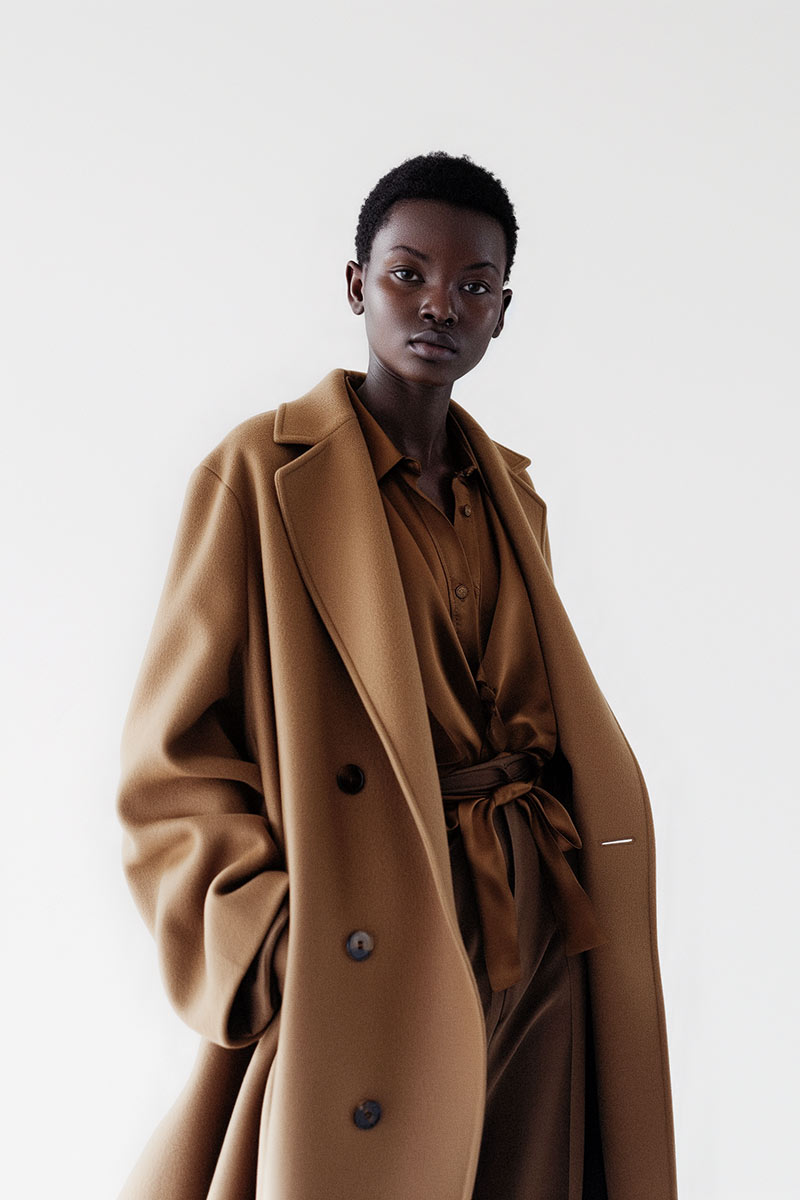
Executive portraits are the photographs of senior leaders that carry a company’s authority — used on the website, in annual reports and investor material, on press pages, for conference programmes and for speaking enquiries. They are planned and directed rather than taken casually: the session, the wardrobe, the background and the lighting are chosen so the finished image reads as calm, assured and senior.
A headshot for a directory and a portrait for the boardroom are not the same photograph, and mixing them is a common mistake.
In all of these, the photograph is doing one job: making the viewer believe the person in it can do the job.
The difference is planning and intent, not equipment.
A standard headshot is quick, friendly and consistent — a tight crop on a plain background, lit to flatter, with the same look as everybody else’s. It is the right image for a staff directory.
An executive portrait is a directed session. It is usually longer, it may involve more than one look, and the background is chosen to say something about the work. It is allowed to be less uniform than the team set, because it is doing a different job: it is not a record of a face, it is a presentation of a role.
That is also why mixing them is a mistake. A leadership section of portraits that look like the staff page underneath it undercuts the whole section.
Before the shoot, the photographer needs to know where the images will be used and what they have to achieve. It changes everything from the background to the crop.
A studio is the usual choice for an executive portrait, because the lighting and the background can be set and held exactly, and the session is not affected by what is happening in the building. It also means the same setup can be used again next year for the next portrait.
On location is worth considering when the surroundings are part of the message — a manufacturing site, a showroom, a design studio, or the office itself. It is also useful when a director will not travel and the session has to happen on a working day.
Many directors do both: a controlled studio portrait for the website and reports, and an on-location portrait for press and campaigns.
Wear what you would wear to the most important meeting of the week, not what you would wear to the office every day. Solid, deeper colours photograph cleanly; fine checks and busy patterns pull against the face.
Bring a second option if you can. A change of jacket or of shirt gives the session a second look without needing a second setup, and it is often the difference between a portrait that works and one that does not.
On the day, arrive with the day’s hair and make-up settled, and expect to be directed through several frames rather than asked to hold a single pose. The session runs one to two hours.
Individual executive portrait sessions are delivered the same day when the session starts in the morning, and the next day for an evening session, with retouched files following within 48 hours. Images arrive as high-resolution files through a private link, ready for print, press and web.
Executive portraits are individual, directed sessions, so they are priced individually rather than as part of a team package. Individual sessions start from £175 and team and group sessions start from £400, and each package and what it includes is set out on our corporate headshots
If you are ready to book, our executive headshots London service is the session itself — planned and directed, in the studio or on location.
EyeMedia Studios is a London photography studio founded in 2010 by photographer Bill Gidda, who has 35+ years of photography experience behind it. We shoot in our London studio and on location at offices across London and the UK, and the studio has produced commercial work for Nike, Puma, Tommy Hilfiger, Sony, Braun, TAG Heuer and Clinique.
To check availability, call 0207 916 2552 or email bookings@eyemediastudios.co.uk.
They are the photographs of senior leaders that carry a company’s authority — on the website, in annual reports, for press, investor material and speaking enquiries. Unlike a standard headshot, they are planned and directed, with the setting, wardrobe and lighting chosen to suit how the person is meant to be seen.
A headshot is quick, friendly and uniform, and it suits a staff directory. An executive portrait is a longer, directed session that may include more than one look and a deliberate background, so it can carry authority rather than simply record a face.
The session runs one to two hours, including direction, more than one look and the changes between them. Senior people are rarely natural in front of a camera, so most of the time is spent working through frames rather than holding a single pose.
They are individual, directed sessions and are priced individually rather than as part of a team package. Individual headshot sessions start from £175, and team or group sessions start from £400. Our corporate headshots page lists each package and what it includes.