Preparing for a corporate photoshoot is one of the quickest ways to sharpen how your brand looks and feels to clients, partners and candidates. This checklist walks you through practical steps to get the most from your session — from planning and individual headshot prep to team logistics, the shoot day itself and how to deploy the finished images. Many organisations lose impact through last‑minute planning or unclear briefs; our guide is built to prevent that. Drawing on EyeMedia Studios’ experience in professional corporate photography, you’ll find clear, actionable advice to make your session run smoothly and yield images that work hard for your brand.
Good planning keeps the shoot focused and ensures the final images reflect your objectives. Follow these core steps before you set a date.
Once your goals are clear, choosing the right photographer becomes straightforward. EyeMedia Studios is a London‑based team that specialises in corporate headshots and event photography — we’ve spent over a decade helping businesses translate brand strategy into consistent, professional imagery. Our experience means we can advise on styling, pacing and shot lists so you get reliable corporate headshots near me results.
Start with your audience and the message you want your images to carry. Are you showcasing expertise, approachability, innovation or heritage? Align the location, wardrobe and direction of the shoot to that message so every image feels purposeful. For example, if your brand values innovation, favour clean, modern compositions and active, candid shots over stiff, posed portraits during a corporate shoot.
Use these practical checks when shortlisting photographers:
Preparation makes a headshot session quicker and the results stronger. Focus on wardrobe, grooming and a few simple mindset tips so each person feels comfortable and confident in front of the camera.
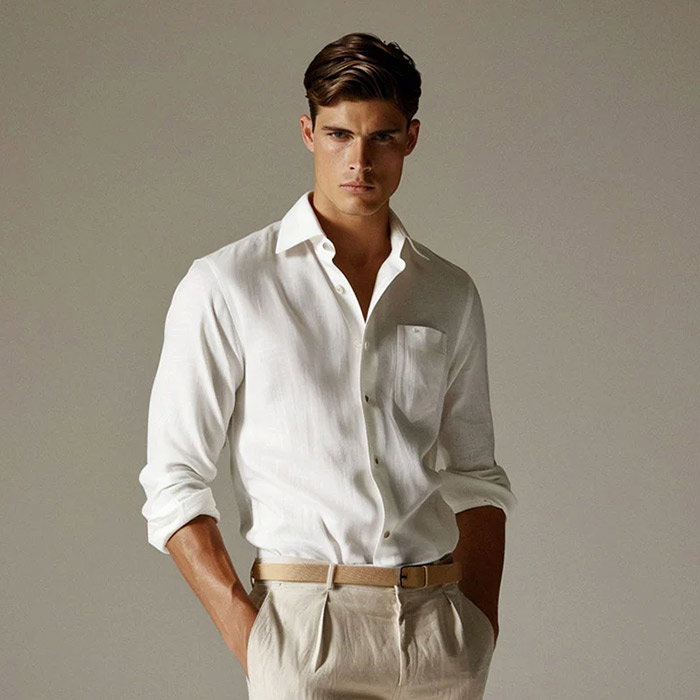
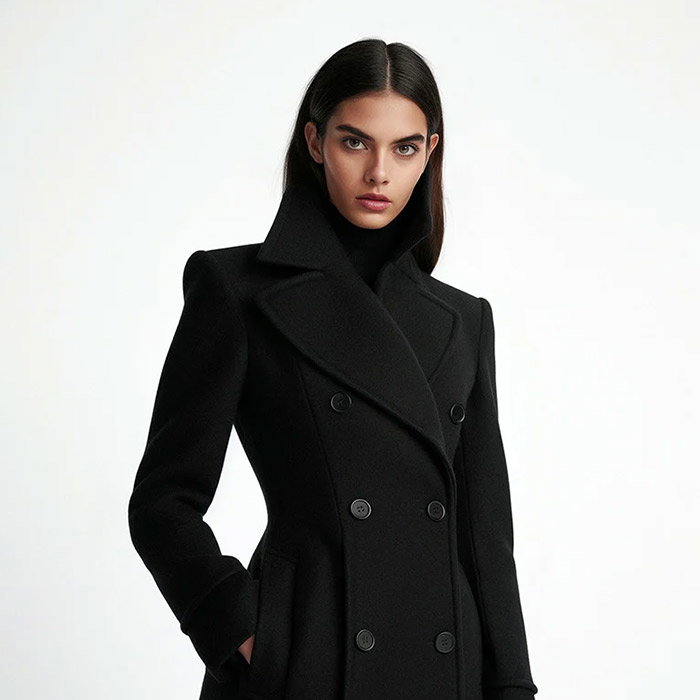
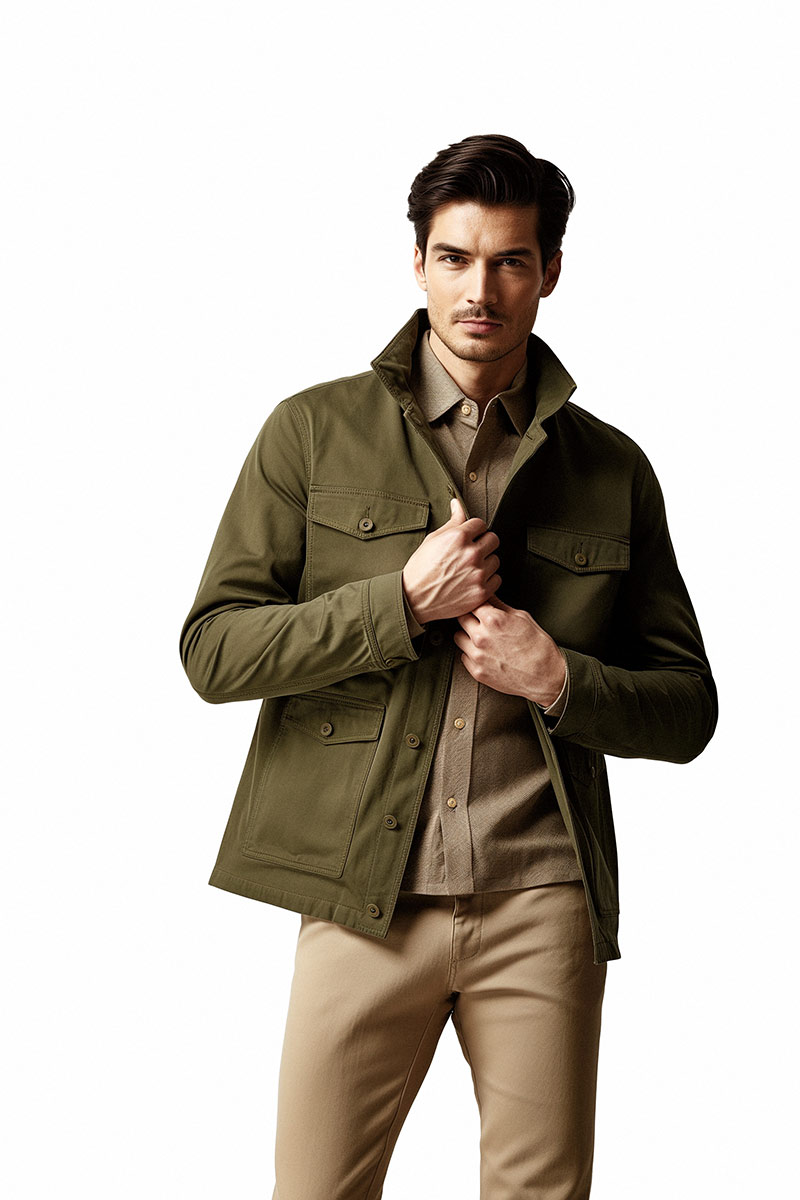
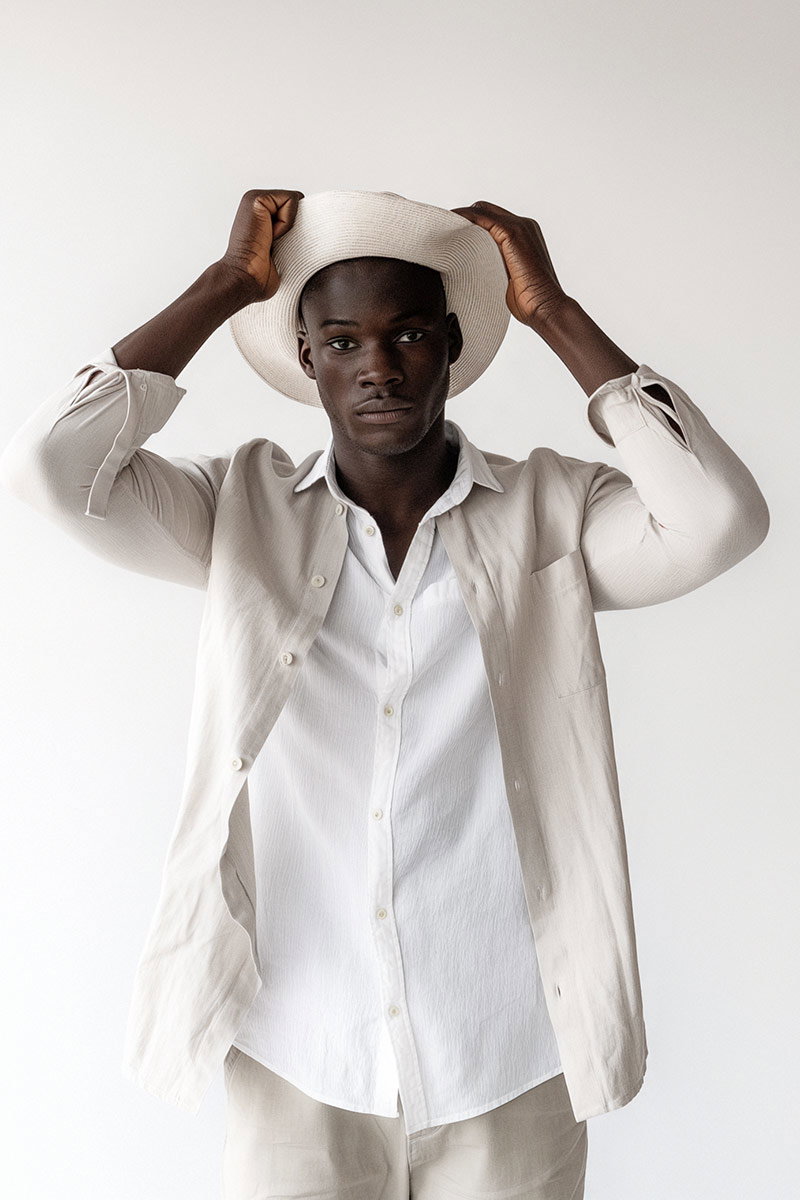
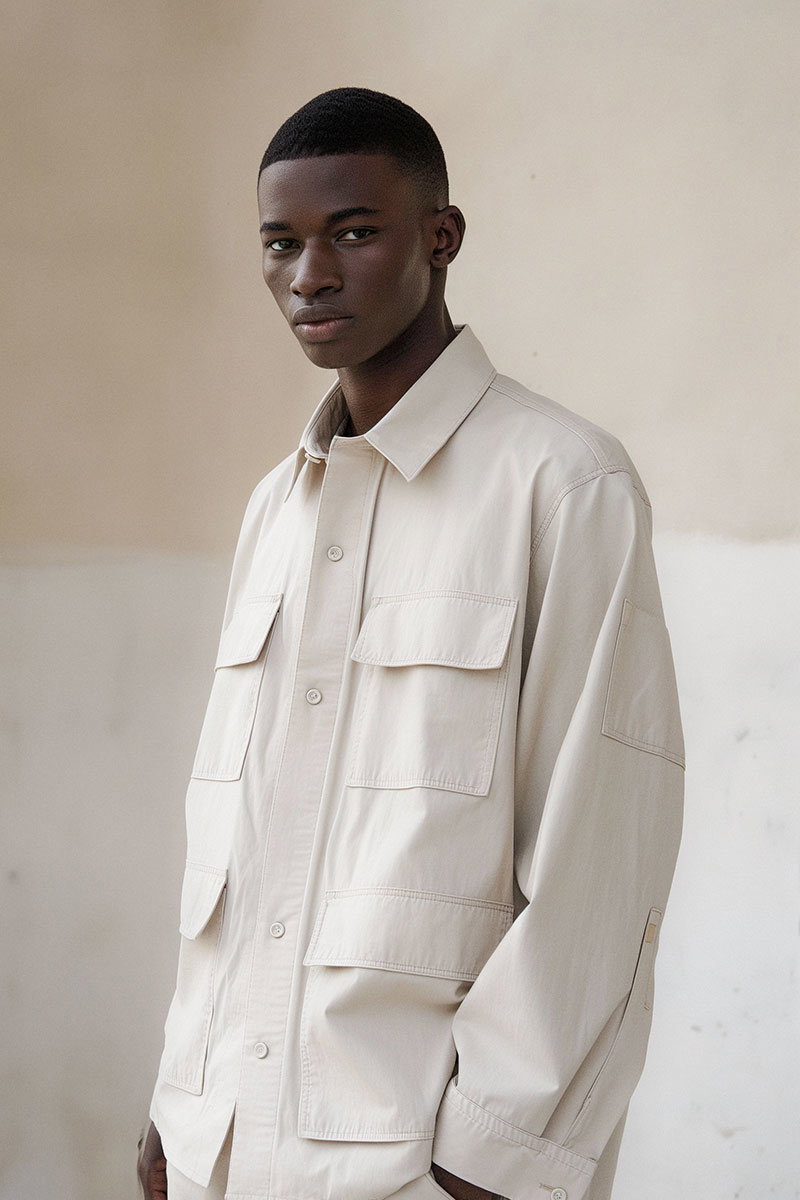
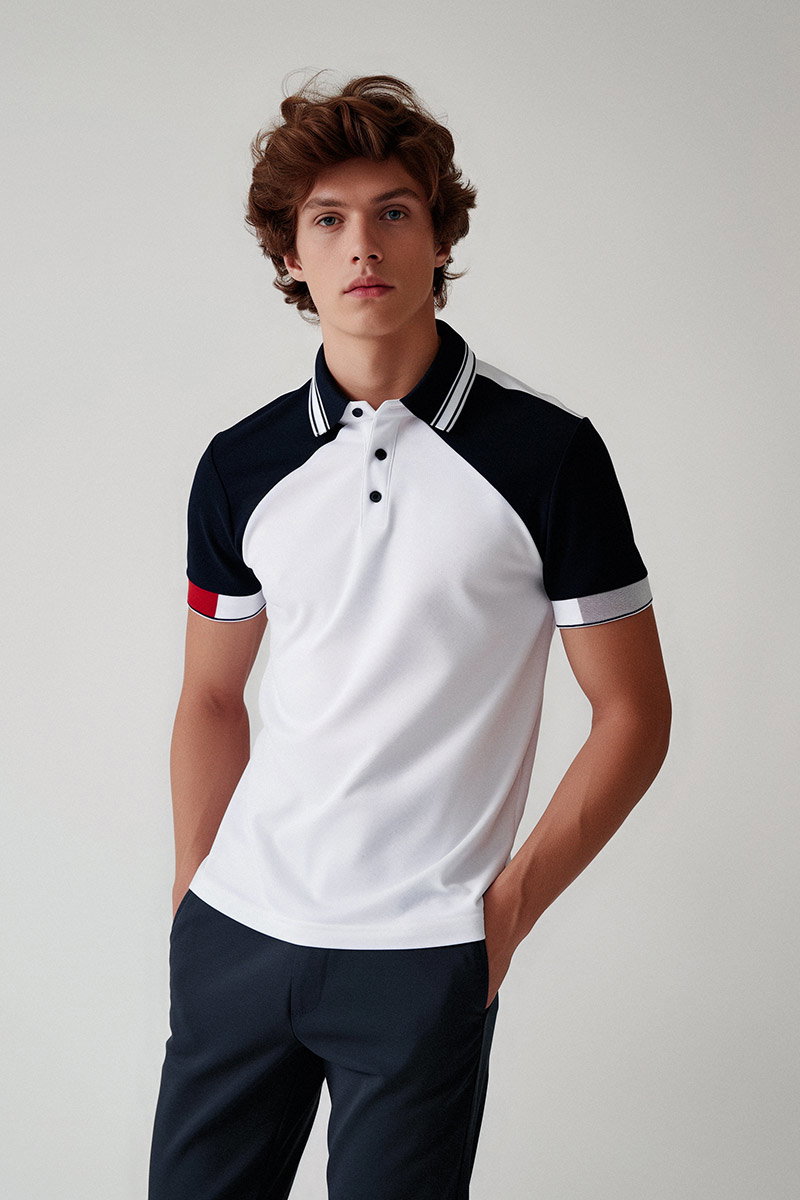
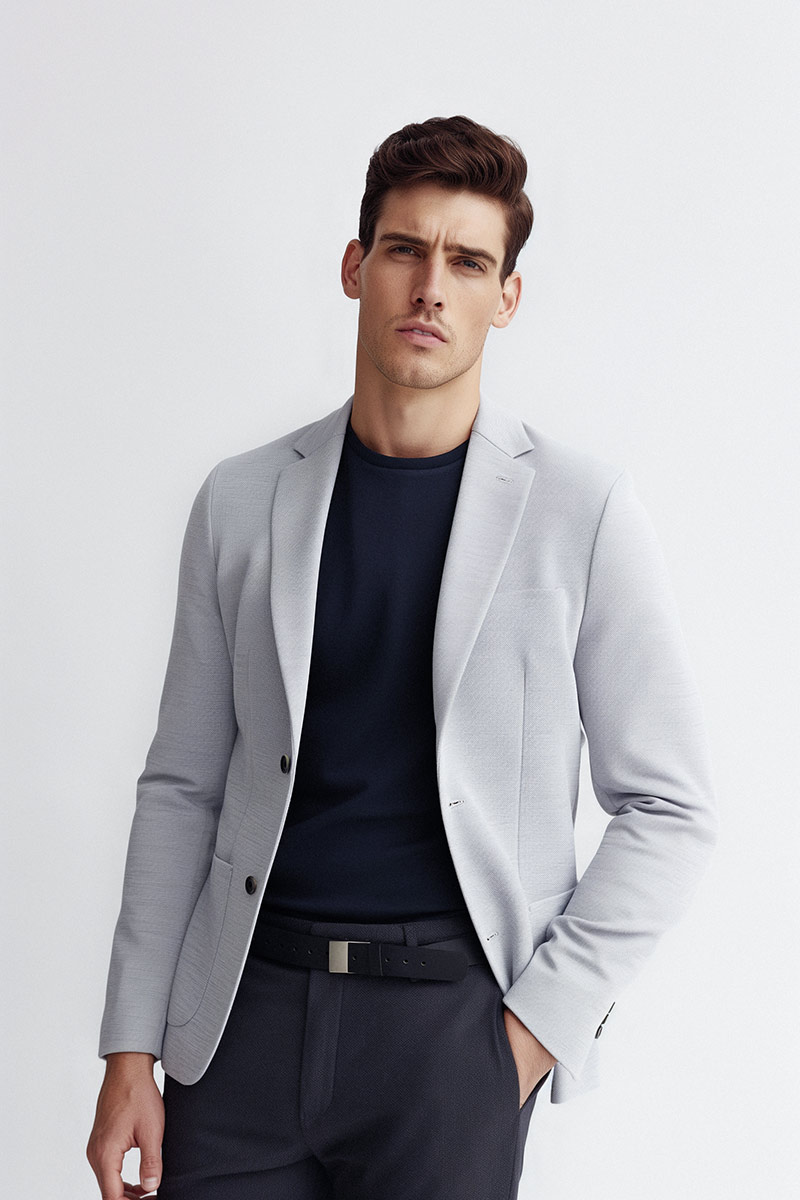
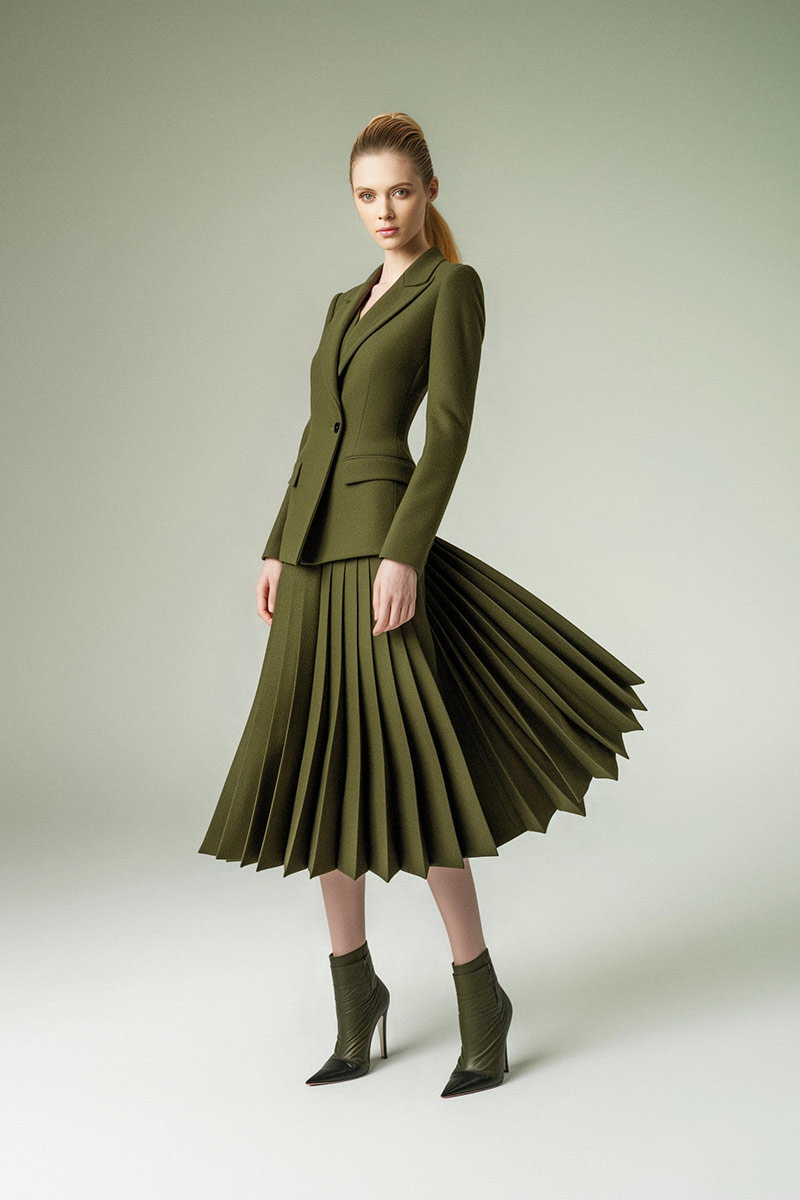
Choose solid colours that flatter your skin tone and avoid busy patterns or distracting logos. Classic, well‑fitting pieces usually translate best on camera — think tailored jackets, smart shirts or simple blouses. If possible, bring an extra outfit for variety.
Small grooming adjustments make a big difference:
Smooth logistics remove stress on the day. Confirm timings, roles and a clear shot list so everyone knows where to be and when. Small contingency plans also save time if anything unexpected happens.
For larger groups, use shared scheduling tools and a clear point of contact. Stagger arrival times, confirm groupings beforehand and supply a simple brief to participants so everyone comes prepared — that reduces downtime and keeps momentum on the day.
A well‑stocked kit keeps the shoot moving. Include:
Arrive on time, follow the agreed plan and trust your photographer’s direction. Being prepared helps everyone feel relaxed, which always shows in the final images.
Take a few moments to breathe and ground yourself before your shot. Keep posture open, relax the shoulders and try small, natural movements between frames — these help capture more genuine expressions.
Talk through any concerns and give clear feedback during the session. Photographers appreciate concise direction: mention what you like or don’t like, and they’ll adjust lighting, pose or framing to suit your brand’s look.
The work doesn’t stop once the camera is packed away. Choose and use images strategically so they reinforce your brand across every channel.
Prioritise images that communicate your brand values. Retouching should be subtle — correct minor distractions and lighting without losing authenticity. Agree delivery formats and timelines with your photographer so you have ready‑to‑use files when required.
High‑quality images boost credibility and make profiles and marketing materials feel professional. Use headshots for leadership pages, team photos for corporate pages and lifestyle shots in social content to create a coherent visual identity across platforms and business photoshoot.
In short: plan clearly, prepare people, and set expectations. Follow this checklist and you’ll leave the shoot with a library of usable, on‑brand images that support your communications and marketing for months to come.
With over 30 years of dedicated experience in corporate photography, EyeMedia Studios is a trusted London partner for businesses looking to refresh their visual identity. Our photographers specialise in authentic, high‑quality headshots, team photography and event coverage — all delivered with an efficient, client‑focused approach.
Have a backup plan: choose indoor locations or sheltered areas in advance and discuss alternatives with your photographer. Keep an eye on the forecast in the days leading up to the shoot and be ready to adjust the schedule if needed — flexibility keeps the session productive even if the weather changes.
Communicate the schedule, wardrobe guidelines and expected arrival times well in advance. Share a short brief with example poses or group layouts, hold a quick pre‑shoot briefing on the day and encourage people to practise natural, relaxed expressions — that preparation makes everyone feel more at ease.
Typical pitfalls include unclear briefs, last‑minute wardrobe changes and ignoring the background or lighting. Avoid these by sending clear instructions beforehand, bringing spare clothing, and ensuring the photographer has time to set up and test lighting for each corporate shoot.
Use images consistently across your website, social media, email campaigns and press materials to build a recognisable visual identity. Tailor crops and formats for each channel and refresh visuals regularly to keep content feeling current and relevant.
Retouching improves polish and consistency across a set of images — correcting minor blemishes, balancing skin tones and refining lighting. The best retouching is discreet: it should enhance clarity without creating an artificial look, preserving authenticity while delivering professional results.
Corporate photos are a great way to build internal culture: use them in company newsletters, intranet profiles, onboarding materials and event round‑ups. Highlighting people and team moments reinforces professionalism and helps colleagues recognise and connect with one another.