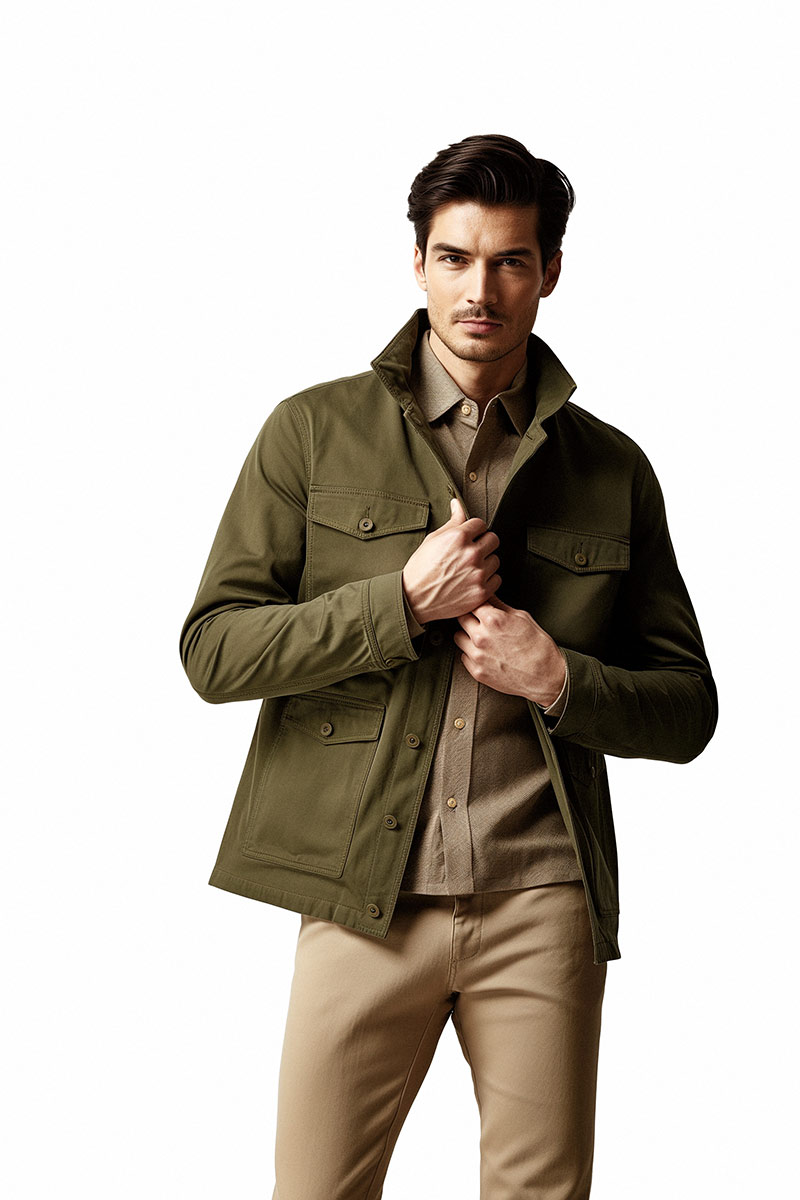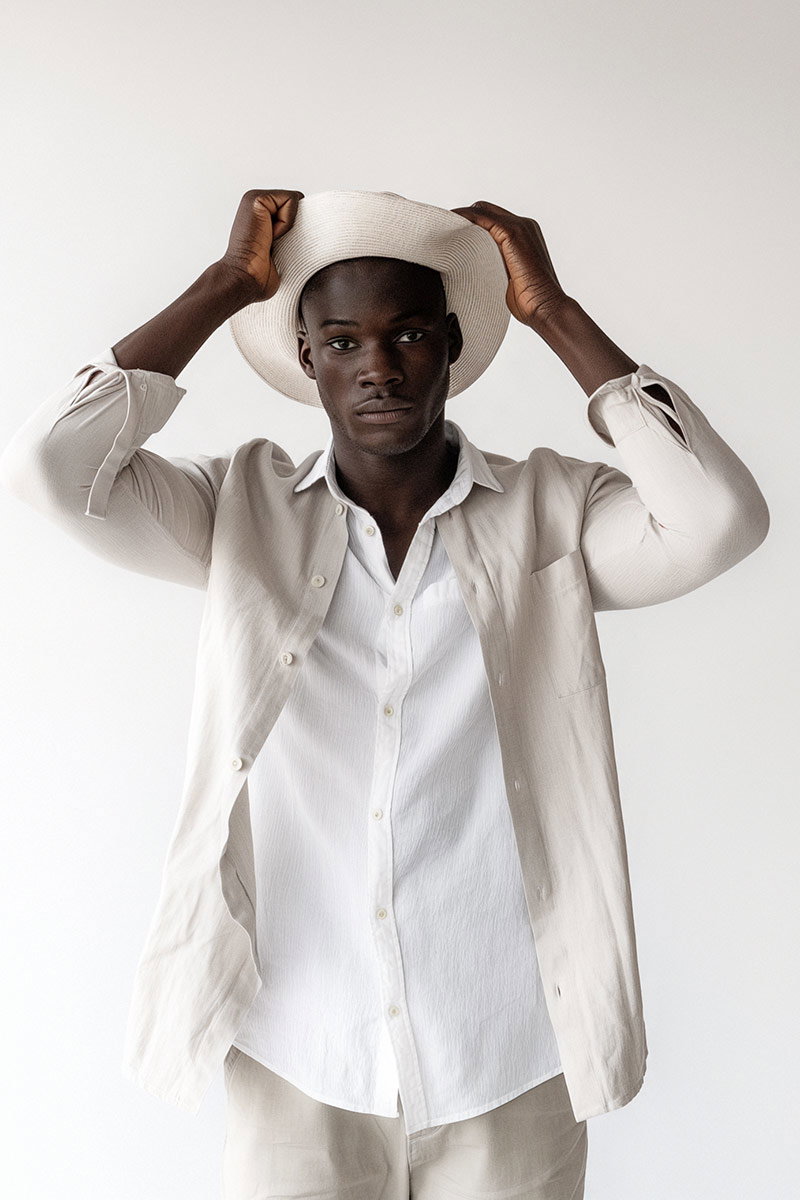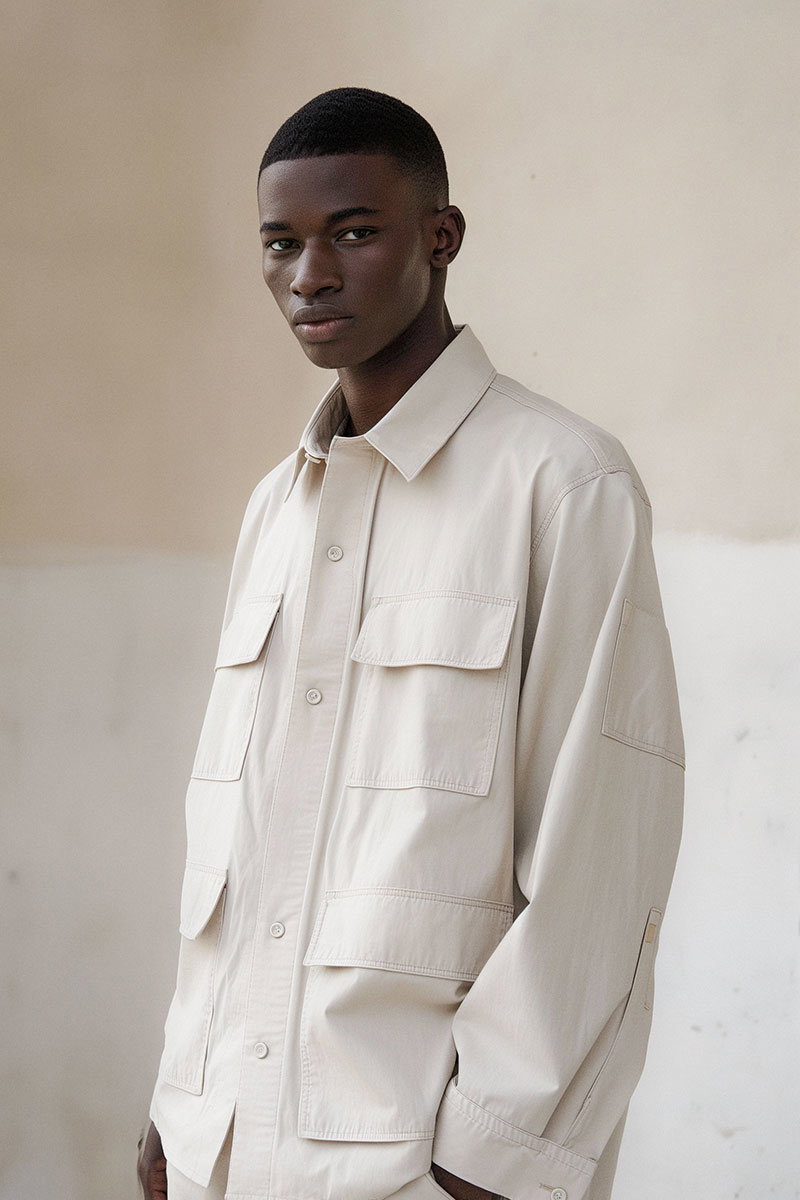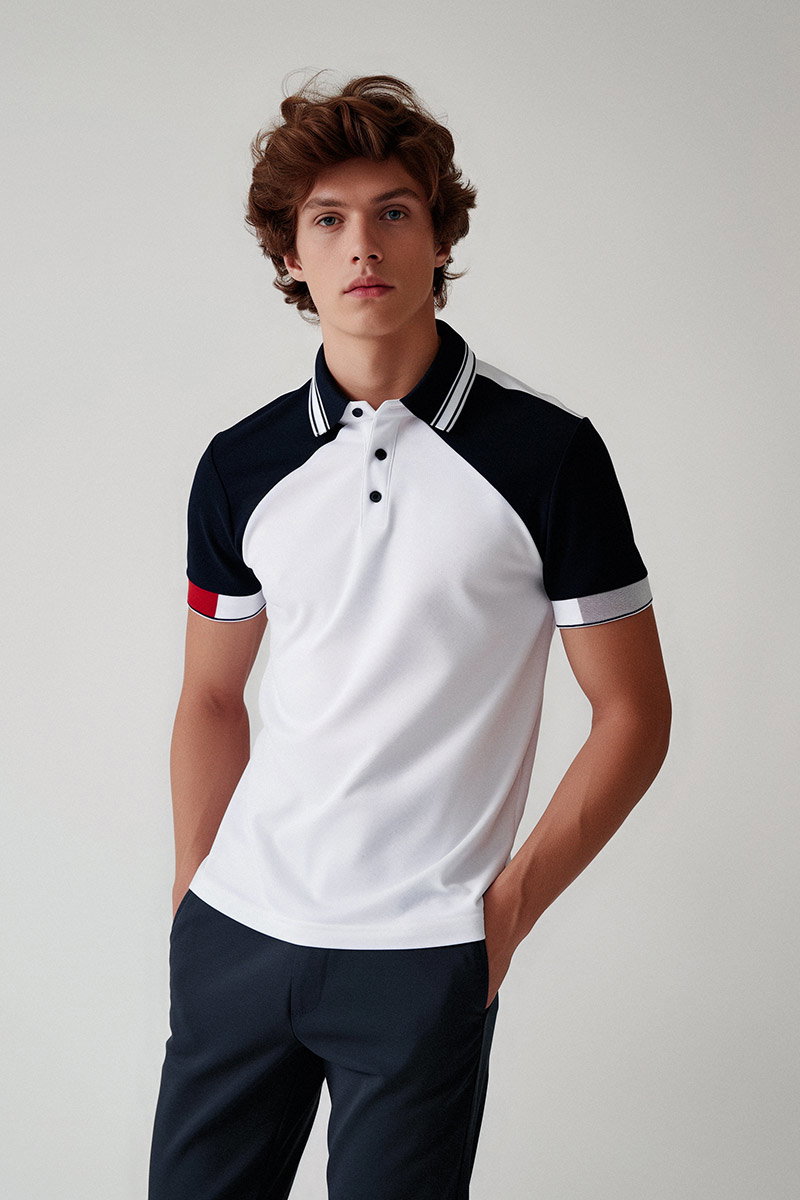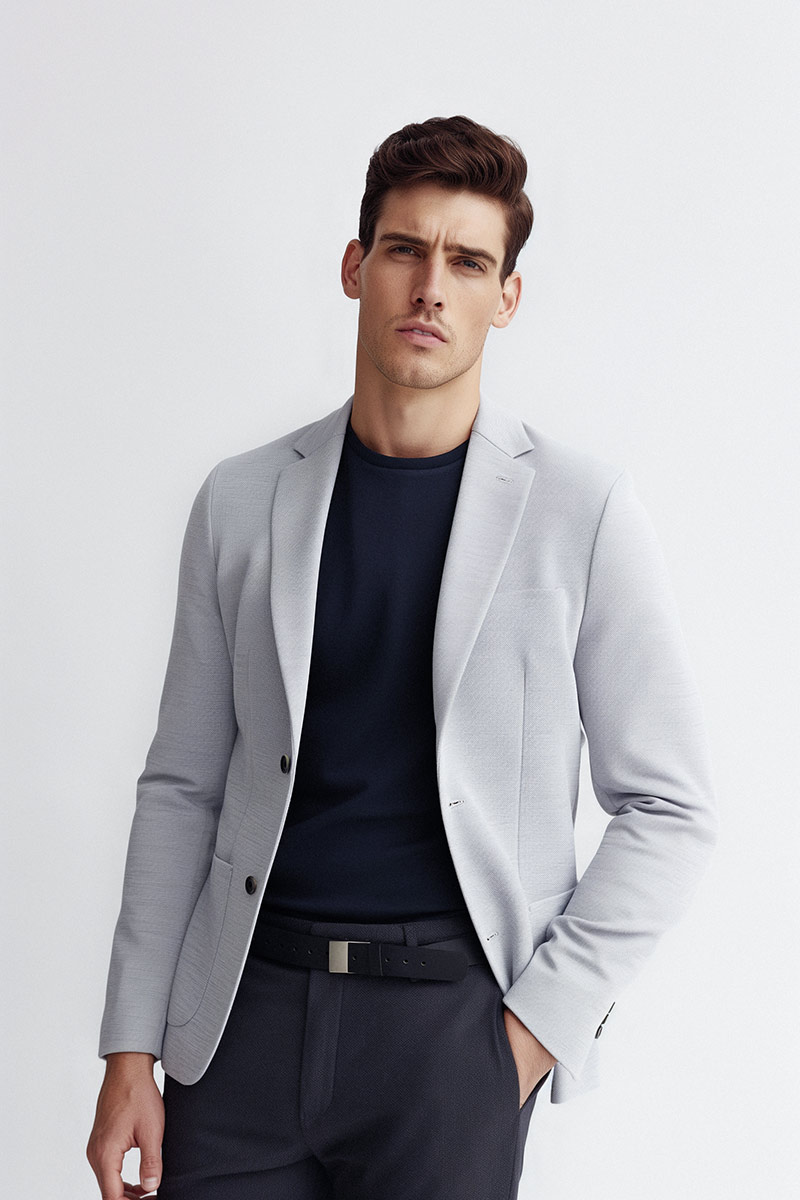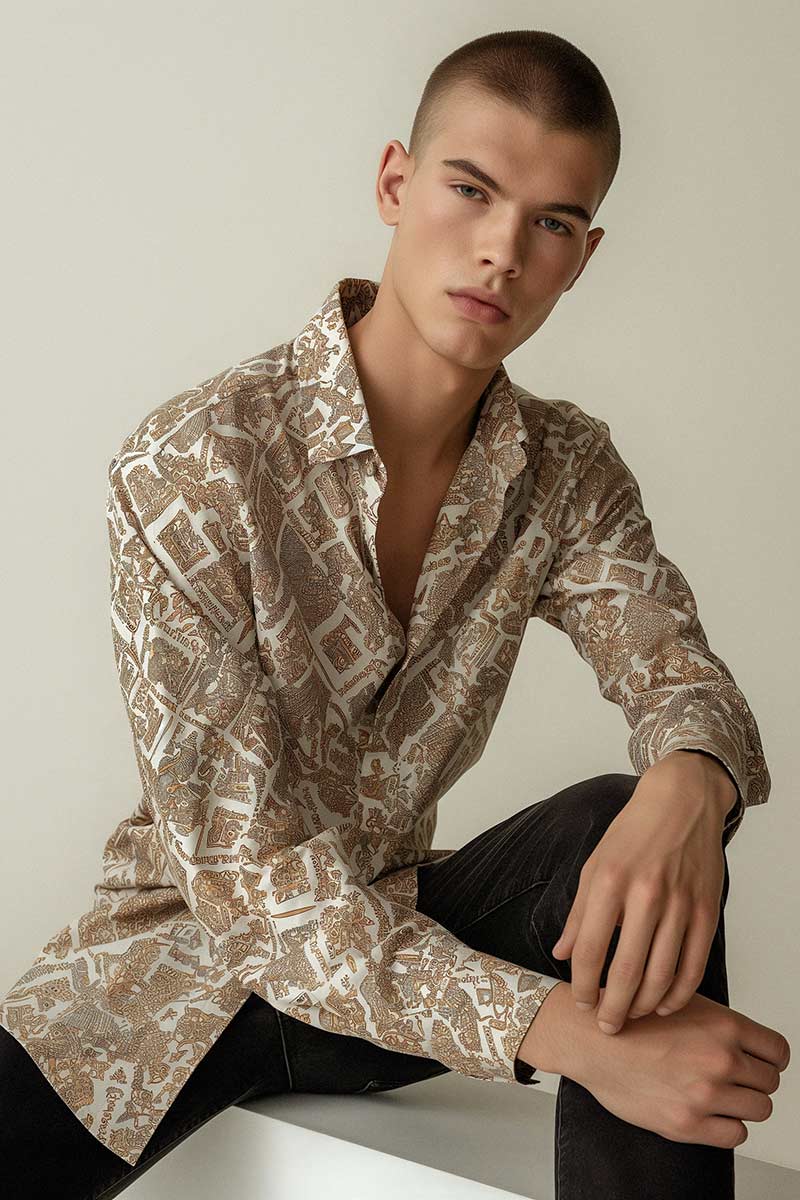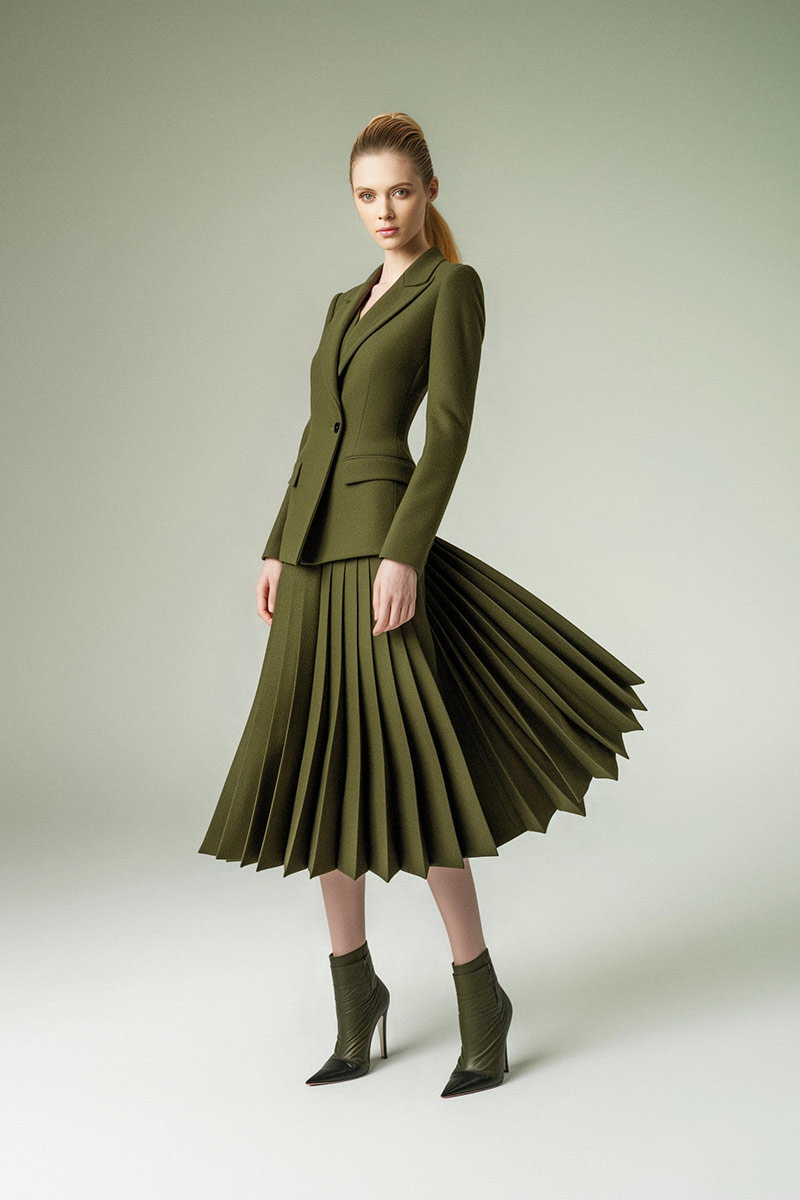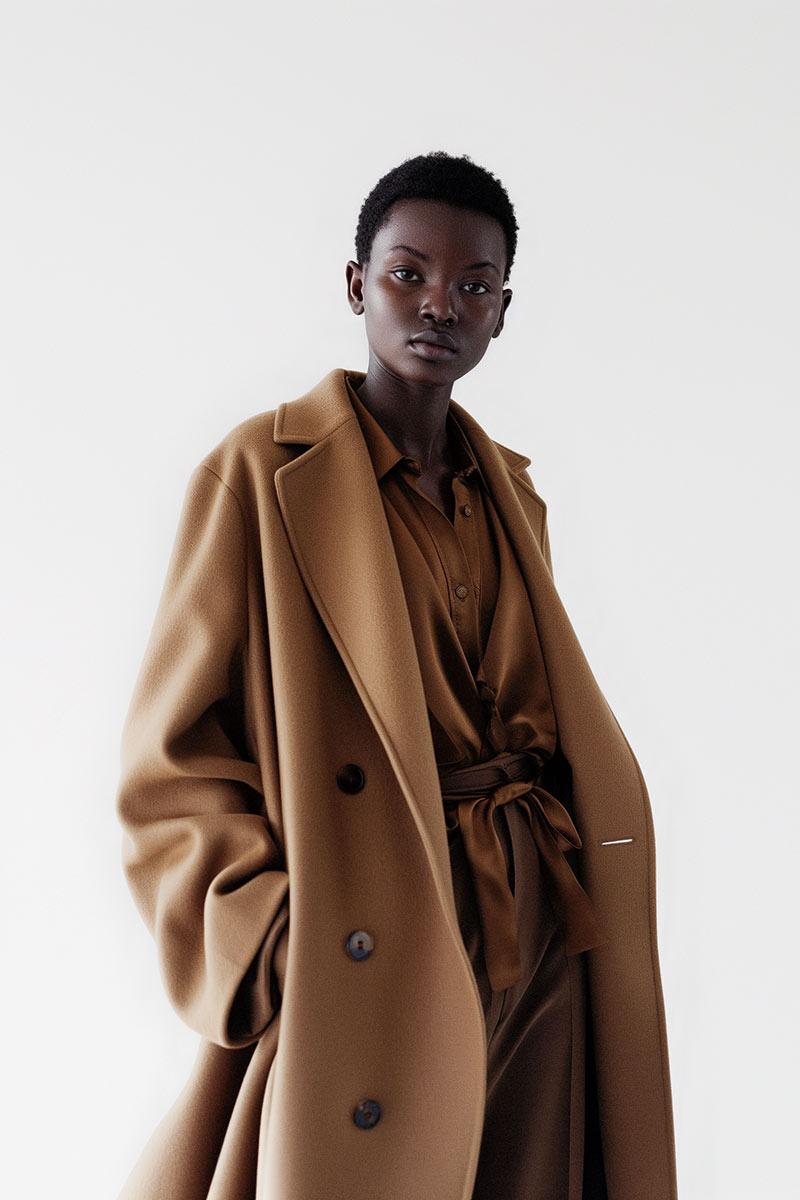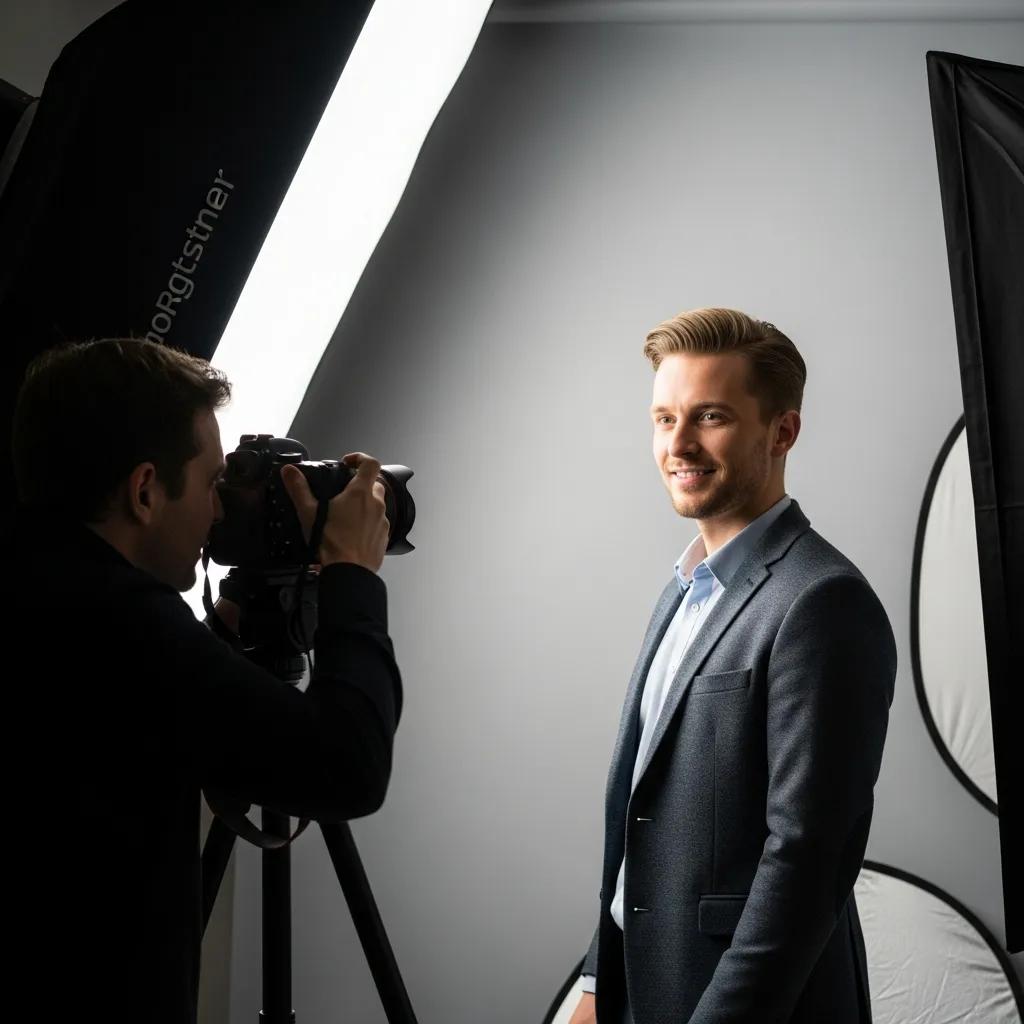
In today’s competitive professional world, the right pose can change how people judge your competence. See our how to pose for your headshot shoot guide for practical tips. and approachability. This guide breaks down the best poses for headshots and gives clear, actionable tips so you can present yourself with confidence—whether you’re updating LinkedIn or booking a corporate portrait. We’ll cover proven posing techniques, simple body-language adjustments, and why angles matter. You’ll also learn common pitfalls to avoid and how a session at EyeMedia Studios can lift your final images.
Choosing the right pose is key to creating a headshot that communicates the impression you want. The right posture and angle can read as confident, approachable or authoritative depending on your goal. Below are three reliable poses we recommend:
These poses are widely accepted across industries and will help you create a strong first impression.
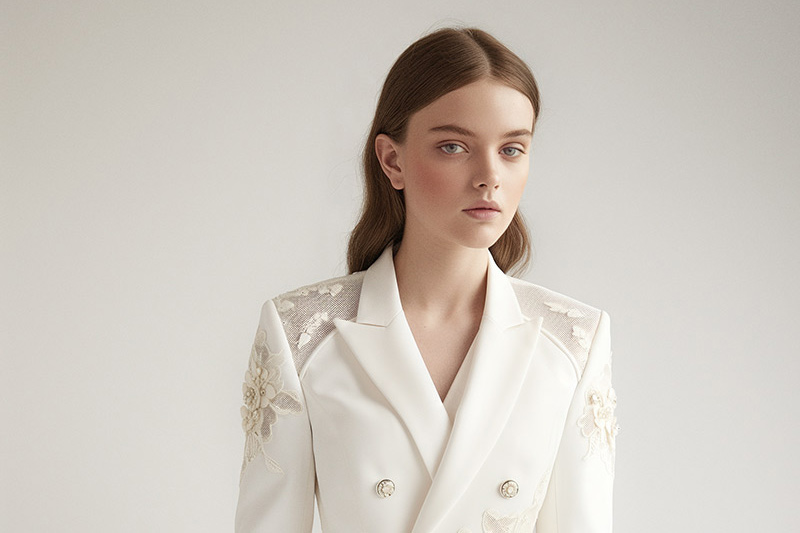
Classic head-and-shoulders shots are timeless because they keep the focus on your face and expression. A slight tilt or turn softens the image and makes you look more engaged, while tight framing emphasises your expression and presence. Use a small head tilt to appear approachable without losing authority.
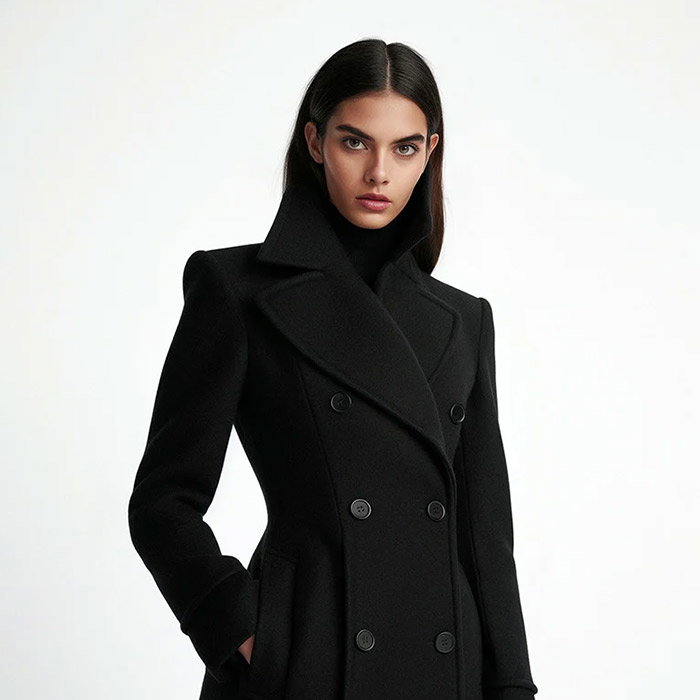
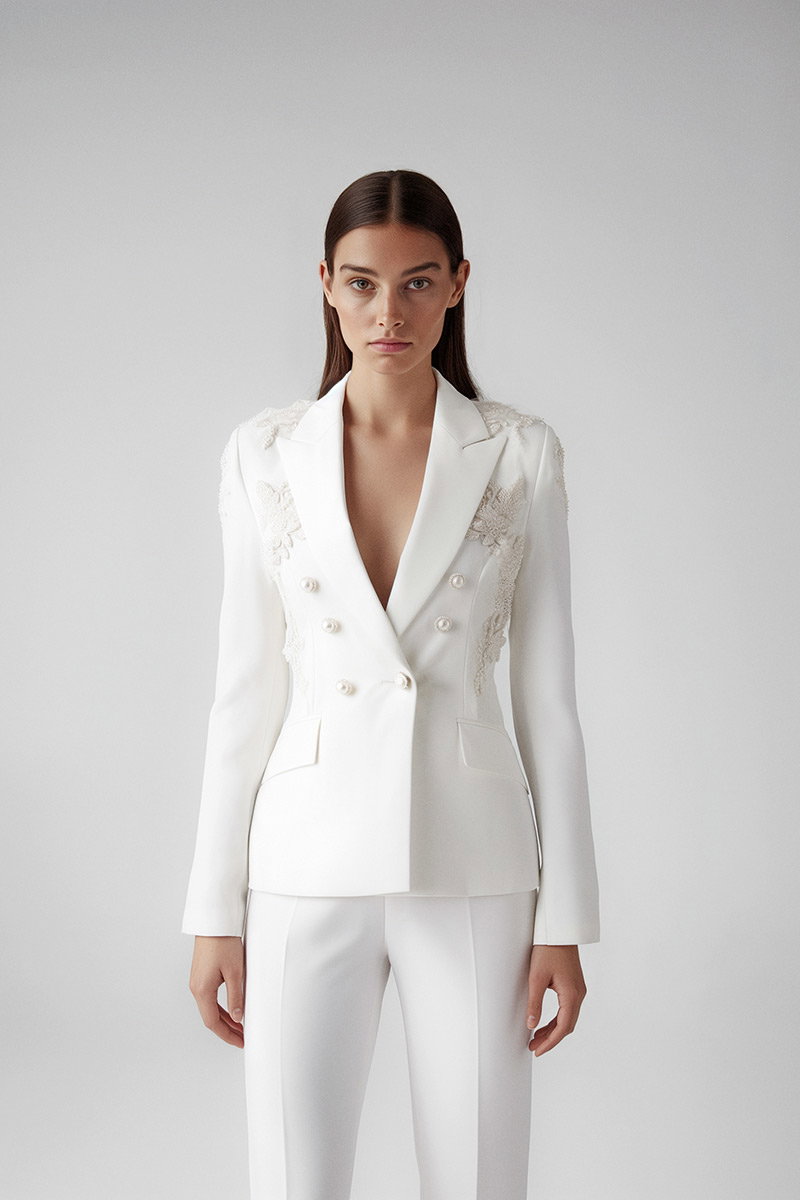
Body angle and shoulder placement change the whole feel of a portrait. A slight turn creates a more dynamic composition; squared shoulders read stronger and more direct. Keep these simple rules in mind when posing:
Small adjustments to angle and posture make a noticeable difference in the final image.
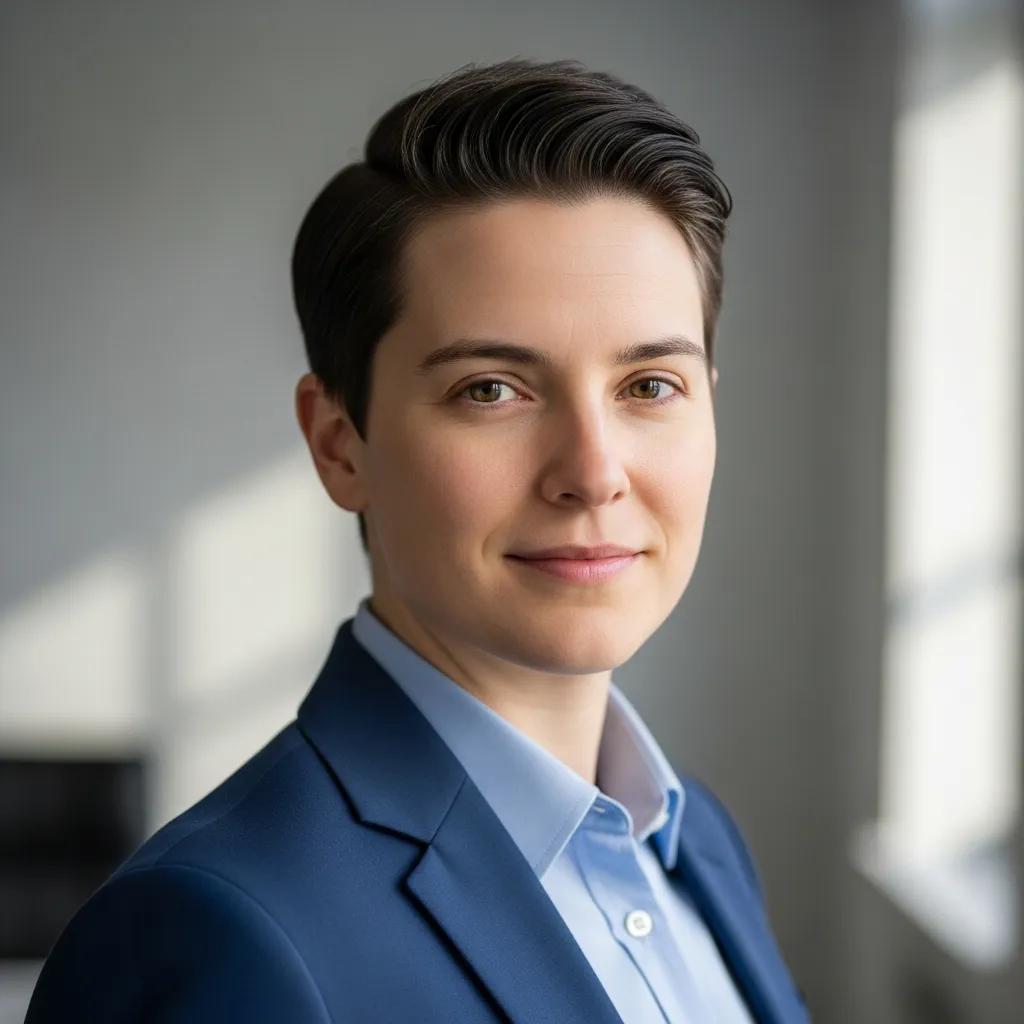
Body language in a headshot signals who you are before someone reads a word on your profile. Simple posture and expression choices can make you appear more trustworthy, competent or approachable—so pick the signals that match your professional brand.
Your expression sets the mood. Try these options depending on the impression you want to make:
Practice each expression briefly in front of a mirror to see which feels most natural for you.
Strong eye contact makes a headshot feel direct and engaging. Use these practical tricks:
These small habits help your portrait hold attention and feel authentic.
The angle of the camera relative to your face changes how features read in the final shot. Minor shifts in chin position, head tilt and camera height can flatter different face shapes—experimentation during the shoot is key.
A subtle head tilt can make you look more confident and engaged. Tilting slightly toward the camera draws attention to the eyes and softens the overall tone. Try a few small variations—often the most natural position feels the most confident.
Your industry and the impression you want to create will guide whether to sit or stand:
Both can be flattering; choose the format that supports the message you want to send.
Actors and corporate professionals use different posing strategies because their headshots serve different purposes—actors demonstrate range, while corporate subjects signal credibility and fit for a role or company.
Actor headshots need to be versatile and expressive. We often recommend:
These approaches let casting directors imagine you in multiple roles while still seeing your true character.
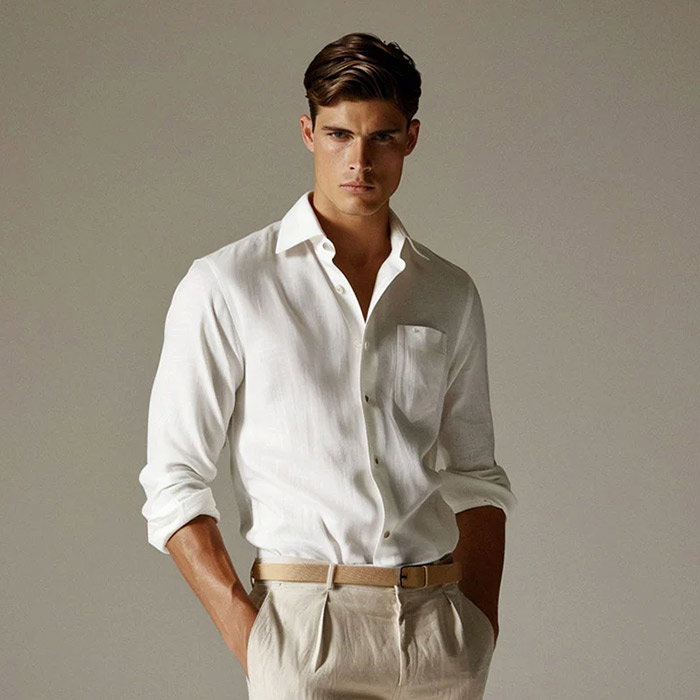
For men’s corporate portraits, the emphasis is usually on presence and approachability. Try these techniques:
These small choices keep the image professional without feeling rigid.
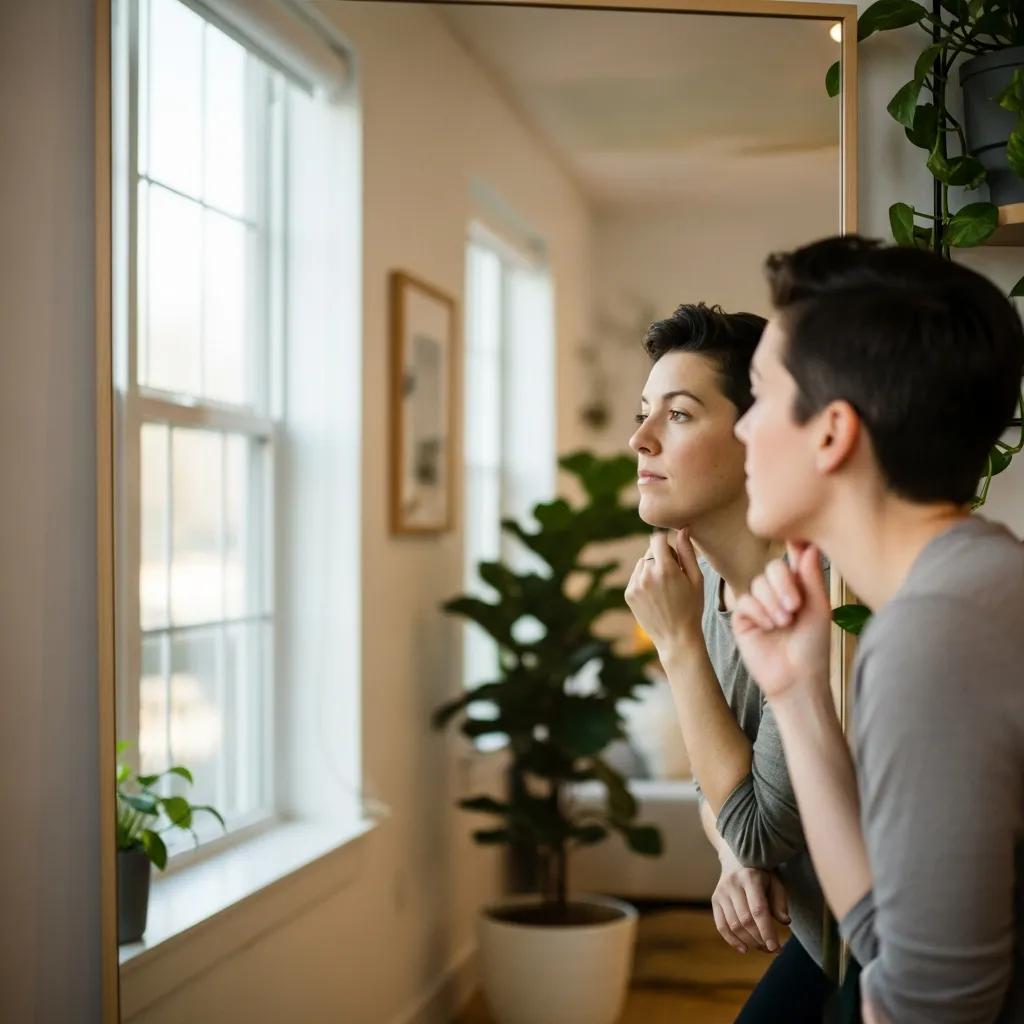
Steer clear of a few predictable errors that can undermine an otherwise strong headshot. Watch for posture, tension and distracting backgrounds—getting these right keeps the focus where it should be: on you.
Addressing these issues beforehand will save time in the studio and improve your final images.
Bad posture and strained expressions change how people interpret your professionalism. Even small signs of discomfort can be read as nervousness or lack of confidence. Practising posture and settling into comfortable facial expressions will make your photos read as poised and professional.
Use these practical tips to avoid common pitfalls:
Following these steps helps you arrive prepared and relaxed—key ingredients for a successful session.
Picking the right studio matters. At EyeMedia Studios we specialise in headshots and modelling portfolios and focus on producing images that look natural, professional and true to you.
Bill Gidda, our lead photographer, brings over 30 years of experience to every session. His attention to detail and practical posing direction help clients feel at ease and present their best selves. Bill’s approach balances technical skill with straightforward coaching, so you leave with images that work hard for your profile.
We offer a selection of services designed to deliver polished, natural results:
These options make it straightforward to walk away with headshots you’re happy to use.
Choose clothes that fit well and don’t distract from your face. Solid colours that complement your skin tone work best—avoid loud patterns and flashy logos. For most corporate portraits, a blazer or shirt is a safe choice; creative industries can tolerate more personality in colour and texture. Above all, wear something that makes you feel comfortable and confident, especially when considering eye contact.
The background sets context but shouldn’t compete with you. Clean, neutral backgrounds keep attention on your face; soft gradients or subtle textures add depth without distraction. If you want an environmental shot (office or outdoor), make sure it supports your professional brand and doesn’t clutter the frame.
Preparation makes a big difference. Get a good night’s sleep, stay hydrated and avoid heavy meals right before the shoot. Bring one or two outfit options and practise your expressions in a mirror. Talk through your goals with your photographer so they can tailor the session to the image you want to project.
Soft, even lighting flatters most faces. Natural window light is flattering; in-studio, we use diffused lights or softboxes to avoid harsh shadows. Avoid strong overhead lighting—it can cast unhelpful shadows—and aim for even illumination that brings out your best features.
Session length depends on how many looks and retouches you want. Typically a headshot shoot ranges from 30 minutes to two hours, allowing for multiple poses, outfit changes and short breaks to keep you fresh. Confirm timing with your photographer when booking.
If you’re unhappy with a result, tell your photographer—most pros will review images with you and offer adjustments, retouching or a reshoot if needed. Open communication ensures the final image represents you accurately and meets your expectations.
A well-executed headshot can open doors and strengthen your professional brand. By focusing on posture, subtle posing choices and natural expression, you can create images that feel confident and approachable. At EyeMedia Studios we combine practical advice with experienced photography to help you get the best possible result—book a session and let us help you make a strong first impression.