Online retail is crowded — standing out means helping customers understand your products at a glance. Interactive product photography, especially 360° spins and 360 product views, gives shoppers the confidence they need to buy. This page explains what interactive photography is, how it works, and why it matters for ecommerce. Many retailers see high bounce and low conversion because product images don’t tell the full story. Interactive imagery bridges that gap, creating a closer-to-physical shopping experience that increases satisfaction and repeat custom. Below we define the approach, list its main benefits, outline the workflow, and explain why professional execution from studios like EyeMedia Studios makes a measurable difference.
Interactive product photography uses specialised imaging to let customers explore products rather than just view them. That covers 360° photography and fully manipulable 3D models, which reveal a product from every angle. For online shoppers who can’t touch or try items, better visualisation reduces uncertainty and builds trust — essential when purchasing sight unseen. In short, interactive imagery narrows the gap between online and in-store experiences.
360 product photography is a sequence of photos taken around an item and stitched into a smooth, rotatable view so users can spin the product and inspect it from all sides. 3D product views are built with CGI or photogrammetry to create a manipulable model that users can rotate, zoom and examine. Both approaches give customers the context and detail they need to make informed decisions.
Interactive product photography comes in a few key formats, each suited to different goals:
Each format serves different buying journeys and product types, and together they raise the overall shopping experience.
Adding 360 and 3D views to your product pages brings clear commercial benefits. Beyond making pages more engaging, these formats directly influence buyer behaviour and sales performance.
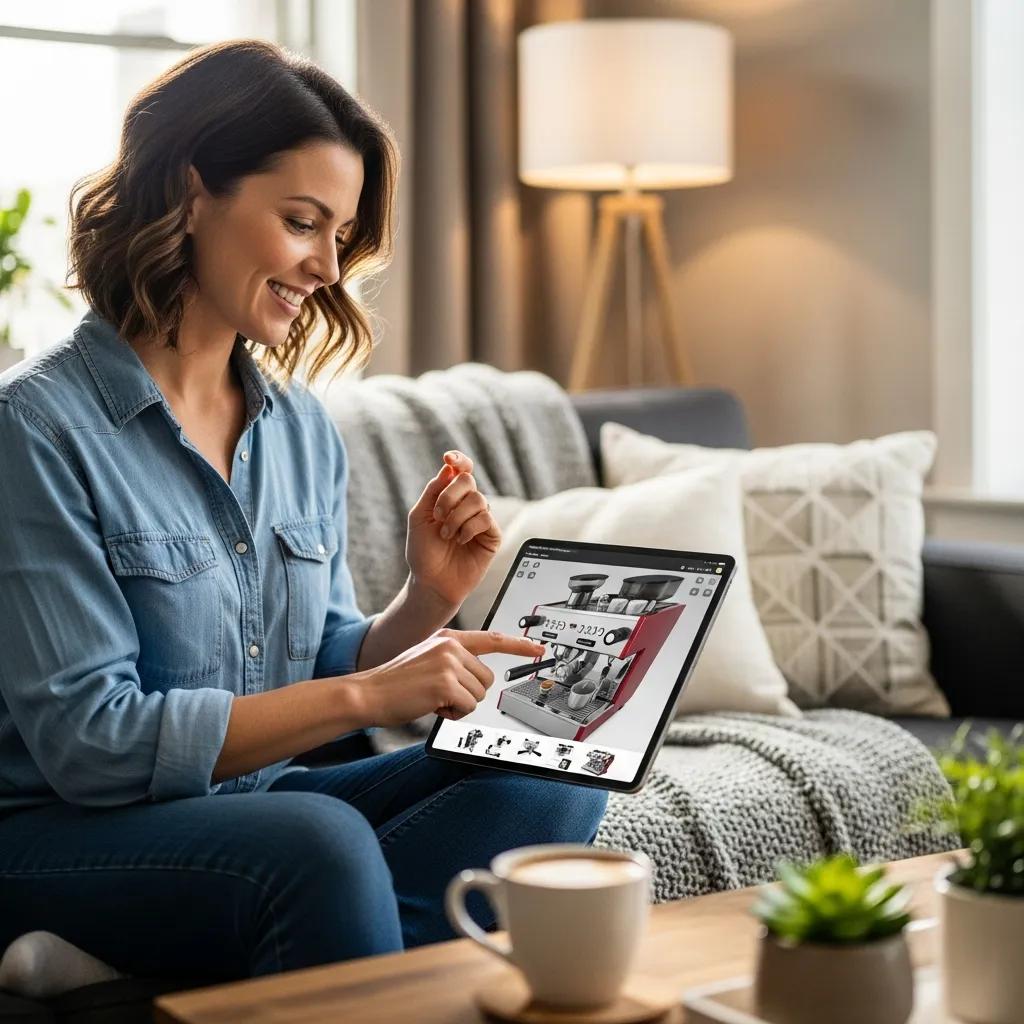
Interactive formats invite users to interact with products rather than passively scroll past them. Studies show sites that use 360-degree views see engagement lifts commonly in the 20–30% range versus static images. That extra attention translates to longer sessions, deeper product exploration and a higher chance of conversion.
When shoppers can view an item from multiple angles and zoom into details, they make more informed choices and are less likely to be disappointed by the real product. Interactive views reduce ambiguity about size, finish and features — which lowers returns and builds customer trust, encouraging repeat purchases.
Interactive imagery doesn’t just look good — it changes buying behaviour. By offering a richer, more reliable impression of products, retailers see measurable uplifts in conversion and revenue, ecommerce engagement.
Retailers that add 360° spins or 3D models typically report conversion increases in the region of 20–30%. Those gains come from clearer product understanding and reduced hesitation at checkout.
Virtual tours and detailed interactive models show customers exactly what they’re buying, minimising surprises when the order arrives. Retailers who incorporate virtual tours often report return reductions around 15–20%, reflecting fewer mismatched expectations and greater customer satisfaction.
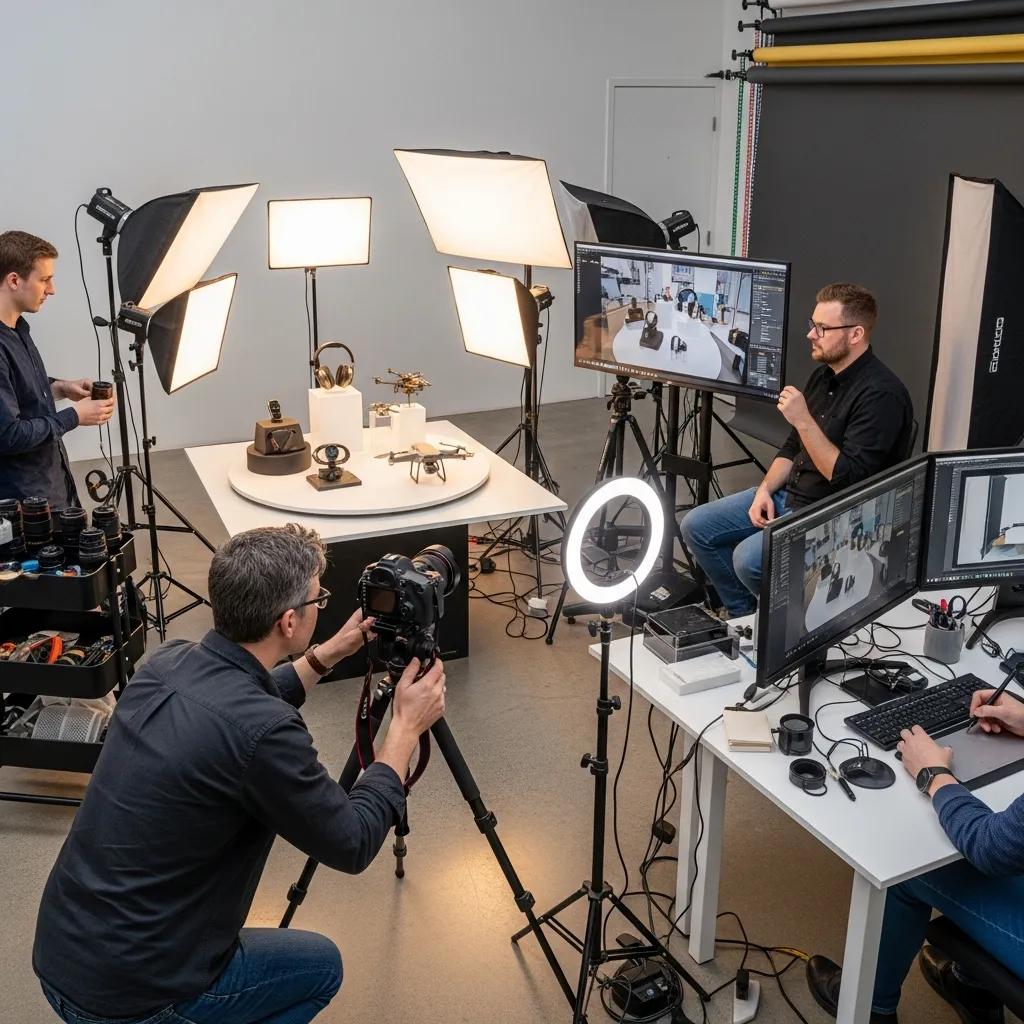
Professional expertise matters: good equipment and an eye for detail turn interactive concepts into images that convert. EyeMedia Studios in London specialises in high-resolution, ecommerce-focused photography and tailored shoot planning so each product is presented to its best advantage.
EyeMedia Studios combines technical skill with decades of experience. Founder Bill Gidda has over 30 years in the industry and a track record for reliable, high-quality results. Our focus on resolution, consistency and competitive pricing makes us a practical partner for retailers serious about visual optimisation.
Bespoke shoot planning means we tailor lighting, styling and capture techniques to suit each product and brand. That thoughtful approach produces images that resonate with your audience, highlight key selling points and drive engagement — not just pretty pictures, but images that sell.
The workflow for interactive product photography is straightforward but detail-driven, with clear stages from brief to final files.
Typical kit includes high-resolution cameras, precision turntables and purpose-built lighting. We use HDR, focus stacking and other capture techniques to record every detail. For 3D models we apply photogrammetry or CGI workflows. The right mix of hardware and software delivers accurate, attractive visuals that perform online.
Interactive images are embedded using specialist viewers and plugins that support 360° spins and 3D models. Many major ecommerce platforms natively support these integrations or allow easy embedding, so customers get a smooth, responsive experience across desktop and mobile.
Below are answers to the questions we hear most often from retailers considering interactive imagery for their product ranges.
360 photography is a series of photos around a physical product stitched into a rotatable view. 3D photography (or 3D models) creates a fully manipulable digital object using photogrammetry or CGI. 360 product views is quick and cost-effective for many products; 3D gives more flexibility for animation, AR and customisation.
Interactive product photography invites exploration. When customers can rotate, zoom and inspect an item, they spend more time on the page and are likelier to explore related products — which raises conversion and supports loyalty by delivering a better shopping experience.
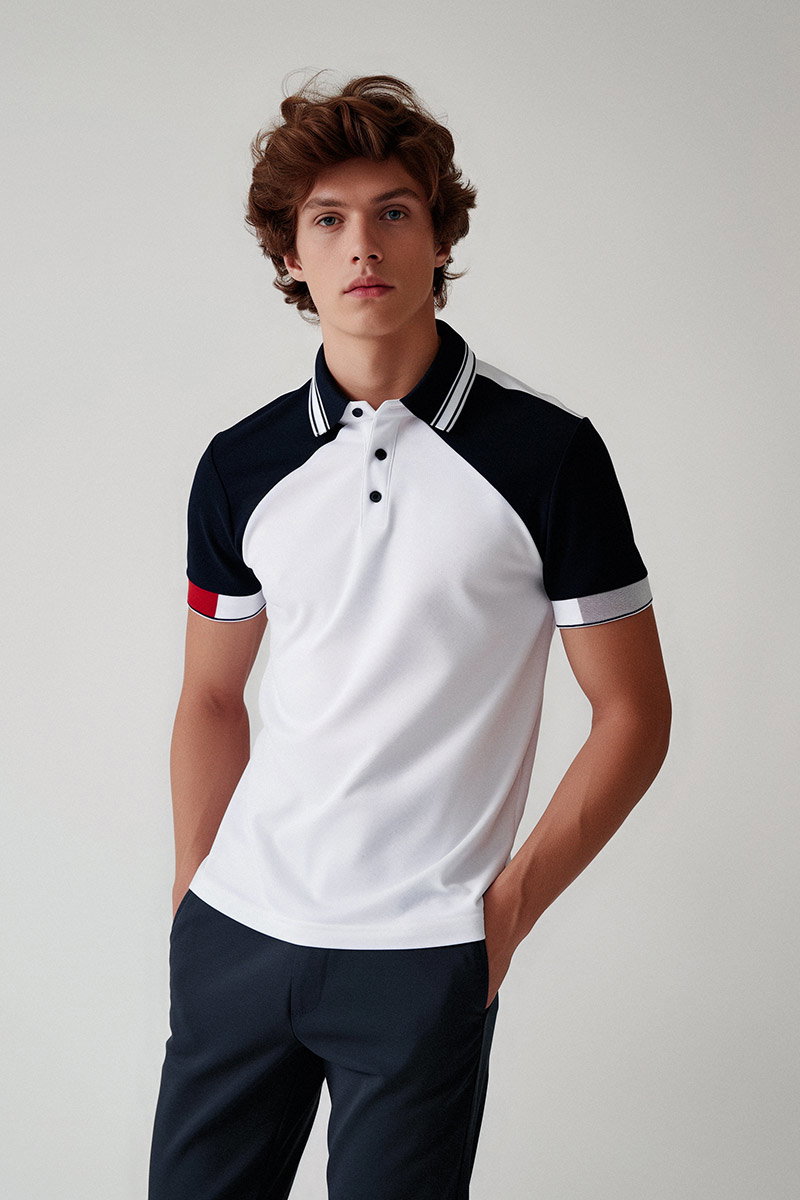
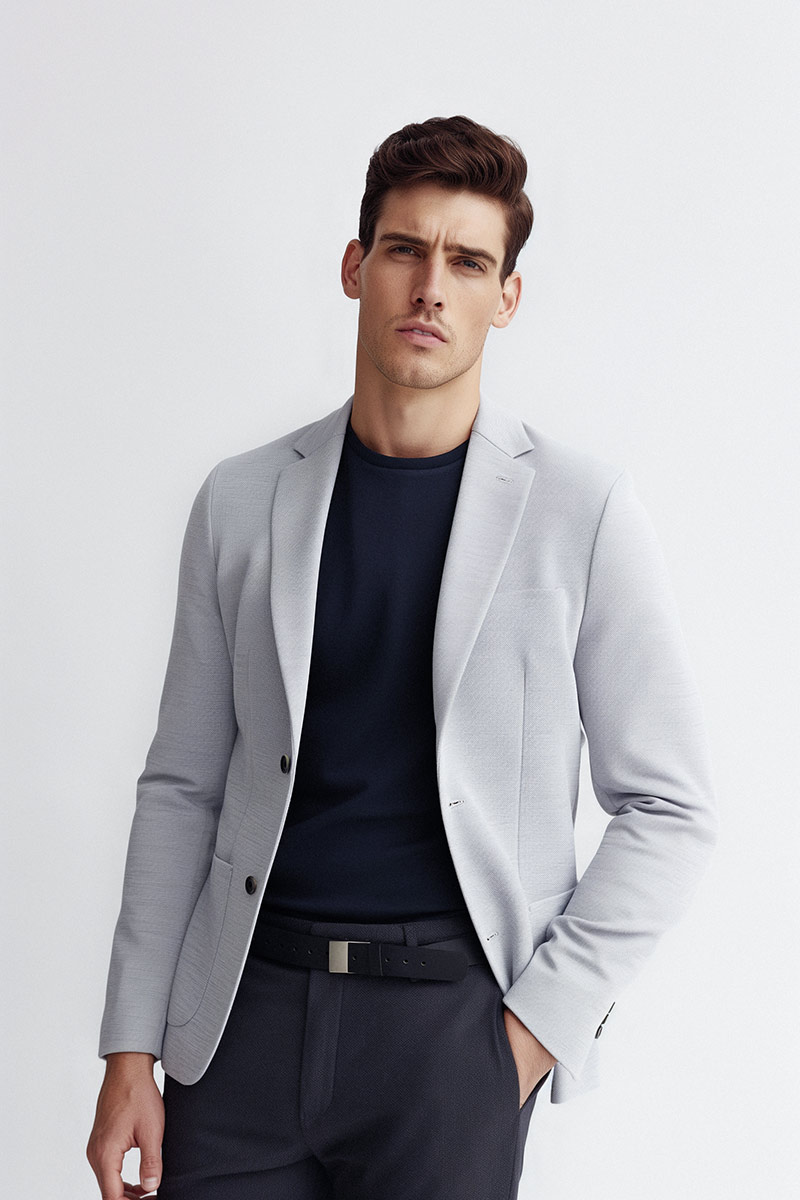
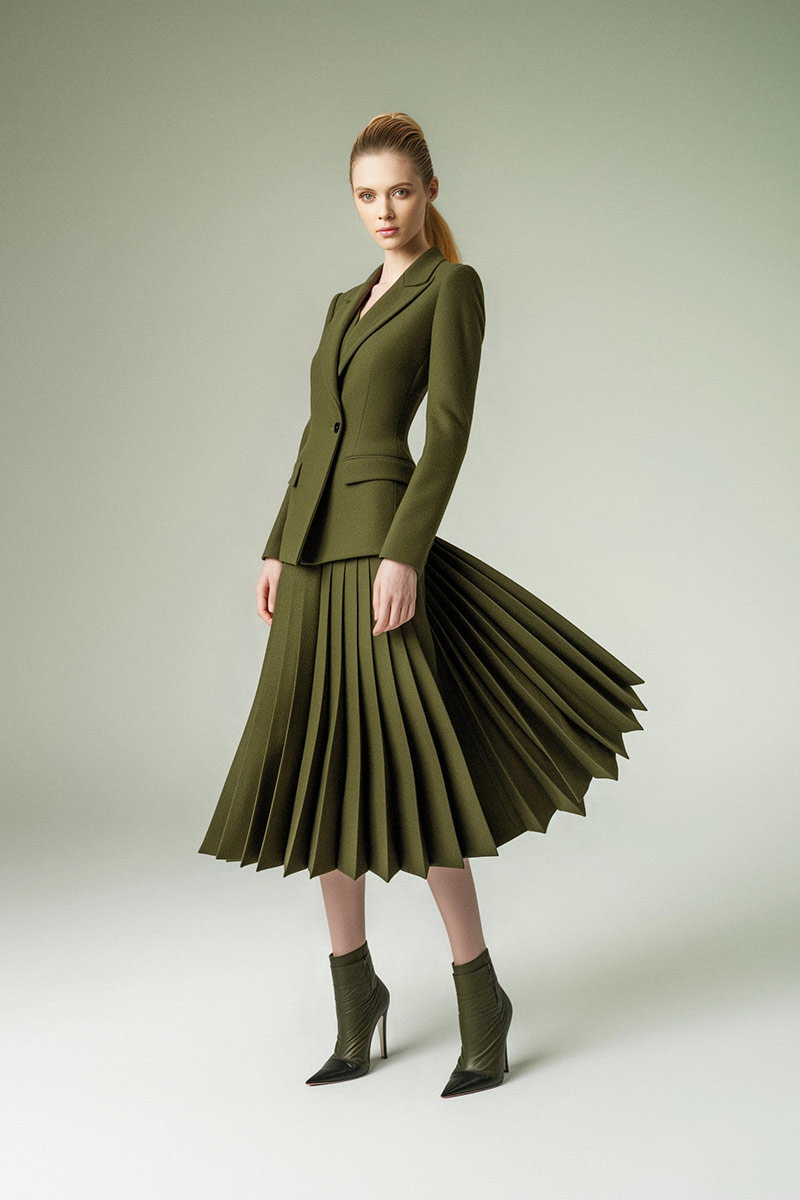
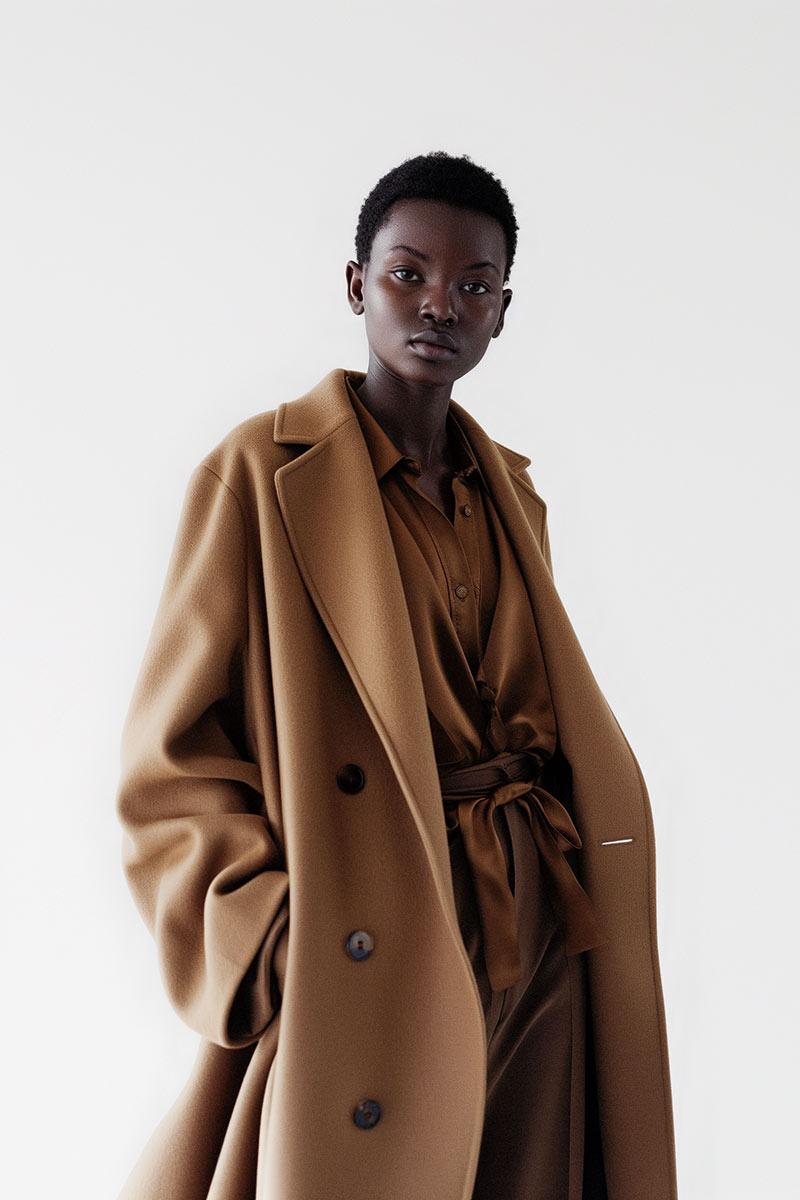
Products with visible details or features — fashion, footwear, electronics, furniture, accessories — benefit most. Interactive views show fabric texture, hardware, seams, ports and finishes, helping customers assess fit, function and quality before they buy.
Interactive imagery can improve SEO indirectly by increasing engagement and dwell time, and directly by reducing bounce rates — all positive signals for search engines. Properly optimised images (with compressed assets and descriptive alt text) also help page performance and accessibility, which supports rankings.
Costs vary by complexity, volume and required deliverables. Basic 360 shoots can start at a few hundred pounds per product set, while full 3D modelling and advanced post-production increase the price. Consider the lifetime value: higher-quality visuals often pay for themselves through better conversion and fewer returns.
Yes. Many studios offer tiered pricing and package options so small businesses can prioritise their best-selling items first. Targeting key SKUs with interactive views delivers strong ROI without a large upfront spend.
Customers respond positively: interactive visuals create confidence and make product pages more engaging. This typically leads to longer session times and higher conversion rates because shoppers feel informed and secure when they buy.
Optimise images for fast loading, ensure mobile compatibility, and use reliable viewers that degrade gracefully on older devices. Add clear on-page prompts that explain how to interact with the image, and test regularly to ensure performance and accessibility remain strong.
Interactive product photography — 360° spins and 3D views — gives online shoppers the clarity they need to buy with confidence. The result is higher engagement, improved conversion and fewer returns. Partnering with a specialist studio like EyeMedia Studios ensures you get technically sound, brand-aligned imagery that performs. Speak to us to see how interactive photography can transform your product pages.