Social platforms move fast — and so do the visual trends that cut through the noise. With Instagram and TikTok still shaping how audiences discover content, knowing what’s working in 2026 can make a real difference for creators and brands alike. Below we unpack the key trends — authenticity, mobile-first composition, AI-assisted editing, inclusive casting, motion techniques and storytelling — and show how to use them to lift engagement and strengthen your visual identity.
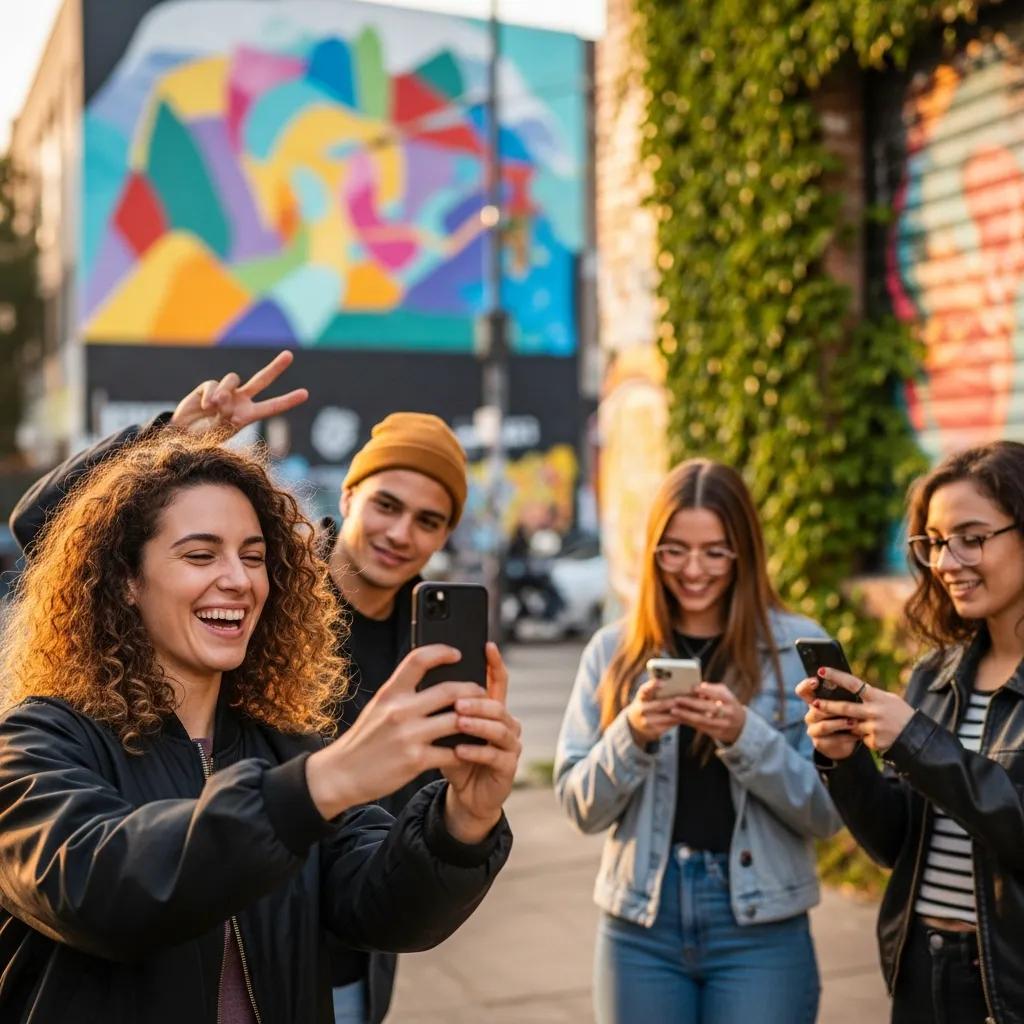
Authenticity means showing real moments that feel true to the viewer. Candid photography — unposed, spontaneous shots — has become a staple because people connect with images that feel lived-in, not staged. That connection drives trust: when imagery feels genuine, audiences engage more readily with the person or brand behind the photo.
Data and experience both point the same way: authentic posts often outperform heavily staged content. Brands that highlight everyday moments tend to get more interactions — one study found candid posts attracted up to 35% more likes and shares — showing that believable, human-led imagery is a high-impact tactic in social media engagement marketing.
We’ve been crafting authentic visual stories across London for over a decade. Our award-winning photographers and creative directors focus on honest moments and practical creativity, so every shoot tells a recognisable, relatable story that feels rooted in real life.
Capturing authenticity starts with story-led direction and attention to feeling: frame for emotion, leave space for interaction, and let small, unscripted moments lead the narrative.
EyeMedia Studios specialises in relaxed, natural shoots for London clients. Our photographers set a calm tone, use gentle prompts, and create environments where people forget the camera and behave naturally. That method produces images clients keep returning to — one typical comment is,”EyeMedia Studios made us feel completely at ease, capturing moments we’ll cherish.” Our portfolio reflects a wide range of candid work that connects with audiences across platforms. engagement
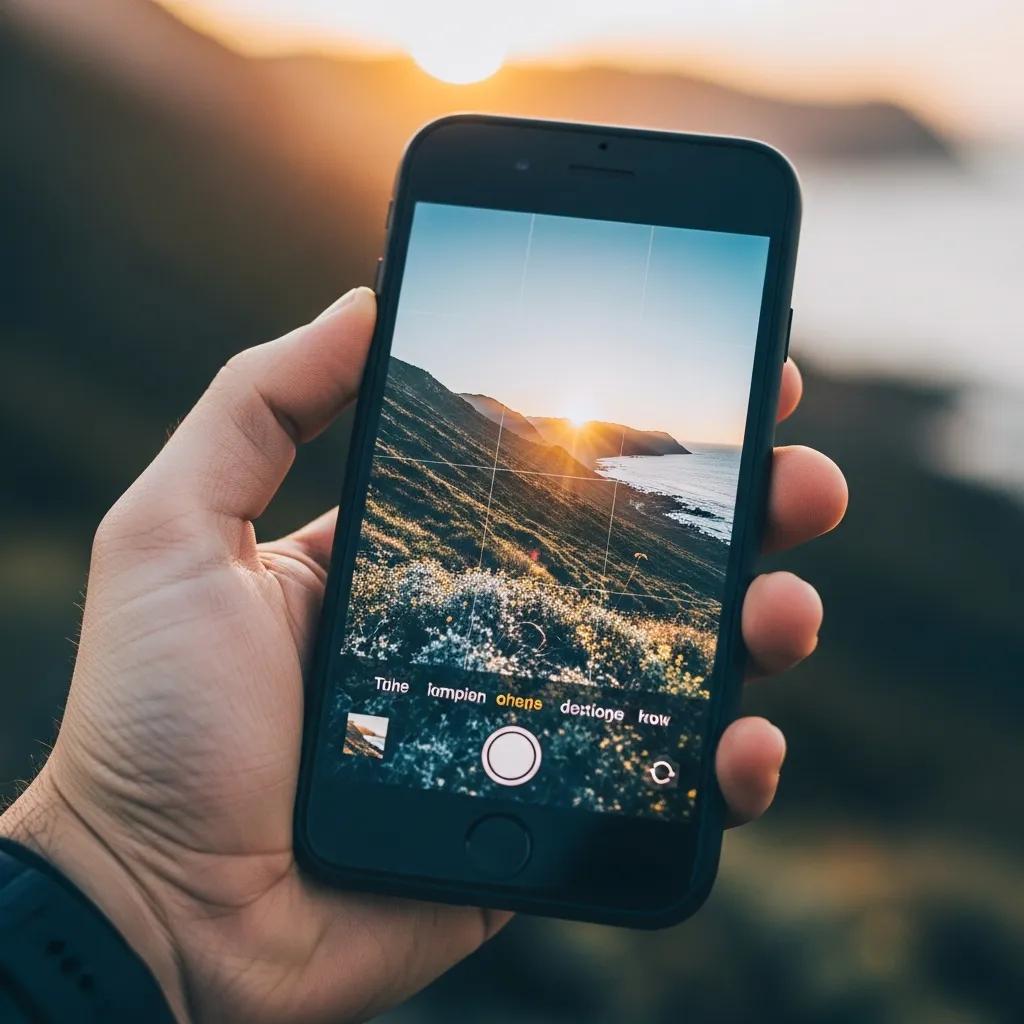
Most content is consumed on phones, so your imagery should be built for that screen. Mobile-first photography means prioritising vertical framing, strong foregrounds and concise storytelling so images read instantly on small displays.
To make mobile images that perform, follow these practical rules:
These habits help your visuals land faster and hold attention on Instagram Reels, Stories and TikTok.
Mobile optimisation directly affects reach and engagement. Content that fits screen formats and reads immediately tends to enjoy higher watch times, click-throughs and follower growth. Brands that plan shoots and edits for vertical consumption generally see measurable uplifts in core metrics across both platforms.
AI is changing how we edit and scale visual content. From automatic retouching to style suggestions and batch processing, AI tools reduce repetitive work and let creative teams move faster while maintaining quality.
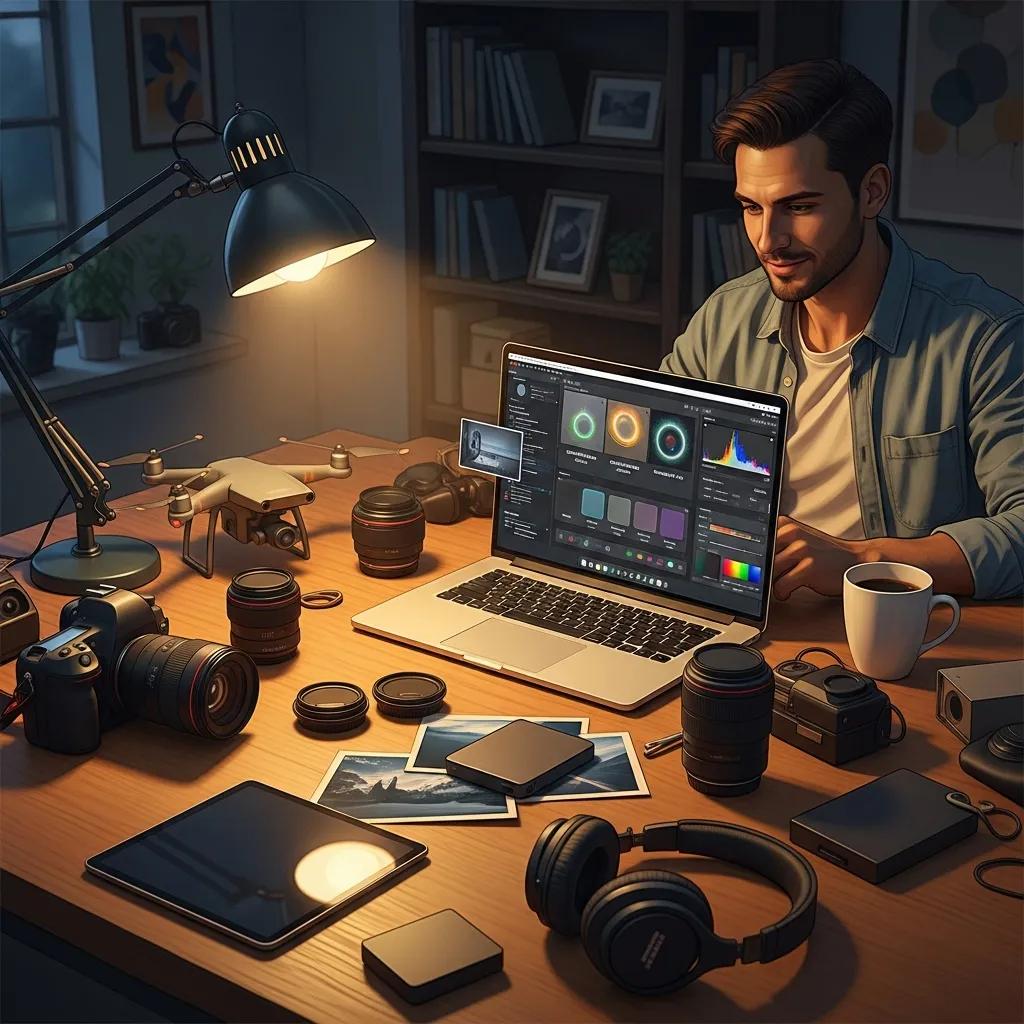
Several AI tools are now standard in professional workflows:
We adopt AI tools where they speed up workflow without sacrificing craft. Our editors use AI to accelerate routine fixes, freeing time for creative decisions and final artistic touches. The result: faster turnarounds for our London clients and consistently polished images that retain their photographic integrity.
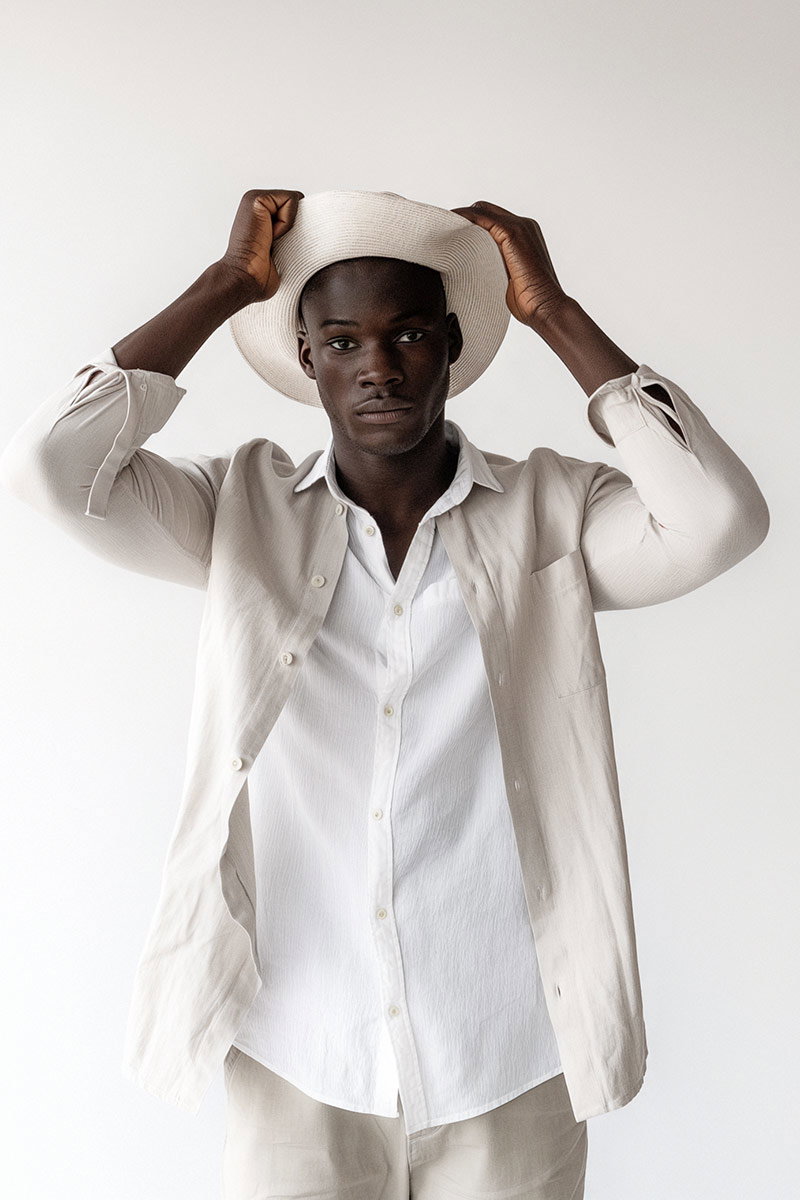
Diversity and inclusivity are no longer optional — they shape how audiences perceive authenticity. Visuals that reflect different backgrounds and experiences reach wider communities and build stronger brand trust.
Representation matters because it signals who a brand serves and respects. Brands that show real diversity often enjoy greater loyalty and engagement — a recent survey found 67% of consumers prefer brands that promote diversity in their marketing, underlining how important inclusive imagery has become.
Inclusivity is central to our casting and creative choices. We proactively seek talent across backgrounds, abilities and identities and aim for authentic portrayals rather than tokenism. By doing so we build narratives that feel lived-in and relatable, helping clients connect with a broader, more engaged audience.
Motion blur injects movement and feeling into a still frame. When used with intent, it turns ordinary scenes into energetic, attention-grabbing visuals that perform well in fast-scrolling feeds.
Motion blur suggests speed, grace or chaos depending on how it’s applied. A dancer photographed with selective blur, for example, communicates motion and emotion at a glance, inviting viewers to linger and engage with the post.
Brands can show products or people in action — a runner testing trainers, a chef plating a dish — to demonstrate functionality and craft. Motion blur adds narrative and dynamism, making branded content feel more cinematic and memorable.
Good storytelling paired with minimalist design sharpens your message. Stripping back distractions lets the core idea breathe and makes posts easier to interpret quickly — an advantage on social where attention is short.
Strong visual storytelling uses a few deliberate tactics:
These methods create cohesive feeds and posts that invite shares and saves.
Minimalism removes visual noise so the viewer can focus on a single idea or product. Clean compositions and considered negative space strengthen brand recognition and make calls-to-action — whether implicit or explicit — more obvious.
Across 2026, photographers and brands will continue to blend authenticity, mobile optimisation, AI-driven efficiency, inclusive casting, motion techniques and story-first thinking. Together these trends provide practical levers to lift engagement and refine your visual identity.
Storytelling turns images into moments people remember. A clear visual story evokes emotion, builds context around a brand or product and makes content more shareable. Over time, consistent story-led imagery strengthens recognition and encourages loyalty.
Use AI to automate repetitive edits, speed up batching and test creative variations. Combine AI adjustments with human oversight so technical fixes are efficient but final tone and style remain intentional and on-brand.
Colour sets mood and draws attention. Bold palettes can increase visibility in feeds, while muted schemes convey sophistication. Choose colours that support your message and audience expectations, and use consistent grading to build visual identity.
Track engagement metrics — likes, comments, shares and click-throughs — alongside audience growth and content saves. Use platform insights and Google Analytics to understand behaviour, then iterate based on what drives the strongest responses.
Watch for AR-enhanced imagery that blends digital layers with real photos, eco-conscious photography that highlights sustainability, immersive 360° content for interactive experiences, and continued growth in user-generated material that foregrounds authenticity.
Start with casting that reflects your audience, brief shoots with lived experience in mind, and avoid one-dimensional portrayals. Collaborate with diverse creatives and listen to feedback — authentic representation is intentional and ongoing, not a checklist. Incorporate engagement strategies.
Staying current with social media photography in 2026 means blending honest storytelling, mobile-first thinking, selective AI use and inclusive casting. These principles help you create visuals that perform and feel true to your brand. If you’re ready to refine your visual strategy, explore our resources or get in touch — we’ll help you bring your story to the feed with clarity and craft.