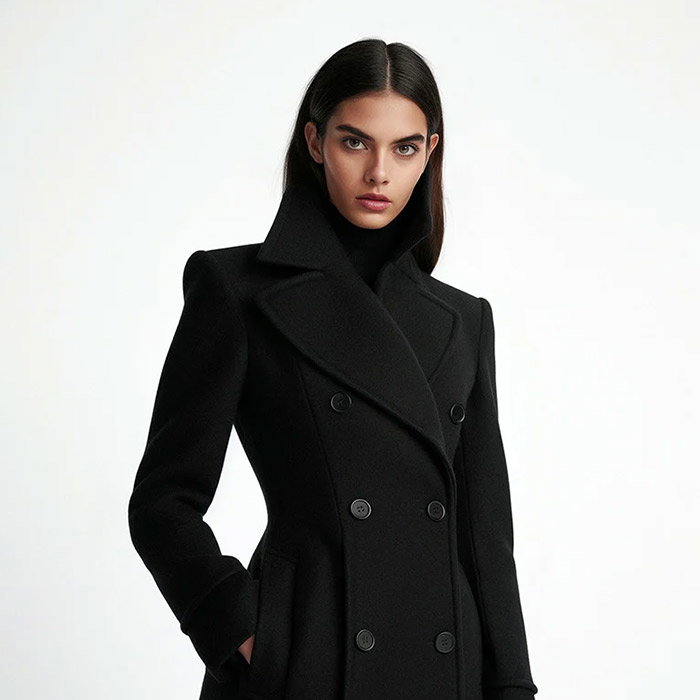
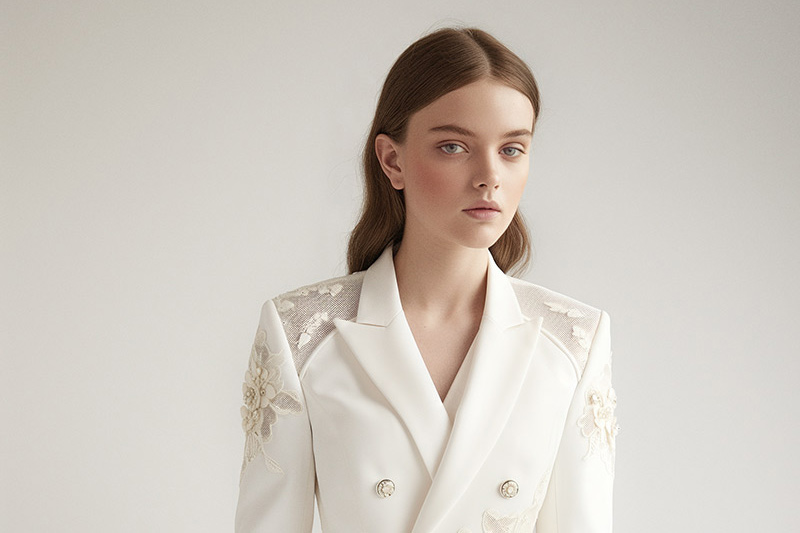
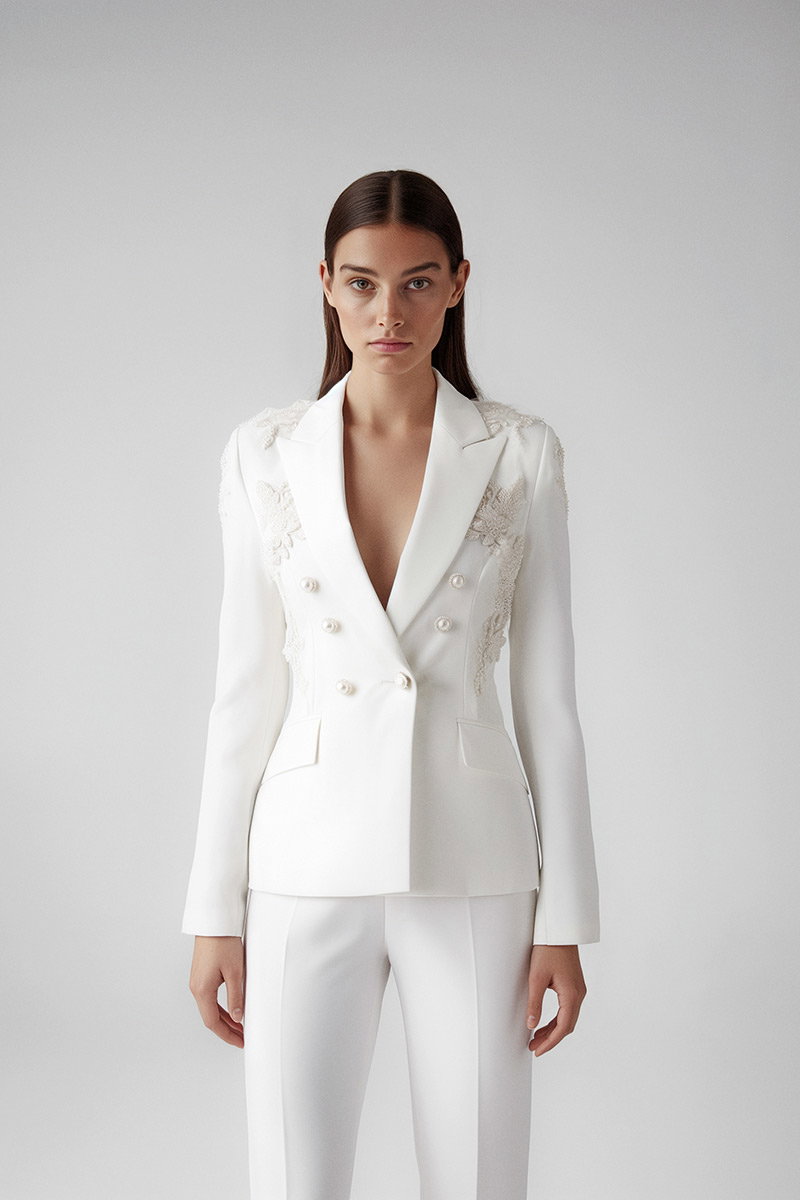
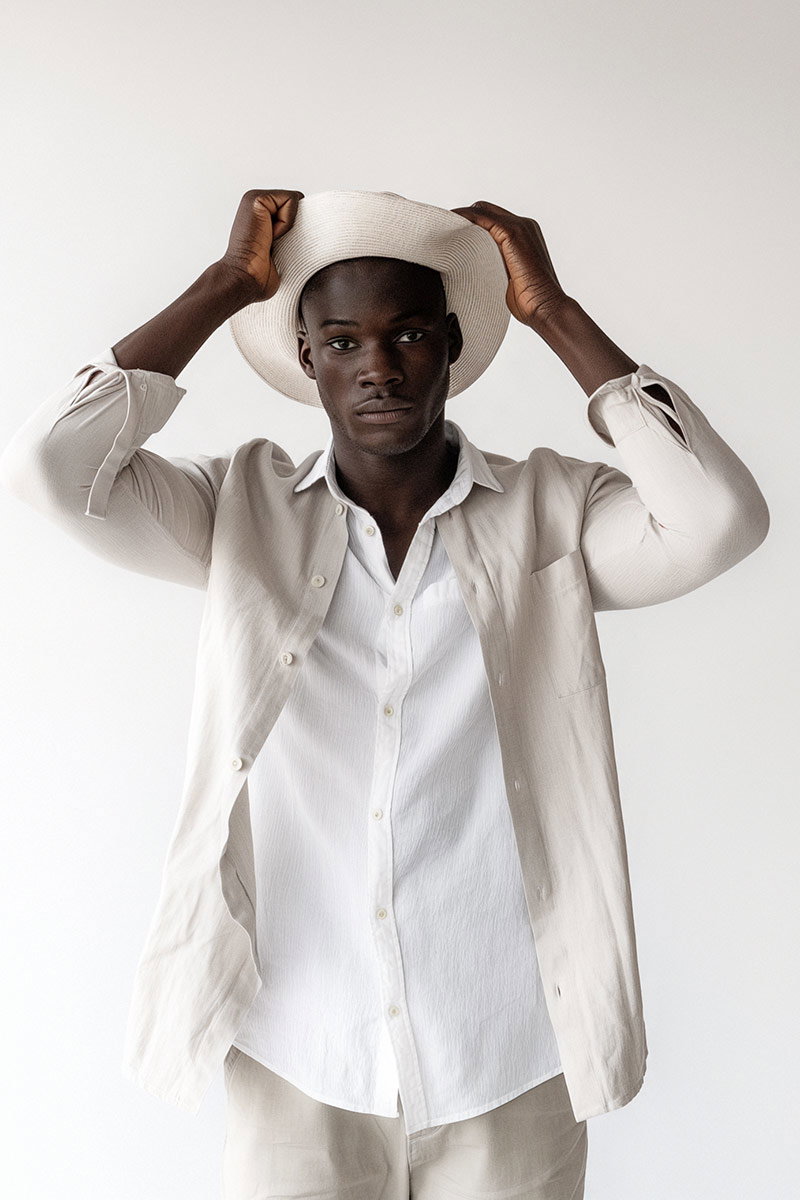
Photography is more than recording what you see; it’s about shaping a story that connects. When you learn to translate emotions, intention and context into frames, your work moves beyond snapshots and becomes memorable visual narrative. Below we unpack the essential principles of visual storytelling — from planning and composition to light, mood and authentic emotion — and show how to structure a photo series and use post-production to support your story. We’ll also explain how these techniques inform the commercial work we do at EyeMedia Studios.
Many photographers struggle to make images that truly land with an audience. With a few focused storytelling techniques you can shift your practice so each photograph not only documents a moment but communicates feeling and purpose. This guide walks you through practical strategies for structuring a series and using editing choices to strengthen your narrative.
Visual storytelling is about using composition, light and intent to create a coherent narrative. The strongest images combine clear purpose, thoughtful framing and emotional truth. Focus on planning, composition and the feelings your images evoke — those three elements will lift your work from pretty pictures to persuasive stories.
Intent and planning steer every creative choice: subject, location, props and the mood you want to communicate. Visualising shots in advance helps you compose with purpose so every element supports the story. For example, a portrait series mapped out to reflect people’s backgrounds will benefit from locations and props chosen to amplify those personal stories.
Composition is the roadmap for the viewer’s eye. Simple tools — the rule of thirds, leading lines, framing and negative space — guide attention and create emotional emphasis. Leading lines pull the eye toward your subject; framing isolates and highlights it. Master these building blocks and your images will say more with less.
Light is storytelling. It sets tone, sculpts form and steers emotional response. A single change in lighting can turn a quiet portrait into a tense scene or lift it into warmth. Learning to control and shape light gives you direct influence over how viewers interpret your images.
Different light styles trigger different feelings. Natural, diffused light tends to feel intimate and flattering; hard light creates drama and texture. Backlighting can produce silhouettes or halos that add mystery; low-key setups emphasise shadow and mood. Try variations and choose the light that best reinforces the emotion you want the viewer to feel.
Light defines atmosphere by controlling contrast, shadow and highlight. High contrast can introduce tension or urgency; soft, even light calms and soothes. Backlight can isolate a subject and produce a cinematic glow, while underexposing selectively can deepen mood. Use light deliberately to build the atmosphere your story requires.
Authentic emotion is what turns an image into an experience. When a viewer recognises real feeling in a photograph, they’re more likely to engage and remember it. Building trust with your subject and choosing moments that feel unrehearsed are key to creating that connection.
To capture real emotion, prioritise rapport and relaxed direction. Give gentle prompts rather than rigid poses, shoot candid moments, and be patient — the best expressions often arrive between instructions. Small gestures, eye contact and thoughtfully timed bursts will reveal the moments that feel true.
Emotion is the bridge between image and audience. It gives viewers a way in, so the story becomes something they experience, not just observe. A single expressive moment — joy, sorrow, surprise — can anchor a whole narrative and make your work linger in the viewer’s mind.
A successful photo essay needs a clear thread. Choose a focused theme, plan the sequence, and balance variety with cohesion. Think about pacing, the role of close-ups versus wide shots, and how captions or short notes can provide context without overshadowing the images.
Think in three acts: establish, develop, conclude. Start with wider context shots to orient the viewer, move into intimate or action moments that deepen understanding, and finish with an image that offers reflection or closure. Captions can add useful detail, but aim for images that stand on their own whenever possible. Narrative can add useful detail, but aim for images that stand on their own whenever possible.
Use single images for moments that are complete and emotionally self-contained. Choose a photo essay when the story has complexity or needs multiple perspectives to be understood. Both formats are powerful — the decision should come from the scale of the story you want to tell.
Editing is part of the storytelling process: it lets you emphasise what matters and remove distractions. Thoughtful post-processing creates visual consistency across a series and helps reinforce mood without drawing attention to the edits themselves.
Support authenticity with subtle, intentional edits. Adjust exposure, contrast and colour balance to match the feeling you’re aiming for, and avoid heavy-handed retouching that removes personality. Small tweaks to colour temperature or contrast often do more for mood than dramatic filters.
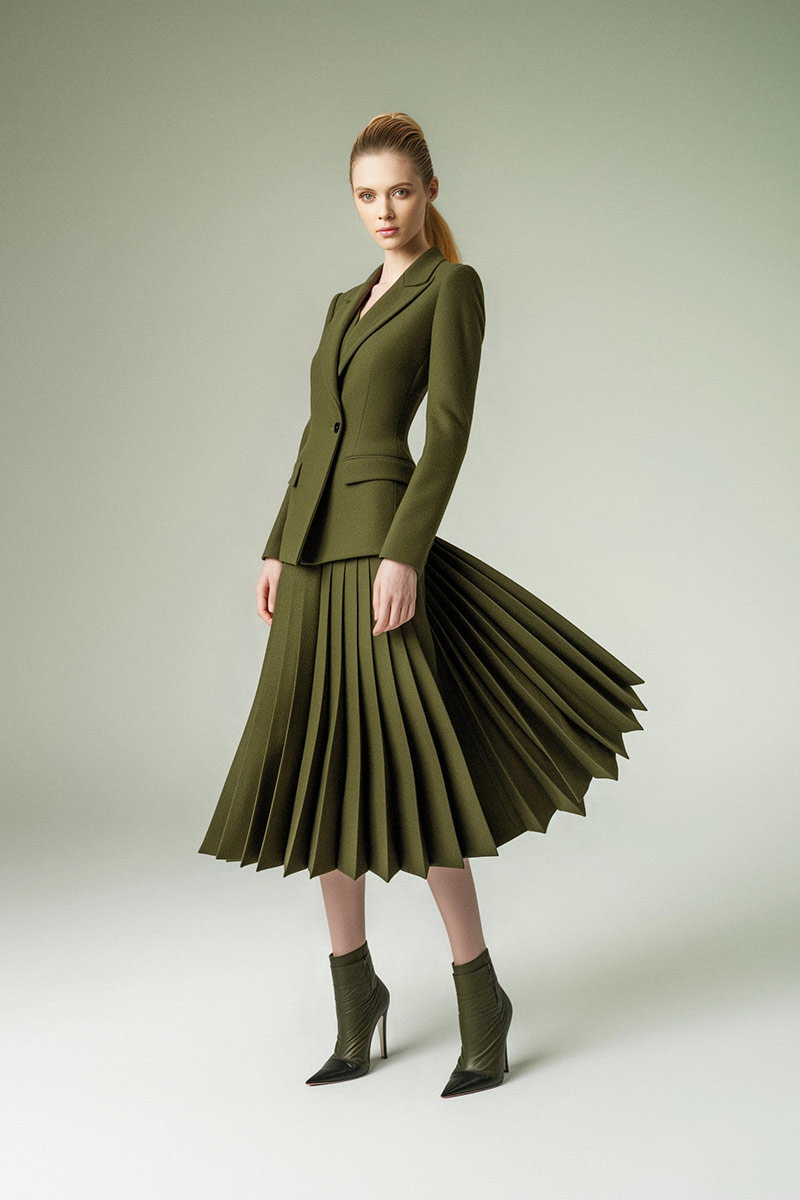
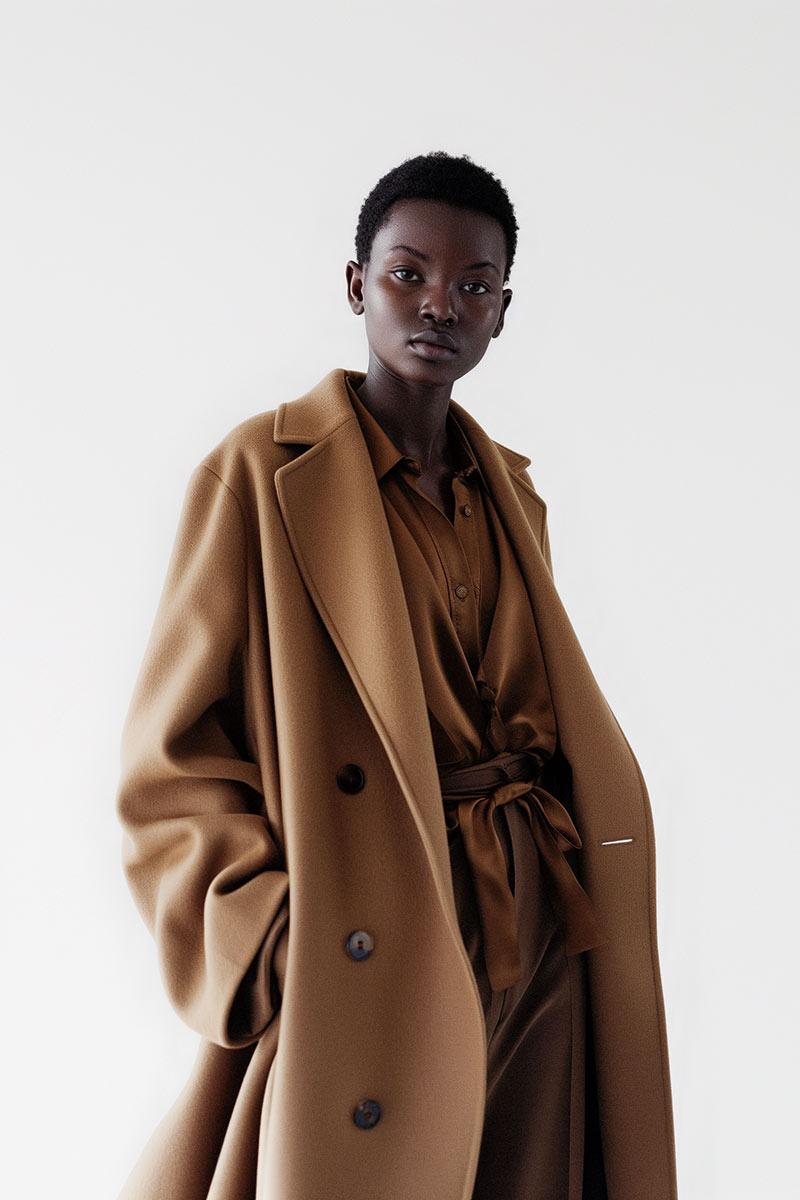
Colour drives emotion. Warm tones (reds, oranges) feel energetic and intimate; cool tones (blues, greens) feel calm or reserved. Use colour palettes deliberately to reinforce your theme, or apply contrast to draw attention to key elements. Colour, like light and composition, is a storytelling tool.
In professional work, storytelling helps clients convey identity and purpose. Whether you need headshots that express personality, a modelling portfolio that shows range, or product images that tell a brand story, applying narrative thinking makes commercial photography more effective.
A headshot does more than show a face — it signals who you are. A considered headshot communicates confidence, warmth and approachability. We think about expression, lighting and background to ensure the image aligns with the story you want to tell about yourself or your business.
A strong portfolio shows range and coherence. Select images that highlight different looks and emotions while keeping a consistent visual language. That combination tells agents and clients both what you can do and who you are as a performer.
EyeMedia Studios, a London photography studio, applies these storytelling principles across our services. With over 15 years in the industry and a client portfolio numbering in the thousands, we specialise in headshots, modelling portfolios, e-commerce and corporate photography. Led by Head Photographer Bill Gidda, who brings over 30 years of experience, our team focuses on helping clients tell clear, polished visual stories.
Storytelling adapts to every genre. In portraits it reveals personality; in documentary work it captures events and context; in commercial photography it strengthens brand messages. Across genres, narrative choices — composition, light and emotion — are the tools that make images meaningful to viewers.
Improve by studying strong work and practising deliberately. Analyse photographers you admire, mimic their approaches to learn technique, then adapt those lessons to your voice. Experiment with composition, light and sequencing, and seek feedback through workshops or communities to accelerate your progress.
Common pitfalls include unclear intent, weak composition and over-editing. Skipping planning can produce a disjointed story; leaning too heavily on post-processing can make images feel inauthentic. Keep your theme clear, compose with purpose, and prioritise genuine moments.
Use captions to add context where the image alone might not be enough. Keep them brief and informative — a line or two that situates the shot, names a subject, or highlights why the image matters. Well-placed captions guide viewers without replacing the visual narrative.
Colour shapes mood and directs attention. Choose palettes that support your story: warm hues energise, cool hues calm, and contrasting colours can highlight focal points. When colour choices are consistent across a series they help bind the narrative visually.
Bring cultural detail in respectfully and thoughtfully. Research local customs, work closely with subjects, and use meaningful symbols, colours and settings to add depth. Authentic engagement and sensitivity create images that resonate rather than rely on stereotypes.
Visual storytelling is a craft you build — one choice at a time. Focus on clear intent, thoughtful composition and genuine emotion, and your photographs will start to speak with greater clarity and feeling. Keep experimenting, refine your editing choices, and when you need a professional partner to shape your visual narrative, EyeMedia Studios are here to help elevate your story.