Model Posing Tips for Photographers — Directing Models for Natural, Expressive Photoshoots
Getting models to look natural and expressive is a key skill for photographers. This guide shares practical, studio-tested tips to help you build rapport, create a comfortable shoot environment and bring out authentic performances. Mastering model direction improves the quality of your work and yields images that genuinely connect with viewers.
Many photographers find directing models challenging — the result can be stiff, awkward poses. This guide tackles common pitfalls and offers straightforward solutions. You’ll learn how to build trust with models, tried-and-true posing techniques for different body types, and step-by-step strategies for working with inexperienced talent. We’ll also explain how EyeMedia Studios approaches model direction, highlighting the hands-on style of founder Bill Gidda.
How Can Photographers Build Rapport and Make Models Comfortable?
Rapport is the foundation of a relaxed photoshoot. When models feel safe and heard, they move more freely and give more honest expressions. Clear communication and steady guidance are central to creating that atmosphere.
What Are the Best Communication Techniques to Establish Trust?
To build trust quickly, use these practical communication habits:
Active listening: Listen to the model’s concerns and preferences — acknowledge them and adapt where you can.
Clear instructions: Give short, specific directions so models know exactly what to do next.
Positive reinforcement: Call out what’s working as you shoot to build confidence and momentum.
These simple habits make collaboration smoother and help the model relax into the session.
How Does Comfort Influence Model Performance and Posing?
Comfort directly affects how a model looks on camera. Relaxed models breathe easier, move naturally and show subtler, more convincing expressions.
Effects of anxiety on posing: Tension shows as rigid limbs, clenched jaws or forced smiles — all of which weaken an image.
Creating a relaxed environment: Use familiar locations, gentle music and friendly small talk to ease nerves.
Feedback mechanisms: Offer quick, constructive corrections and occasionally show a preview so the model sees progress.
Prioritising comfort pays off in more dynamic, believable shots.
What Are Essential Natural Posing Techniques for Different Model Types?
Different bodies and personalities respond to different cues. Tailoring your direction to each model is how you capture their best look.
How to Pose Female Models: Key Tips and Common Mistakes
When working with female models, focus on lines and subtle movement:
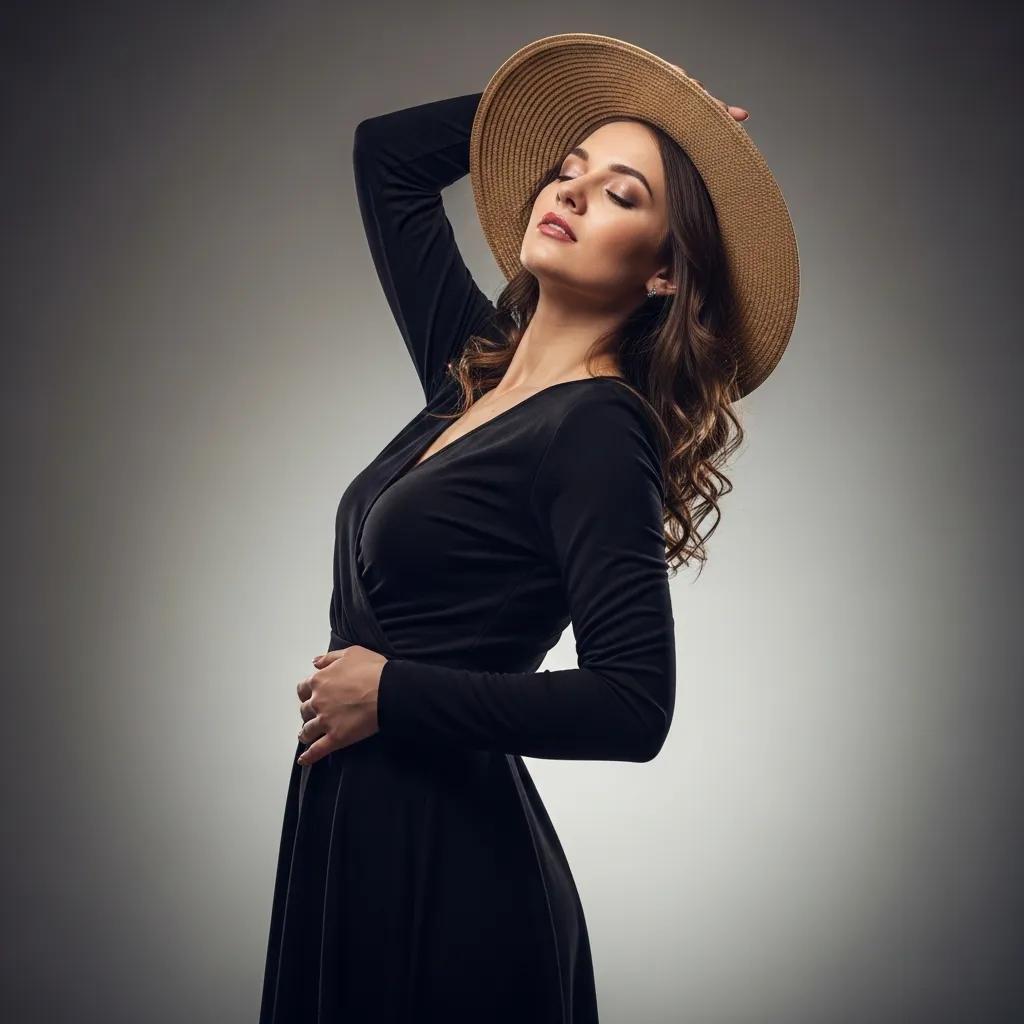
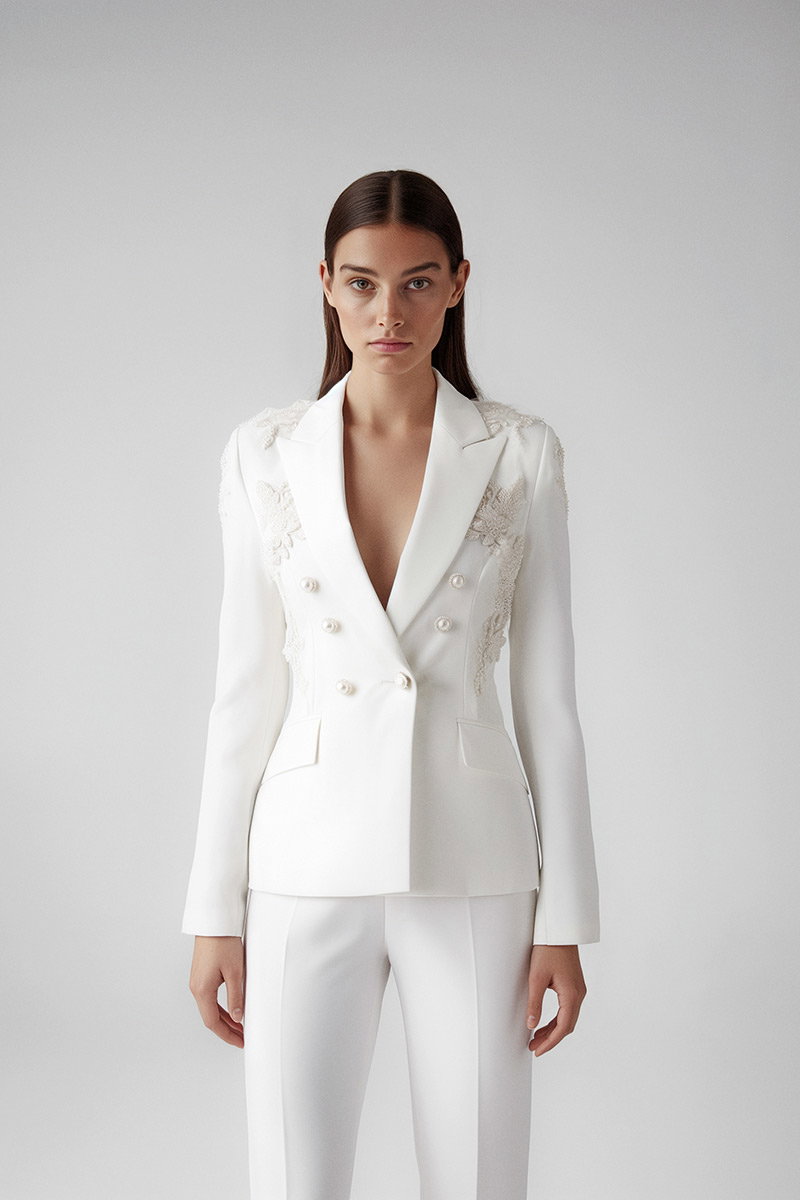
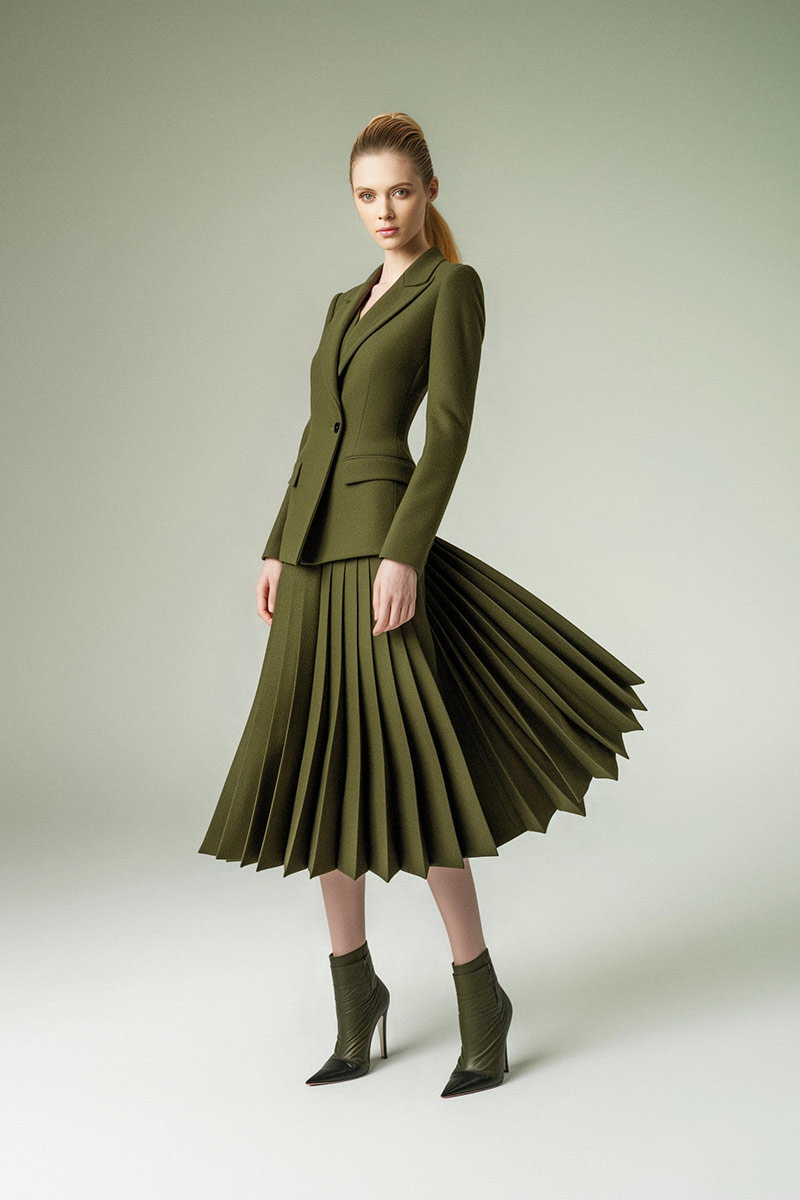
Body angles: Turn shoulders and hips slightly away from the camera to create a flattering silhouette.
Facial expressions: Encourage small changes — softer eyes, a gentle smile, a breath — rather than big shifts.
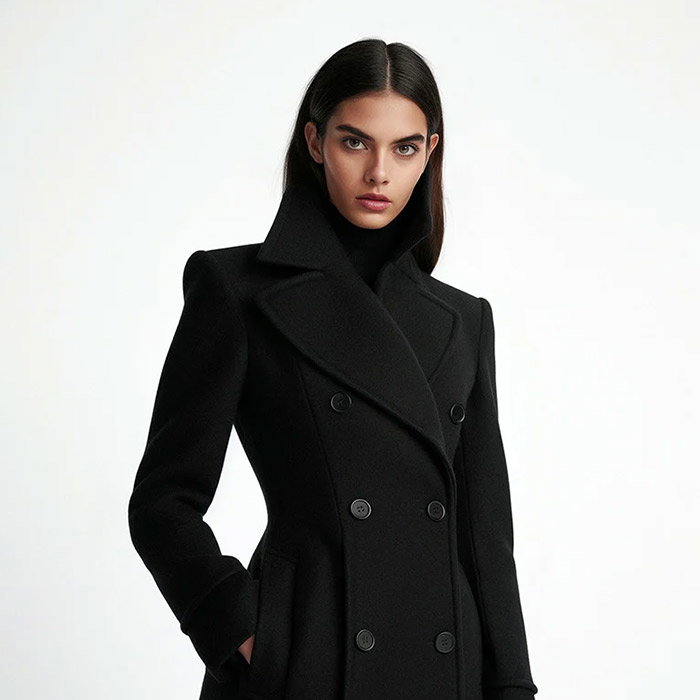
Wardrobe considerations: Choose clothing that flatters the model’s shape and moves well on camera.
A common mistake is asking a model to stand square-on to the lens; angling the body almost always looks better.
How to Pose Male Models: Effective Techniques for Strong Portraits
Posing men often calls for stronger lines and confident presence:
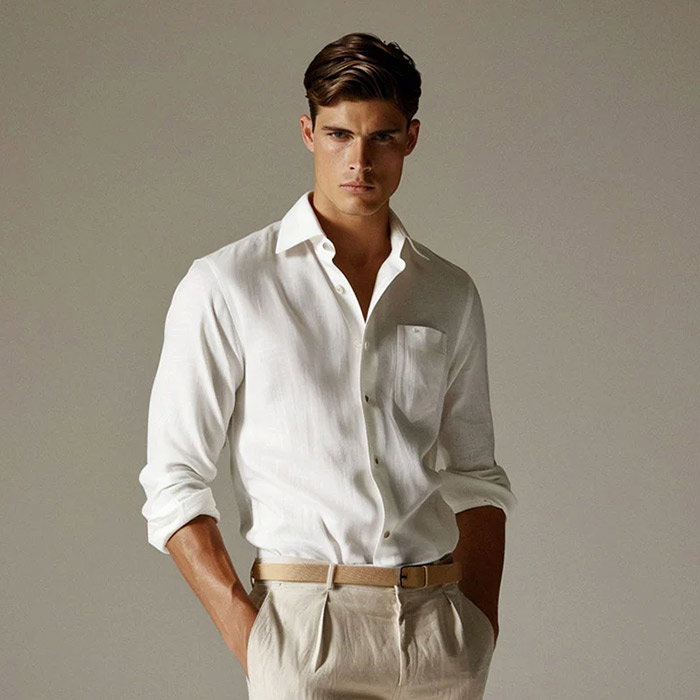
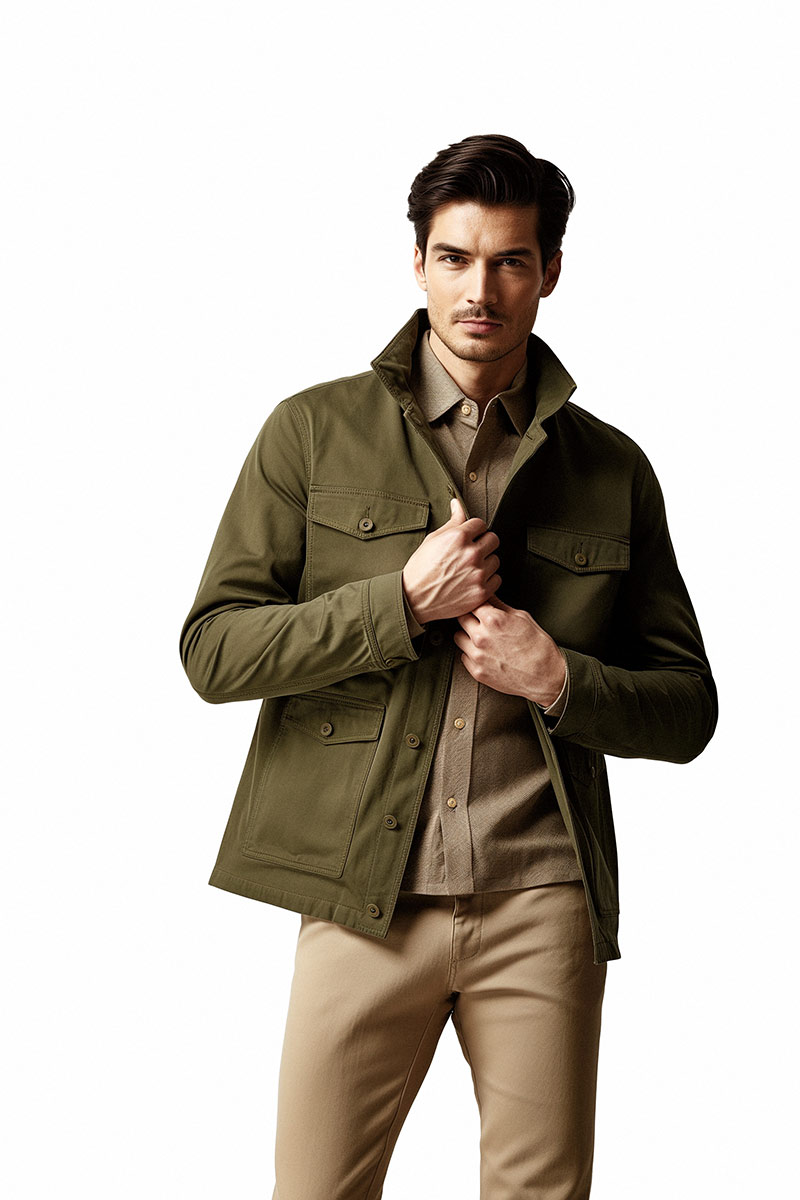
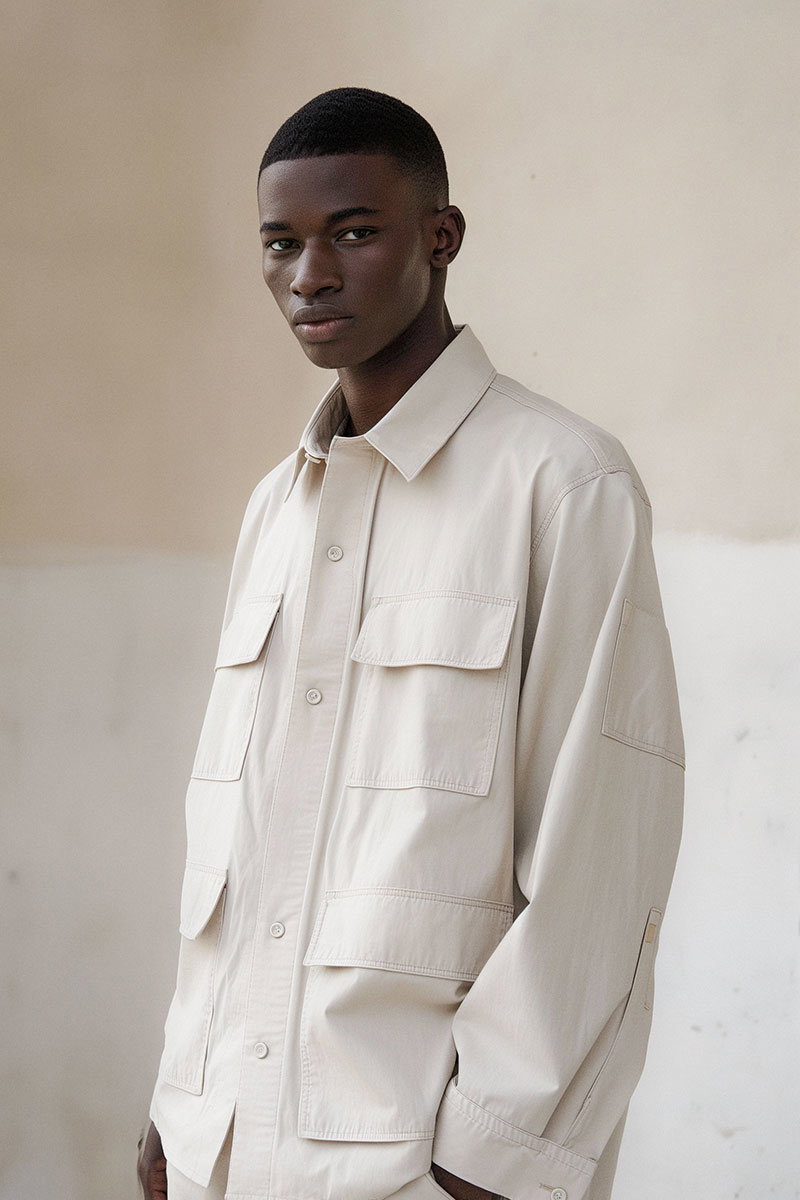
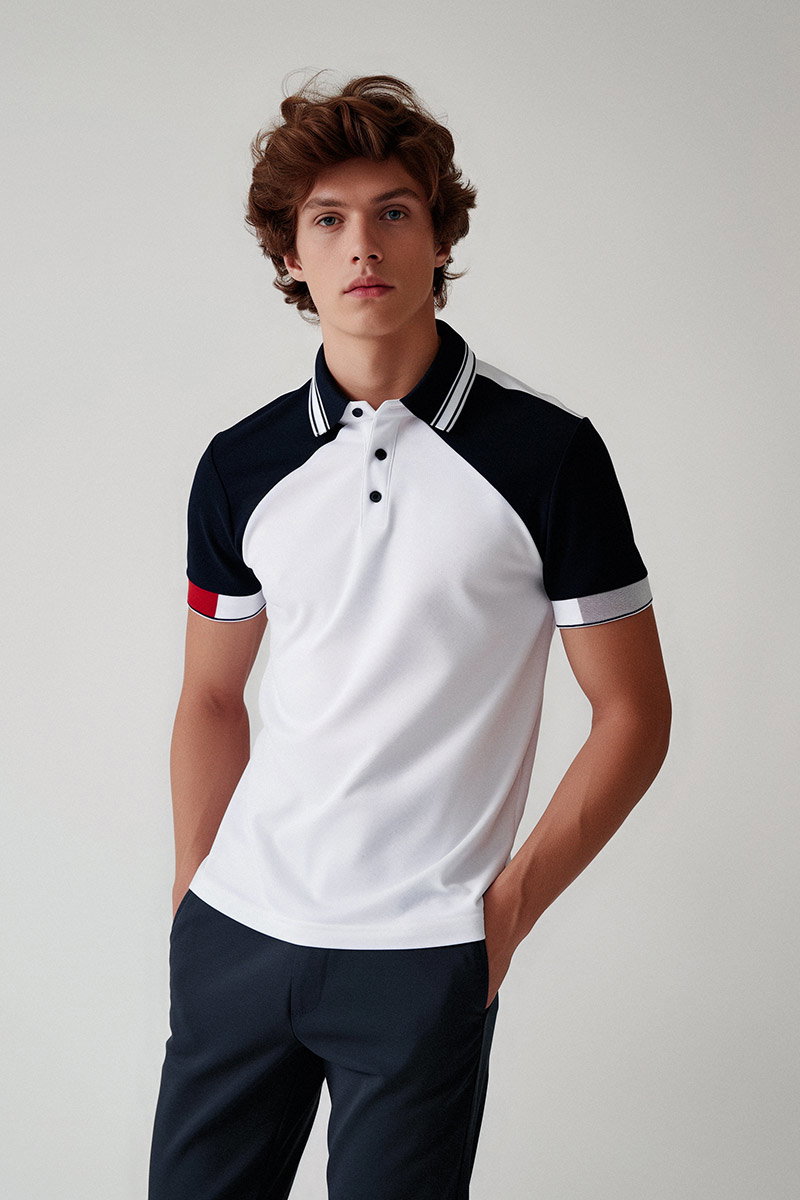
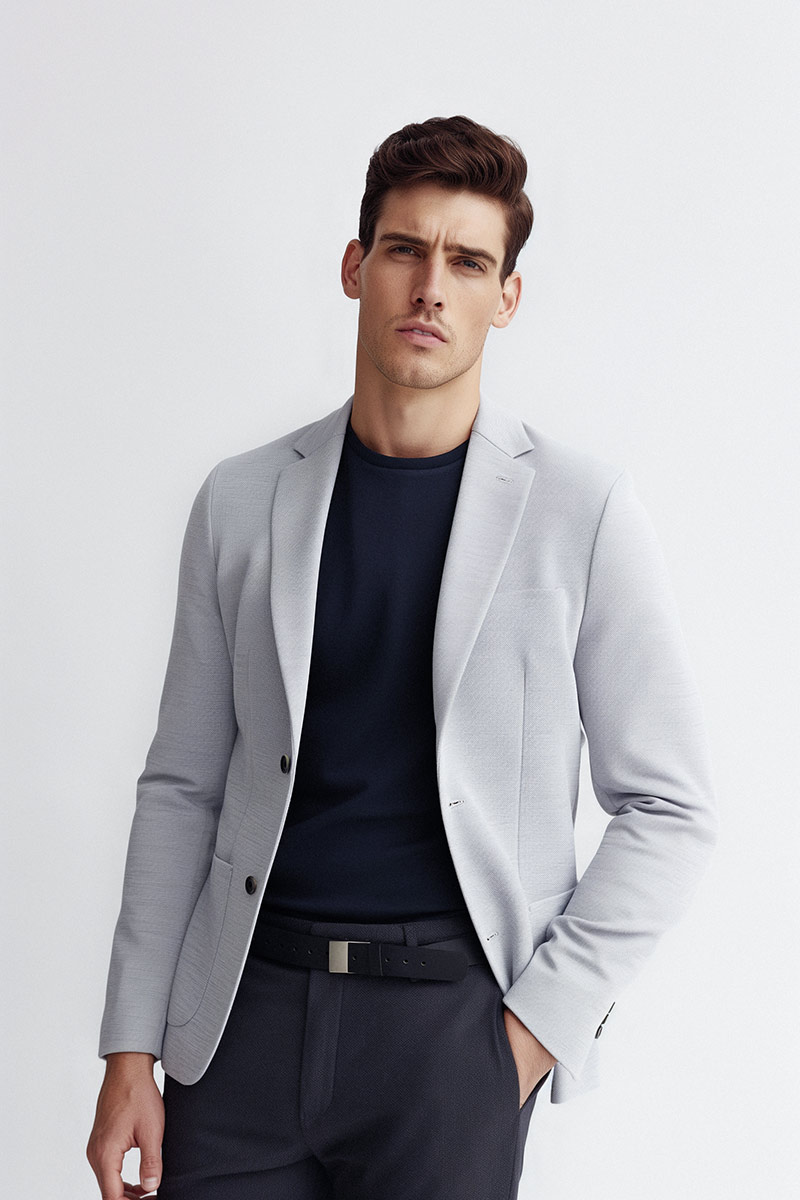
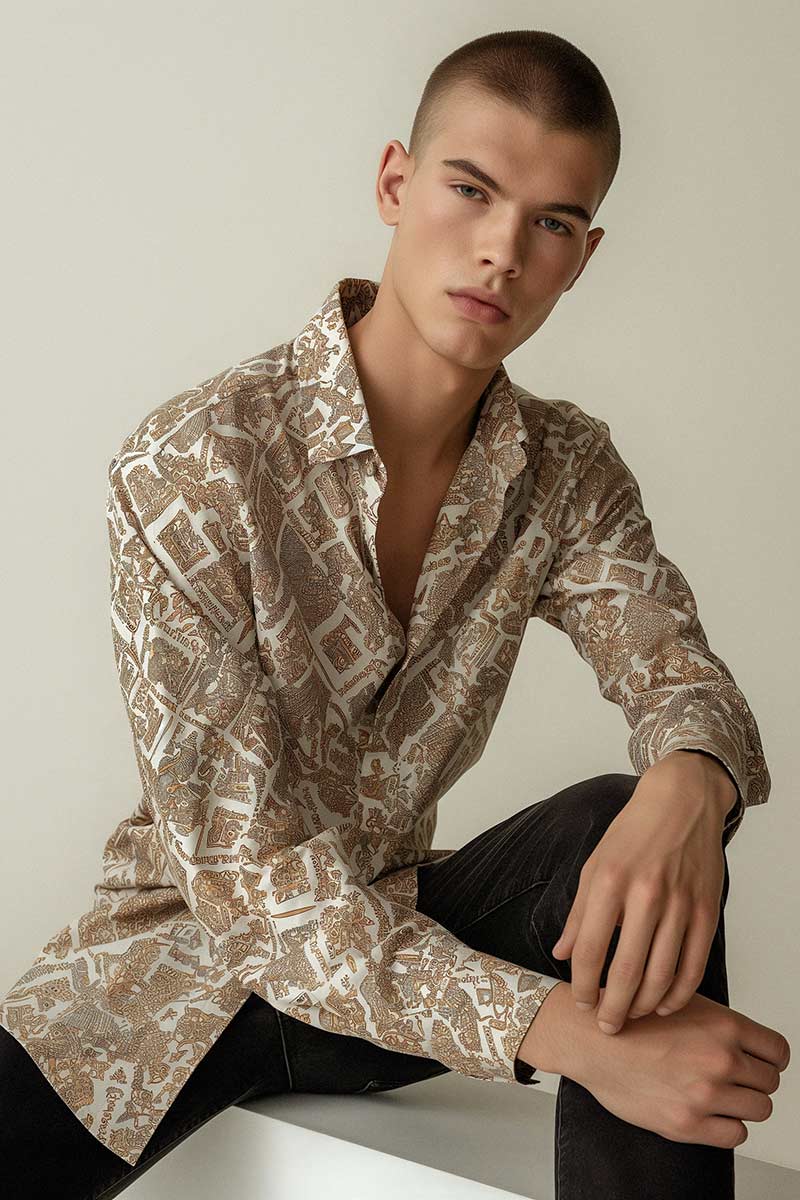
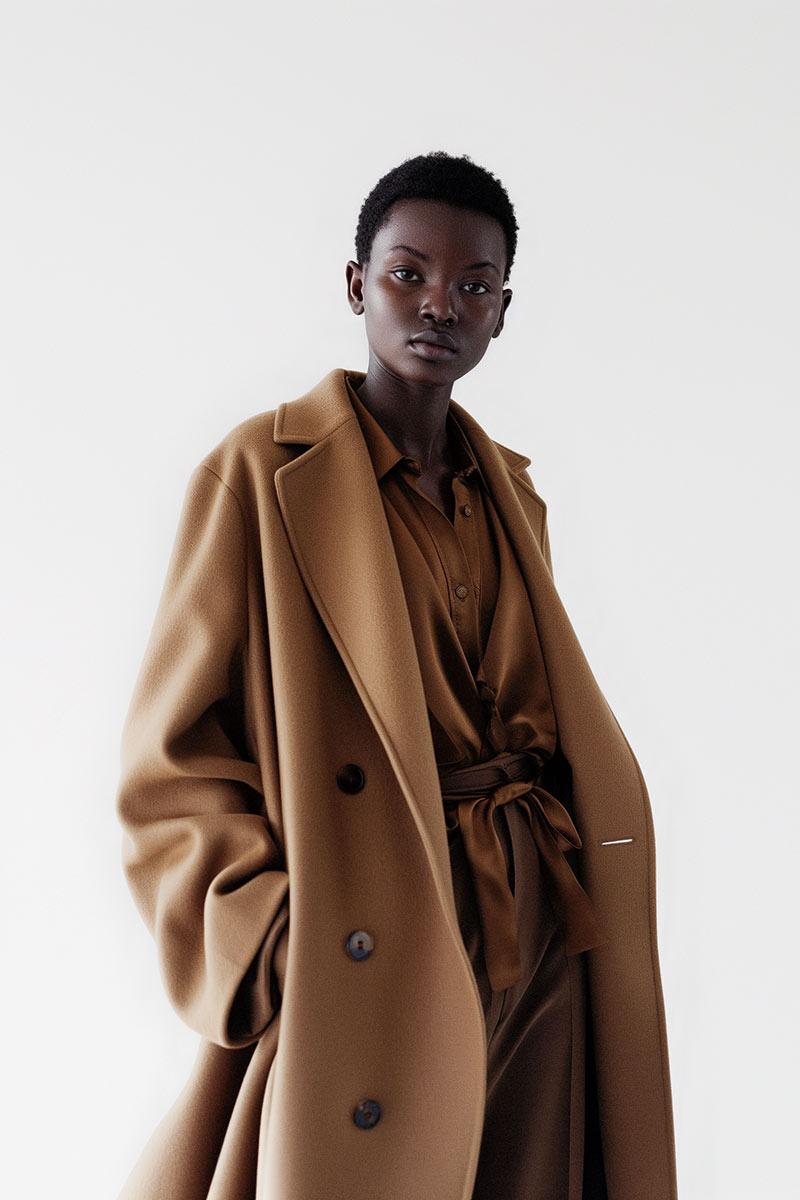
Posture and angles: Have the model stand with weight on the back foot and shoulders slightly forward for a composed stance.
Facial expressions: Match the mood you want — a relaxed jaw for approachable images, a firmer look for edgier portraits.
Clothing impact: Well-fitted garments that define the shoulder and torso work best; avoid extremes that obscure shape.
These cues build images with clarity and impact.
How Do You Direct Inexperienced Models for Authentic and Relaxed Shots?
Non-models respond well to calm, patient direction. Break poses down into simple steps and give them room to try things without pressure.
What Clear Instructions Help Non-Models Pose Naturally?
Use these tactics with people who aren’t used to posing:
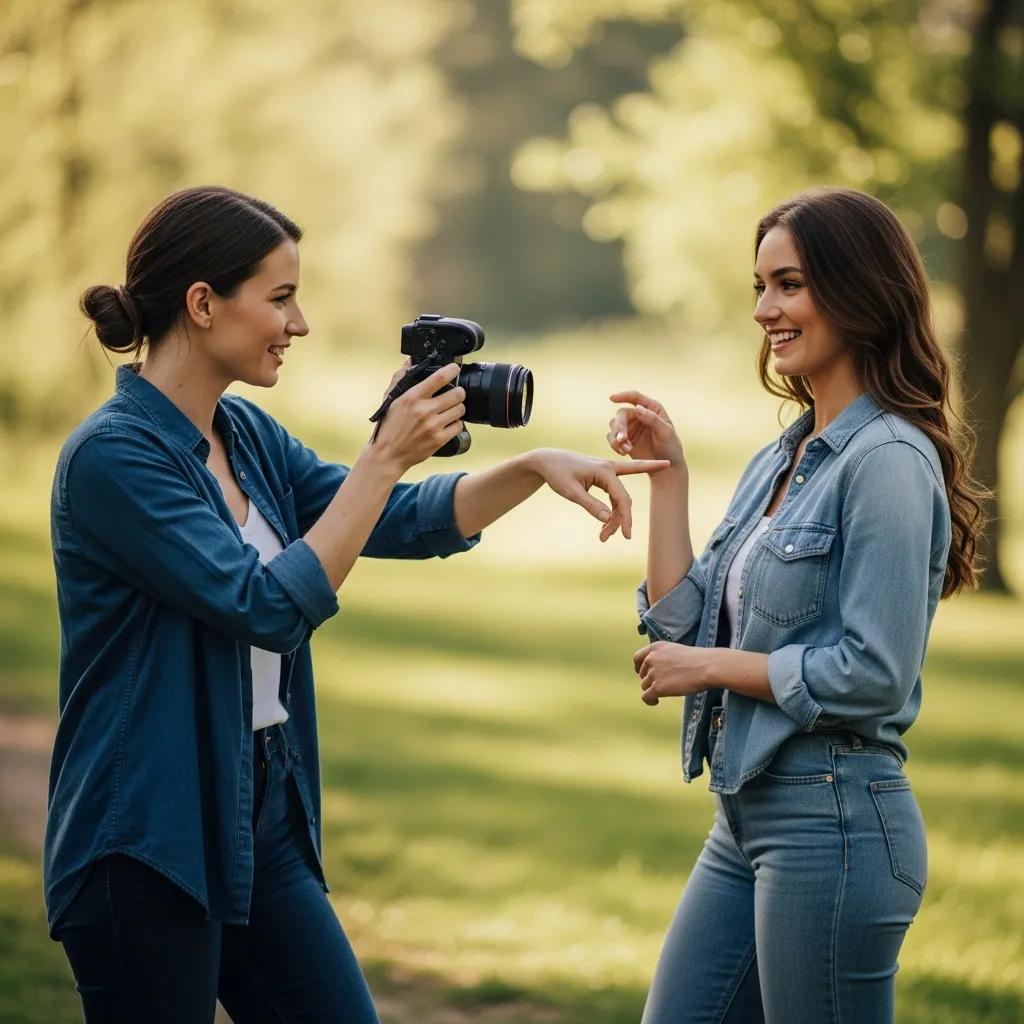
Simple language: Keep directions short and specific — for example, “shift your weight to your left foot and drop your chin slightly.”
Demonstration of poses: Show the pose yourself or use reference images so they can mirror the movement.
Feedback during the shoot: Offer quick, encouraging corrections and show a frame or two to reinforce the change.
Clear, visual guidance helps non-models relax and perform naturally.
How to Use Encouragement and Feedback to Enhance Model Confidence?
Confidence grows with steady, focused feedback:
Positive reinforcement: Point out poses that work and why — it encourages repetition.
Constructive criticism: Give one clear correction at a time so the model can adjust without overthinking.
Creating a supportive atmosphere: Keep the tone upbeat and collaborative; invite the model’s input and ideas.
When models feel supported, their best expressions surface more often.
Which Advanced Posing Techniques Enhance Fashion and Commercial Photography?
Advanced techniques push images beyond the static — movement, story and context make fashion and commercial shots sing.
How to Incorporate Movement and Dynamic Poses in Photoshoots?
Movement adds life to your frames:
Timing and angles: Anticipate the peak of motion and position your camera to catch the most dynamic angle.
Creating flow: Ask the model to move smoothly between poses so you can capture transitional, natural moments.
Capturing candid moments: Stay ready — some of the best frames are unplanned reactions during movement.
These approaches produce livelier, more engaging images.
What Role Do Props and Environment Play in Creating Engaging Poses?
Props and location add context and behaviour to a shoot:
Choosing appropriate props: Pick items that support the concept without stealing focus from the model.
Setting the scene: Use the environment to create depth and narrative in your compositions.
Enhancing storytelling: Props give models something to do, which often leads to more natural interaction and expression.
Thoughtful props and settings help tell a clearer story through each image.
How Can Photographers Master Facial Expressions and Hand Posing?
Facial nuance and hand placement are small details that dramatically affect the mood and elegance of a portrait.
What Are Effective Facial Expression Cues for Storytelling?
Use precise cues to shape expressions that support the story:
Using emotions: Ask models to recall a feeling or scenario to trigger genuine micro-expressions.
Facial angles: Tilt the face, chin or eyes slightly — small shifts change the whole look.
Storytelling through expressions: Direct expressions that match the concept rather than asking for “happy” or “serious” in isolation.
These methods help produce portraits that feel purposeful and true.
How to Position Hands and Arms for Natural and Elegant Poses?
Hands and arms are compositional tools — use them to frame, soften or add movement:
Natural positioning: Encourage relaxed hands with slight bends in the fingers; avoid flat, rigid palms.
Avoiding stiffness: Suggest small, continuous gestures so hands look lived-in, not staged.
Enhancing elegance: Use hands to frame the face or trace a line on the body to add sophistication to the pose.
When hands look natural, the whole image feels more polished.
How Does EyeMedia Studios Approach Model Direction and Posing?
At EyeMedia Studios we put the client first: calm direction, clear cues and a tailored plan for each session so models — and clients — leave feeling confident about the results.
What Makes Bill Gidda’s Direction Style Effective for All Experience Levels?
Bill’s approach is practical and personable:
Calm demeanor: His steady presence reduces nerves and keeps the session running smoothly.
Clear guidance: He gives concise, actionable instructions that suit each model’s experience.
Adaptability to client needs: Bill adjusts tempo and direction based on the model and the brief, creating a personalised experience.
That combination helps everyone perform at their best.
How Do Modeling Portfolio Shoots Benefit from Expert Posing Guidance?
Professional direction makes a real difference for portfolio work:
Quality of images: Skilled posing highlights the model’s strengths and produces strong portfolio frames.
Building confidence: Direction that explains “why” helps models relax and try new expressions.
Tailored experiences: Sessions are shaped to the model’s goals, delivering a focused, versatile set of images.
With expert guidance, portfolios become more effective and marketable.
Technique
Description
Benefit
Rapport Building
Open communication and attentive listening
Increases model comfort and natural expression
Clear Instructions
Short, specific directions and demonstrations
Reduces confusion and accelerates results
Positive Reinforcement
Immediate praise for successful poses
Boosts confidence and repeatable performance
Model Type
Posing Technique
Common Mistakes
Female Models
Subtle body angles and expression tweaks
Facing the camera square-on
Male Models
Strong posture and intentional expressions
Too-casual slouching that loses shape
Inexperienced Models
Simple steps, demonstrations and feedback
Overloading with instructions or no feedback
In short, effective model direction combines trust-building, clear technique and thoughtful creativity. By focusing on comfort, the right posing cues and responsive feedback, photographers can lift the quality of their shoots. EyeMedia Studios applies these principles consistently, helping every model — novice or experienced — produce striking, authentic images.
Frequently Asked Questions
What are some common challenges photographers face when directing models?
Typical challenges include communication gaps, model anxiety and difficulty creating natural poses. Inexperienced subjects may misinterpret directions, leading to stiffness. Photographers can overcome these issues with patience, clear demonstrations and a supportive tone that encourages small, steady improvements.
How can photographers adapt their techniques for different types of models?
Adapt by matching your cues to the model’s experience, body type and personality. Experienced models often need broader creative direction, while newcomers benefit from step-by-step instruction and visual examples. Observing how a model moves and responding with tailored adjustments will highlight their best features.
What role does lighting play in model posing and expression?
Lighting shapes mood and can make poses more or less flattering. Soft, diffused light helps models relax and smooths skin tones, while dramatic lighting can emphasise angles and encourage stronger expressions. Choose lighting that supports the concept and the model’s comfort during a photoshoot collaboration.
How can props be effectively used during a photoshoot?
Use props to add context and give the model something to interact with. Select items that support the story and avoid anything that distracts. Props can guide natural movements and help models look engaged, which often leads to better candid expressions.
What are some tips for capturing candid moments during a photoshoot?
To catch candid moments, cultivate a relaxed atmosphere and prompt gentle movement or conversation. Keep your camera ready with a fast shutter speed and watch for small, authentic reactions. Being unobtrusive and patient usually yields the most natural, emotive frames.
How can photographers ensure they are providing effective feedback during a shoot?
Give feedback that’s specific, actionable and balanced — name what’s working and offer one targeted tweak at a time. Use visual feedback (show a frame) when possible, and invite the model’s thoughts. That two-way approach builds trust and speeds improvement.