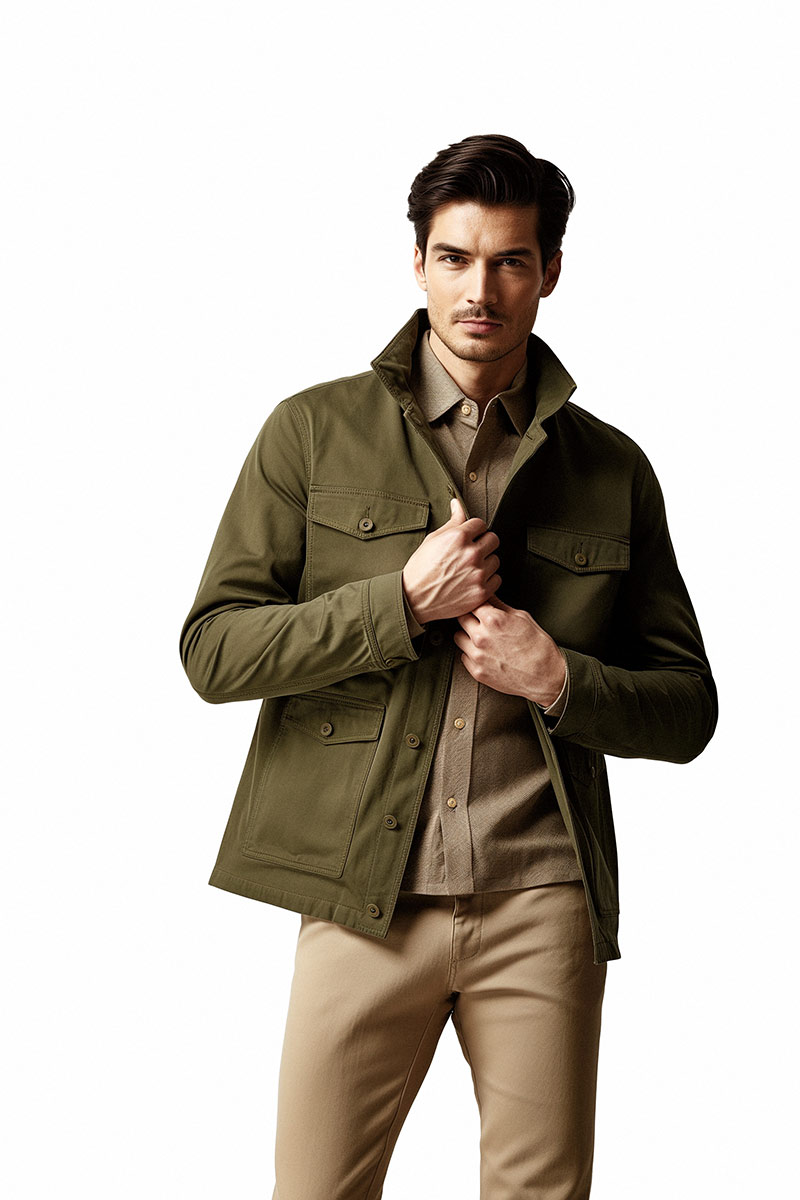
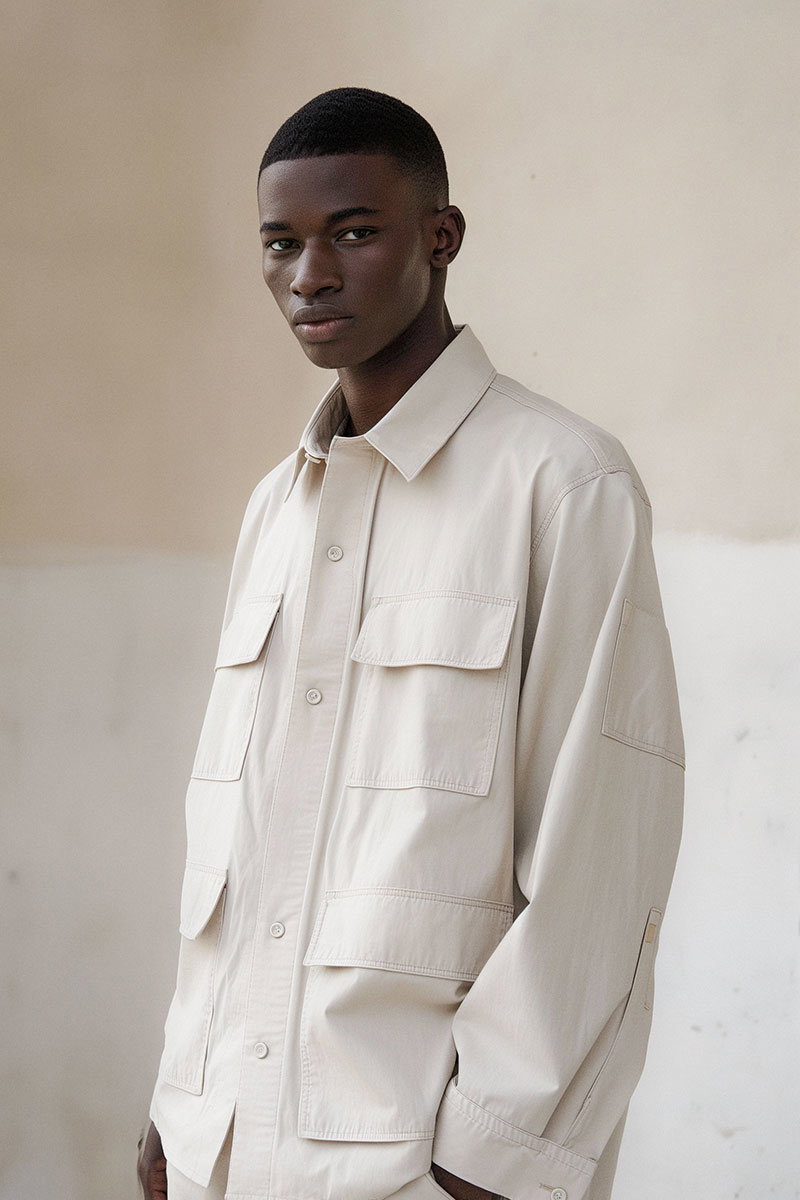
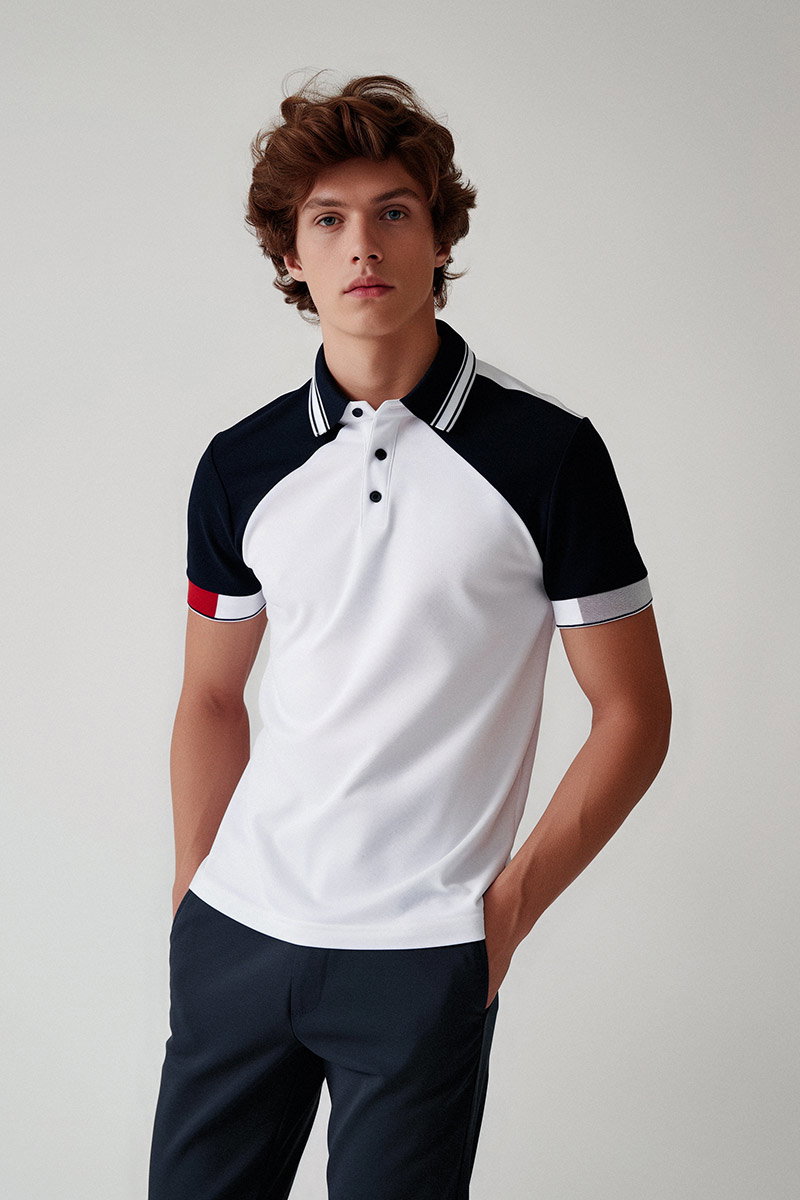
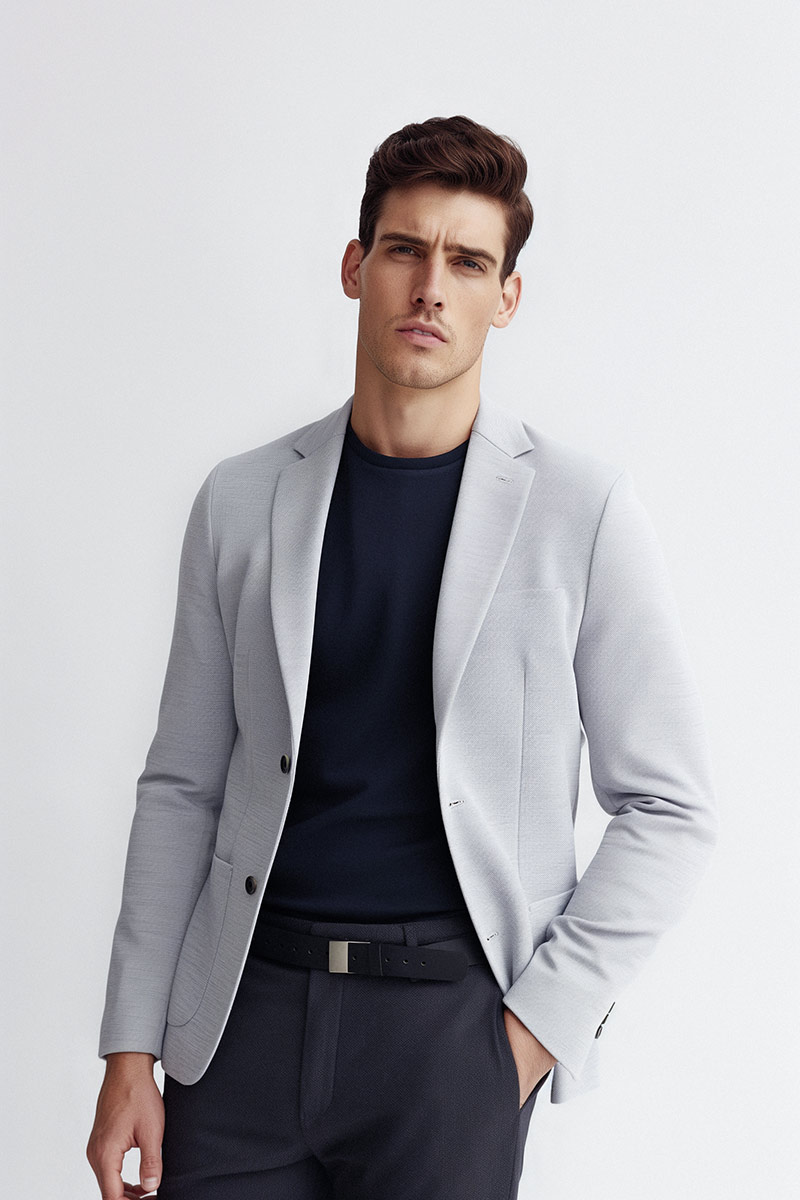
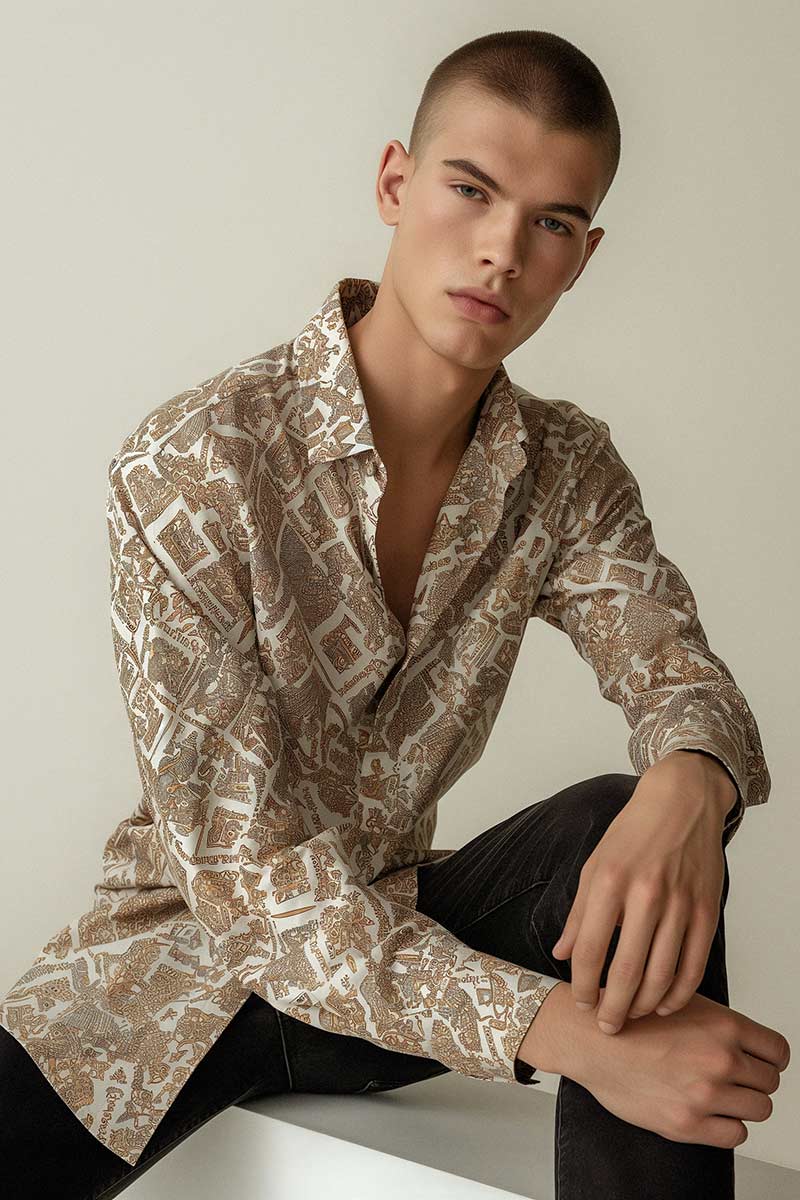
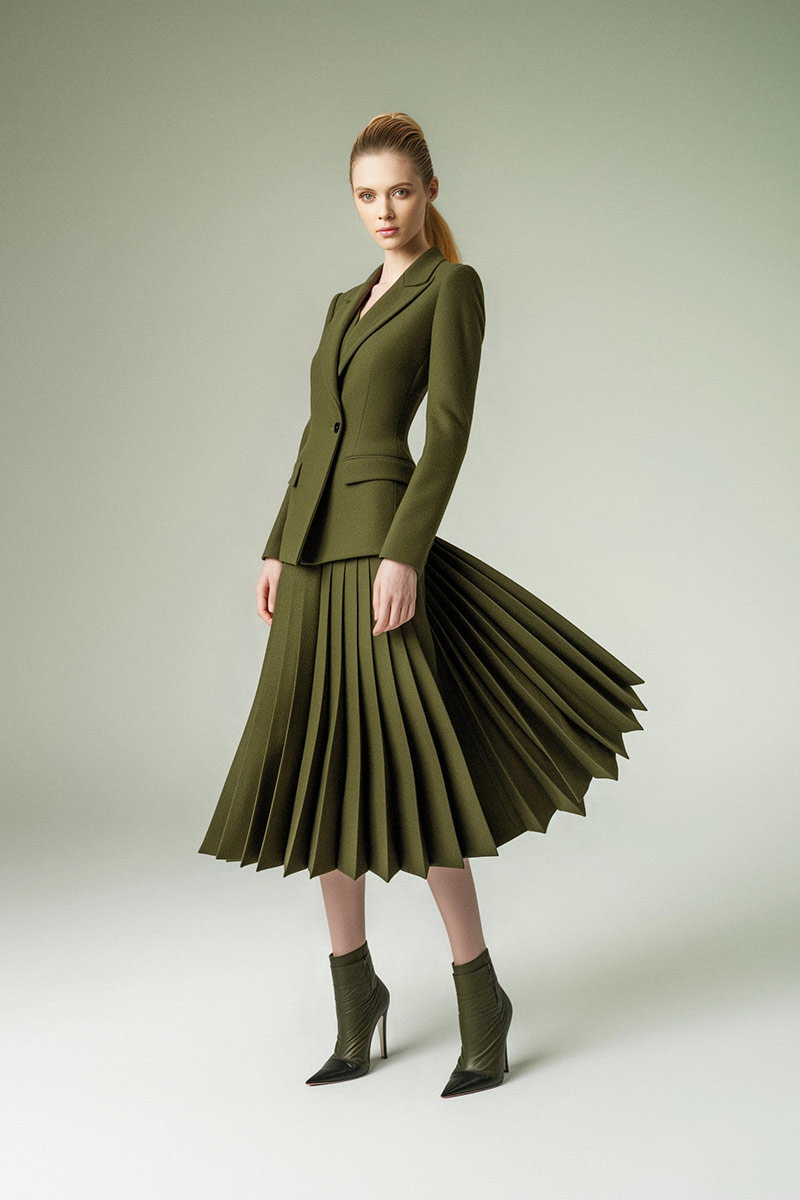
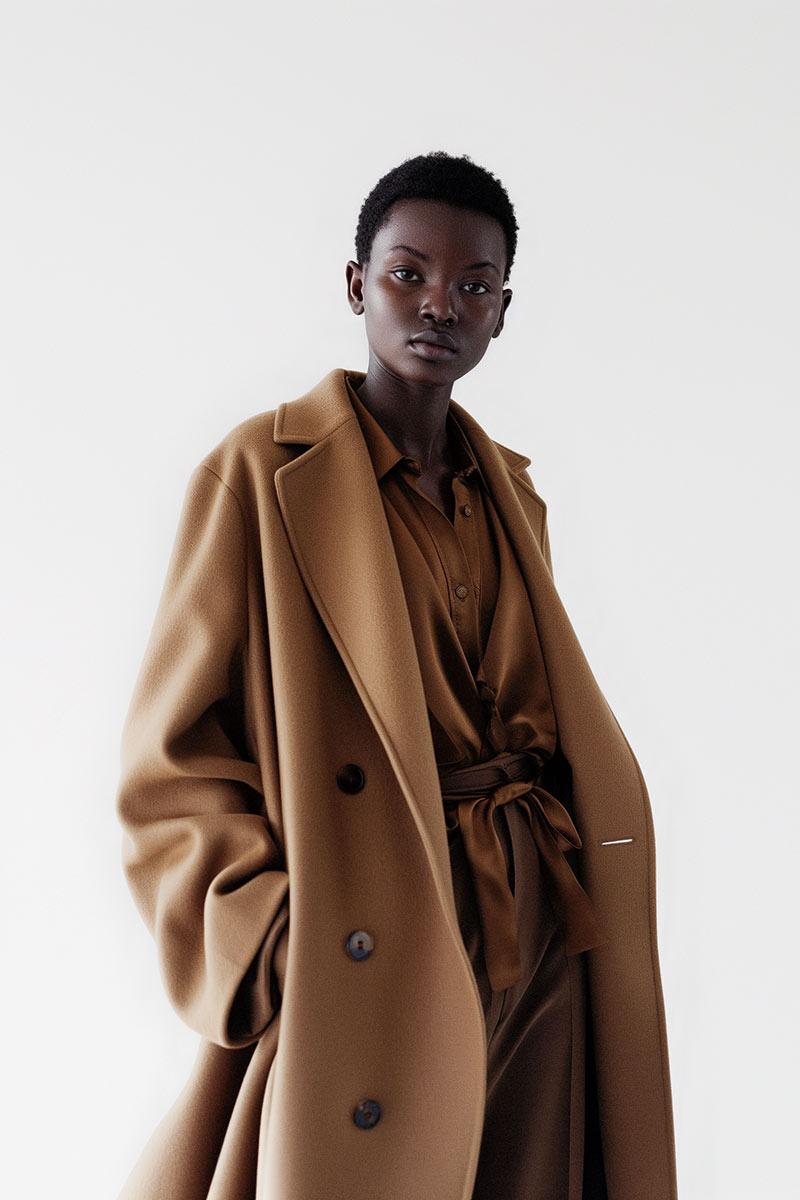
Great product photography matters more than ever in online retail. Heading into 2026, AI-assisted workflows, immersive 360-degree imagery and sustainable, authentic visuals are changing how brands present products. This guide breaks down those trends, explains how they lift engagement and conversions, and offers practical ways ecommerce teams can use them to strengthen their online presence and connect with customers more effectively.
AI is speeding up repetitive work, improving image consistency and raising final image quality. From automated edits to content-aware adjustments and image generation, intelligent tools help brands produce more polished visuals at scale — and that consistency often translates into better conversion rates.
Today’s AI tools can enhance lighting, remove or replace backgrounds and even generate product shots from reference images. By analysing large image sets, they recommend the best angles and lighting setups, then apply those settings across a catalogue. The result: faster turnaround, lower costs and photos that match customer expectations.
Machine learning models identify colours, textures, shapes and other attributes so images highlight the details shoppers care about. That lets teams optimise shots and product pages automatically — ensuring colour accuracy, clear close‑ups of key features and consistent sizing cues that help customers decide with confidence.
360-degree and 3D imagery create a more immersive shopping experience, letting customers inspect products from every angle. That clarity reduces uncertainty, which typically lowers return rates and increases conversions — especially for fashion, accessories and high-value items.
Interactive views invite shoppers to explore items actively, increasing time on page and product understanding. When users can rotate, zoom and examine details, they’re more likely to feel confident in their purchase — and that trust builds loyalty over time.
Schema markup helps search engines recognise and surface 360-degree content, improving discoverability. Proper structured data ensures immersive images and viewers render correctly across platforms, so your investment reaches shoppers wherever they browse.
Shoppers increasingly expect brands to be transparent and responsible. Photography that reflects genuine materials, ethical production or low‑impact shoots can strengthen brand trust and attract eco-conscious customers — without compromising visual appeal.
Using natural light, recycled props or minimal set waste signals authenticity and care. Those choices resonate with buyers who prioritise sustainability and can positively influence brand perception, encouraging repeat purchases and referrals.
User-generated photos and reviews provide social proof that professional shoots can’t replicate. Featuring real customers using products builds credibility and emotional connection, and UGC often performs well across social channels and product pages.
Lifestyle imagery and short video formats bring product stories to life, placing items in real contexts that help shoppers imagine ownership. As short video continues to dominate social feeds, brands that master quick, narrative-driven clips capture attention and drive action.
Short-form video is immediate and snackable — ideal for demonstrating how a product works, highlighting a key feature or showcasing a quick before-and-after. These formats boost reach, encourage shares and can drive fast, measurable traffic back to product pages.
Lifestyle shots show products being used in everyday moments, creating relatable stories that inspire purchase. When customers see themselves in those scenarios, they’re more likely to convert — and more likely to become repeat buyers.
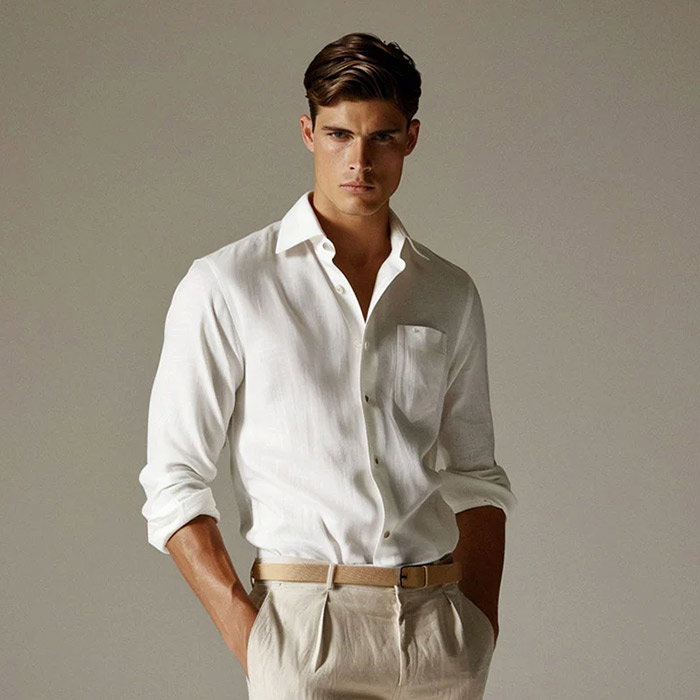
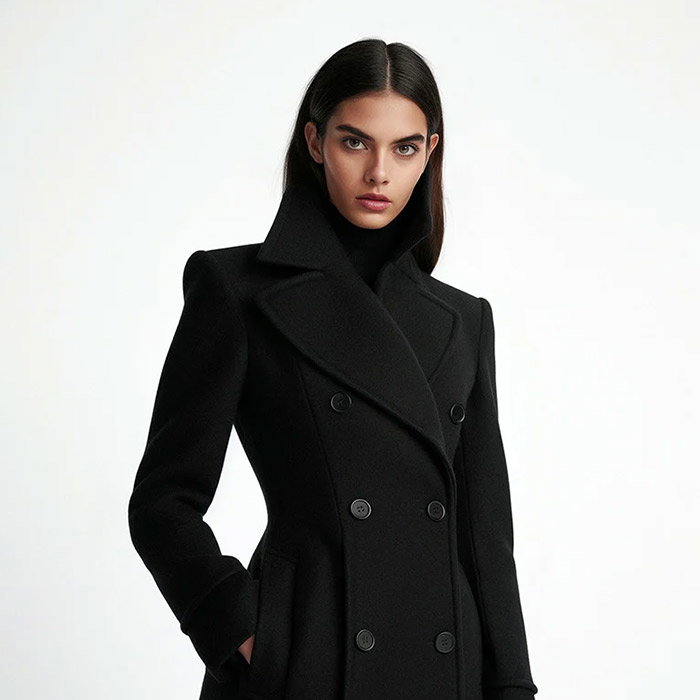
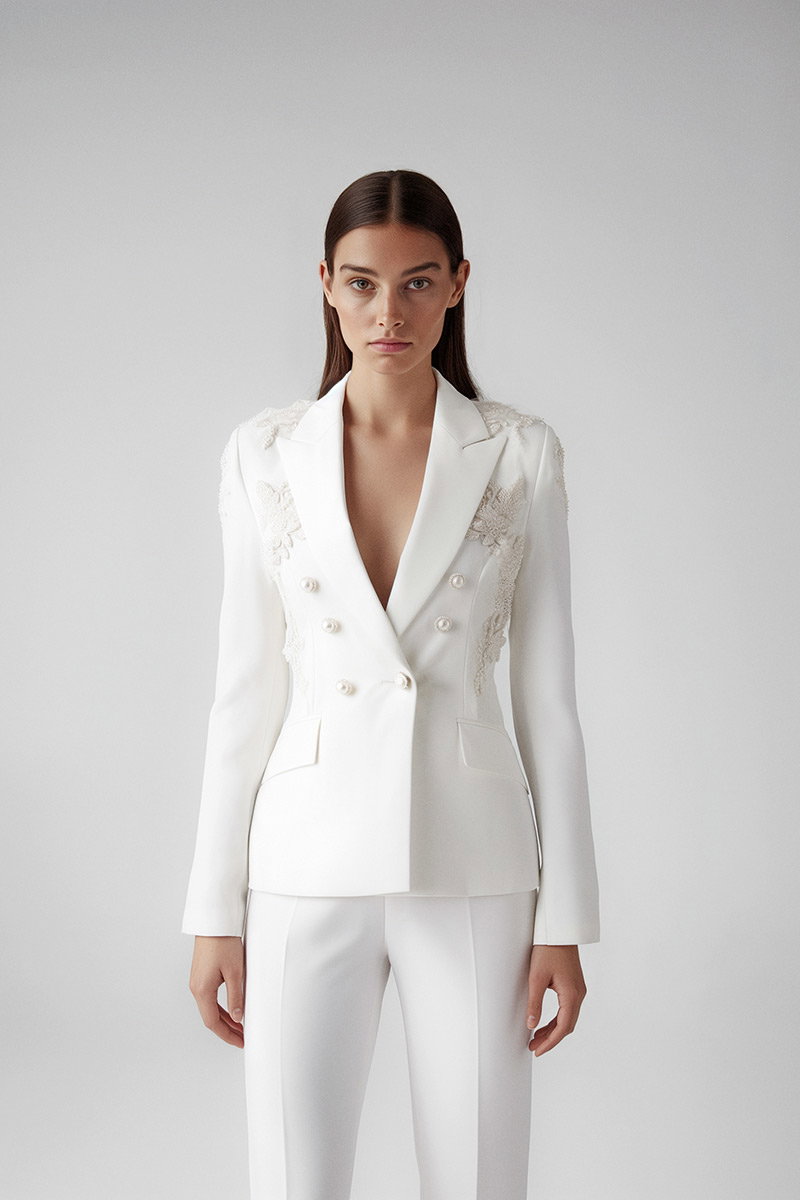
Advances in shooting and post-production have made ghost mannequin and flat-lay styles more dynamic and informative. These approaches combine clarity with styling, helping customers visualise fit, texture and scale without distracting from the product.
Modern ghost mannequin workflows preserve garment shape and movement while keeping attention on fit details. Better lighting, careful retouching and subtle shadowing make items look natural and wearable — which reduces returns and increases buyer confidence.
Flat-lay photography now blends product storytelling with clear information hierarchy. Thoughtful props, complementary textures and consistent colour palettes help convey brand personality while keeping the product front and centre.
London retailers can tap EyeMedia Studios to translate these trends into images that perform. With over 15 years of experience and a client list exceeding 5,000, we deliver practical solutions across ecommerce photography, product shoots and visual content strategy.
We work with brands to craft visuals that match each product and audience. Our services include AI-enhanced editing, 360-degree product capture and on-brand lifestyle photography — all designed to improve conversions and streamline content ops.
We pair AI-driven optimisation with immersive 360-degree capture to make product imagery both discoverable and engaging. That combination ensures accurate visuals, faster production and interactive experiences that help products stand out in a crowded marketplace.
Match the style to your brand and audience. Lifestyle photography suits fashion and homeware; technical close-ups fit electronics; flat-lays work for accessories and curated sets. Also consider where the images will live — social, product pages or marketplaces — and choose styles that support your sales goals.
Track metrics like conversion rate, average order value, time on page and return rates. A/B test different image styles, gather customer feedback and use heatmaps to see how users interact with images. Those insights guide iterations and prove ROI.
Use clear, descriptive file names and alt text, compress images for fast load times, and add structured data where appropriate. Image sitemaps and correct schema for 360-degree assets also help search engines index and display your visuals more effectively.
Plan shoots that minimise waste, choose natural light where possible, use reusable or recycled props and highlight sustainable product features in the imagery. Work with studios and photographers who prioritise low-impact practices.
Colour sets tone and influences emotion: blues can feel trustworthy, greens suggest eco-value, and warm tones feel inviting. Maintain consistent palettes across product ranges to strengthen brand recognition and make pages feel cohesive.
Follow industry blogs, attend webinars, join photographer and ecommerce communities, and analyse competitors and standout campaigns. Testing new formats on a small scale lets you discover what resonates with your audience without overcommitting.
With over 15 years of dedicated experience in product photography, EyeMedia Studios is a go-to partner for ecommerce brands seeking high-performing visuals. Our photographers and digital artists have supported over 5,000 clients, using techniques like AI optimisation, 360-degree capture and sustainable production to deliver measurable results.
We focus on clear, authentic imagery that builds trust and drives sales for businesses in London and beyond. A client-first approach and proven processes mean consistent, on‑brand results every time.
Adopting AI, 360-degree visuals and sustainable practices can transform how customers discover and trust your products. If you’re ready to lift your imagery and improve commercial performance, EyeMedia Studios can help you design a visual strategy that converts. Contact us to find out how.