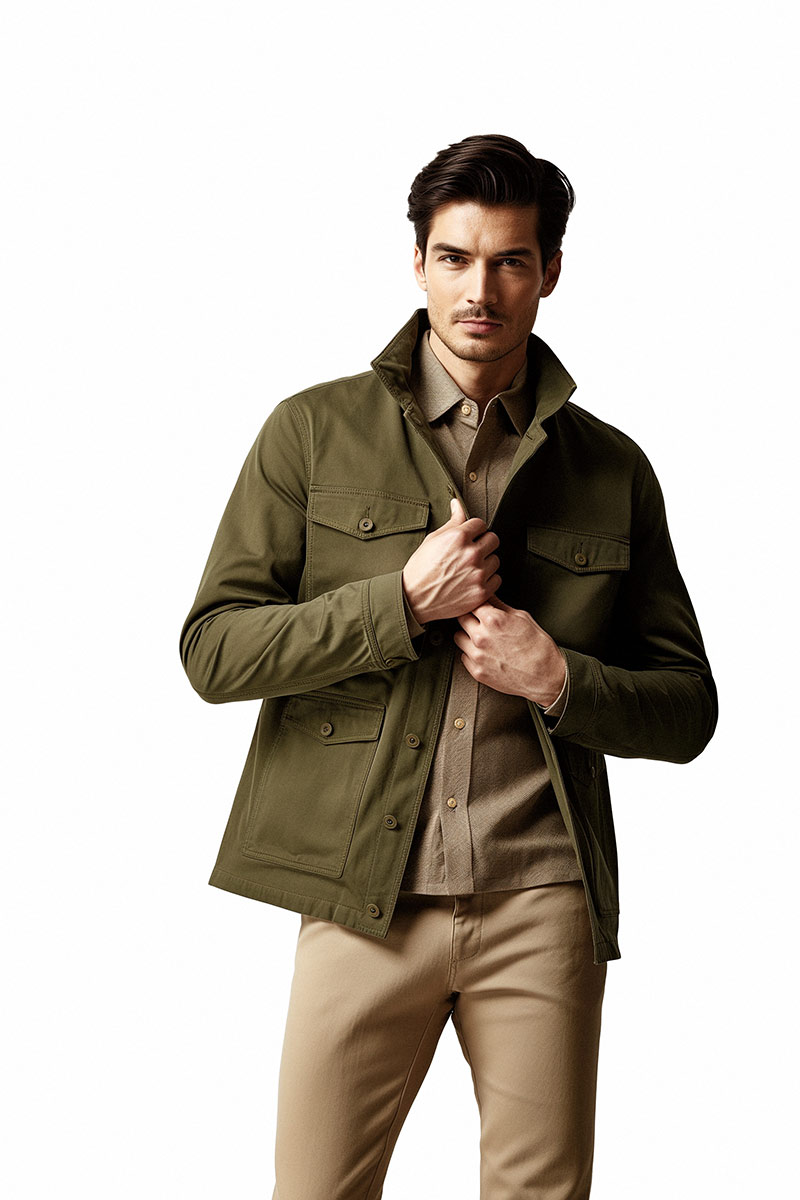
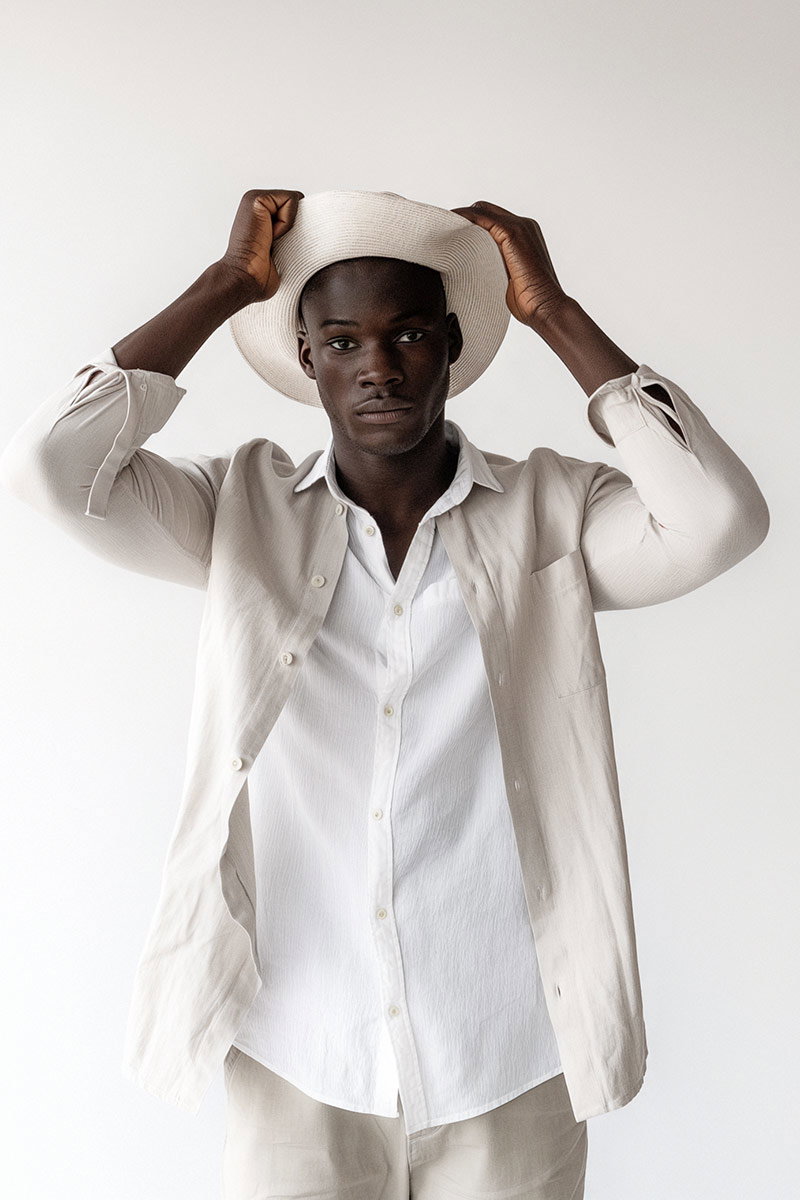
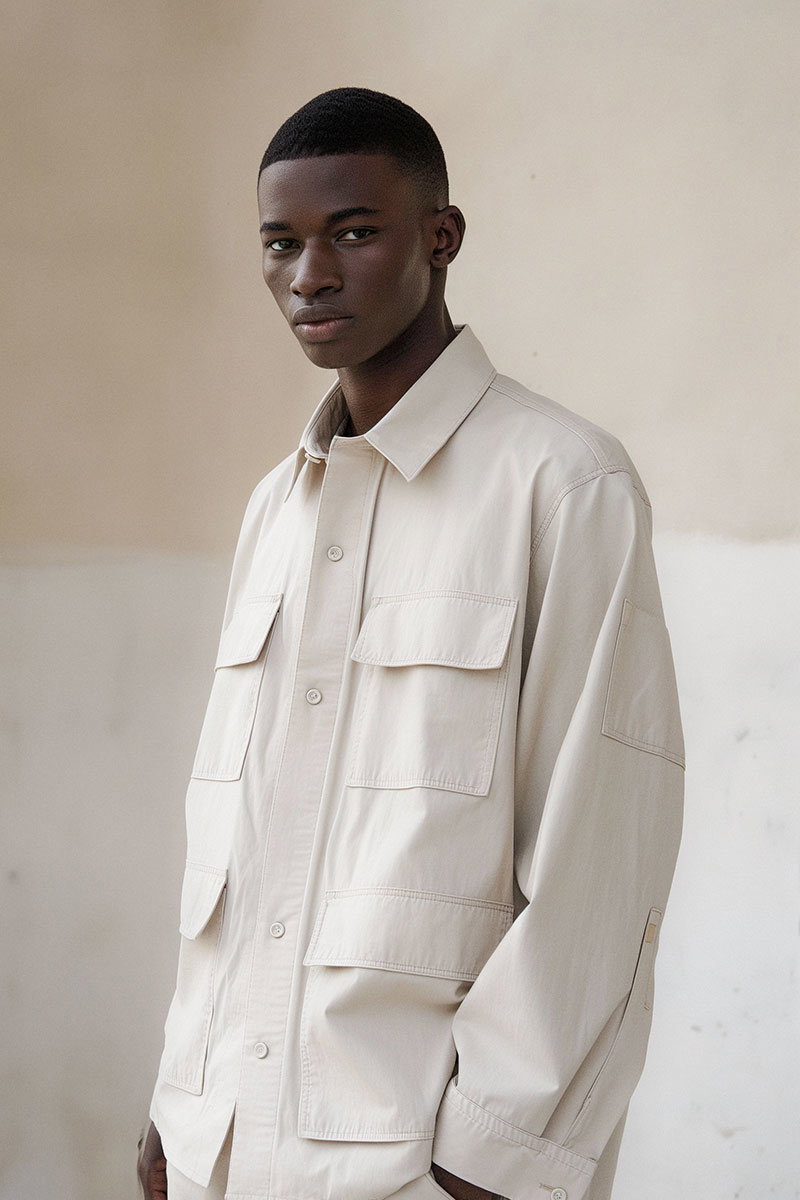
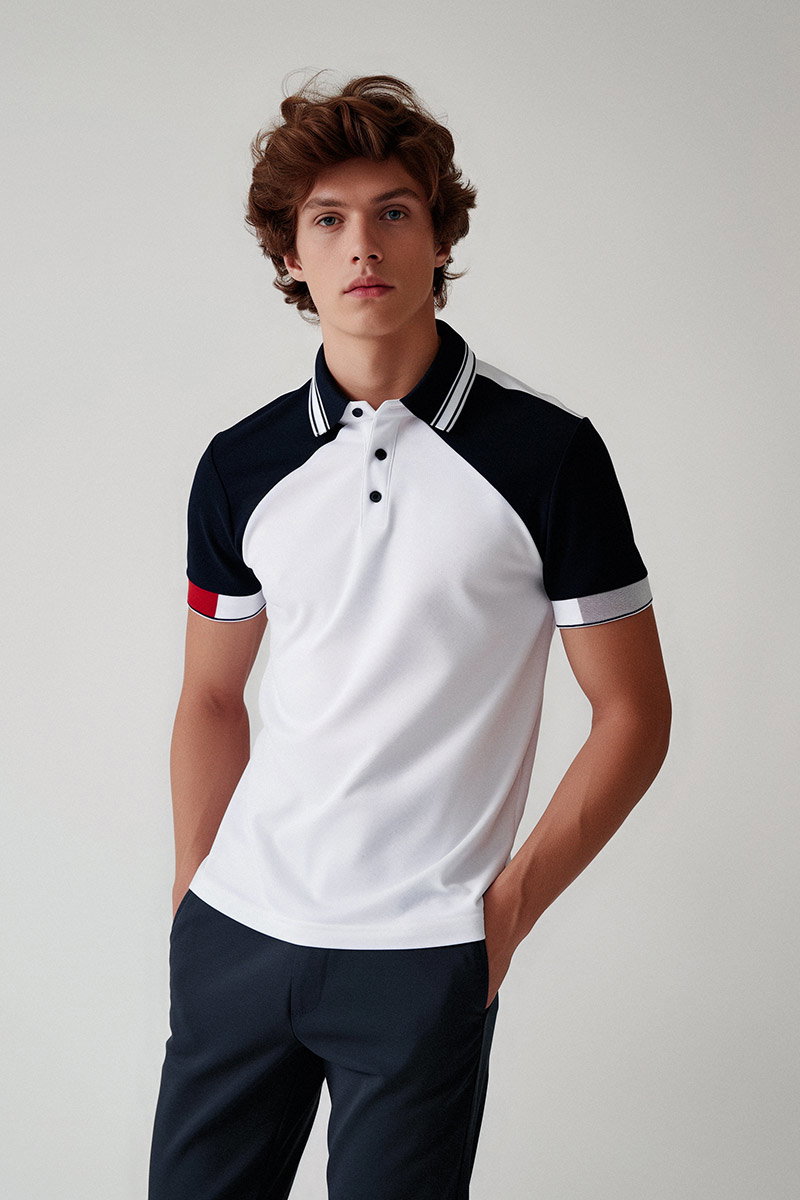
Great lifestyle product photography does more than display an item — it shows how your product fits into a real life. In this article we break down the techniques and planning that make lifestyle shots persuasive and on-brand. You’ll learn what lifestyle photography is, why it matters for storytelling and e-commerce, how to plan an effective shoot, practical shooting tips, and how EyeMedia Studios can help lift your visual content so it converts.
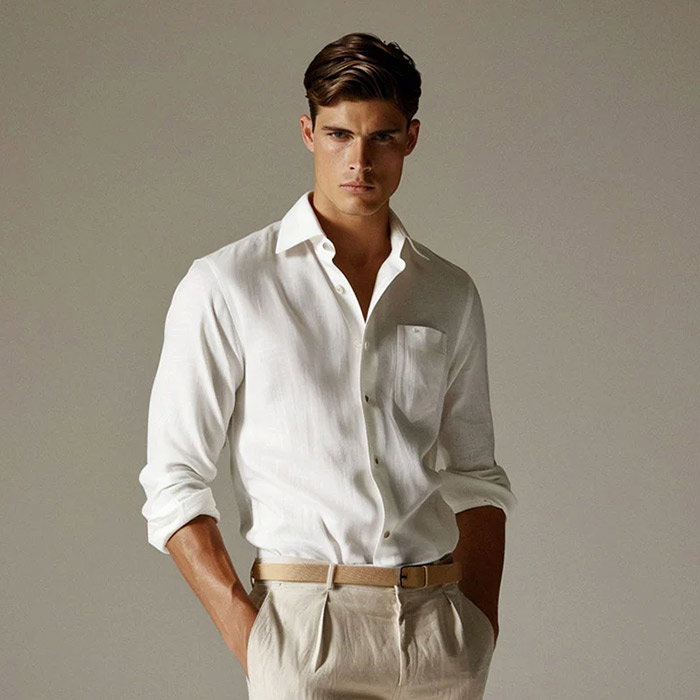
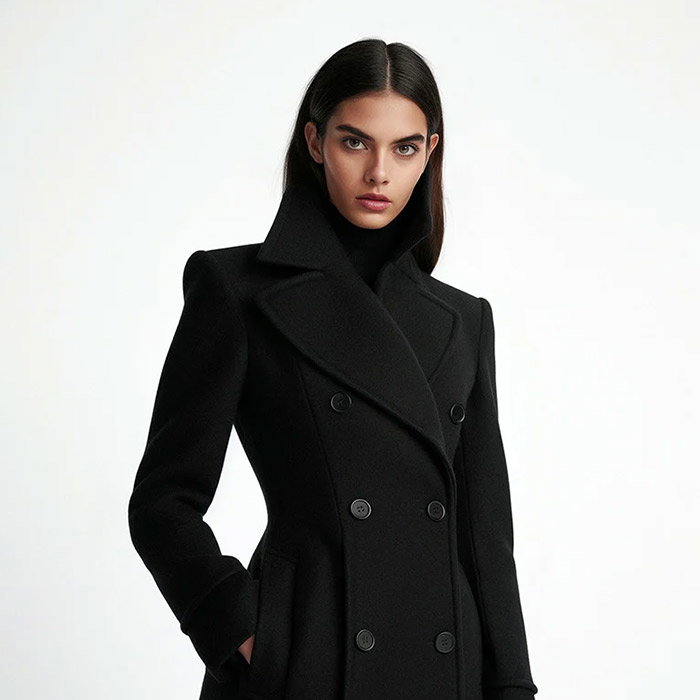
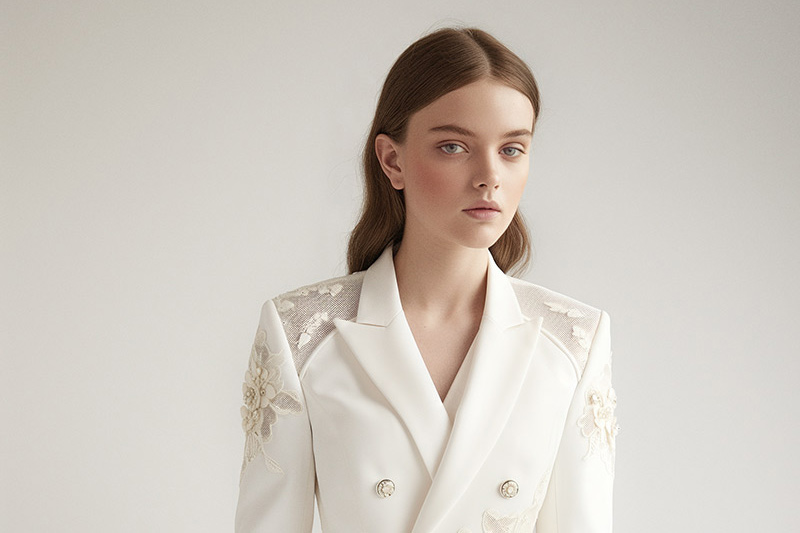
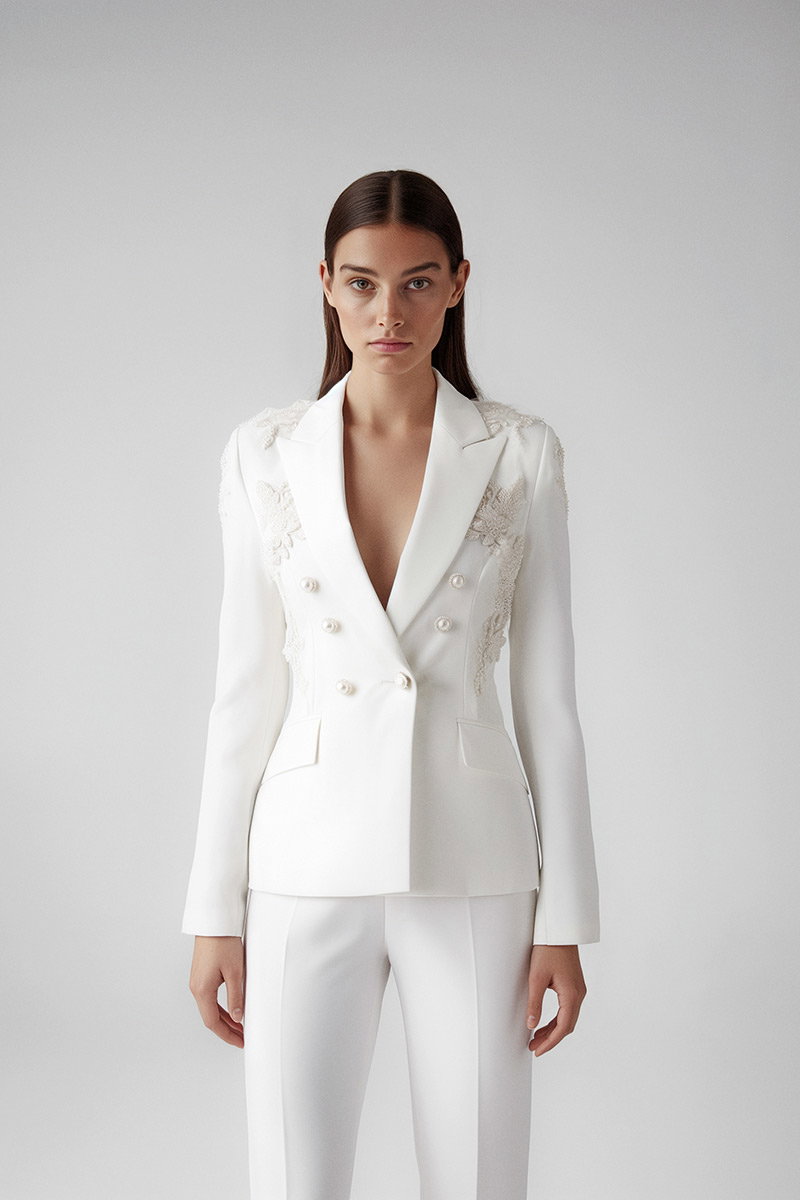
Lifestyle product photography places products in believable, everyday situations so customers can see them being used. Rather than a sterile product shot, this approach highlights the product within a lived-in context and communicates a lifestyle — the values, mood and use-cases that matter to your audience. Those human moments are what turn viewers into buyers.
By showing products in settings that mirror your customers’ aspirations, lifestyle photography makes your brand story tangible. An outdoor-gear brand, for example, benefits when its kit is pictured on a hike: shoppers imagine themselves there. That sense of realism builds trust and emotional connection — the two ingredients that increase engagement.
Authentic, in-use imagery improves e-commerce performance in clear ways. Customers can visualise scale, function and context, which reduces uncertainty and increases conversion. Real-life shots also strengthen brand credibility and improve the browsing experience — leading to higher click-throughs and fewer returns.
Preparation makes the difference between scattered shoots and images that tell a clear brand story. A organised brief, realistic timetable and practical contingencies keep the shoot on-message and on-budget, so the final photos work across marketing channels.
Models and locations are the visual shorthand for your brand. Thoughtful choices ensure authenticity and relevance for your audience.
Small creative choices compound into images that feel honest and professional. Keep the product central, mind the story in every frame, and favour simplicity over gimmicks.
Strong lighting and composition make lifestyle shots readable at a glance. Apply these practical techniques:
Successful lifestyle images show the product as part of a moment, not the whole moment. Aim for scenes that feel unscripted and focus on behaviour and emotion.
EyeMedia Studios combines creative direction with commercial know-how to produce lifestyle photography that serves your wider marketing needs. From briefing through retouching, we design shoots to deliver on-brand imagery ready for web, social and print.
We focus on authentic moments that communicate product benefit and brand personality. By partnering closely with clients, we translate brand strategy into images that perform — across product pages, campaigns and social channels.
Our portfolio is organised online so you can quickly see relevant examples and styles. Booking is straightforward: contact us with your brief, and we’ll propose a tailored plan and cost estimate to get your project started.
Photographs need the right technical and SEO treatment to reach the right people. Optimisation ensures your images work harder for discovery and conversion.
Use simple, proven SEO steps to make your imagery more discoverable:
Descriptive metadata helps accessibility and search at the same time.
Different photography techniques deliver distinct benefits through specific mechanisms.
This comparison highlights how simple techniques raise image quality and storytelling impact.
EyeMedia Studios is built on years of commercial photography experience, focused on lifestyle and product storytelling. Our team — photographers, creative directors and marketers — work together to plan shoots that deliver strategic assets, not just pretty pictures. We pride ourselves on careful planning, creative execution and precise post-production so every image meets both creative and commercial goals.
Case studies show how on-brand lifestyle imagery can move metrics. We highlight measurable wins where visual strategy supported sales and engagement goals.
Brands that adopted lifestyle imagery have seen measurable uplifts in engagement and conversion. For example, a fashion client that introduced lifestyle shots into their product pages reported a notable increase in online sales within three months — a clear example of imagery influencing purchasing decisions.
Recent projects include a wellness brand that used lifestyle imagery to communicate health and vitality; the result was a marked rise in social engagement. These projects show how considered photography strengthens brand perception and customer connection.
Lifestyle product photography is a strategic tool: when planned and executed correctly, it helps customers understand how a product fits into their lives and increases confidence to buy. EyeMedia Studios offers tailored photography services to elevate your visual content and make your products look — and sell — better.
Lifestyle photography works best for products that gain from context and story — think fashion, outdoor equipment, homewares and food. When customers can imagine a product in a real moment, they’re more likely to engage. Examples include kit shown on a hike or food photographed at a family picnic.
Measure success with both engagement and conversion metrics: time on page, click-through rates, add-to-cart and conversion rates, plus social metrics like shares and comments. Combine analytics with customer feedback to understand what resonates and iterate from there.
Post-processing brings consistency and polish. Colour grading, retouching and cropping ensure images reflect your brand palette and look professional across channels. Good post-production preserves authenticity while making images work harder for marketing.
Absolutely. For digital-first brands, lifestyle images replace the in-store experience by showing use and scale. Thoughtful imagery builds trust, reduces hesitation and often improves conversion for online-only retailers.
Avoid poor lighting, busy backgrounds and unclear storytelling. Make the product the focal point, keep scenes uncluttered and ensure the narrative supports the product’s use — not the other way around. This is especially important when considering the target audience.
Start with research: know your customers’ values, environments and visual preferences. Use that insight to guide casting, location and scenario choices. Working with photographers who understand your category also helps keep visuals authentic and relevant.